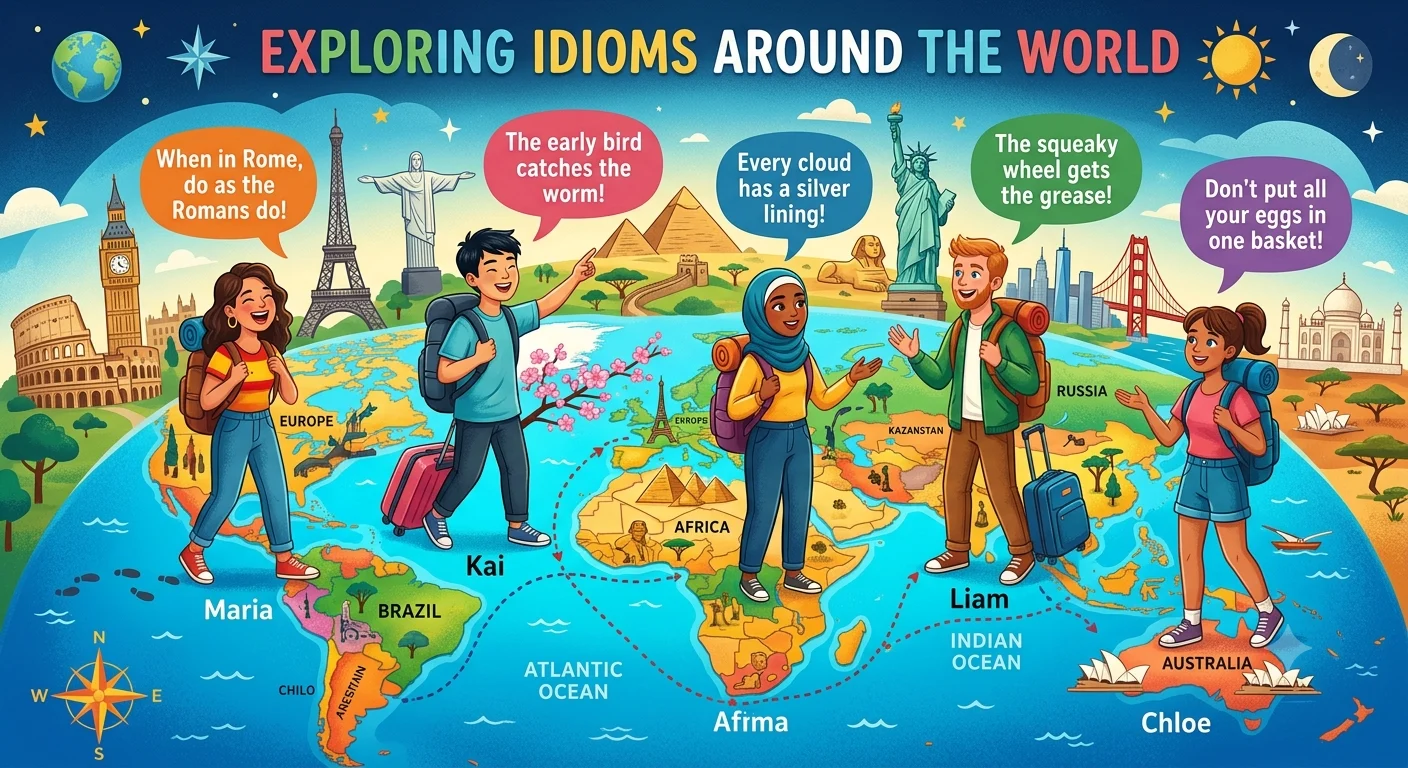
Imagine walking through the bustling streets of London. You hear a local say, “Our trip to Stonehenge fell through.” If you don’t understand this phrase, you might think the ancient stones literally collapsed!
I remember my first international trip to Australia. My friend told me to “hit the road” by 5 AM. I stood there confused, looking at the pavement, wondering why I needed to punch it. That embarrassing moment taught me a valuable lesson—mastering travel expressions is just as important as packing your passport.
Whether you are planning a business trip to Singapore, a solo backpacking adventure through South America, or a family holiday in Europe, knowing these phrases will transform your experience. They help you connect with locals, avoid awkward misunderstandings, and sound more confident. Let’s dive into the 20 most practical expressions that every traveler should know.
🚗 Hit the Road
This is one of the most frequently used expressions in English conversations.
What It Means: To start a journey or to depart from a place. It creates a sense of excitement and readiness.
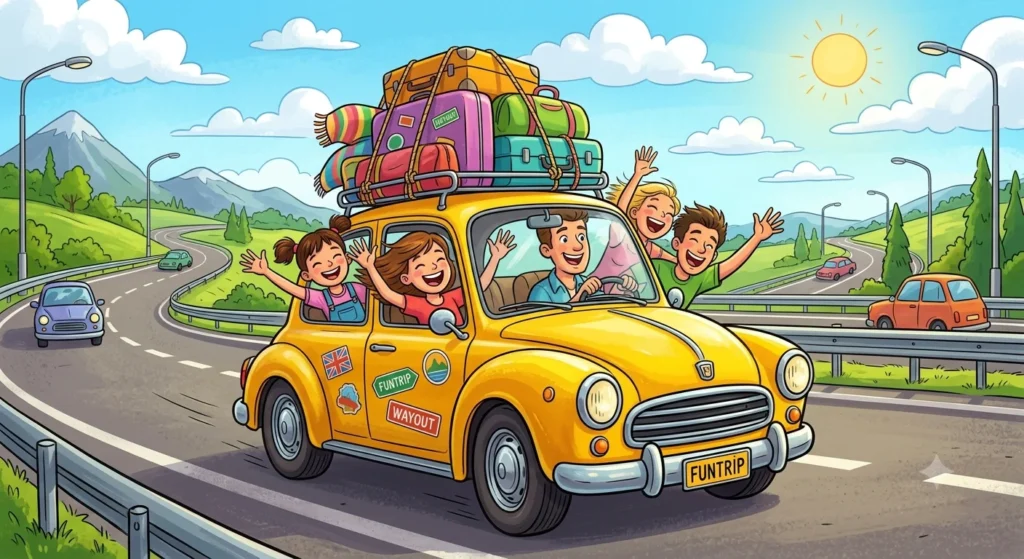
Example in Action: “We need to hit the road before sunrise if we want to reach the mountains by noon.”
Common Mistake: Some learners think this only applies to driving. Actually, you can hit the road in a car, on a bicycle, or even on foot. It simply means beginning your journey.
Quick Tip: Use this phrase when you are with friends or family. It has an informal, energetic vibe that works perfectly for group trips.
🗺️ Off the Beaten Track
True adventurers love this expression.
What It Means: Visiting places that are not crowded with tourists. These are hidden gems that typical guidebooks ignore.

Example in Action: “We discovered a charming fishing village by going off the beaten track in Greece.”
Common Mistake: This does not mean you are lost. It means you are deliberately choosing less popular destinations.
Usage Note: Locals appreciate when travelers use this phrase. It shows you respect their culture and want authentic experiences.
✈️ Catch the Red-Eye
Budget travelers and busy professionals use this one frequently.
What It Means: Taking a flight that departs late at night and arrives early the next morning.
Example in Action: “To save money on accommodation, we decided to catch the red-eye from New York to Paris.”

Common Mistake: This expression only applies to flights. You cannot use it for trains, buses, or ships.
Quick Tip: Always pack a neck pillow and eye mask when you catch the red-eye. You will thank yourself later!
🧳 Live Out of a Suitcase
Digital nomads and frequent flyers understand this one perfectly.
What It Means: Traveling so often that you never fully unpack your belongings. Your suitcase becomes your temporary home.
Example in Action: “As a travel blogger, I have been living out of a suitcase for three years now.”
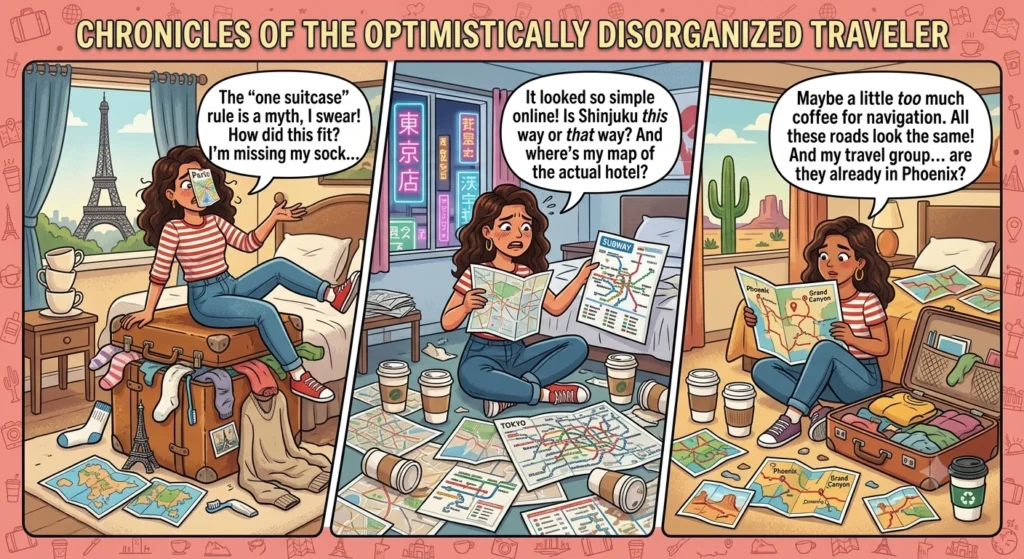
Common Mistake: This describes a lifestyle, not just a single trip. If you are on a two-week vacation, you are not living out of a suitcase.
Fun Fact: Many flight attendants and pilots use this expression weekly. It has become part of their professional vocabulary.
🌟 A Trip of a Lifetime
This phrase captures pure magic.
What It Means: An extremely memorable and extraordinary journey that exceeds all expectations.
Example in Action: “Our safari in Kenya was truly a trip of a lifetime. We will never forget it.”

Common Mistake: It does not have to be the longest or most expensive trip. It simply needs to create unforgettable memories.
Usage Note: Use this phrase when you want to emphasize how special an experience was. It carries deep emotional weight.
🏃 Get the Show on the Road
This is perfect for motivating a group.
What It Means: To start an activity, journey, or project with enthusiasm and urgency.
Example in Action: “Everyone has their tickets? Great! Let’s get the show on the road before the museum closes.”
Common Mistake: Some people think this only applies to performances. Actually, it works for any group activity.
Quick Tip: Use this when your travel group is moving too slowly. It adds a fun sense of urgency.
🌍 Globe Trotter
This is a noun that describes a well-traveled person.
What It Means: Someone who travels widely and frequently across different continents.
Example in Action: “My grandmother is a true globe trotter. She has visited over 70 countries.”
Common Mistake: This is not an action phrase. You cannot say “I am globe trotting.” Instead, say “I am a globe trotter.”
Usage Note: This is a compliment. Call someone this when you admire their adventurous spirit.
⛰️ Hit a Rough Patch
Travel is not always smooth sailing.
What It Means: To encounter difficulties, delays, or unexpected problems during a journey.
Example in Action: “We hit a rough patch when our flight got canceled due to bad weather.”
Common Mistake: This phrase works for life in general, but for travel, it specifically refers to journey-related obstacles.
Quick Tip: When you hit a rough patch, stay calm. Most problems have simple solutions.
🏖️ Get Away From It All
This is the ultimate holiday expression.
What It Means: To escape from daily stress, routines, and responsibilities by going on vacation.
Example in Action: “We are going to a remote cabin in the woods to get away from it all.”
Common Mistake: This implies a complete break from normal life. A quick weekend trip might not count.
Usage Note: Use this when you desperately need rest and relaxation. It signals deep exhaustion.
🗺️ Roam the Streets
This one is for spontaneous explorers.
What It Means: To walk around a city or town aimlessly without a fixed itinerary or destination.
Example in Action: “My favorite activity in Paris is to roam the streets and discover hidden cafés.”
Common Mistake: This is not about rushing to see landmarks. It is about slow, mindful exploration.
Quick Tip: Put away your phone and just roam. You will find the most authentic experiences this way.
🎒Travel Light
This is practical advice wrapped in an idiom.
What It Means: To carry very little luggage and pack only essentials.
Example in Action: “Experienced backpackers always travel light. One small bag is enough for weeks.”
Common Mistake: This does not mean you are physically weak. It refers strictly to luggage weight.
Usage Note: Airlines love travelers who travel light. You save money on baggage fees too!
🧭 Fly by the Seat of Your Pants
This is for fearless adventurers.
What It Means: To travel without any reservations, bookings, or fixed plans. You make decisions spontaneously.
Example in Action: “We booked nothing in advance and decided to fly by the seat of our pants through Thailand.”
Common Mistake: This requires confidence. It is not for travelers who need structure and certainty.
Quick Tip: Try this once in your life. It creates the most unpredictable and exciting memories.
🏠 Put Down Roots
Sometimes travel makes you want to stay forever.
What It Means: To settle permanently in a new place and make it your home.
Example in Action: “We fell in love with Melbourne and decided to put down roots there.”
Common Mistake: This is a permanent decision. It is different from just staying somewhere for a few months.
Usage Note: Use this when you have found your true home away from home.
👀 See the World
This is the ultimate dream for many people.
What It Means: To travel extensively to many different countries and experience diverse cultures.
Example in Action: “Her biggest goal is to see the world before she turns 30.”
Common Mistake: This does not mean visiting every single country. It means experiencing global diversity.
Quick Tip: Start with one continent and gradually expand. The journey is what matters.
🗺️ Off the Map
This is for extreme adventurers.
What It Means: Being in a very remote, isolated, and unknown location that is not on typical maps.
Example in Action: “This tiny island is completely off the map. There is no internet or phone service.”
Common Mistake: This is more extreme than “off the beaten track.” It implies true isolation.
Usage Note: Use this when describing hidden paradises that few people have experienced.
🎉 Hit the Town
This is your nightlife expression.
What It Means: To go out and enjoy entertainment, restaurants, bars, and nightlife in a city.
Example in Action: “Tonight, we are going to hit the town and try that famous tapas restaurant.”
Common Mistake: This specifically refers to evening or nighttime activities. It is not for daytime sightseeing.
Quick Tip: Ask locals for recommendations before you hit the town. They know the best spots.
🛤️ Wanderlust
This word captures the travel bug perfectly.
What It Means: A strong, irresistible desire to travel and explore the world.
Example in Action: “After watching that travel documentary, I have a serious case of wanderlust.”
Common Mistake: You do not “wanderlust.” You “have wanderlust” or “feel wanderlust.” It is a noun.
Usage Note: This is one of the most beautiful English words. It perfectly describes the traveler’s soul.
🚀 On the Go
This is for energetic travelers.
What It Means: Being continuously active and moving from place to place without rest.
Example in Action: “We have been on the go since 6 AM visiting temples and markets.”
Common Mistake: This implies constant movement. It does not describe relaxed, slow-paced holidays.
Quick Tip: Pace yourself. Being on the go is exciting, but rest is also important.
📅 Take a Rain Check
This is polite postponement.
What It Means: To postpone a travel plan or activity to a later date.
Example in Action: “I am exhausted from jet lag. Can I take a rain check on tonight’s dinner?”
Common Mistake: This does not mean canceling permanently. It means delaying to another time.
Usage Note: Use this when you are too tired or busy but still want to meet later.
🌅Get Lost in the Moment
This is pure travel magic.
What It Means: To become so absorbed in the beauty, atmosphere, or experience of a place that you forget everything else.
Example in Action: “Watching the sunset over Santorini, I completely got lost in the moment.”
Common Mistake: This is not about physical disorientation. It is about emotional immersion.
Quick Tip: Put your camera down occasionally and just feel. Getting lost in the moment creates lasting memories.
Powerful Memory Tricks to Remember These Phrases
Learning these expressions is exciting, but retaining them requires strategy. Here are proven techniques:
Create a Travel Story: Connect five or six idioms into a funny story about your dream trip. For example, “I will hit the road early, travel light, and roam the streets of Rome. If I hit a rough patch, I will stay calm. This will be a trip of a lifetime!” Stories stick in your memory far better than isolated phrases.
Use Visual Associations: Picture each idiom in your mind. Imagine someone literally “living out of a suitcase.” Visual learning strengthens memory retention significantly.
Practice with Worksheets: Writing these expressions repeatedly helps reinforce them. Create your own travel idioms worksheet and test yourself weekly.
Speak Them Aloud: Before your next trip, practice saying these phrases out loud. Speaking activates different parts of your brain compared to just reading.
Watch Travel Content: Pay close attention to travel vloggers and documentary hosts. They naturally use these idioms in context.
Frequently Asked Questions
Q1: What are the most commonly used travel idioms?
The most frequently used expressions are “hit the road,” “off the beaten track,” and “travel light.” Native speakers use these daily in casual conversations. They are essential for any traveler’s vocabulary.
Q2: Can I use these idioms in professional settings?
Absolutely! Phrases like “catch the red-eye” and “hit a rough patch” are very common in business travel contexts. Corporate professionals use them regularly when discussing work trips and client meetings.
Q3: How can I learn travel idioms quickly?
The fastest method is using a structured worksheet combined with daily practice. Flashcards are also highly effective. Additionally, try incorporating one new idiom into your conversations each day.
Q4: Are these idioms used in both British and American English?
Yes, these expressions are understood globally. While slight variations exist, all the idioms listed here are widely recognized in both British and American English. They are also common in Australian, Canadian, and other English-speaking countries.
Q5: What is the best way to remember these phrases?
Creating personal travel stories that include multiple idioms is the most effective technique. Also, visualizing each expression helps. Regular practice with worksheets and speaking exercises will solidify your memory.
Q6: Can I use these idioms in writing?
Definitely! These expressions work wonderfully in travel blogs, journals, emails to colleagues, and even postcards. They add color and personality to your writing.
Q7: What should I do if I confuse two idioms?
Do not worry! Confusion is part of learning. Review the examples carefully and practice each one separately. Over time, the distinctions will become natural.
Conclusion
Mastering these twenty travel idioms opens doors to richer, more authentic travel experiences. You now possess the linguistic tools to navigate conversations confidently, connect with locals meaningfully, and express your adventures with colorful precision. Remember, language learning is a journey, not a destination.
Each new phrase you practice brings you closer to fluency and deeper cultural understanding. Challenge yourself to use at least one new idiom every day during your next trip. Share these expressions with fellow travelers.
Create your own stories around them. The world is vast and waiting for you to explore it with confidence and curiosity. So pack your bags, grab your passport, and hit the road with these powerful phrases in your vocabulary arsenal. Your next adventure starts now. Safe travels, and may every journey become a trip of a lifetime.

“Rose Macaulay shares the charm of idioms on LearnIdom.com, making language learning delightful, insightful, and full of wit for every reader.”