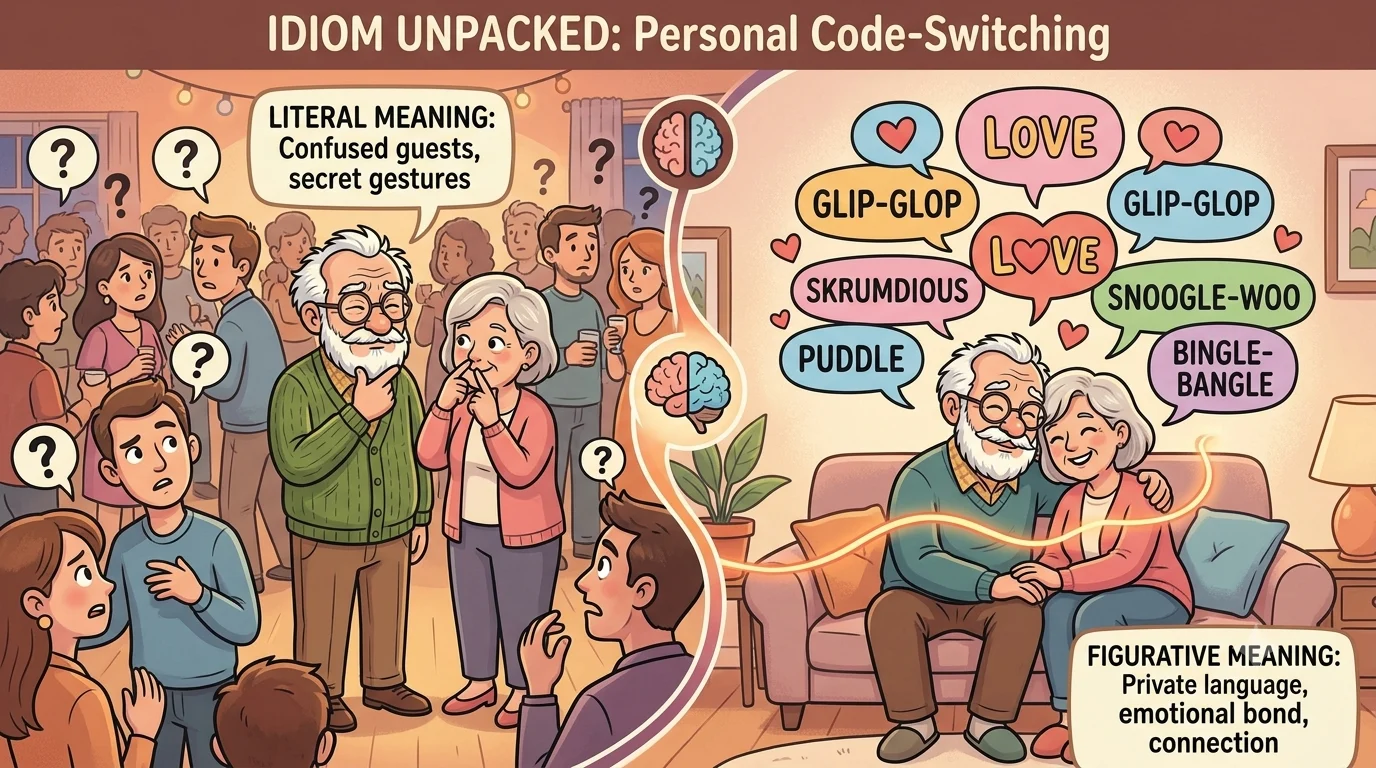
Have you ever exchanged a knowing glance with your partner across a crowded room and instantly understood what the other was thinking? Or called your best friend by a silly nickname that would make absolutely no sense to anyone else?
That’s the fascinating power of personal idioms—the secret language that binds people together through unique words, phrases, and gestures. Unlike common sayings like “raining cats and dogs,” these private expressions hold special meaning only for the people within a specific relationship.
A personal idiom is simply a private phrase, nickname, or gesture that carries meaning exclusively for those in a close relationship. Your partner might call you “Pickle” because of a funny moment at a restaurant, and that word becomes your special code. Outsiders wouldn’t understand it, and that’s exactly the point.
In this guide, we’ll explore what personal idioms are, why they matter, and share 20 powerful relationship idioms with real-life examples. Whether you’re looking to deepen your connection with a partner or simply curious about the secret language of love, this article will transform how you think about communication.
What Are Personal Idioms? A Simple Explanation
A personal idiom is a symbol, phrase, or nonverbal gesture within a close relationship that carries a special meaning known only to those in that relationship.
Think of it as your relationship’s private dictionary—words or phrases that would confuse anyone outside your inner circle. For example, one couple might use “jelly beans” as a shorthand way to say “You’re talking too much.” Another family might call their grandmother “The Queen” as an inside joke about her commanding presence.
These expressions develop naturally as people share experiences, inside jokes, and moments that create unique meaning. They’re not just cute quirks—they serve a powerful purpose in strengthening relationships by creating intimacy and building a shared world.
“Speak of the Devil”
What It Means: When a person you’ve just been talking about suddenly shows up.
Real-Life Example: My partner and I were discussing whether our friend Sarah still lived nearby. As I said, “I haven’t seen her in months,” there was a knock—Sarah herself! We both laughed and said, “Speak of the devil!”
Common Sentences:
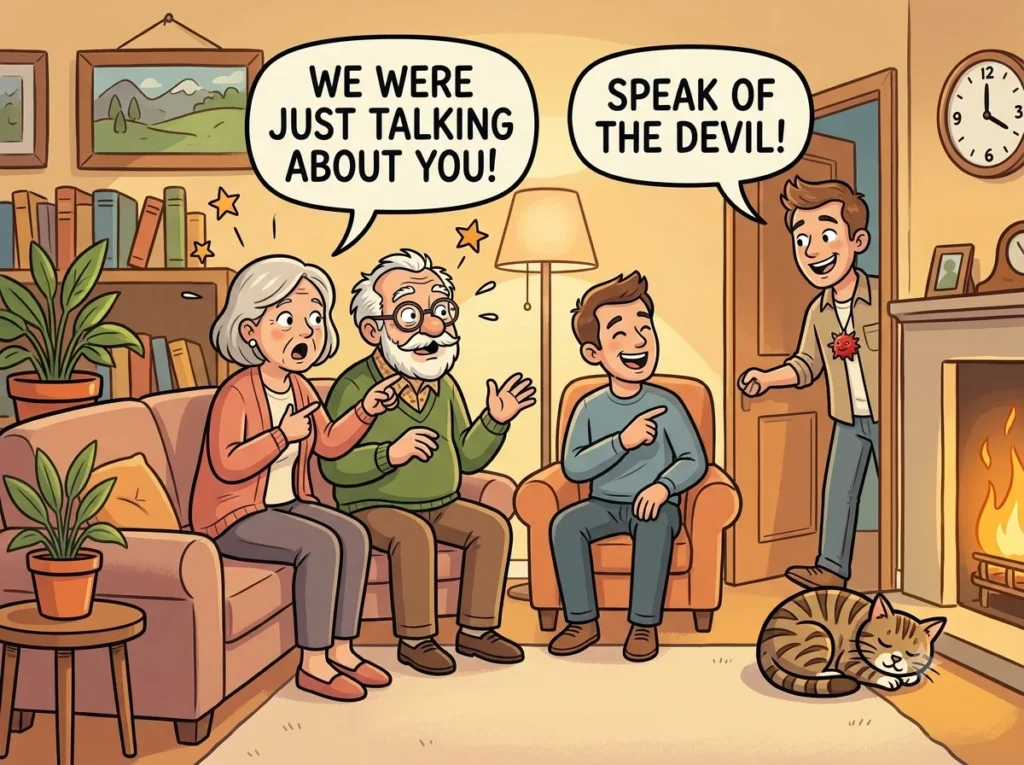
- “We were just talking about you—speak of the devil!”
- “Speak of the devil, here comes your boss right now.”
Common Mistake: Don’t use this for negative situations—it’s meant to be playful and lighthearted.
“Break the Ice”
What It Means: Overcoming initial awkwardness to start a conversation.
Real-Life Example: On our first date, I was so nervous I couldn’t think of anything to say. My partner told a silly joke that made me laugh, and it broke the ice completely.
Common Sentences:

- “I shared a funny story to break the ice at the dinner party.”
- “Talking about shared interests is a great way to break the ice.”
Common Mistake: This specifically refers to initial awkward moments, not any conversation starter.
“See Eye to Eye”
What It Means: To agree with someone or share the same opinion.
Real-Life Example: My partner and I don’t always see eye to eye on where to eat dinner, but we’ve learned to compromise. However, we completely agree on how to raise our children.
Common Sentences:

- “We finally see eye to eye on our vacation plans.”
- “My parents and I see eye to eye on most important issues.”
Common Mistake: This means complete agreement, not just tolerance of differences.
“Actions Speak Louder Than Words”
What It Means: People’s actions reveal their true intentions more than their promises do.
Real-Life Example: My friend kept saying he’d help me move, but when moving day came, he didn’t show up. Actions speak louder than words.
Common Sentences:
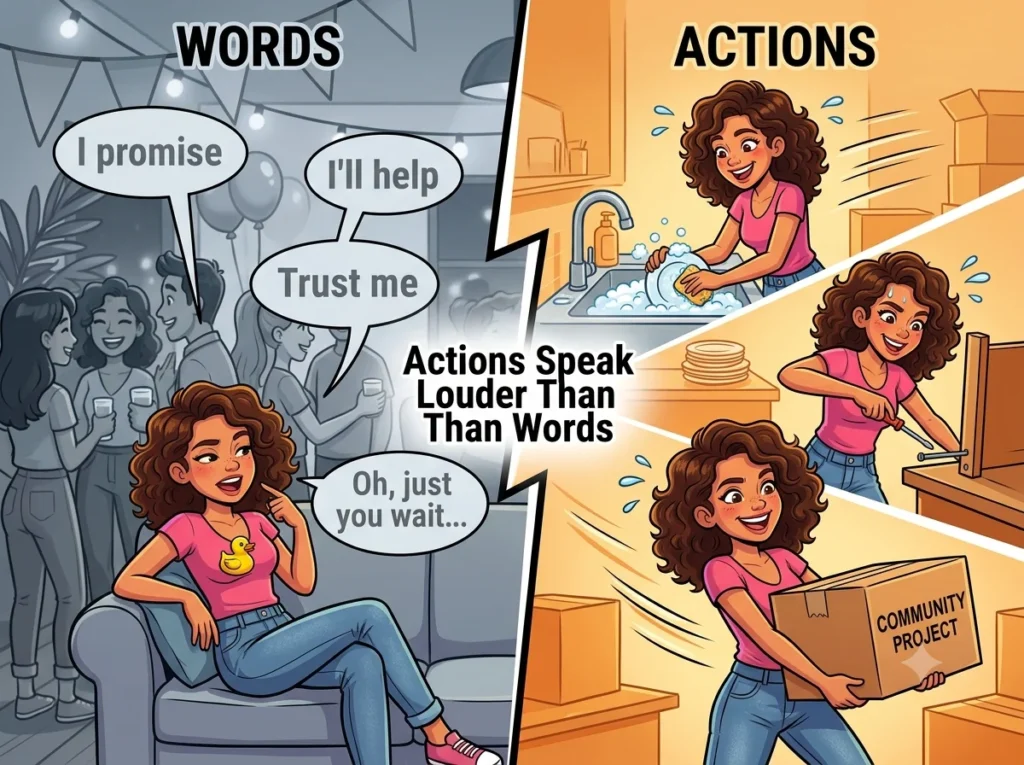
- “He says he loves me, but actions speak louder than words—he never makes time for me.”
- “Don’t just say you’ll help—actions speak louder than words.”
Common Mistake: This doesn’t mean all words are meaningless—it means actions are more reliable.
“Let the Cat Out of the Bag”
What It Means: To reveal a secret, often accidentally.
Real-Life Example: I was planning a surprise party for my partner, but my best friend let the cat out of the bag by posting about it on social media.
Common Sentences:
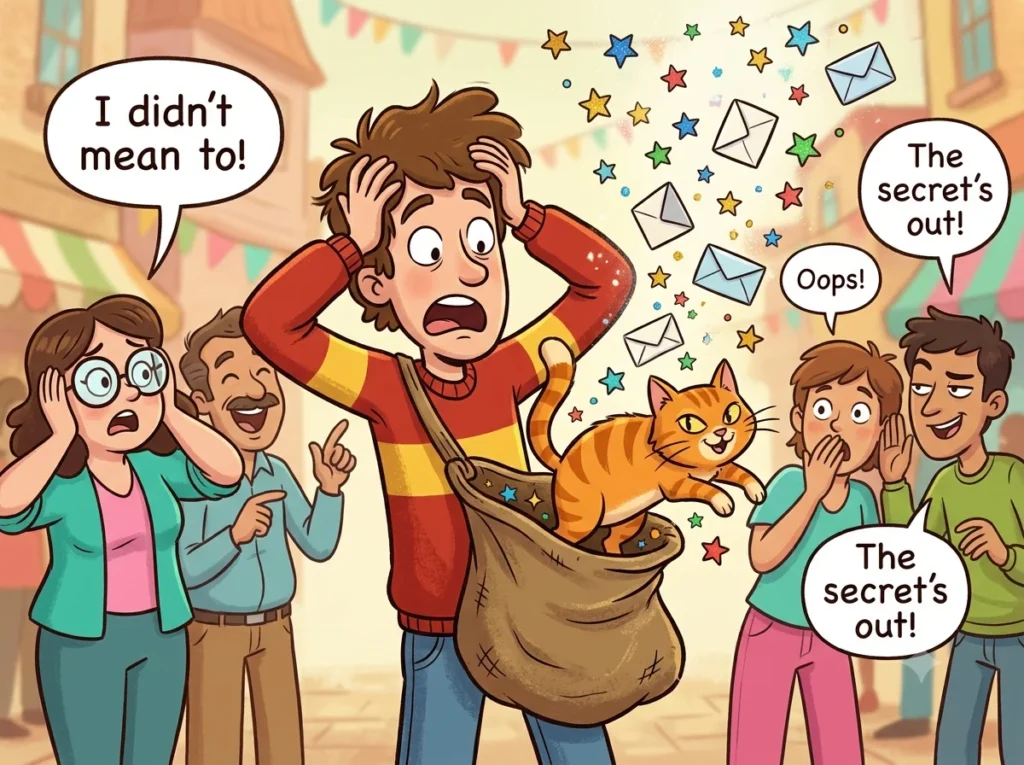
- “I was going to surprise her, but my friend let the cat out of the bag.”
- “Who let the cat out of the bag about the promotion?”
Common Mistake: This specifically means secrets, not just any information.
“Hit the Sack”
What It Means: To go to bed or go to sleep.
Real-Life Example: After our long road trip, we were both exhausted. “Time to hit the sack,” I said, and we collapsed into bed.
Common Sentences:
- “I’m exhausted—time to hit the sack.”
- “I hit the sack early last night because I was so tired.”
Common Mistake: This means sleeping, not just lying down.
“Take It with a Grain of Salt”
What It Means: Not fully believing or trusting what someone says.
Real-Life Example: My partner’s coworker loves gossip, so we take everything she says with a grain of salt.
Common Sentences:
- “Take his advice with a grain of salt—he’s not an expert.”
- “I take celebrity gossip with a grain of salt.”
Common Mistake: This means skepticism, not just “a little bit.”
“Break a Leg”
What It Means: Good luck, especially before a performance.
Real-Life Example: Before my partner’s big presentation, I told her “break a leg!” She smiled and said it gave her confidence.
Common Sentences:
- “Break a leg tonight at your play!”
- “I told my daughter ‘break a leg’ before her piano recital.”
Common Mistake: This is theatre-specific—use it for performances, not everyday situations.
“Barking Up the Wrong Tree”
What It Means: Pursuing a mistaken or misguided course of action.
Real-Life Example: My partner thought I was upset about the dishes, but she was barking up the wrong tree—I was actually stressed about work.
Common Sentences:
- “If you think I’ll lend you money, you’re barking up the wrong tree.”
- “She’s accusing the wrong person—she’s barking up the wrong tree.”
Common Mistake: This means pursuing the wrong target, not any mistake.
“Don’t Cry Over Spilled Milk”
What It Means: Don’t waste time worrying about something that can’t be changed.
Real-Life Example: I accidentally broke my partner’s favorite mug. I felt terrible, but she said, “Don’t cry over spilled milk—we can buy a new one.”
Common Sentences:
- “I know you’re upset, but don’t cry over spilled milk—it’s done.”
- “Worrying won’t help. Don’t cry over spilled milk.”
Common Mistake: This is for minor setbacks, not serious losses.
“Hit the Nail on the Head”
What It Means: To be exactly right about something.
Real-Life Example: My partner was trying to explain why I was upset, and she hit the nail on the head—she understood me perfectly.
Common Sentences:
- “You hit the nail on the head with that observation.”
- “Her analysis of the situation hit the nail on the head.”
Common Mistake: This means perfect accuracy, not just close.
“A Blessing in Disguise”
What It Means: Something that seems bad at first but turns out well.
Real-Life Example: Losing my job was a blessing in disguise—it forced me to start my own business, which I love.
Common Sentences:
- “That rejection was a blessing in disguise—I found something better.”
- “The flight cancellation was a blessing in disguise—we avoided bad weather.”
Common Mistake: This means hidden good, not obviously good situations.
“Cut Someone Some Slack”
What It Means: To be less critical or more forgiving.
Real-Life Example: My partner made a mistake at work and was beating herself up about it. I told her to cut herself some slack—everyone makes mistakes.
Common Sentences:
- “Cut him some slack—he’s new to the job.”
- “Could you cut me some slack? I made a mistake.”
Common Mistake: This is for minor mistakes, not serious offenses.
“Spill the Beans”
What It Means: To reveal a secret or confidential information.
Real-Life Example: I was trying to keep our vacation destination a surprise, but my partner spilled the beans to the kids.
Common Sentences:
- “Come on, spill the beans—what happened at the party?”
- “She spilled the beans about the surprise party.”
Common Mistake: This means sharing secrets, not just talking.
“The Elephant in the Room”
What It Means: An obvious problem that everyone avoids discussing.
Real-Life Example: The financial issues were the elephant in the room during our family dinner. Everyone knew about them, but no one mentioned them.
Common Sentences:
- “The money issues are the elephant in the room—we need to talk.”
- “Everyone ignored the elephant in the room until the meeting ended.”
Common Mistake: This is for major, obvious issues, not minor problems.
“Bite the Bullet”
What It Means: Enduring a difficult situation with determination.
Real-Life Example: I was terrified of having a difficult conversation with my partner about our budget, but I decided to bite the bullet and just do it.
Common Sentences:
- “I need to bite the bullet and make that dentist appointment.”
- “We have to bite the bullet and have that difficult conversation.”
Common Mistake: This is for genuinely tough situations, not minor discomforts.
“Kill Two Birds with One Stone”
What It Means: Accomplishing two tasks with a single action.
Real-Life Example: We decided to walk to the grocery store—it gave us exercise and saved gas. We killed two birds with one stone.
Common Sentences:
- “I killed two birds with one stone by calling my mom during my commute.”
- “We can kill two birds with one stone by having the meeting during lunch.”
Common Mistake: No birds are actually harmed—it’s just an expression!
“Under the Weather”
What It Means: Feeling sick or in low spirits.
Real-Life Example: My partner wasn’t feeling well this morning. She said she was under the weather and needed to rest.
Common Sentences:
- “I’m feeling a bit under the weather today—I think I’ll stay home.”
- “She called in sick because she was under the weather.”
Common Mistake: This is for mild discomfort, not serious illnesses.
“A Penny for Your Thoughts”
What It Means: Asking someone who’s been quiet to share what they’re thinking.
Real-Life Example: My partner was staring out the window, deep in thought. “A penny for your thoughts?” I asked gently.
Common Sentences:
- “You look deep in thought—a penny for your thoughts?”
- “She was so quiet at dinner, so I asked ‘a penny for your thoughts?'”
Common Mistake: This is a gentle, casual question—not a literal request.
“Time Is Money”
What It Means: Time is valuable and should not be wasted.
Real-Life Example: My partner and I both work from home, so we’ve learned that time is money—we need to be efficient with our schedules.
Common Sentences:
- “We need to hurry—time is money.”
- “In business, time is money.”
Common Mistake: This doesn’t mean rushing everything—it means valuing time.
How to Create Your Own Personal Idioms
Understanding personal idioms is one thing, but creating them is where the magic happens. Here’s a simple process to develop your own private expressions.
Start with Shared Experiences
Pay attention to funny, meaningful, or memorable moments in your relationship. The phrases that come up naturally can become your personal idioms. A silly comment during a vacation, an embarrassing moment at a restaurant—these are goldmines for private language.
Be Spontaneous
Don’t force it. The best personal idioms emerge naturally from shared experiences. When something happens, notice the words you both use to describe it. Those words might just become your special code.
Keep It Playful
Personal idioms work best when they’re fun and lighthearted. They should bring joy to your relationship, not confusion or frustration.
Protect Your Private Language
Remember that these expressions are for you and your partner. Using them around others might feel awkward or confusing. Keep them special.
Frequently Asked Questions
Q: What is a personal idiom in simple terms?
A personal idiom is a private phrase, nickname, or gesture that has special meaning only for the people in a specific relationship. For example, a couple who says “jelly beans” to mean “you’re talking too much” has created their own personal idiom.
Q: How are personal idioms different from regular idioms?
Regular idioms are shared by an entire language community (like “raining cats and dogs”), while personal idioms are unique to specific relationships. Outsiders might not understand your personal idiom at all—which is exactly the point.
Q: Why do couples develop personal idioms?
Couples develop personal idioms to create intimacy, communicate privately in public, and strengthen their bond. These unique expressions build a shared world that reinforces the relationship’s specialness and creates lasting connection.
Q: What are the most common types of personal idioms?
The eight most common types are expressions of affection, partner nicknames, names for others, requests and routines, teasing insults, confrontations, sexual invitations, and sexual references and euphemisms.
Q: Can personal idioms change over time?
Yes! Personal idioms evolve as relationships grow. Early relationship idioms might be romantic nicknames, while long-term couples develop more practical codes for daily life—like request idioms for chores or confrontation idioms for addressing issues.
Q: What is the simplest definition of an idiom?
The simplest definition of an idiom is a phrase or expression whose meaning cannot be understood from the literal meanings of its individual words. For example, “break a leg” means “good luck,” not literally breaking something.
Q: What are the 4 types of idioms?
The four main types are: pure idioms (cannot be understood literally, like “spill the beans”), binomial idioms (two words joined by a conjunction, like “by and large”), partial idioms (shortened from a longer phrase, like “when in Rome”), and prepositional idioms (verb + preposition combinations, like “agree on”).
Q: What are 10 common idioms and their meanings?
The 10 most common English idioms include:
- “Bite the bullet” – face something difficult
- “Break the ice” – overcome initial awkwardness
- “Cost an arm and a leg” – extremely expensive
- “See eye to eye” – agree completely
- “Under the weather” – feeling unwell
- “Kill two birds with one stone” – accomplish two tasks at once
- “Actions speak louder than words” – behavior reveals intentions
- “Spill the beans” – reveal a secret
- “Hit the sack” – go to bed
- “The elephant in the room” – obvious issue everyone avoids
Conclusion
Understanding personal idioms is one of the most powerful ways to strengthen your closest relationships. Whether it’s a silly nickname for your partner, a code phrase to leave a party, or a private expression of love, these intimate expressions create bonds that outsiders simply cannot penetrate.
Research shows that couples who develop private language report stronger relationships and better communication. These expressions create a shared world that reinforces the relationship’s specialness and builds lasting intimacy.
So, take a moment to notice the personal idioms in your relationships. What inside jokes do you share with your partner? What code words do you use with your closest friends? What nicknames do you have for family members? These are the secret languages of love, friendship, and family—and they’re worth celebrating.
Start creating your own personal idioms today. The next time something funny or meaningful happens in your relationship, let the phrase that emerges become part of your private dictionary. Your relationship will be richer for it.

“Elizabeth Bowen shares timeless idioms and language wisdom on LearnIdom.com, making learning phrases fun, easy, and unforgettable.”