
Idioms about eyes are popular English expressions that use the word eye to describe attention, awareness, emotions, judgment, observation, and perspective. These idioms are commonly used in everyday conversations, business communication, literature, and storytelling to make language more vivid and expressive.
Some of the most common eye idioms include “keep an eye on,” “catch someone’s eye,” “turn a blind eye,” “see eye to eye,” and “in the blink of an eye.” Learning these expressions can improve your vocabulary, English fluency, and understanding of figurative language.
Whether you’re a student, teacher, writer, or English learner, mastering idioms about eyes with meanings and examples can help you communicate more naturally and confidently.
👁️ Keep an Eye on
Word-by-word meaning
- Keep = continue watching
- Eye = vision
Idiomatic/figurative meaning
To watch or take care of something.
Example sentences
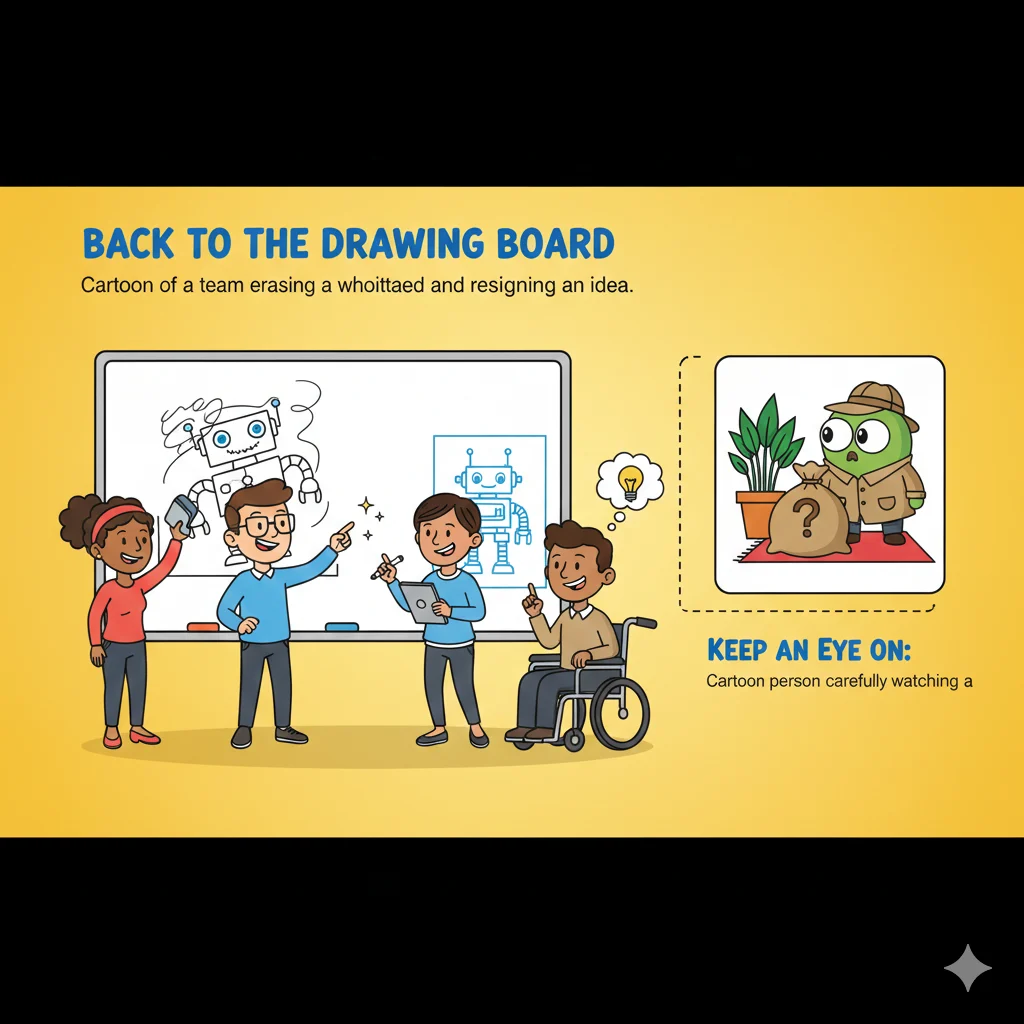
- Please keep an eye on my phone while I’m gone.
Common error
❌ Keep eyes on
✅ Keep an eye on
Usage note
Used in casual and professional English.
👁️ In the Blink of an Eye
Word-by-word meaning
- Blink = close eyes quickly
Idiomatic/figurative meaning
Very quickly.
Example sentences

- The show ended in the blink of an eye.
Common error
Using it for long actions.
Usage note
Often used for sudden events.
👁️ Turn a Blind Eye
Word-by-word meaning
- Blind = unable to see
Idiomatic/figurative meaning
To ignore something intentionally.
Example sentences
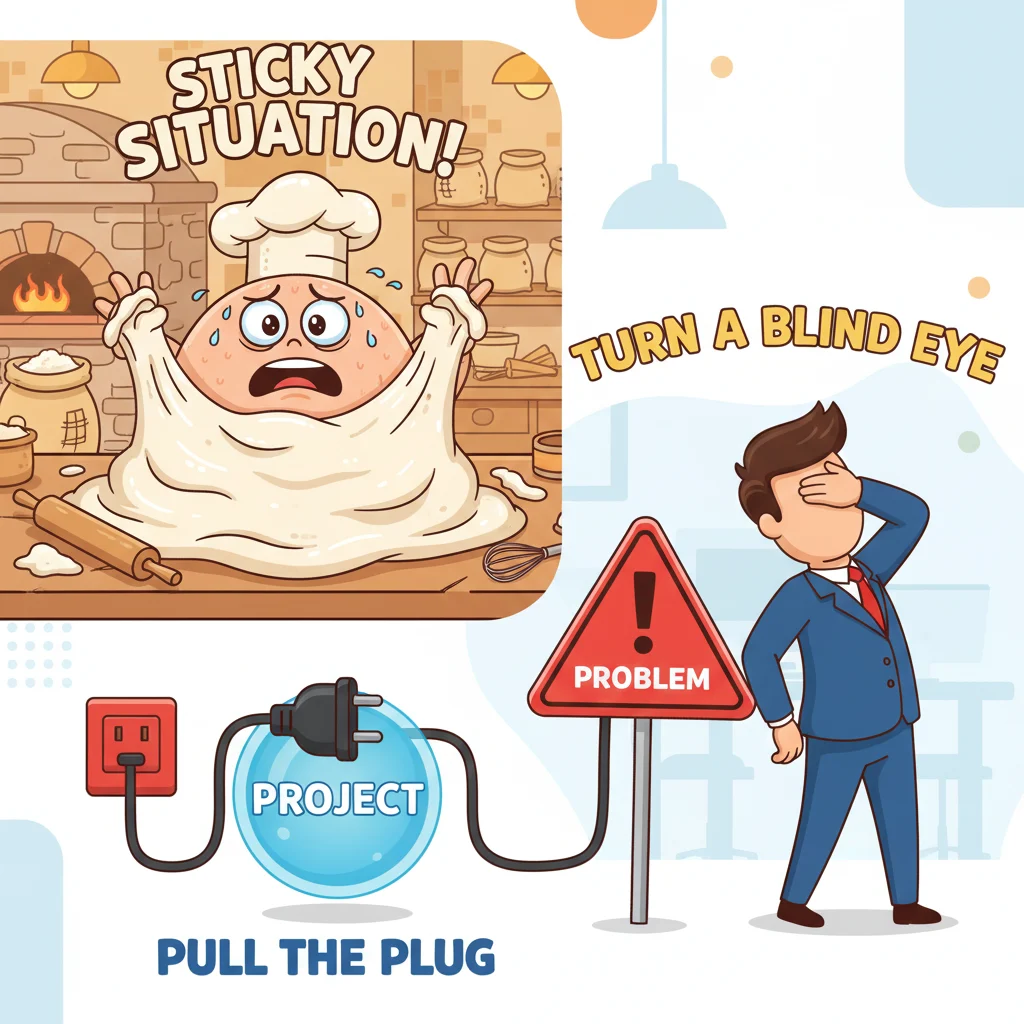
- The manager turned a blind eye to mistakes.
Common error
Confusing with “close your eyes.”
Usage note
Often used for rules or problems.
👁️ Eye to Eye
Word-by-word meaning
- Eye = vision
- Eye = vision
Idiomatic/figurative meaning
To agree completely.
Example sentences
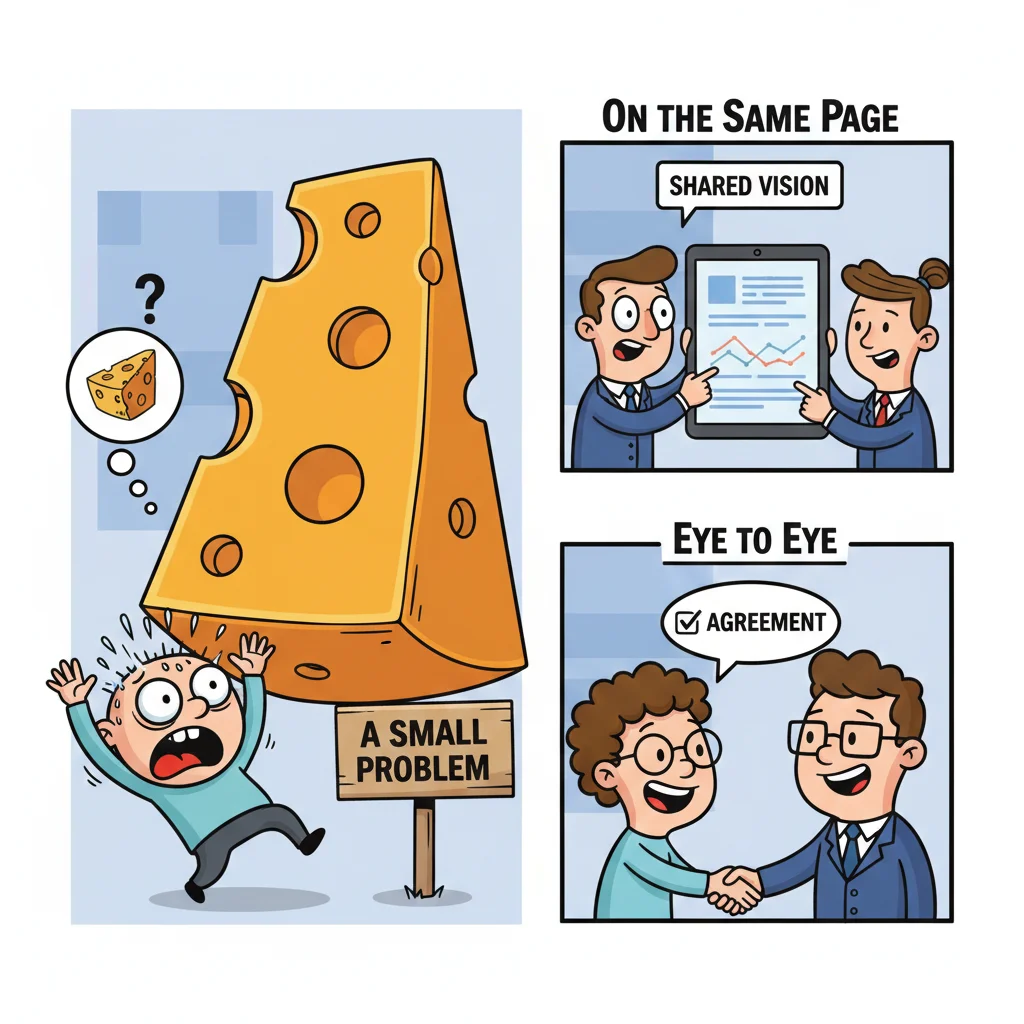
- We don’t see eye to eye on this issue.
Common error
Using “eyes to eyes.”
Usage note
Often used in disagreements.
👁️ Catch Someone’s Eye
Word-by-word meaning
- Catch = attract
Idiomatic/figurative meaning
To attract attention.
Example sentences

- That red dress caught my eye.
Common error
Using it only for people.
Usage note
Can refer to objects too.
👁️ See Eye to Eye
Word-by-word meaning
Same as eye to eye.
Idiomatic/figurative meaning
To agree.
Example sentences
- They see eye to eye on politics.
Common error
Mixing tense incorrectly.
Usage note
Very common in spoken English.
👁️ Open Someone’s Eyes
Word-by-word meaning
- Open = make aware
Idiomatic/figurative meaning
To make someone realize the truth.
Example sentences
- Travel opened my eyes.
Common error
Using literal meaning only.
Usage note
Used for learning experiences.
👁️ Eagle Eye
Word-by-word meaning
- Eagle = sharp vision
Idiomatic/figurative meaning
Very sharp observation.
Example sentences
- She has an eagle eye for detail.
Common error
Using “eagles eye.”
Usage note
Complimentary expression.
👁️ Eye-Opening
Word-by-word meaning
- Eye = awareness
Idiomatic/figurative meaning
Surprising or revealing.
Example sentences
- The report was eye-opening.
Common error
Hyphen missing.
Usage note
Used for facts or experiences.
👁️ Have an Eye for
Word-by-word meaning
- Eye = taste
Idiomatic/figurative meaning
To be good at noticing something.
Example sentences
- She has an eye for design.
Common error
Using “eyes for.”
Usage note
Often used for skills.
👁️ More Than Meets the Eye
Word-by-word meaning
- Meets = appears
Idiomatic/figurative meaning
Not as simple as it looks.
Example sentences
- The case has more than meets the eye.
Common error
Wrong tense.
Usage note
Common in explanations.
👁️ Easy on the Eyes
Word-by-word meaning
- Easy = pleasant
Idiomatic/figurative meaning
Attractive or pleasant to look at.
Example sentences
- The website is easy on the eyes.
Common error
Using for sounds.
Usage note
For visuals only.
👁️ In Someone’s Eyes
Word-by-word meaning
- Eyes = opinion
Idiomatic/figurative meaning
According to someone’s view.
Example sentences
- In my eyes, she’s honest.
Common error
Using “by my eyes.”
Usage note
Opinion-based phrase.
👁️ All Eyes on
Word-by-word meaning
- All = everyone
Idiomatic/figurative meaning
Everyone is watching.
Example sentences
- All eyes were on the speaker.
Common error
Missing “were.”
Usage note
Often used in events.
👁️ Watchful Eye
Word-by-word meaning
- Watchful = careful
Idiomatic/figurative meaning
Careful observation.
Example sentences
- The teacher kept a watchful eye.
Common error
Using without article.
Usage note
Formal tone.
👁️ See Something with Your Own Eyes
Word-by-word meaning
Literal seeing.
Idiomatic/figurative meaning
To personally witness.
Example sentences
- I saw it with my own eyes.
Common error
Extra “own.”
Usage note
Used for proof.
👁️ Close One’s Eyes to
Word-by-word meaning
- Close = ignore
Idiomatic/figurative meaning
To ignore intentionally.
Example sentences
- He closed his eyes to the truth.
Common error
Mixing with “turn a blind eye.”
Usage note
Serious situations.
👁️ Eye-Catching
Word-by-word meaning
- Catching = attracting
Idiomatic/figurative meaning
Very noticeable.
Example sentences
- The poster is eye-catching.
Common error
Missing hyphen.
Usage note
Marketing-friendly word.
👁️ Raise Eyebrows
Word-by-word meaning
- Raise = lift
Idiomatic/figurative meaning
Cause surprise or suspicion.
Example sentences
- His comment raised eyebrows.
Common error
Using singular.
Usage note
Informal tone.
👁️ Keep Your Eyes Peeled
Word-by-word meaning
- Peeled = open
Idiomatic/figurative meaning
Stay alert.
Example sentences
- Keep your eyes peeled for updates.
Common error
Using “peel” as verb.
Usage note
Very informal.
FAQs About Idioms About Eyes
Q1: Why are idioms about eyes so common?
Because eyes relate to seeing, noticing, and understanding—key parts of communication.
Q2: Can I use these idioms in exams?
Yes, especially in writing and speaking sections.
Q3: Are eye idioms formal or informal?
Most are neutral; context decides.
Q4: How can I remember idioms easily?
Use them in sentences from daily life.
Q5: Should I translate idioms word by word?
No, focus on figurative meaning.
Conclusion
Idioms about eyes help you sound natural, confident, and expressive in English. Start by choosing five favorites, write your own sentences, and use them in conversations this week. With steady practice, these expressions will become part of your everyday English—clear, sharp, and easy on the ears (and eyes!).

“Iris Murdoch explores the beauty of language and idioms on LearnIdom.com, making learning phrases engaging, memorable, and fun for everyone.”