
Looking for popular French food idioms and expressions related to cooking and meals?
French food idioms are colorful phrases inspired by cuisine, eating habits, and traditional French culture. These expressions are commonly used in conversations to describe emotions, situations, and personality in a creative way.
Popular examples include:
- “bring home the bacon” (earn money for the family)
- “too many cooks spoil the broth” (too many people ruin a task)
- “sell like hotcakes” (sell very quickly)
- “have a lot on your plate” (be very busy)
- “the icing on the cake” (an extra benefit or positive thing)
French-inspired food expressions are widely used in:
- Daily conversations
- Cooking and cultural discussions
- Writing and storytelling
Learning food idioms helps improve vocabulary and makes English sound more natural, fun, and expressive.
This guide provides popular French food idioms with meanings and examples for easy understanding and real-life communication.
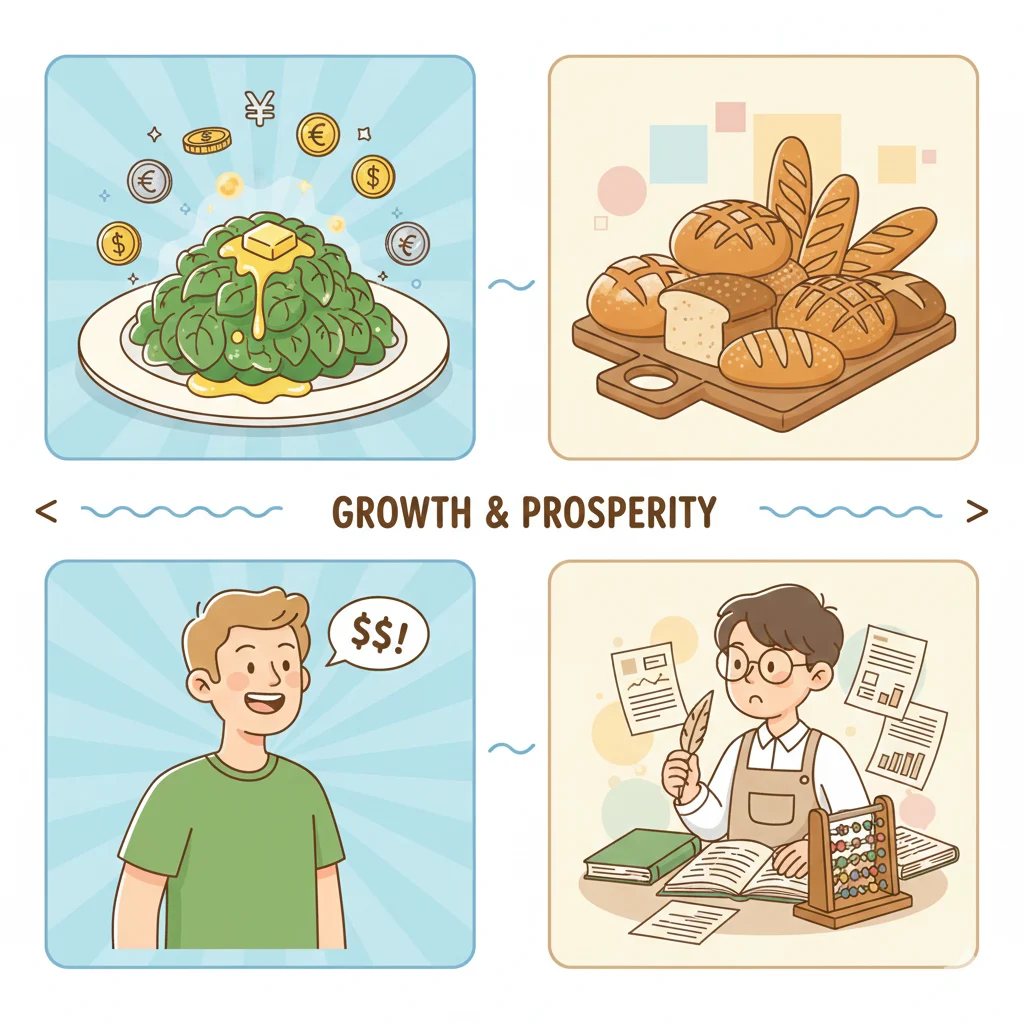
Mettre du beurre dans les épinards
Word-by-word meaning
To put butter on spinach
Idiomatic meaning
To improve one’s financial situation slightly
Example sentences

- This freelance job helps me mettre du beurre dans les épinards.
Common error
Using it for big financial success
Usage note
Used for small but helpful improvements, not getting rich
Avoir la pêche
Word-by-word meaning
To have the peach
Idiomatic meaning
To feel energetic and cheerful
Example sentences

- Today, I ai la pêche after a good night’s sleep.
Common error
Confusing it with eating fruit
Usage note
Very common in spoken French
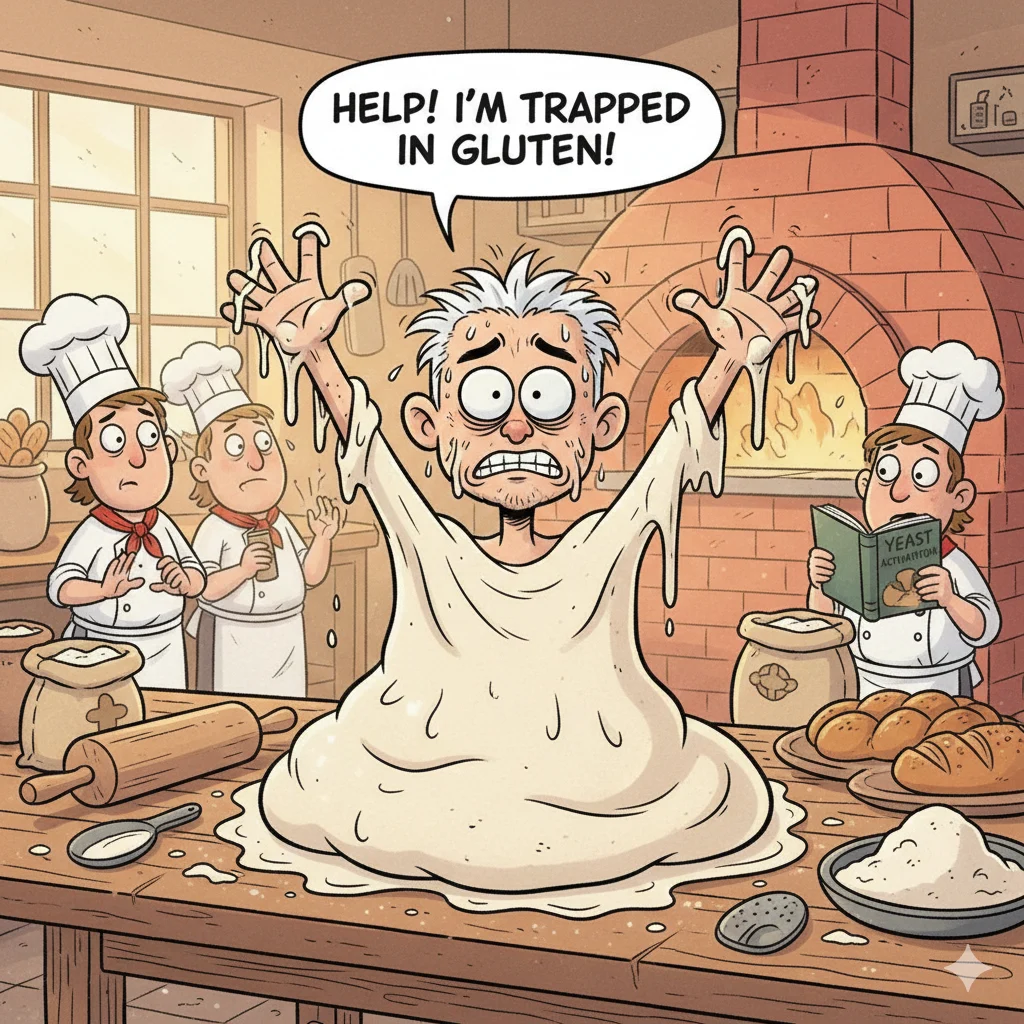
Être dans le pétrin
Word-by-word meaning
To be in the dough
Idiomatic meaning
To be in trouble
Example sentences
- He forgot his passport—now he’s dans le pétrin.
Common error
Using it for minor inconvenience
Usage note
Often used for serious problems
En faire tout un fromage
Word-by-word meaning
To make a whole cheese out of it
Idiomatic meaning
To exaggerate a problem
Example sentences
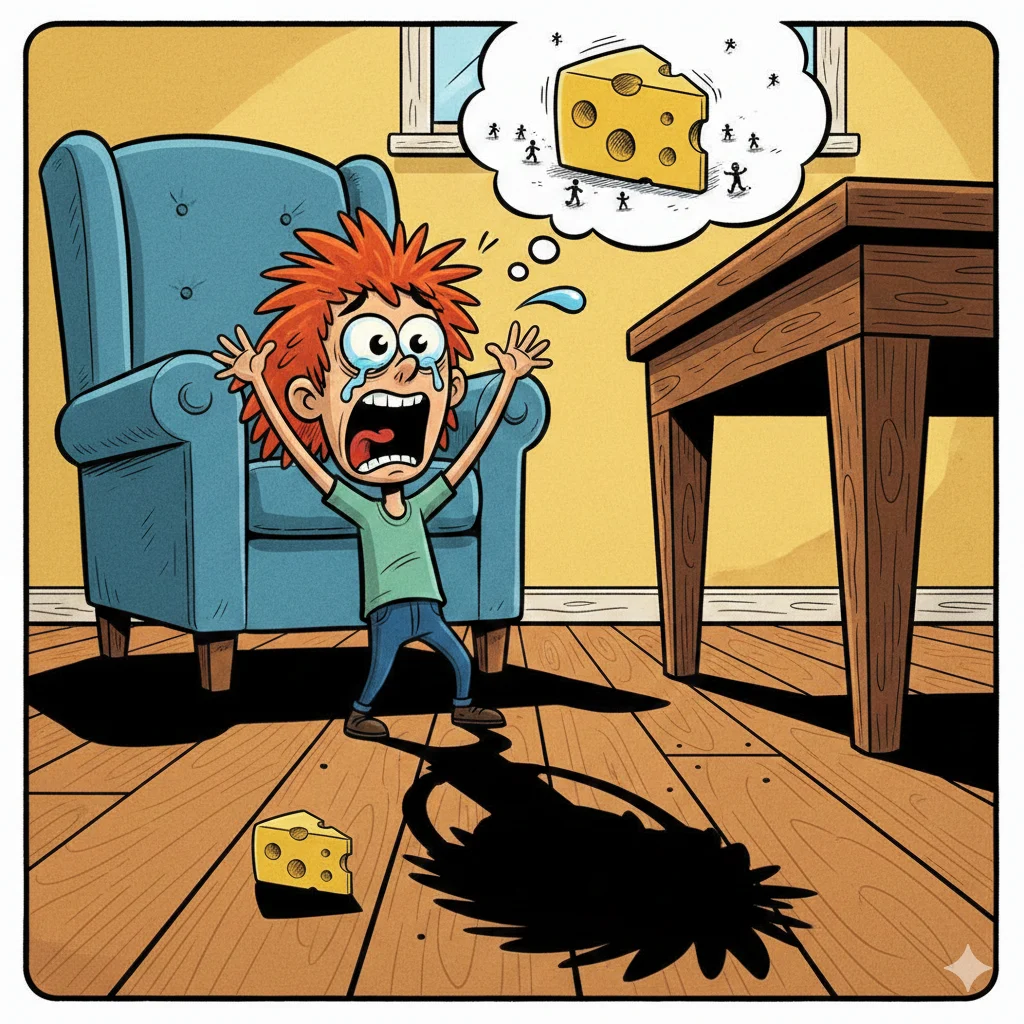
- It’s just a delay—don’t en fais pas tout un fromage.
Common error
Using it positively
Usage note
Informal, conversational
Avoir du pain sur la planche
Word-by-word meaning
To have bread on the board
Idiomatic meaning
To have a lot of work to do
Example sentences
- Exams are coming; we avons du pain sur la planche.
Common error
Using it for finished tasks
Usage note
Neutral, widely used
C’est la fin des haricots
Word-by-word meaning
It’s the end of the beans
Idiomatic meaning
Everything is lost
Example sentences
- Without funding, c’est la fin des haricots.
Common error
Using it jokingly in serious contexts
Usage note
Strong expression
Être soupe au lait
Word-by-word meaning
To be milk soup
Idiomatic meaning
To get angry quickly
Example sentences
- He’s kind but soupe au lait.
Common error
Using it for long-term anger
Usage note
Describes temperament
Mettre les bouchées doubles
Word-by-word meaning
To take double bites
Idiomatic meaning
To speed up efforts
Example sentences
- We must mettre les bouchées doubles before the deadline.
Common error
Using it for eating only
Usage note
Work or study contexts
Ne pas être dans son assiette
Word-by-word meaning
Not to be on one’s plate
Idiomatic meaning
To feel unwell or off
Example sentences
- She’s quiet today; she’s pas dans son assiette.
Common error
Using it only for illness
Usage note
Physical or emotional
Faire chou blanc
Word-by-word meaning
To make white cabbage
Idiomatic meaning
To fail
Example sentences
- I went there but j’ai fait chou blanc.
Common error
Using it for partial success
Usage note
Neutral register
Être haut comme trois pommes
Word-by-word meaning
As tall as three apples
Idiomatic meaning
Very short or very young
Example sentences
- I knew him when he was haut comme trois pommes.
Common error
Using it insultingly
Usage note
Often affectionate
Raconter des salades
Word-by-word meaning
To tell salads
Idiomatic meaning
To lie or exaggerate
Example sentences
- Stop racontant des salades.
Common error
Using it for jokes
Usage note
Informal
Avoir la patate
Word-by-word meaning
To have the potato
Idiomatic meaning
To feel great
Example sentences
- After vacation, j’ai la patate.
Common error
Confusing with avoir la pêche nuance
Usage note
Very positive energy
Mettre son grain de sel
Word-by-word meaning
To add one’s grain of salt
Idiomatic meaning
To give unwanted advice
Example sentences
- He always met son grain de sel.
Common error
Using it positively
Usage note
Slightly critical
Tomber dans les pommes
Word-by-word meaning
To fall into apples
Idiomatic meaning
To faint
Example sentences
- She est tombée dans les pommes.
Common error
Using it for sleep
Usage note
Common spoken French
Casser du sucre sur le dos de quelqu’un
Word-by-word meaning
To break sugar on someone’s back
Idiomatic meaning
To criticize behind someone’s back
Example sentences
- They were cassant du sucre sur son dos.
Common error
Using it publicly
Usage note
Negative context
Être un bon coup de fourchette
Word-by-word meaning
A good fork stroke
Idiomatic meaning
To eat a lot
Example sentences
- He’s un bon coup de fourchette.
Common error
Using it for bad manners
Usage note
Often friendly
Avoir du bol
Word-by-word meaning
To have a bowl
Idiomatic meaning
To be lucky
Example sentences
- You as du bol today!
Common error
Mixing with formal writing
Usage note
Very informal
Être comme un coq en pâte
Word-by-word meaning
Like a rooster in pastry
Idiomatic meaning
To be pampered
Example sentences
- At grandma’s, I’m comme un coq en pâte.
Common error
Using it sarcastically
Usage note
Positive comfort
Faire ses choux gras
Word-by-word meaning
To make one’s fat cabbages
Idiomatic meaning
To benefit greatly
Example sentences
- Media font leurs choux gras of scandals.
Common error
Using it for small gains
Usage note
Neutral to critical
Frequently Asked Questions (FAQs)
Q1: Why are French food idioms so common?
Because food is central to French culture and daily life.
Q2: Are French food idioms formal?
Most are informal and used in everyday conversation.
Q3: Can I use these idioms in exams?
Yes, but only in appropriate writing tasks.
Q4: How can I remember French food idioms easily?
Connect them to real-life situations or funny images.
Conclusion
Learning French food idioms is like adding seasoning to your French—it instantly makes your language richer and more natural. Start by choosing 2–3 idioms, use them in sentences, and listen for them in movies or podcasts. With practice, you’ll stop translating and start thinking in French. Bon appétit… linguistically!

“L.P. Hartley brings classic idioms to life on LearnIdom.com, helping readers explore language with wit, clarity, and timeless insight.”