Have you ever typed “authorise” and wondered if it should be “authorize”? 🤔 You are not alone. This is one of the most common spelling questions in English. Millions of people search for “authorise or authorize” every month because they want to get it right.
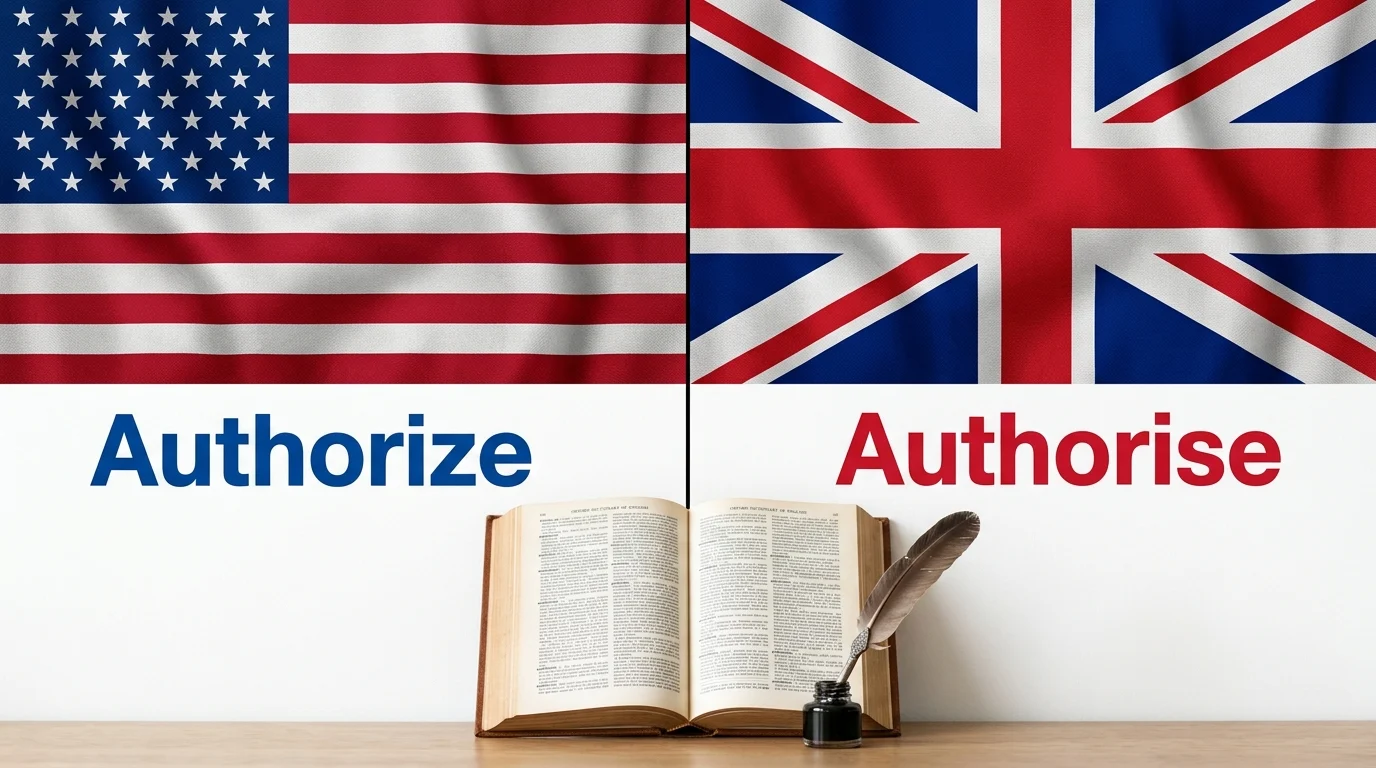
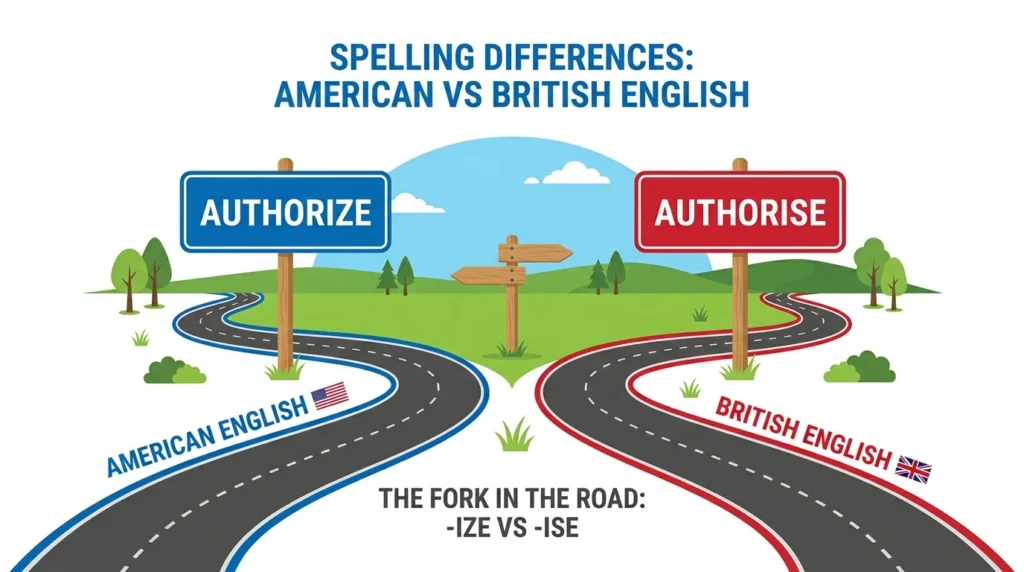
The confusion is simple: both spellings are correct, but they belong to different regions. Authorise is the British spelling. Authorize is the American spelling. The same rule applies to authorisation and authorization.
This article gives you a quick answer, explains the history, and helps you choose the right spelling for your audience. Whether you write emails, legal documents, or social media posts, you will know exactly which form to use. Let’s solve this spelling puzzle together. ✍️
Authorise or Authorize ⚡
Authorize is the standard spelling in American English. Authorise is the standard spelling in British English. Both mean the same thing: to give official permission or power.
Authorise meaning: To give someone official power or permission to do something.
Authorize meaning: Same definition — official permission or power.
Examples:
- 🇺🇸 American: “The manager will authorize the payment today.”
- 🇬🇧 British: “The manager will authorise the payment today.”
Authorise or authorize example (noun forms):
- 🇺🇸 Authorization — “You need authorization to enter.”
- 🇬🇧 Authorisation — “You need authorisation to enter.”
Authorise or authorize synonym: permit, allow, empower, sanction, commission, license, approve.
The Origin of Authorise or Authorize 📜
The word comes from the Latin auctorizare, meaning “to give authority.” It entered English in the Middle Ages through Old French autoriser.
For centuries, English spelling was not standardized. People spelled words however they liked. When dictionaries became popular in the 18th and 19th centuries, two traditions emerged:
- 🇺🇸 Noah Webster (American dictionary) preferred -ize endings
- 🇬🇧 British dictionaries kept many -ise endings from French
So the difference is not about right or wrong. It is about history and regional preference. Both forms have been used for over 400 years.
Authorise or authorize Oxford Dictionary: The Oxford English Dictionary lists authorize as the primary form and accepts authorise as the British variant.
British English vs American English Spelling 🌍
The rule is simple and consistent:
| Region | Verb | Noun | Adjective |
|---|---|---|---|
| 🇺🇸 American English | authorize | authorization | authorized |
| 🇬🇧 British English | authorise | authorisation | authorised |
| 🇦🇺 Australian English | authorise | authorisation | authorised |
| 🇨🇦 Canadian English | authorize | authorization | authorized |
| 🇮🇳 Indian English | authorize | authorization | authorized |
Key Point: American English uses -ize for most words like this: organize, recognize, realize. British English uses -ise: organise, recognise, realise.
⚠️ Important Exception: Some words must always use -ise, even in American English:
advise, arise, compromise, despise, devise, exercise, revise, supervise, surprise.
Authorise or authorize in law: US legal documents use authorize. UK legal documents use authorise. Always follow local court rules.
Which Spelling Should You Use? 🎯
Your choice depends on your audience:
🇺🇸 United States: Use authorize and authorization. 99% of Americans use this.
🇬🇧 UK, Australia, New Zealand: Use authorise and authorisation. Matches local style guides.
🇨🇦 Canada: Use authorize. Canadian English follows American spelling.
🇮🇳 India: Use authorize. Indian English prefers the American form.
🌐 Global audience: Use authorize. It is more common worldwide in digital content.

📚 Style guides:
- Chicago Manual of Style (US) → authorize
- Oxford Style Guide (UK) → authorize (accepts authorise)
- AP Style (US) → authorize
⚖️ Legal writing: Follow the local jurisdiction. US courts use authorize. UK courts use authorise.
Common Mistakes with Authorise or Authorize ❌
Mistake 1: Mixing spellings in one document.
❌ Wrong: “The board will authorise the budget, and then we will get authorization.”
✅ Right: “The board will authorize the budget, and then we will get authorization.” (US)
Mistake 2: Using -ise for words that must use -ize in American English.
❌ Wrong: “Please organise the files.”
✅ Right: “Please organize the files.” (US)
Mistake 3: Thinking one form is incorrect.
Both are correct. Just be consistent.
Mistake 4: Forgetting the noun form.
- authorise → authorisation
- authorize → authorization
Do not mix them.
Mistake 5: Confusing “authorize” with “approve.”
Authorize = give official power. Approve = agree with. They are close but not identical.
Authorise or authorize letter example:
A formal letter might say: “I hereby authorize you to act on my behalf.” (US)
Or: “I hereby authorise you to act on my behalf.” (UK)
Authorise or Authorize in Everyday Examples 📝
📧 In emails:
- US: “Can you authorize this expense report?”
- UK: “Can you authorise this expense report?”
📰 In news headlines:
- US: “Senate Votes to Authorize New Defense Spending”
- UK: “MPs Vote to Authorise Military Action”
📱 On social media:
- “I don’t authorize anyone to use my photos.” (global English)
📄 In formal writing:
- US: “The document requires authorization from the director.”
- UK: “The document requires authorisation from the director.”
⚖️ In legal documents:
- US contract: “The parties hereby authorize the arbitrator to decide.”
- UK contract: “The parties hereby authorise the arbitrator to decide.”
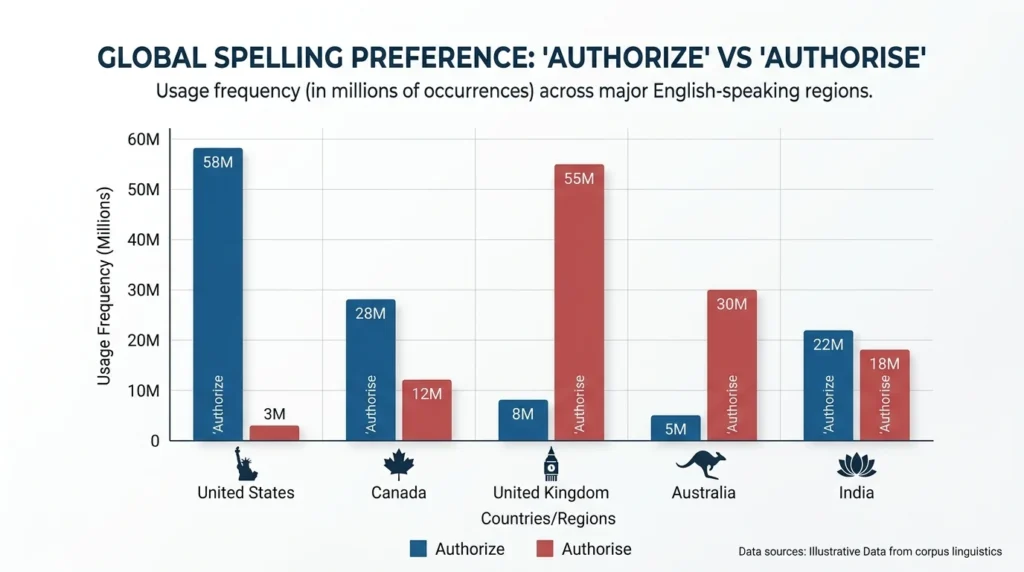
Authorise or Authorize – Google Trends & Usage Data 📊
| Country | Prefers “Authorize” | Prefers “Authorise” |
|---|---|---|
| 🇺🇸 United States | 99% | 1% |
| 🇬🇧 United Kingdom | 27% | 73% |
| 🇦🇺 Australia | 37% | 63% |
| 🇨🇦 Canada | 94% | 6% |
| 🇮🇳 India | 62% | 38% |
| 🇳🇿 New Zealand | 43% | 57% |
| 🇮🇪 Ireland | 42% | 58% |
What this tells us: Authorize dominates in the Americas and Asia. Authorise is stronger in the UK, Australia, and New Zealand. But even there, authorize is not rare. The gap is shrinking because of global media and the internet.
Frequently Asked Questions ❓
Q1: Is “authorise” or “authorize” correct?
Both are correct. Authorize is American. Authorise is British. Choose based on your audience.
Q2: What is the meaning of authorise?
Authorise means to give official permission or power to someone. It is the British spelling of authorize.
Q3: What does “authorize” mean?
Authorize means to grant official permission, power, or approval. Example: “The president can authorize military action.”
Q4: What does authorisation mean?
Authorisation is the British noun form. It means the act of giving official permission or the document that proves permission.
Q5: What is the difference between authorisation and permission?
Permission is a general term for being allowed to do something. Authorisation is more formal and official. It often involves a person or institution with the power to grant it.
Q6: Which spelling does the Oxford Dictionary prefer?
The Oxford Dictionary lists authorize as the main entry. It accepts authorise as the British variant.
Q7: Does Google prefer one spelling?
Google does not have a preference. It understands both. But for SEO, authorize has slightly more global search volume.
Q8: Can I use “authorise” in American English?
Yes, but it will look unusual to American readers. Most US style guides recommend authorize.
Conclusion ✅
The authorise or authorize question has a simple answer: both are correct. Authorize is for American English. Authorise is for British English. The same rule applies to authorization and authorisation. Your choice should depend on your audience.
If you write for Americans, use authorize. If you write for British, Australian, or New Zealand readers, use authorise. For global content, authorize is the safer choice because it is more widely recognized. Remember to be consistent.
Do not mix spellings in the same document. Also, check your style guide if you have one. In legal writing, follow the local jurisdiction. Now you can write with confidence. You know the rule, the history, and the practical advice. No more spelling confusion. ✅

“Elizabeth Bowen shares timeless idioms and language wisdom on LearnIdom.com, making learning phrases fun, easy, and unforgettable.”