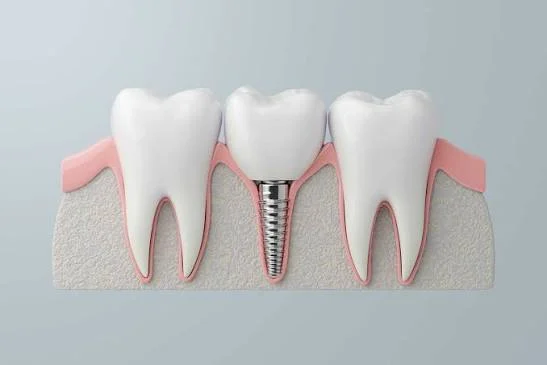
Are you reluctant to smile confidently in public just because of your one missing tooth? Then don’t worry; head toward a solution. Dental Implants are the most effective way to replace missing teeth and will help you restore them in the easiest way possible. Although it is a very successful procedure almost upto 95% but also to ensure a seamless restoration, you should follow your doctor’s instructions carefully. The results are completely dependent on the precision of the procedure and the quality of the materials used during surgery.
If you are well aware of the factors that contribute to the success of the dental implants, then by avoiding such practices, you can ensure a stable recovery. In this article, I am going to discuss such parameters that are good for dental implant success. So, be a part of this informative journey and read this article till the end.
1. Jawbone Density and Volume
The most important part of a dental implant’s procedure is osseointegration, because at this stage the titanium implant is physically attached to the living bone. In these steps, these two must be kept in mind for smooth implants:
- Sufficient Bone Height and Density: For this, there should be enough space in your jawbone to hold the implant strongly.
- Impact of Bone Loss: In some cases, when the patient has a history of long-term tooth loss, healing is quite difficult, as they suffer from bone resorption. So, in such a scenario, bone grafting should be performed prior to osseointegration.
2. Overall Systemic Health
We all know that in the end, it’s always our body that supports us in healing after every procedure. If there is any problem in the normal functioning of the blood circulation and immune system, then it may affect implant recovery.
- Uncontrolled Diabetes: If someone has diabetes, then the implant success is at risk, because the high sugar level interferes with tissue regeneration and ultimately causes infection at the surgical site.
- Autoimmune Disorders: In the case of rheumatoid arthritis, bone health is already at risk, and this affects the bone infusion and causes delays.
- Osteoporosis Medications: If the patient is taking any kind of medications, especially those that can affect bone health, then they should be taken into consideration. This can be harmful to the proper healing of the dental implants.
3. The Scope of Comprehensive Implant Dentistry
Comprehensive Implant Dentistry is considered as the best approach, as it not only pays attention to the missing tooth gap, but it also makes sure the whole oral ecosystem of the patient should be examined carefully. That’s why it includes the skills, expertise, and diagnostic approach of the whole clinical team.
In Comprehensive Implant Dentistry, they introduce an advanced level of treatment by incorporating 3D cone beam computed tomography scans, which helps in surveying the locations of the nerves, bone density, and the alignment of the bite prior to finalizing the incisions. This approach aids in successful dental implants as it helps the dentist to evaluate the exact positioning of the dental implants, which also ensures that the crown would be able to bear the biting force evenly.
4. Lifestyle Habits: Smoking and Alcohol Consumption
Lifestyle is also one of the most influential factors when it comes to the failure of dental implants. Your choices can significantly affect the environment of your mouth and ultimately the healing journey.
- Tobacco Use: Smoking is strictly prohibited after dental implants because it disturbs the microvascular blood flow towards the mucosal tissues, which also disturbs tissue repair by stopping the delivery of essential nutrients. Also, it is scientifically proven that those who smoke are most likely to suffer from peri-implantitis as compared to non-smokers.
- Heavy Alcohol Usage: Alcohol consumption is also one of the biggest factors that can cause the failure of dental implants, as it can cause blood clotting and attack the immune system, which affects bone density regulation negatively.
5. Surgical Precision and Implant Quality
The surgical precision also predicts the future recovery and healing of the dental implants. The initial stability is completely dependent on the precision of the surgical procedure.
- Implant Materials: First of all, the material should be of high quality. For this, titanium and zirconia are preferred because they are biocompatible and they also lower the adverse reactions of tissue.
- Primary Stability: After the procedure, during the initial healing due to the mechanical locks the micro movement is very difficult. So, to achieve this, primary stability is necessary, which also helps in bone attachment.
Final Thoughts
If you will get your dental implants done by a team who is expert in Comprehensive Implant Dentistry, then the chances of failure are reduced to almost zero percent. So, to make your efforts worth it you should always follow the instructions for proper healing and recovery of your dental implants. Make your decision wisely and restore your beautiful smile permanently.

“Elizabeth Bowen shares timeless idioms and language wisdom on LearnIdom.com, making learning phrases fun, easy, and unforgettable.”