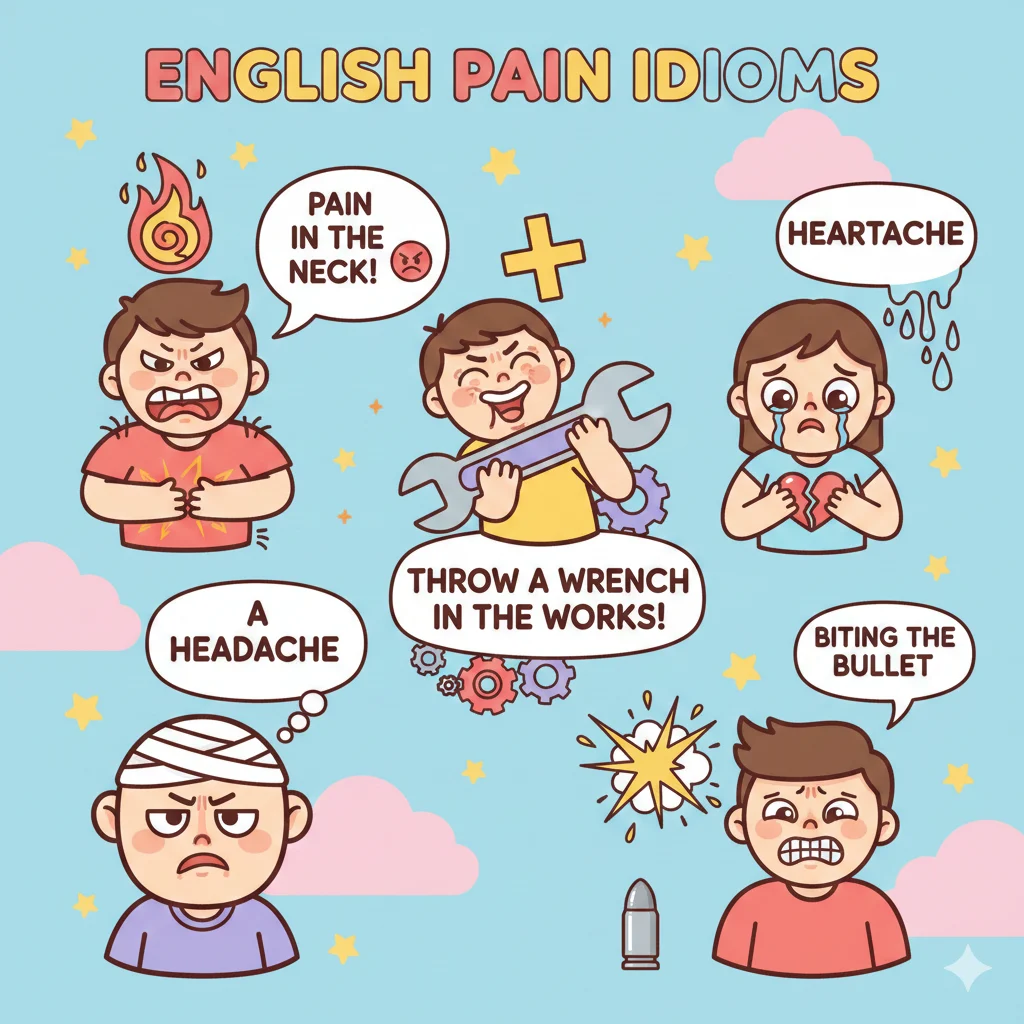
Pain is something everyone understands—whether it’s physical, emotional, or mental. That’s why pain idioms in English are used so often in daily conversations. From stressful workdays to difficult relationships, English speakers describe problems using pain-related expressions all the time.
I still remember hearing someone say, “This paperwork is a real pain in the neck,” and wondering what a neck had to do with office work. 😅 That’s when I realized idioms don’t mean what they say literally.
In this article, you’ll learn 20 famous pain idioms with clear meanings, real-life examples, common mistakes, and usage notes. By the end, you’ll understand native speakers better—and sound more natural yourself.
😣 A Pain in the Neck
Word-by-Word Meaning
Something that hurts your neck
Idiomatic / Figurative Meaning
A very annoying person or thing
Example Sentences
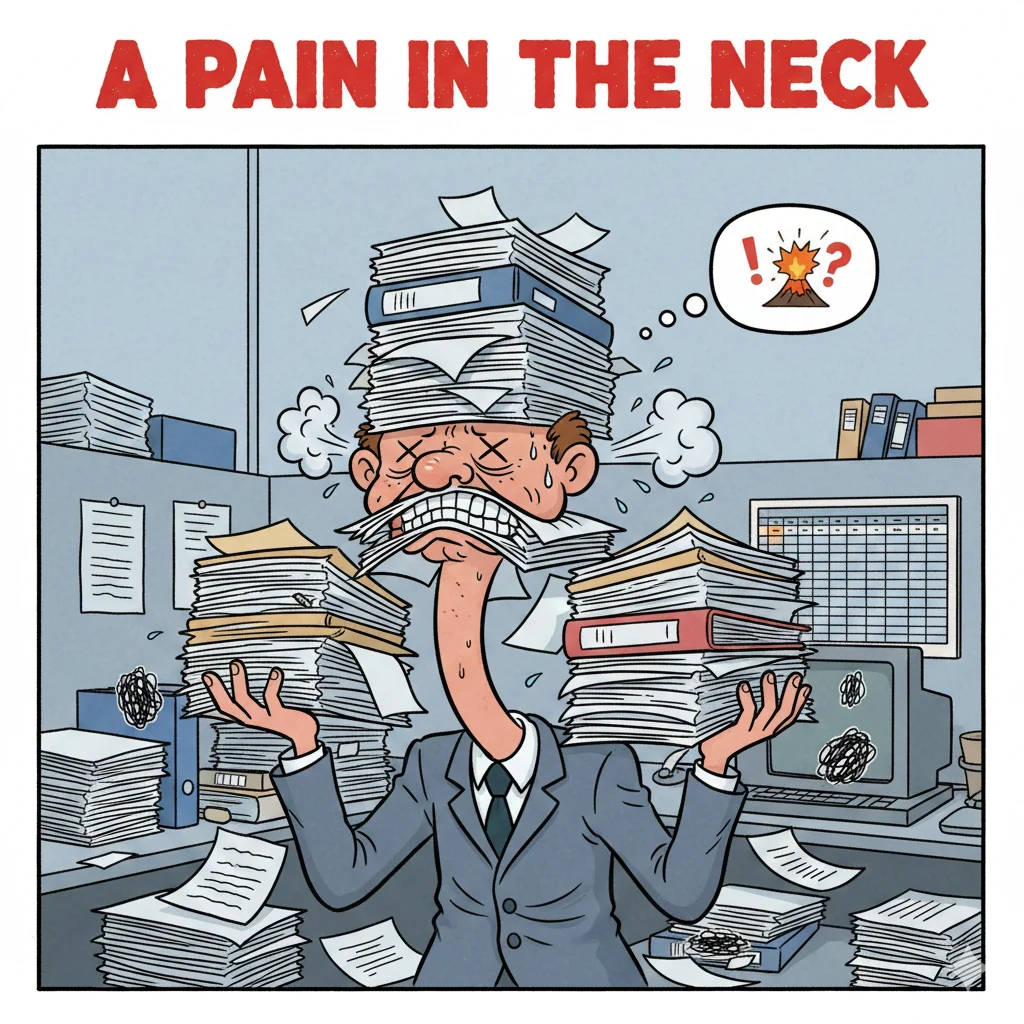
- This slow internet is a pain in the neck.
- He’s nice, but his habits are a pain in the neck.
Common Error
❌ Using it for physical pain only
Usage Note
Informal; can also be pain in the back/neck
😖 No Pain, No Gain
Word-by-Word Meaning
No benefit without pain
Idiomatic Meaning
Success requires hard work
Example Sentences
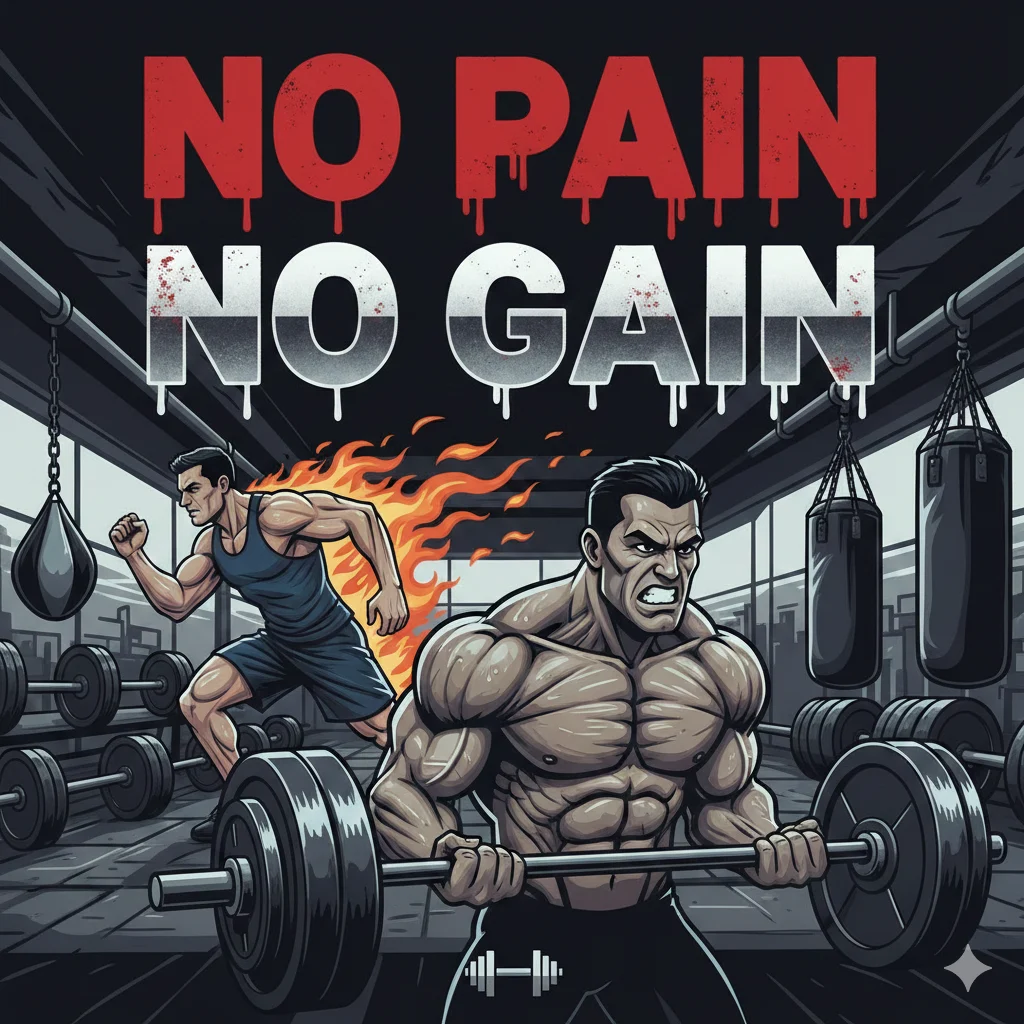
- Training is hard, but no pain, no gain.
Common Error
❌ Using it for emotional pain situations
Usage Note
Common in fitness and motivation
😩 Feel Someone’s Pain
Word-by-Word Meaning
Experience someone else’s pain
Idiomatic Meaning
Understand someone’s suffering
Example Sentences
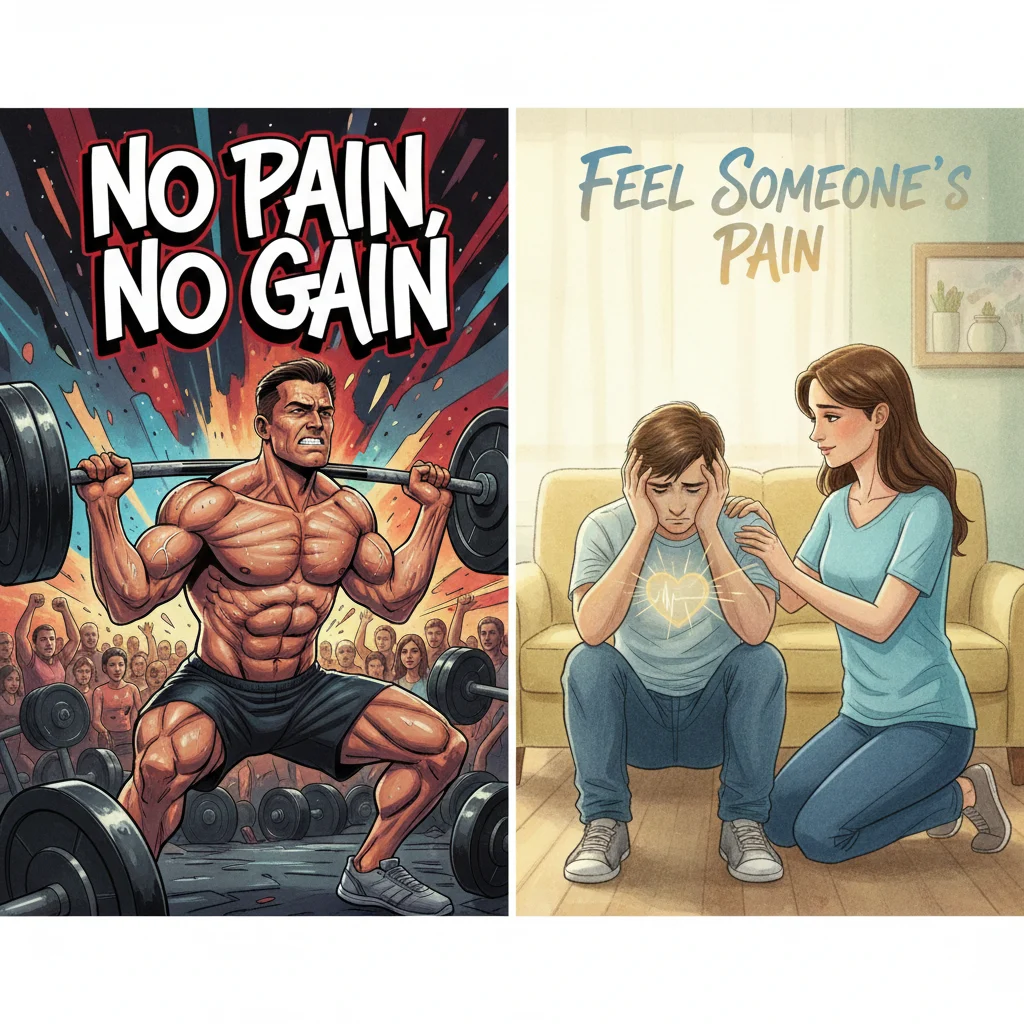
- I feel your pain after that tough exam.
Common Error
❌ Using sarcastically in serious moments
Usage Note
Shows empathy
😬 A Pain in the Backside
Word-by-Word Meaning
Pain in the back
Idiomatic Meaning
Very irritating problem or person
Example Sentences
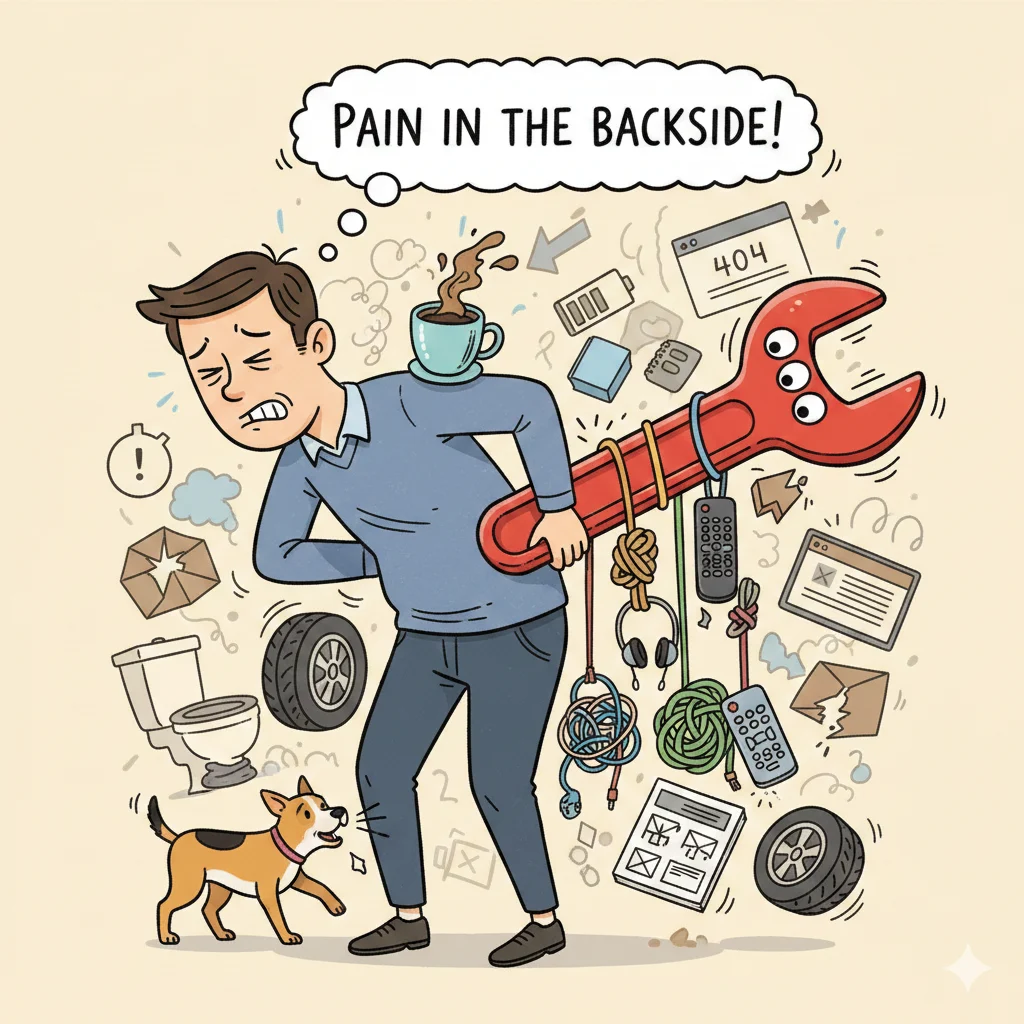
- Paperwork is a pain in the backside.
Common Error
❌ Using it in very formal writing
Usage Note
British English; informal
😢 Hurt Like Hell
Word-by-Word Meaning
Pain like hell
Idiomatic Meaning
Extremely painful
Example Sentences

- My leg hurt like hell after the fall.
Common Error
❌ Using it in polite/formal speech
Usage Note
Strong informal expression
😣 Rub Salt into the Wound
Word-by-Word Meaning
Add salt to an injury
Idiomatic Meaning
Make a bad situation worse
Example Sentences
- Laughing at him just rubbed salt into the wound.
Common Error
❌ Using for physical wounds
Usage Note
Used for emotional pain
😖 In Deep Pain
Word-by-Word Meaning
Severe pain
Idiomatic Meaning
Emotionally distressed
Example Sentences
- She was in deep pain after the loss.
Common Error
❌ Confusing with medical usage
Usage Note
Often emotional or mental
😩 Cry One’s Eyes Out
Word-by-Word Meaning
Cry until eyes are gone
Idiomatic Meaning
Cry very hard
Example Sentences
- She cried her eyes out all night.
Common Error
❌ Taking it literally
Usage Note
Very common in storytelling
😬 Bear the Pain
Word-by-Word Meaning
Carry pain
Idiomatic Meaning
Endure suffering patiently
Example Sentences
- He learned to bear the pain silently.
Common Error
❌ Using “bare” instead of “bear”
Usage Note
Formal and informal both
😢 Heartache
Word-by-Word Meaning
Pain in the heart
Idiomatic Meaning
Emotional suffering
Example Sentences
- The breakup caused deep heartache.
Common Error
❌ Using it for physical heart pain
Usage Note
Very emotional expression
😖 A Painful Truth
Word-by-Word Meanin
Truth that hurts
Idiomatic Meaning
Reality that is hard to accept
Example Sentences
- It was a painful truth, but necessary.
Common Error
❌ Confusing with physical pain
Usage Note
Used in serious discussions
😣 Feel the Sting
Word-by-Word Meaning
Feel a sharp pain
Idiomatic Meaning
Experience negative effects
Example Sentences
- Businesses felt the sting of inflation.
Common Error
❌ Using only for insects
Usage Note
Often financial or emotional
😬 Go Through the Pain Barrier
Word-by-Word Meaning
Cross pain limit
Idiomatic Meaning
Push beyond limits
Example Sentences
- Athletes push through the pain barrier.
Common Error
❌ Using casually
Usage Note
Motivational tone
😢 Tear-Jerker
Word-by-Word Meaning
Something that causes tears
Idiomatic Meaning
Very emotional story or movie
Example Sentences
- That movie was a real tear-jerker.
Common Error
❌ Using it for real-life events
Usage Note
Entertainment-related
😖 Suffer in Silence
Word-by-Word Meaning
Endure pain quietly
Idiomatic Meaning
Hide pain from others
Example Sentences
- He suffered in silence for years.
Common Error
❌ Using it for short problems
Usage Note
Serious and emotional
😬Painstaking Effort
Word-by-Word Meaning
Work done with pain
Idiomatic Meaning
Very careful and detailed work
Example Sentences
- She made a painstaking effort to succeed.
Common Error
❌ Using it negatively
Usage Note
Positive, professional tone
😣 Feel the Pain
Word-by-Word Meaning
Experience pain
Idiomatic Meaning
Face consequences
Example Sentences
- The company will feel the pain of losses.
Common Error
❌ Repeating with “feel pain”
Usage Note
Business and life contexts
😖 A World of Pain
Word-by-Word Meaning
Entire world full of pain
Idiomatic Meaning
Serious trouble ahead
Example Sentences
- Ignore rules and you’re in a world of pain.
Common Error
❌ Using it lightly
Usage Note
Warning tone
😢 Pain Runs Deep
Word-by-Word Meaning
Pain goes deep
Idiomatic Meaning
Long-lasting emotional pain
Example Sentences
- The betrayal ran deep.
Common Error
❌ Using for small issues
Usage Note
Strong emotional phrase
😬 Ease the Pain
Word-by-Word Meaning
Reduce pain
Idiomatic Meaning
Make suffering less intense
Example Sentences
- Talking helped ease the pain.
Common Error
❌ Confusing with “end pain”
Usage Note
Very common and gentle
❓ FAQs About Pain Idioms
1. Why are pain idioms so common in English?
Because pain is a universal human experience.
2. Are pain idioms used in exams like IELTS?
Yes, especially in listening and speaking.
3. Can beginners learn idioms easily?
Yes—start with common ones and practice daily.
4. Are these idioms formal?
Most are informal, some fit professional contexts.
5. How can I remember idioms better?
Use them in sentences and real situations.
🎯 Conclusion
Learning pain idioms in English helps you understand emotions, struggles, and real-life conversations more deeply. Don’t just memorize—use them when talking, writing, or even thinking in English. Start with 2–3 idioms today, and soon your English will feel more natural and expressive. Keep practicing—you’ve got this

“Elizabeth Bowen shares timeless idioms and language wisdom on LearnIdom.com, making learning phrases fun, easy, and unforgettable.”