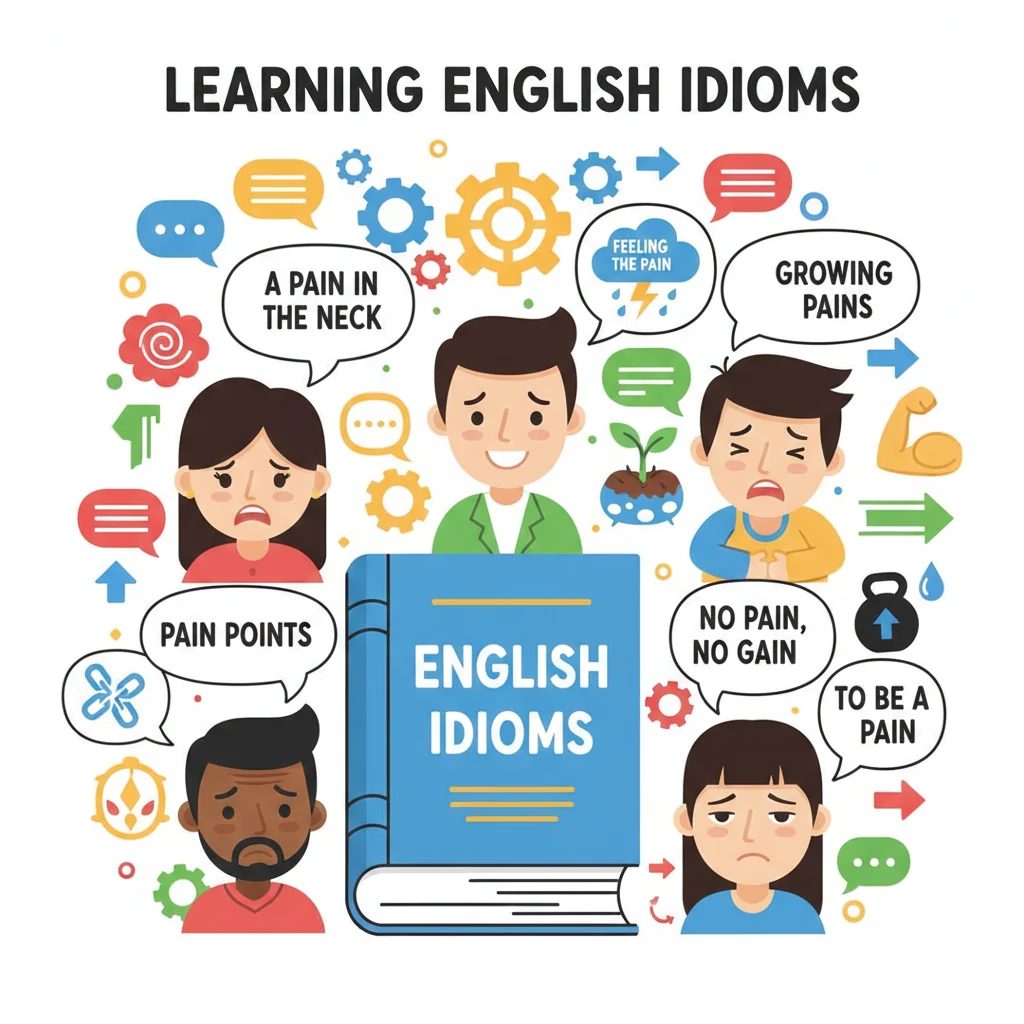
Free idioms are commonly used English expressions that learners can study and practice without cost to improve vocabulary, speaking, writing, and comprehension skills. These figurative phrases have meanings that differ from the literal meanings of the individual words, making them an essential part of fluent English communication.
Popular free idioms with meanings and examples include “piece of cake,” “break the ice,” “spill the beans,” “once in a blue moon,” and “under the weather.” Learning English idioms helps students, teachers, writers, and language learners understand native speakers, communicate more naturally, and build confidence in everyday conversations.
Whether you’re looking for common idioms, idiom examples, or free learning resources, this guide covers the most popular free idioms, their meanings, usage, and practical examples.
Break the Ice
Word-by-Word Meaning
Break something frozen
Idiomatic / Figurative Meaning
To start a conversation and reduce tension
Example Sentences
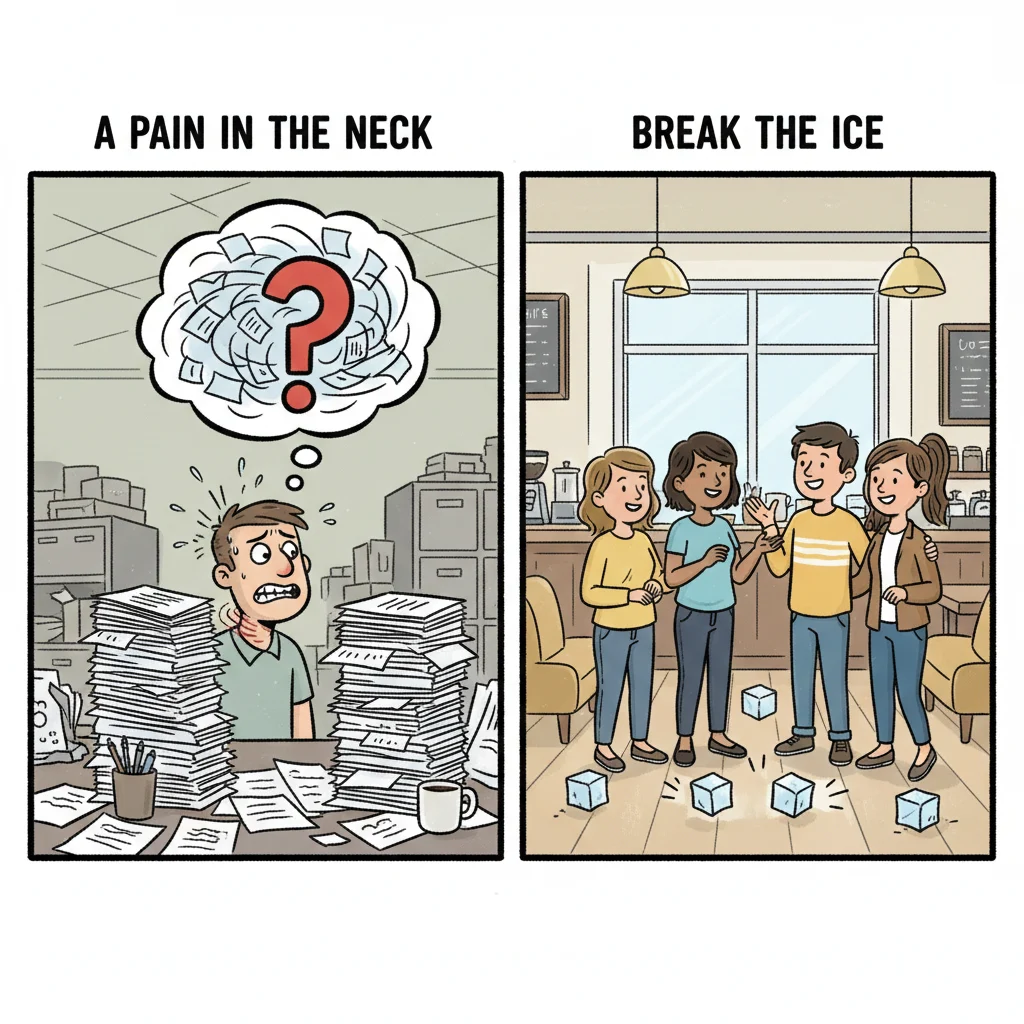
- He told a joke to break the ice.
- Games help break the ice in meetings.
Common Error
❌ Using it for physical ice
Usage Note
Used in social and professional settings
Once in a Blue Moon
Word-by-Word Meaning
A blue moon appears rarely
Idiomatic Meaning
Something that happens very rarely
Example Sentences

- I eat fast food once in a blue moon.
Common Error
❌ Using it for frequent events
Usage Note
Often used with habits or events
A Piece of Cake
Word-by-Word Meaning
A slice of cake
Idiomatic Meaning
Something very easy
Example Sentences
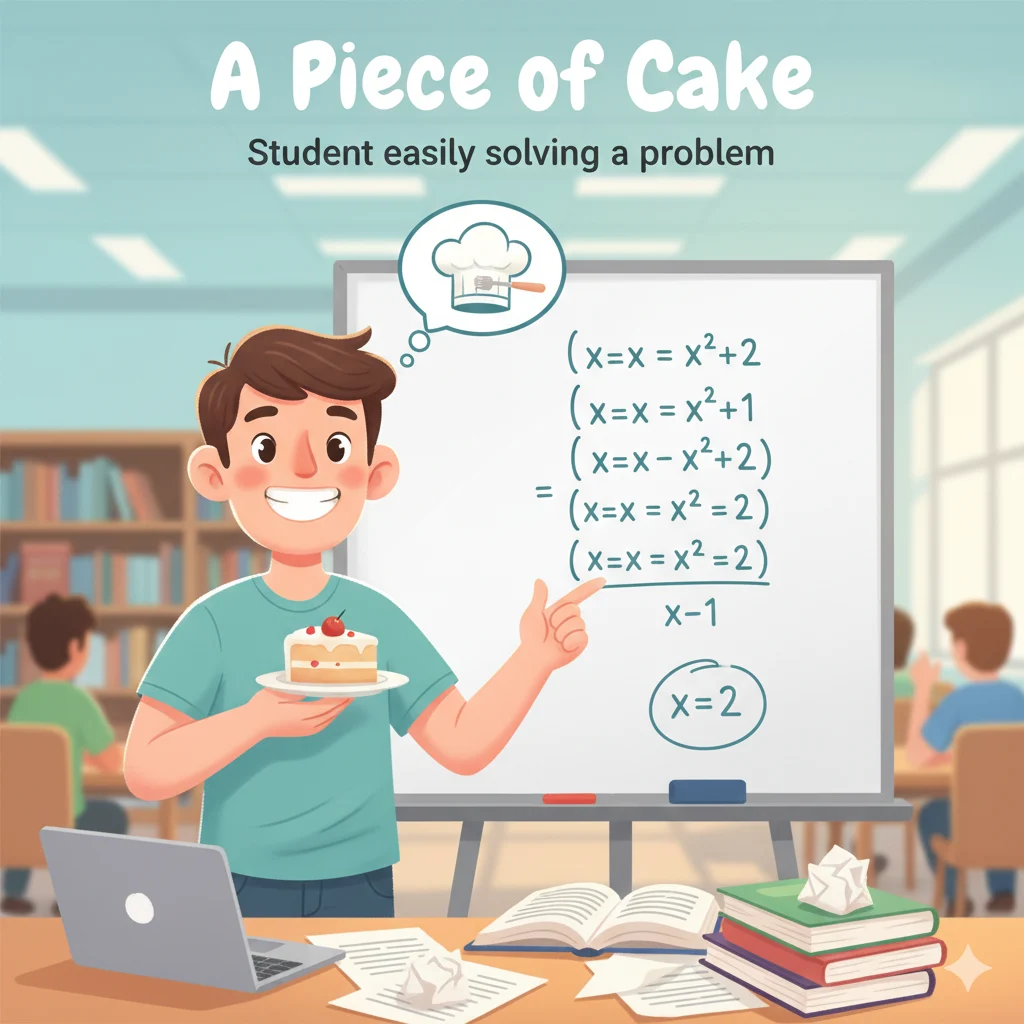
- The exam was a piece of cake.
Common Error
❌ Using it for food discussions
Usage Note
Very common in spoken English
Hit the Nail on the Head
Word-by-Word Meaning
Hit a nail correctly
Idiomatic Meaning
Say something exactly right
Example Sentences

- You hit the nail on the head!
Common Error
❌ Changing the verb form incorrectly
Usage Note
Used when agreeing strongly
Let the Cat Out of the Bag
Word-by-Word Meaning
Release a cat from a bag
Idiomatic Meaning
Reveal a secret
Example Sentences
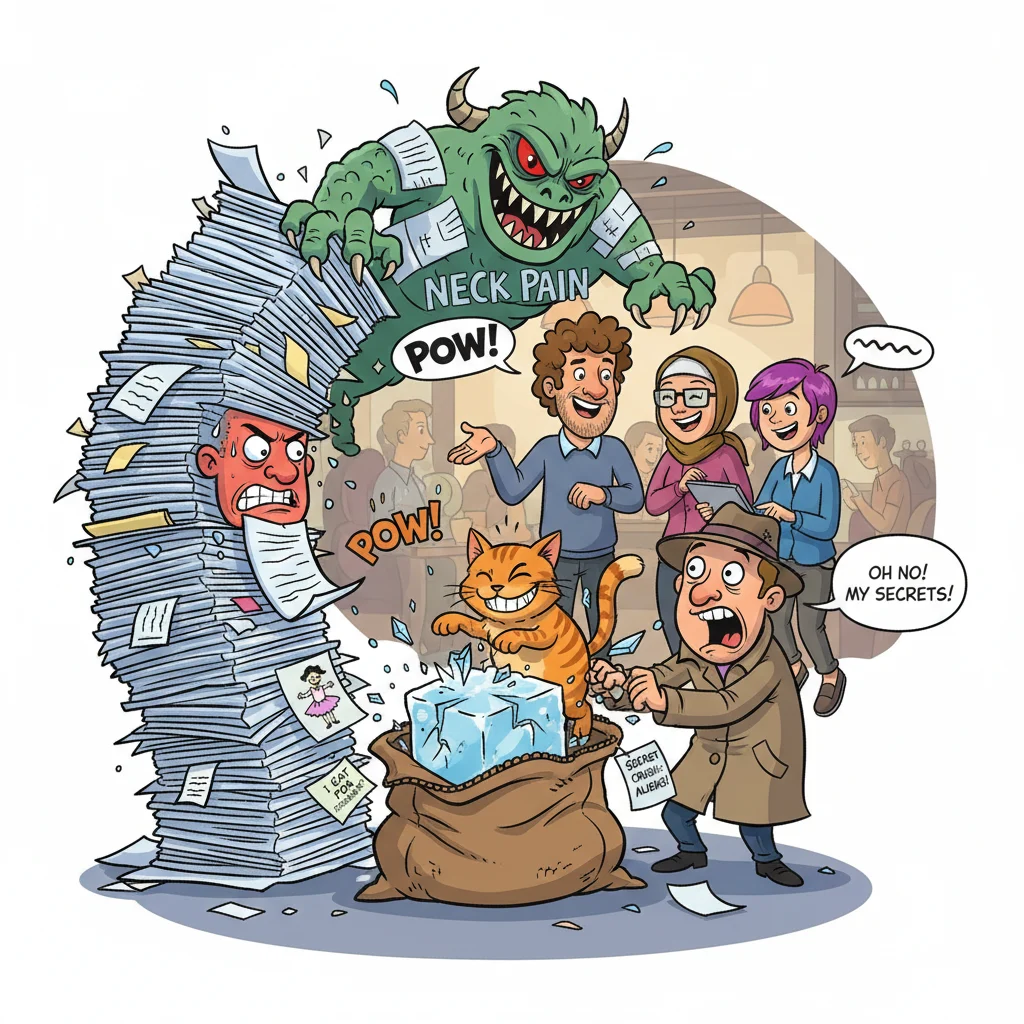
- She let the cat out of the bag.
Common Error
❌ Using it intentionally
Usage Note
Usually accidental disclosure
Under the Weather
Word-by-Word Meaning
Below the weather
Idiomatic Meaning
Feeling sick or unwell
Example Sentences
- I’m feeling under the weather today.
Common Error
❌ Using it for bad weather
Usage Note
Polite way to say “sick”
Spill the Beans
Word-by-Word Meaning
Drop beans
Idiomatic Meaning
Reveal secret information
Example Sentences
- Who spilled the beans?
Common Error
❌ Confusing with “let the cat out”
Usage Note
Informal usage
Cost an Arm and a Leg
Word-by-Word Meaning
Lose limbs
Idiomatic Meaning
Very expensive
Example Sentences
- That phone costs an arm and a leg.
Common Error
❌ Using literal meaning
Usage Note
Strong exaggeration
Bite the Bullet
Word-by-Word Meaning
Bite a bullet
Idiomatic Meaning
Face a difficult situation bravely
Example Sentences
- I bit the bullet and apologized.
Common Error
❌ Using it for violence
Usage Note
Used for tough decisions
Beat Around the Bush
Word-by-Word Meaning
Hit bushes
Idiomatic Meaning
Avoid the main topic
Example Sentences
- Stop beating around the bush.
Common Error
❌ Using “beat the bush”
Usage Note
Often slightly critical
Burn the Midnight Oil
Word-by-Word Meaning
Burn oil at night
Idiomatic Meaning
Work late into the night
Example Sentences
- She burned the midnight oil for exams.
Common Error
❌ Using for daytime work
Usage Note
Common in student life
The Ball Is in Your Court
Word-by-Word Meaning
Ball in your playground
Idiomatic Meaning
It’s your decision or responsibility
Example Sentences
- I’ve done my part—the ball is in your court.
Common Error
❌ Using in passive situations
Usage Note
Used in negotiations
Pull Someone’s Leg
Word-by-Word Meaning
Pull a leg
Idiomatic Meaning
Joke or tease someone
Example Sentences
- Relax, I’m just pulling your leg.
Common Error
❌ Using it seriously
Usage Note
Friendly humor
On Cloud Nine
Word-by-Word Meaning
Standing on a cloud
Idiomatic Meaning
Extremely happy
Example Sentences
- She’s on cloud nine after promotion.
Common Error
❌ Mixing with “cloud seven”
Usage Note
Positive emotion
Kill Two Birds with One Stone
Word-by-Word Meaning
One stone, two birds
Idiomatic Meaning
Achieve two goals at once
Example Sentences
- Walking saves money and exercise—two birds!
Common Error
❌ Changing numbers
Usage Note
Widely used idiom
A Blessing in Disguise
Word-by-Word Meaning
Hidden blessing
Idiomatic Meaning
Something bad that turns out good
Example Sentences
- Losing that job was a blessing in disguise.
Common Error
❌ Using immediately after event
Usage Note
Used after results appear
Cut Corners
Word-by-Word Meaning
Cut corners
Idiomatic Meaning
Do something cheaply or carelessly
Example Sentences
- Don’t cut corners on quality.
Common Error
❌ Confusing with saving time
Usage Note
Often negative
Back to the Drawing Board
Word-by-Word Meaning
Return to planning board
Idiomatic Meaning
Start again after failure
Example Sentences
- The plan failed—back to the drawing board.
Common Error
❌ Using it mid-process
Usage Note
Used after failure
Speak of the Devil
Word-by-Word Meaning
Mention the devil
Idiomatic Meaning
The person talked about appears
Example Sentences
- Speak of the devil—here he comes!
Common Error
❌ Using negatively
Usage Note
Light-hearted expression
Actions Speak Louder Than Words
Word-by-Word Meaning
Actions louder than speech
Idiomatic Meaning
What you do matters more than what you say
Example Sentences
- Don’t promise—remember, actions speak louder than words.
Common Error
❌ Using it for opinions
Usage Note
Common in advice
FAQs – Idioms Free Guide
What does “idioms free” mean?
It means learning idioms with simple, clear explanations without confusion.
Are idioms necessary for fluent English?
Yes, idioms make your English sound natural and native-like.
Can beginners learn idioms?
Absolutely—start with common idioms and real examples.
Are idioms used in exams?
Yes, especially in IELTS, TOEFL, and spoken tests.
How can I practice idioms daily?
Use one idiom a day in speaking or writing.
Conclusion
In conclusion, learning idioms free is a smart and effective way to improve your English without any cost. Idioms make your language more natural, expressive, and closer to how native speakers communicate in real life. By practicing common expressions like “a piece of cake,” “break the ice,” and “under the weather,” you can understand conversations better and express yourself more confidently.
Free idiom resources are easily available and can be used anytime for daily practice, whether you are a beginner or an advanced learner. Regular use of idioms also improves speaking, writing, and comprehension skills. The key is to learn them with meanings and use them in real-life situations. Overall, mastering idioms without spending money is a valuable step toward fluency, helping you communicate clearly, naturally, and effectively in English every day.

“L.P. Hartley brings classic idioms to life on LearnIdom.com, helping readers explore language with wit, clarity, and timeless insight.”