Learning English can feel overwhelming at times—especially when native speakers use expressions that make no literal sense. That’s where an English idioms book becomes a lifesaver.
Imagine hearing “break the ice” in a meeting or “hit the nail on the head” in a movie and finally understanding them without guessing. Idioms are the secret sauce of fluent, natural English, and mastering them can instantly boost your confidence.
This guide works like a practical English idioms book: clear meanings, real-life examples, and common mistakes to avoid. Whether you’re a student, professional, or self-learner, these idioms will help you sound more natural, expressive, and confident in everyday English conversations.
Break the Ice
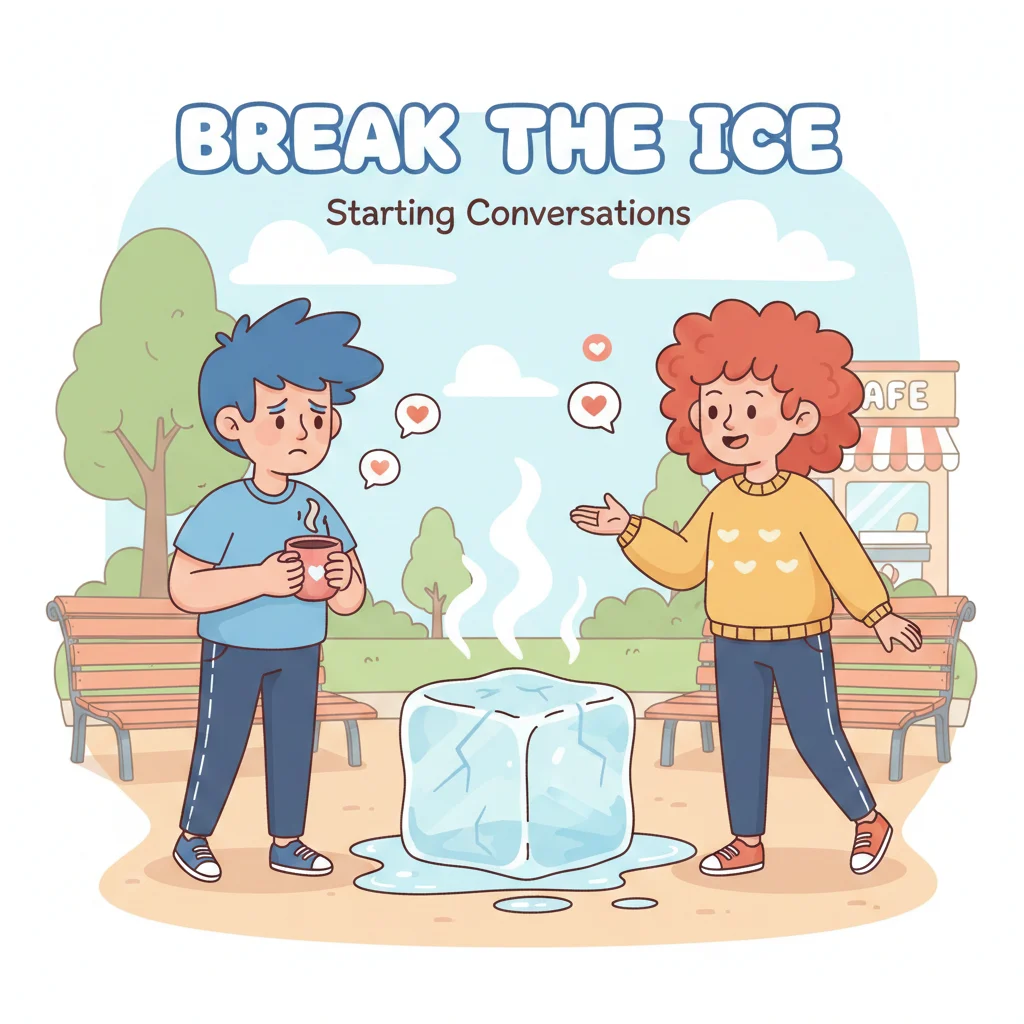
Word-by-word meaning: Break frozen water
Idiomatic meaning: Start a conversation or reduce tension
Example:
- I told a joke to break the ice at the meeting.
Common error: Using it for physical ice
Usage note: Often used in social or professional situations
Hit the Nail on the Head
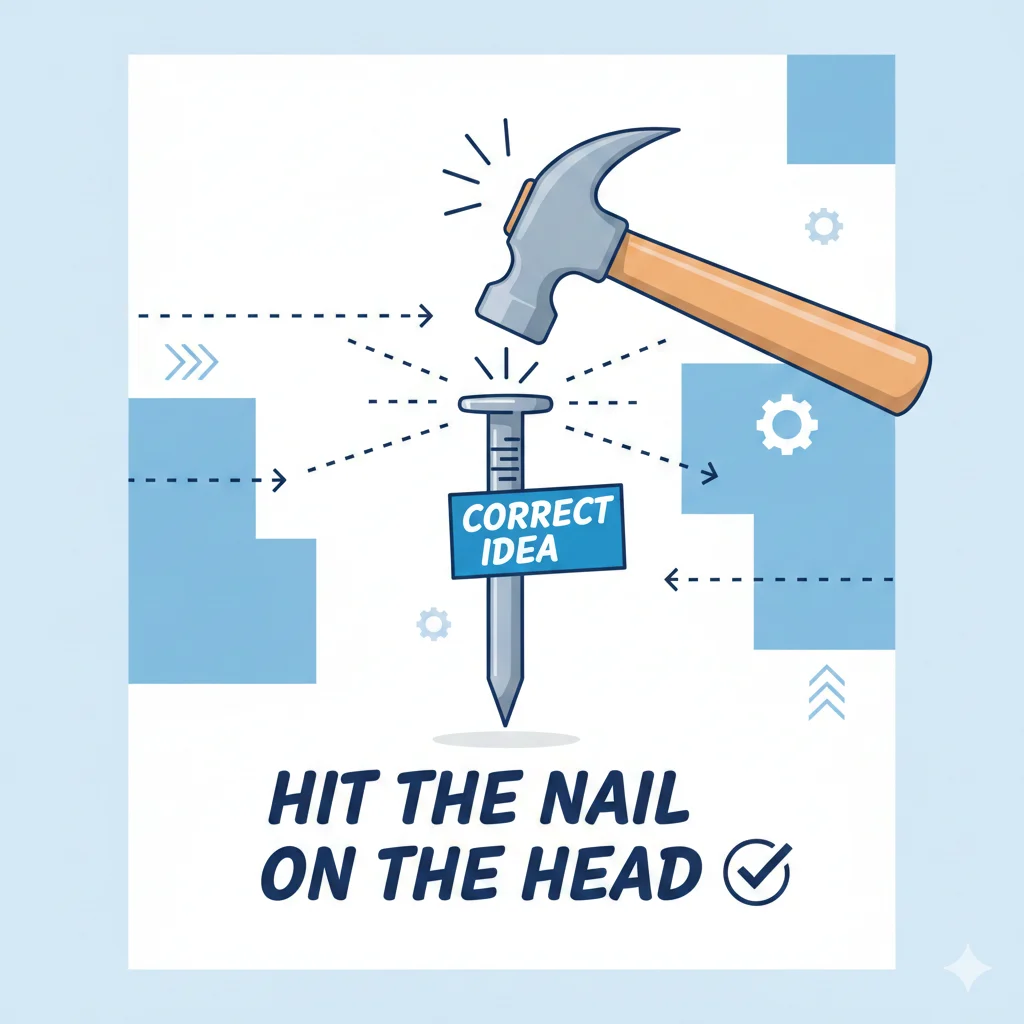
Word-by-word meaning: Hit a nail correctly
Idiomatic meaning: Say something exactly right
Example:
- You hit the nail on the head with that explanation.
Common error: Saying “hit the head on the nail”
Usage note: Used when someone is perfectly accurate
A Piece of Cake

Word-by-word meaning: A slice of dessert
Idiomatic meaning: Something very easy
Example:
- The test was a piece of cake.
Common error: Using it for food only
Usage note: Informal, positive expression
Once in a Blue Moon

Word-by-word meaning: Rare moon event
Idiomatic meaning: Something that happens very rarely
Example:
- I visit my hometown once in a blue moon.
Common error: Using it for regular events
Usage note: Common in spoken English
Under the Weather

Word-by-word meaning: Below the weather
Idiomatic meaning: Feeling sick
Example:
- I’m feeling under the weather today.
Common error: Using it for bad climate
Usage note: Polite way to say “ill”
Spill the Beans
Word-by-word meaning: Drop beans
Idiomatic meaning: Reveal a secret
Example:
- Who spilled the beans about the surprise?
Common error: Using it literally
Usage note: Informal conversations
Cost an Arm and a Leg
Word-by-word meaning: Lose limbs
Idiomatic meaning: Very expensive
Example:
- That phone costs an arm and a leg.
Common error: Thinking it’s violent
Usage note: Exaggeration for price
Beat Around the Bush
Word-by-word meaning: Hit bushes
Idiomatic meaning: Avoid the main topic
Example:
- Stop beating around the bush and be direct.
Common error: Using it positively
Usage note: Often used critically
Let the Cat Out of the Bag
Word-by-word meaning: Release a cat
Idiomatic meaning: Reveal a secret accidentally
Example:
- He let the cat out of the bag about the party.
Common error: Mixing with “spill the beans” tense
Usage note: Accidental revelation
On the Same Page
Word-by-word meaning: Reading same page
Idiomatic meaning: Agree or understand equally
Example:
- Let’s make sure we’re on the same page.
Common error: Using for physical books
Usage note: Workplace idiom
Burn the Midnight Oil
Word-by-word meaning: Burn oil at night
Idiomatic meaning: Work late at night
Example:
- She burned the midnight oil before exams.
Common error: Using it for lights
Usage note: Academic or work context
Call It a Day
Word-by-word meaning: Name the day
Idiomatic meaning: Stop working
Example:
- Let’s call it a day and rest.
Common error: Using it for holidays
Usage note: End of work
The Ball Is in Your Court
Word-by-word meaning: Sports ball location
Idiomatic meaning: It’s your decision now
Example:
- I’ve done my part—the ball is in your court.
Common error: Using outside responsibility context
Usage note: Decisions and responsibility
Kill Two Birds with One Stone
Word-by-word meaning: Harm birds
Idiomatic meaning: Solve two problems at once
Example:
- Working out and socializing kills two birds with one stone.
Common error: Thinking it’s violent
Usage note: Efficiency
Cut Corners
Word-by-word meaning: Cut edges
Idiomatic meaning: Do something cheaply or badly
Example:
- Don’t cut corners on quality.
Common error: Confusing with shortcuts
Usage note: Often negative
Back to the Drawing Board
Word-by-word meaning: Return to drawing
Idiomatic meaning: Start again
Example:
- The plan failed—back to the drawing board.
Common error: Using for minor edits
Usage note: Complete restart
Pull Someone’s Leg
Word-by-word meaning: Tug leg
Idiomatic meaning: Joke or tease
Example:
- Relax, I’m just pulling your leg.
Common error: Using in serious contexts
Usage note: Friendly humor
Bite the Bullet
Word-by-word meaning: Bite metal
Idiomatic meaning: Face something difficult bravely
Example:
- I bit the bullet and apologized.
Common error: Using for physical pain
Usage note: Courage
Keep an Eye On
Word-by-word meaning: Watch with eye
Idiomatic meaning: Monitor carefully
Example:
- Please keep an eye on my bag.
Common error: Using for staring
Usage note: Daily usage
Speak of the Devil
Word-by-word meaning: Mention devil
Idiomatic meaning: Someone appears while being discussed
Example:
- Speak of the devil—here she comes!
Common error: Using it negatively
Usage note: Light humor
Frequently Asked Questions About English Idioms Book
1. What is the best way to learn from an English idioms book?
Practice idioms in sentences and real conversations, not just memorization.
2. How many idioms should I learn per day?
5–10 idioms daily is ideal for long-term retention.
3. Are idioms used in formal English?
Some are informal, but many are common in business and professional settings.
4. Can idioms help in English exams?
Yes, especially in speaking and writing sections when used correctly.
5. Do native speakers use idioms daily?
Absolutely—idioms are a natural part of everyday English.
Conclusion
An English idioms book isn’t just about learning expressions—it’s about sounding confident, natural, and fluent. Start small, practice daily, and don’t be afraid to use idioms in conversations. The more you use them, the more natural they’ll feel. Pick a few idioms today and try them in real life—you’ll be surprised how quickly your English improves.

“L.P. Hartley brings classic idioms to life on LearnIdom.com, helping readers explore language with wit, clarity, and timeless insight.”