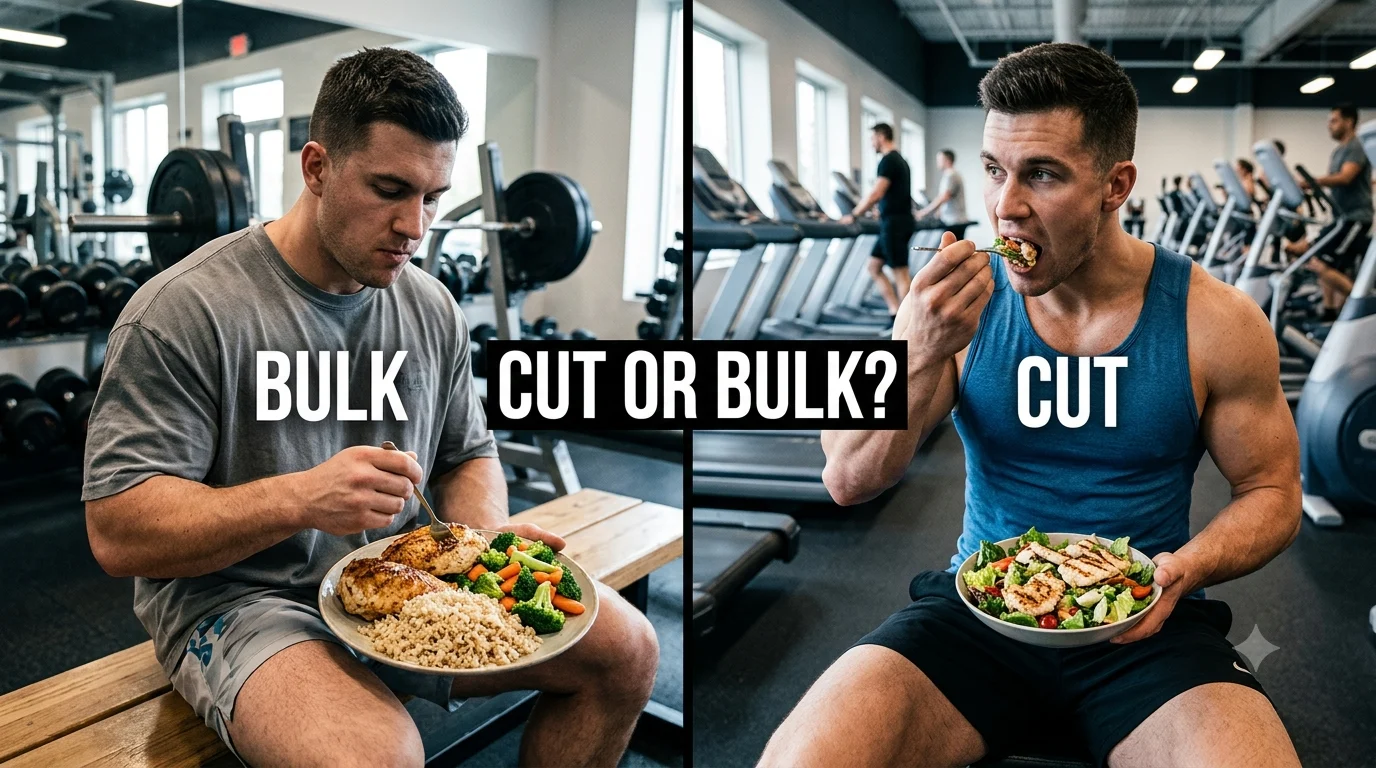
You stand in front of the mirror. You see some muscle but also some fat. You ask yourself the same question millions of people ask every day: Should I cut or bulk? This is one of the most confusing decisions in fitness. Everyone gives different advice. Some say bulk first. Others say cut first. You feel stuck and unsure.
This guide solves that confusion. It gives you clear, simple rules based on your body type, experience, and goals. Whether you are overweight, skinny fat, lean, or just starting out, you will find your answer here. No more guessing. No more wasting months on the wrong approach. Read this guide once. Make your decision today. Start your transformation tomorrow. Your fitness journey starts with one simple choice. Let us help you make the right one.
Cut or Bulk
Look at your body fat percentage first. If you are over 15% body fat (men) or 25% (women), you should cut first to lose fat. If you are below these numbers, you should bulk to build muscle. But if you are new to lifting weights (less than one year), you might not need to choose. You can do body recomposition – this means you build muscle and lose fat at the same time.
What Does Cut and Bulk Mean?
Let me explain these two fitness terms in the simplest way possible.
Bulking means you eat more calories than your body burns each day. This extra energy helps your muscles grow bigger and stronger. You lift heavy weights and gain weight. Some of this weight will be muscle, and some will be fat. That is normal and expected.
Cutting means you eat fewer calories than your body burns each day. This calorie deficit forces your body to use stored fat for energy. You keep lifting weights to protect your hard-earned muscle. The goal is to reveal the muscle you have built under the fat layer.
In simple words: Bulk to get bigger and stronger. Cut to get leaner and more defined.
The Origin of Bulk and Cut
These terms come from the world of competitive bodybuilding. In the early days, bodybuilders realized something important. They could not build muscle and lose fat perfectly at the same time. So they created a two-phase system.
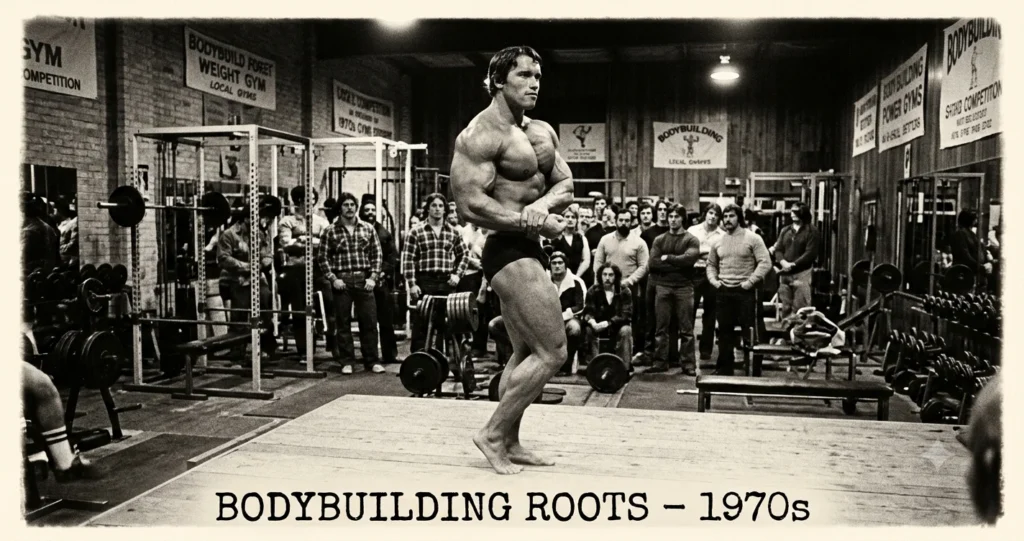
First came the off-season bulk. Athletes would eat big meals and lift heavy weights. They gained size and strength. This phase lasted for months.
Then came the pre-competition cut. Athletes would eat less food and do more cardio. They lost fat quickly. This revealed their muscles for the stage.
Today, regular gym-goers use this same system. You do not need to be a competitor to benefit from bulking and cutting. Anyone who wants to transform their body can use these phases.
British English vs American English Spelling
Good news! There is no spelling difference here. Both British and American English spell “cut” and “bulk” exactly the same way. This is not like “color” versus “colour.” The spelling is consistent everywhere in the world.
| Variation | Spelling | Used In |
|---|---|---|
| Cut | Cut | US, UK, Australia, Canada |
| Bulk | Bulk | US, UK, Australia, Canada |
| Cutting | Cutting | All English-speaking countries |
| Bulking | Bulking | All English-speaking countries |
The only difference is pronunciation. Americans might say “bulk” with a harder “uh” sound. British speakers might say it softer. But the written word is identical everywhere.
Which Should You Choose? – Advice for Everyone
This is the biggest question. Should I cut or bulk first? Here is simple advice based on who you are.
If You Are a Beginner
You are lucky! Beginners can do body recomposition. This means you build muscle and lose fat at the same time. You do not need a serious bulk or cut. Eat close to your maintenance calories. Eat plenty of protein. Start a good weightlifting program. You will see amazing changes in your first year.
If You Are Overweight
If your body fat is above 20% for men or 30% for women, you should cut first. Your main goal is health and fat loss. You will still build some muscle as a beginner. This will make a huge difference in how you look and feel. Losing fat should be your priority.
If You Are Skinny Fat
This is a tricky situation. You look thin in clothes but soft without them. You have low muscle mass and higher body fat. For beginners, recomposition works best. Eat in a small calorie deficit. Lift heavy weights. Eat high protein. You can lose fat and build muscle together.
For more experienced lifters, a clean bulk is often better. Build a muscle base first. Then cut later to reveal it. This takes longer but gives better results.
If You Are Already Lean
If you have a healthy body fat percentage and some muscle definition, you should bulk. A clean bulk with a small calorie surplus will help you pack on muscle. You will get bigger and stronger. This is the best path for you.
If You Are a Male
Men naturally have lower body fat percentages. Use these guidelines:
- Cut if you are above 15% body fat
- Bulk if you are below 10-12% body fat
- Recomp if you are between 12-15% as a beginner
Men store fat in the belly and chest first. Watch these areas for changes.
If You Are a Female
Women naturally carry more essential fat. Use these guidelines:
- Cut if you are above 25% body fat
- Bulk if you are below 20% body fat
- Recomp if you are between 20-25% as a beginner
Women store fat in the hips and thighs first. These areas are normal and healthy.
How to Know If You Should Cut or Bulk – Decision Flow
Still confused? Follow this simple decision path:
Step 1: Are you a beginner (lifting less than one year)?
- YES → Do body recomposition. Eat at maintenance. Lift hard.
- NO → Go to Step 2.
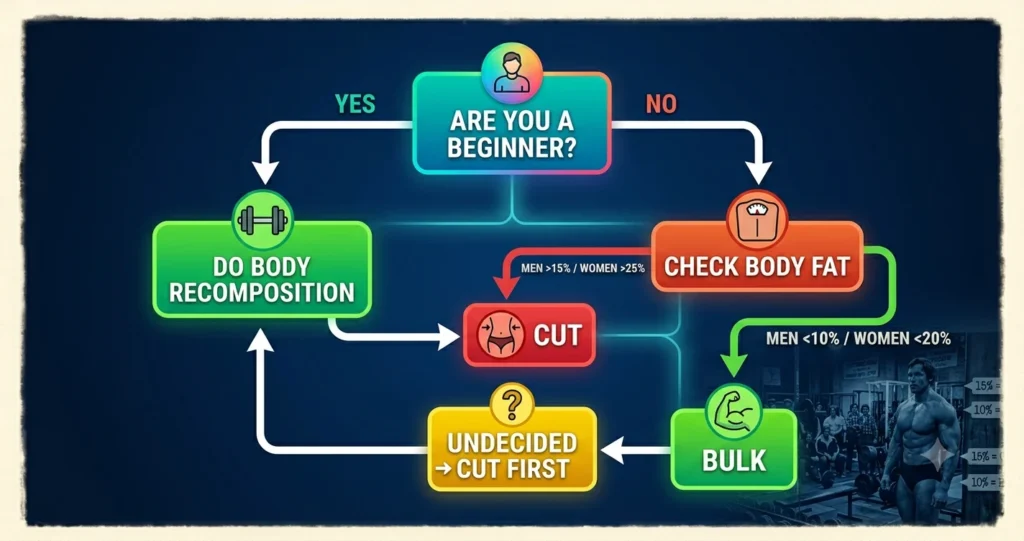
Step 2: What is your body fat percentage?
- Men above 15% / Women above 25% → CUT
- Men below 10% / Women below 20% → BULK
- In between → Go to Step 3.
Step 3: What is your main goal?
- Want to look bigger and stronger → BULK
- Want to look leaner and more defined → CUT
- Not sure → CUT first. Starting a bulk from a leaner place is always better.
Cut or Bulk Calculator – How to Use One
A cut or bulk calculator helps you find your calorie targets. Here is how to use one properly:
Step 1: Enter your age, gender, weight, height, and activity level.
Step 2: The calculator gives your maintenance calories. This is how many calories you need to stay the same weight.
Step 3: For a bulk, add 200-400 calories to maintenance.
For a cut, subtract 250-500 calories from maintenance.
Step 4: Set your protein at 1.6-2.2 grams per kilogram of body weight. This is essential for both phases.
Step 5: Track your weight weekly. Adjust calories if you are not seeing results.
Many free calculators are available online. Use them to remove the guesswork from your journey.
Common Mistakes to Avoid
People make these mistakes all the time. Avoid them for better results.
Dirty Bulking
Eating everything in sight is a huge mistake. You will gain too much fat. This fat takes months to lose. Do a clean bulk instead. Eat 200-400 extra calories from healthy foods. This builds muscle with minimal fat gain.
Cutting Too Fast
A massive calorie deficit might make you lose weight quickly. But you will also lose muscle. This is terrible for your progress. A slow cut of 0.5 to 1 pound per week is better. Your muscles will stay protected.
Stopping Weight Training
Do not stop lifting during a cut! Weight training tells your body to keep muscle. If you only do cardio, your body burns muscle for energy. Keep lifting heavy weights. This protects your gains.
Ignoring Protein
You need protein in both phases. When bulking, protein builds muscle. When cutting, protein protects muscle from being lost. Eat high-protein foods like chicken, eggs, fish, and Greek yogurt.
Not Tracking Progress
You cannot improve what you do not measure. Track your weight weekly. Take progress photos monthly. Record your lifts in the gym. These numbers show you what is working.
Being Impatient
Body transformation takes time. Do not expect miracles in one month. A good bulk lasts 8-12 weeks. A good cut lasts 8-12 weeks. Trust the process and stay consistent.
Cut or Bulk in Everyday Life
Here is how these terms appear in real situations:
Text Message:
“Hey man, I’m starting a bulk next week. Want to lift together?”
Social Media Post (Instagram):
“12 weeks of bulking done! Gained 8 pounds of muscle. Time to cut for summer. 💪”
Social Media Post (Reddit):
“Cut or bulk? I’m 5’10”, 170 lbs, 14% body fat. Been lifting for 2 years. Need advice.”
Gym Conversation:
“I’m on a cut right now. Eating in a deficit is tough, but I’m getting leaner every week.”
Formal Writing (Fitness Article):
“A structured bulk and cut cycle allows individuals to optimize muscle growth while minimizing fat accumulation.”
News Headline:
“Bulking and Cutting: The Science Behind Body Transformation”
What Reddit Says About Cut or Bulk
Reddit is full of real user experiences. Here is what people commonly share:
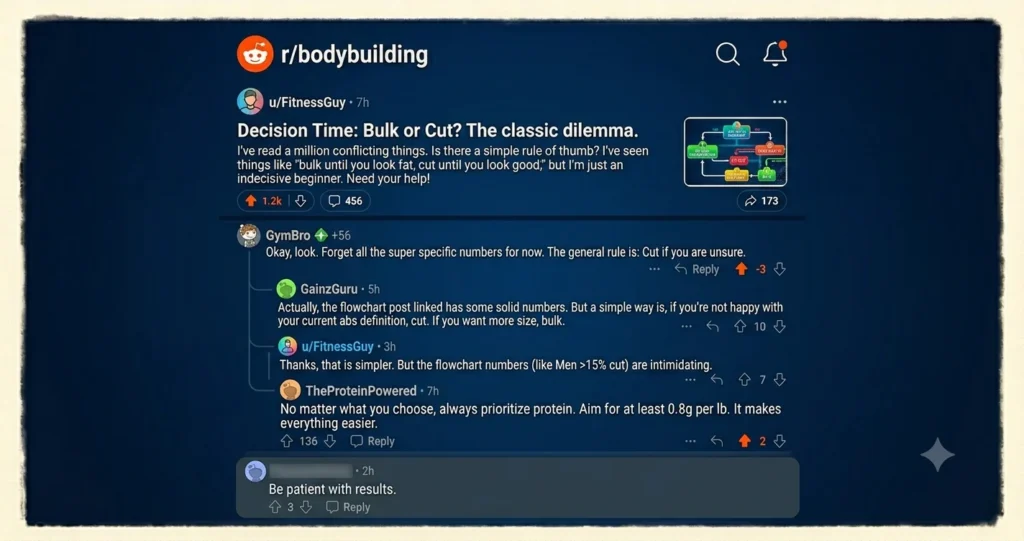
Beginners on Reddit:
“Wish I knew about recomposition earlier. I wasted months bulking when I should have just recomped.”
Skinny Fat Users:
“Was skinny fat. Tried bulking first. Got fat. Then cut. Now I’m lean. Should have cut first.”
Overweight Users:
“Started at 30% body fat. Cut for 6 months. Lost 40 pounds. Now I’m bulking. Best decision ever.”
Advanced Lifters:
“Cut down to 10% first. Now bulking slowly. No fat gain. Feeling strong.”
Common Reddit Advice:
- Cut if you are unsure
- Always prioritize protein
- Track your calories accurately
- Be patient with results
Cut or Bulk for Bodybuilding
Bodybuilders have a more strategic approach. Here is how they do it:
Off-Season Bulk:
- Calorie surplus of 300-500 calories
- Focus on heavy compound lifts
- Gain 0.5-1 pound per week
- Build as much muscle as possible
- Accept some fat gain
Pre-Contest Cut:
- Calorie deficit of 500 calories
- Increase cardio gradually
- Lose 1-2 pounds per week
- Preserve muscle with heavy lifting
- Get stage-ready lean
Peak Week:
- Final week before competition
- Manipulate water and carbs
- Look full and dry on stage
- Extreme attention to detail
For recreational lifters, you do not need to be this extreme. But understanding the process helps you make better decisions.
Best Time to Bulk and Cut – Seasonal Strategy
Many people follow seasonal schedules. Here is why:
Winter Bulk (October to March):
- Colder months mean more clothes
- Less pressure to look lean
- Increased appetite helps with surplus
- Perfect time to gain muscle
Summer Cut (April to September):
- Warmer months mean less clothes
- Motivation to look good for events
- Easier to eat light meals
- Perfect time to get lean
Year-Round Strategy:
- Do 12 weeks bulk
- Do 12 weeks cut
- Take 4 weeks maintenance break
- Repeat the cycle
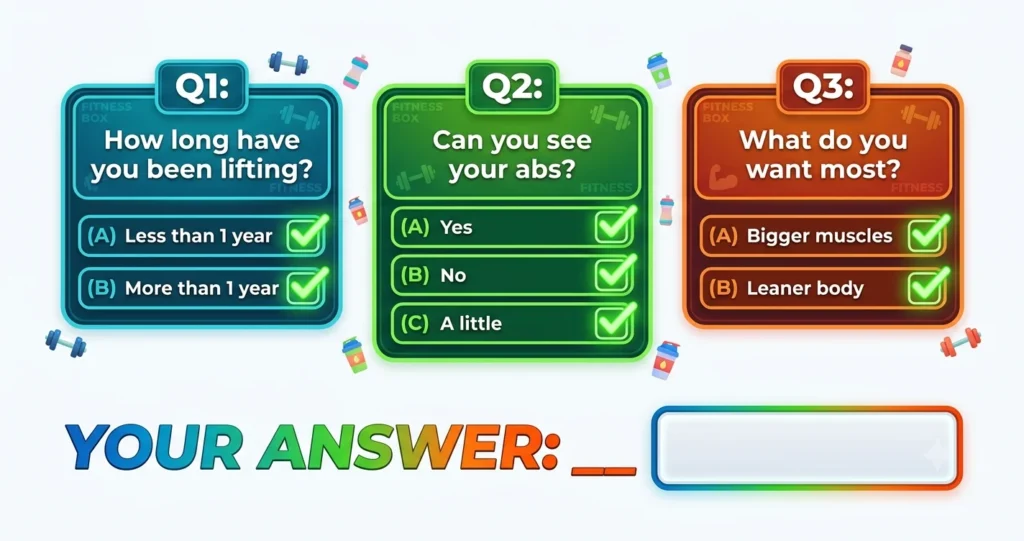
Cut or Bulk Quiz – Find Your Answer
Take this simple 30-second quiz:
Question 1: How long have you been lifting?
- A) Less than 1 year → Do recomposition
- B) More than 1 year → Go to Q2
Question 2: Can you see your abs?
- A) Yes, clearly → BULK
- B) No, not at all → CUT
- C) A little bit → Go to Q3
Question 3: What do you want most?
- A) Bigger muscles → BULK
- B) Leaner body → CUT
Your Answer: This tells you exactly what to do next.
Frequently Asked Questions
Should I cut or bulk if I’m overweight?
Yes, you should cut. Your primary goal should be fat loss for health and appearance. You will still build some muscle as a beginner. Cut until you reach a healthy body fat percentage. Then decide if you want to bulk.
Should I cut or bulk if I’m skinny fat?
If you are a beginner, do body recomposition. Eat in a small deficit. Lift heavy. Eat high protein. If you are experienced, do a lean bulk first. Build muscle. Then cut later to reveal it.
Is it easier to cut or bulk?
Bulking is easier mentally. You eat more food. You get stronger quickly. Cutting is harder. You control your eating. You may feel hungry. Your energy drops. But the end result is worth it.
Is it better to cut or bulk first?
For most beginners, recomposition is best. You do not have to choose. For experienced lifters, cut first if overweight. Bulk first if already lean. When unsure, cut first. This gives you a clean start.
How do I know if I should cut or bulk?
Look at your body honestly. Do you feel soft or fat? Then cut. Do you feel skinny and small? Then bulk. Use body fat percentage as your guide. Measure or estimate it. Then follow the rules above.
Can I build muscle while cutting?
Yes, but only if you are a beginner. This is body recomposition. Your muscles are sensitive to training. They grow even in a calorie deficit. For advanced lifters, cutting only maintains muscle. It does not build new muscle.
How long should I bulk and cut for?
Aim for 8-12 weeks for each phase. Then take a maintenance break for 2-4 weeks. This lets your body and mind rest. Start the next cycle after that. Many people follow a 3:1 ratio (12 weeks bulk, 4 weeks cut).
Should I bulk or cut first as a woman?
The principles are the same for women. Use the body fat percentages above. If over 25%, cut. If below 20%, bulk. If in between and a beginner, recomp. Women may need more patience. Fat loss can be slower due to hormones.
What should I eat when bulking?
Eat high-protein foods. Examples: chicken breast, eggs, fish, Greek yogurt, cottage cheese, lean beef. Add healthy carbs: rice, oats, potatoes, whole grain bread. Include healthy fats: olive oil, nuts, avocados. Eat 200-400 extra calories daily.
What should I eat when cutting?
Eat high-protein foods to protect muscle. Examples: chicken breast, turkey, fish, egg whites, protein shakes. Choose low-calorie vegetables: broccoli, spinach, cauliflower, cucumbers. Cut down on fats and simple carbs. Drink plenty of water.
When should I stop bulking?
Stop when you have gained 8-12 pounds. Or when your body fat exceeds 15% (men) or 25% (women). Or after 8-12 weeks. Then switch to cutting. You should look bigger and stronger, not soft.
When should I stop cutting?
Stop when you reach your target body fat. Or when you can see your abs clearly. Or after 8-12 weeks. Then switch to maintenance or bulking. You should look lean and defined.
Conclusion
The question of cut or bulk is the first big decision in any fitness journey. The answer depends on you. Your body fat percentage matters most. Your training experience matters too. Your personal goals also play a role.
Here are the key takeaways:
If you are overweight, cut first. Your health and fat loss should be priority. You will still build muscle.
If you are skinny fat, do body recomposition. This is the best approach for beginners. You lose fat and build muscle together.
If you are lean, bulk first. Build that muscle base. Then cut later to show it off.
If you are a beginner, do not overthink. Just start lifting weights. Eat enough protein. Your body will change faster than you think.
If you are a male, use 15% body fat as your guide. Above that, cut. Below that, bulk.
If you are a female, use 25% body fat as your guide. Above that, cut. Below that, bulk.
Track your progress. Take photos. Weigh yourself weekly. Write down your lifts. This keeps you honest.
Be patient. Body transformation takes months and years. Do not rush it. Consistency beats intensity every time.
Use a calculator. Find your maintenance calories. Add or subtract calories based on your goal. Remove the guesswork.
Listen to your body. If you feel tired all the time, eat more. If you are gaining too much fat, eat less. Adjust as needed.
Stay consistent. The most successful people are those who stick to their plan. Trust the process. Results will come.
Now you have all the information you need. Make your choice. Start your journey. Transform your body. The best time to start was yesterday. The next best time is now.
Good luck with your cut or bulk journey. You can do this! 💪

“Rose Macaulay shares the charm of idioms on LearnIdom.com, making language learning delightful, insightful, and full of wit for every reader.”