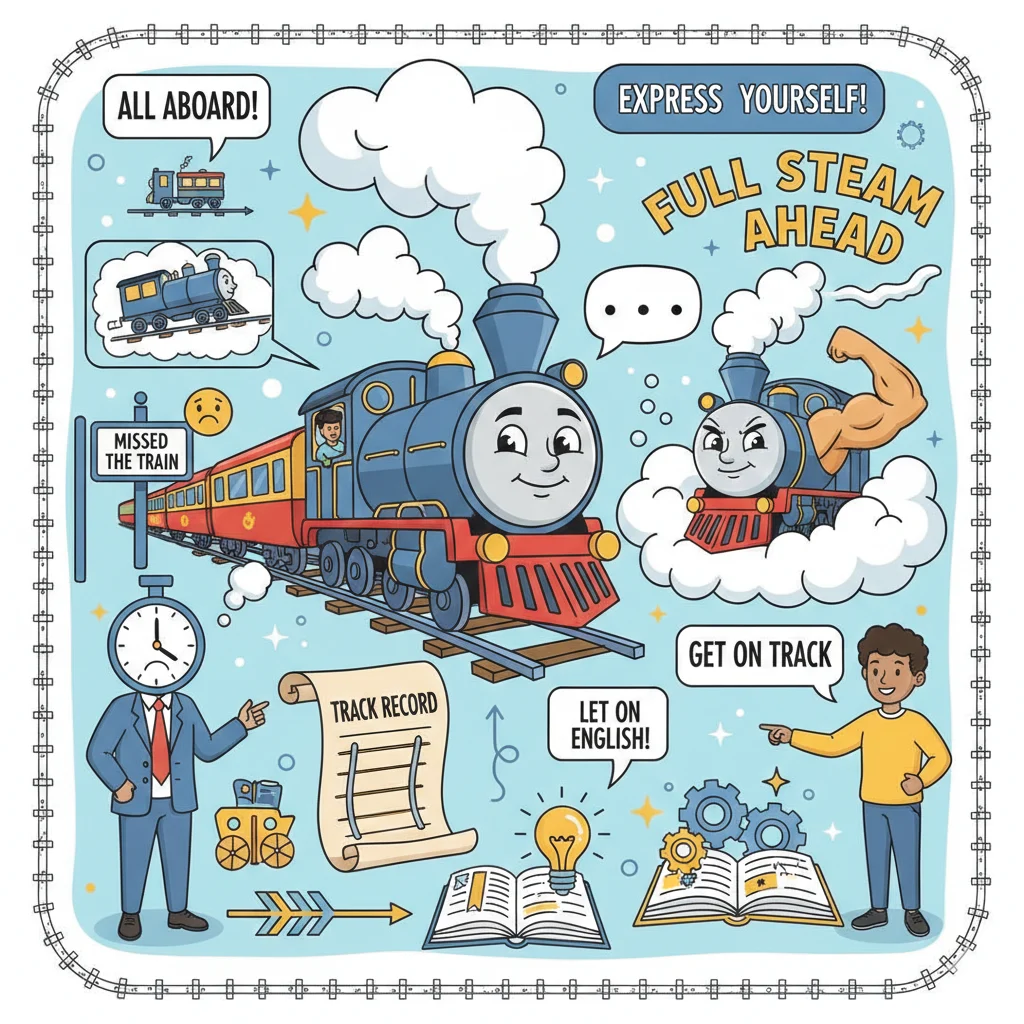
Trains aren’t just a mode of transport—they’re a goldmine of colorful expressions in English! 🚆 If you’ve ever heard someone say “miss the train” or “on the right track,” you’ve encountered train idioms in English. These phrases aren’t about locomotives literally—they convey life lessons, timing, decisions, and progress in a fun, metaphorical way.
I still remember my first English class when I got confused: “Get on the wrong track?” I wondered if someone had literally jumped on a train! Over time, I realized that train idioms make conversations lively, natural, and easy to understand for both daily chats and exams.
In this guide, we’ll explore 20 of the most famous train idioms, with clear meanings, examples, common mistakes, and usage tips—so you can hop on the express train to fluent English!
🚂 Miss the Train
Word-by-Word Meaning
Fail to catch a train
Idiomatic / Figurative Meaning
Miss an opportunity
Example Sentences
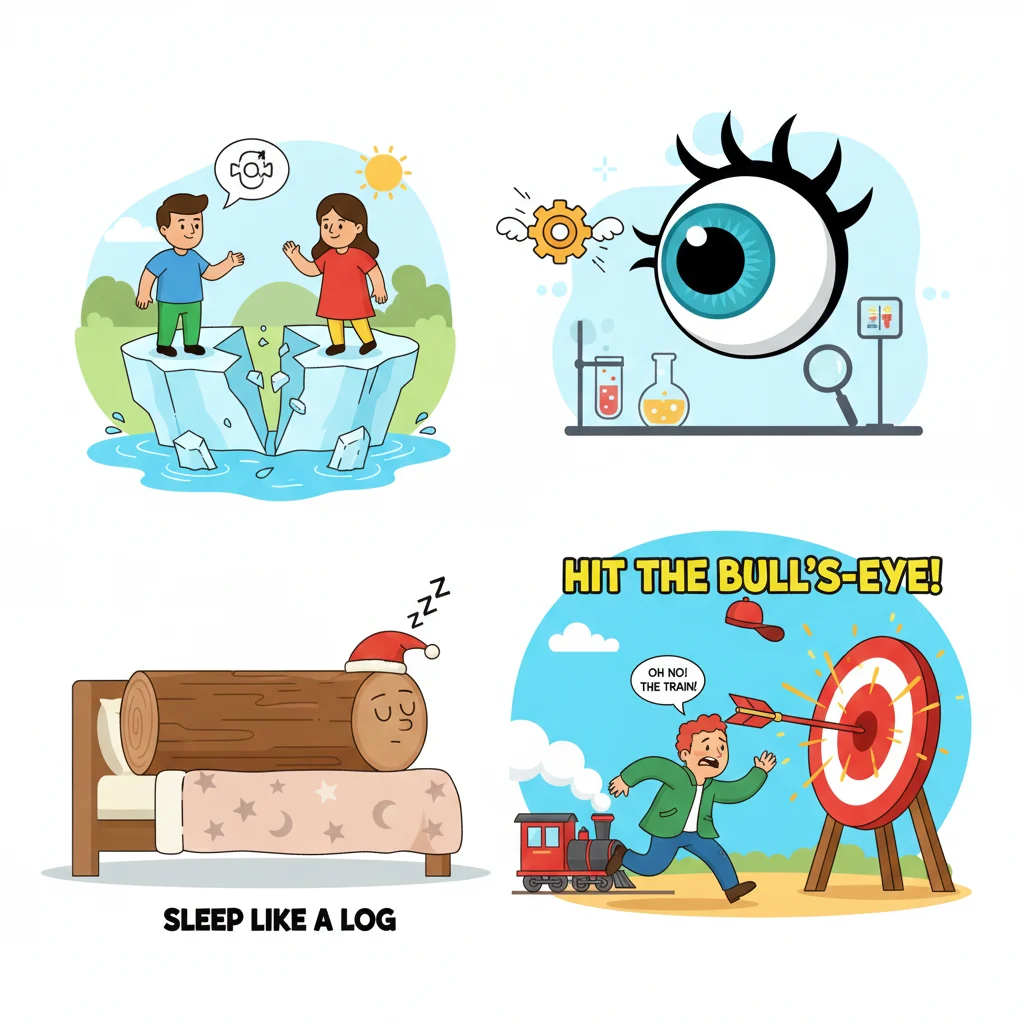
- He missed the train to invest in the stock market.
- Don’t wait too long, or you’ll miss the train.
Common Error
❌ Using it for literal trains only
Usage Note
Used to warn about lost opportunities
🚆 On the Right Track
Word-by-Word Meaning
Following the correct railway line
Idiomatic / Figurative Meaning
Doing something correctly or making progress
Example Sentences
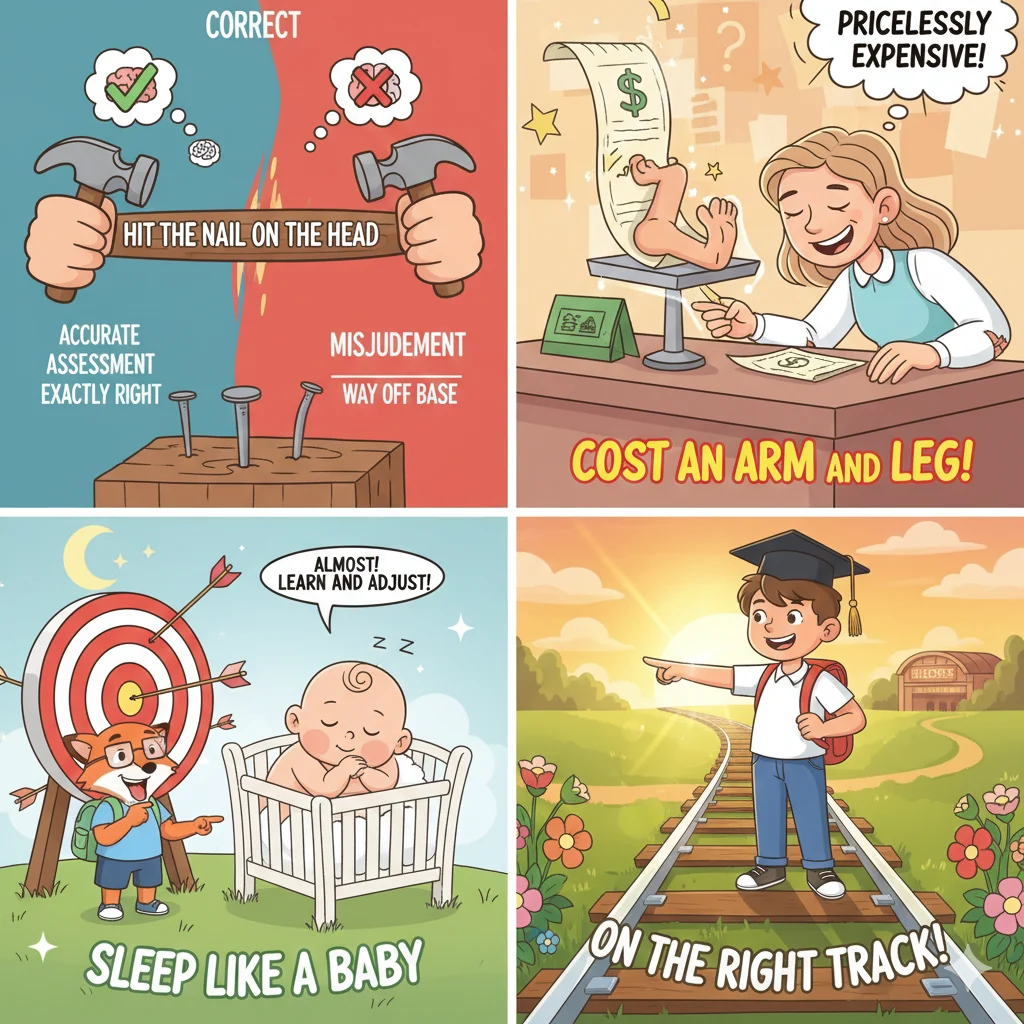
- You’re on the right track with your homework.
Common Error
❌ Confusing with “on track” (minor difference in formality)
Usage Note
Positive, motivational tone
🚂 On the Wrong Track
Word-by-Word Meaning
Following the incorrect railway line
Idiomatic / Figurative Meaning
Making a mistake or going in the wrong direction
Example Sentences
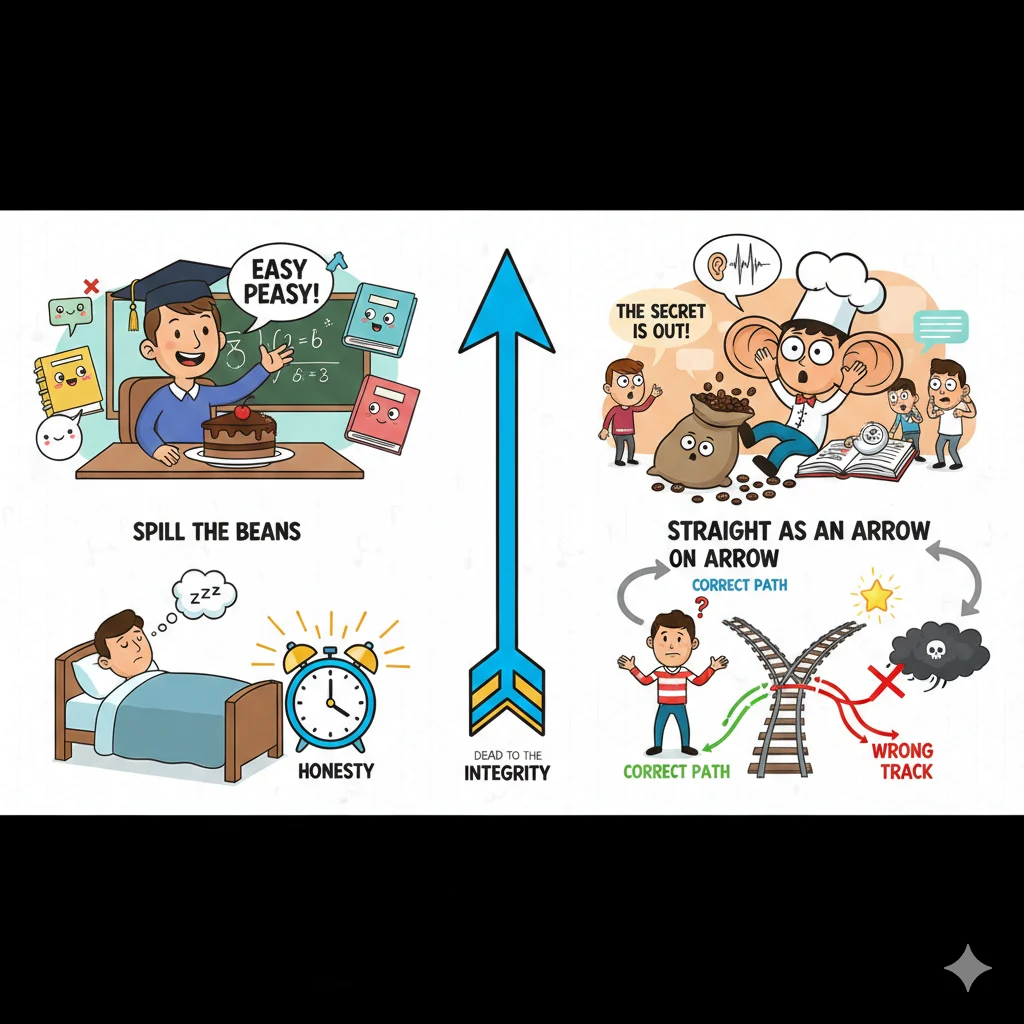
- Your approach is on the wrong track.
Common Error
❌ Using it for literal trains
Usage Note
Often used in guidance or feedback
🚆 Jump on the Bandwagon / Train
Word-by-Word Meaning
Join a moving train
Idiomatic / Figurative Meaning
Join others in doing something popular
Example Sentences
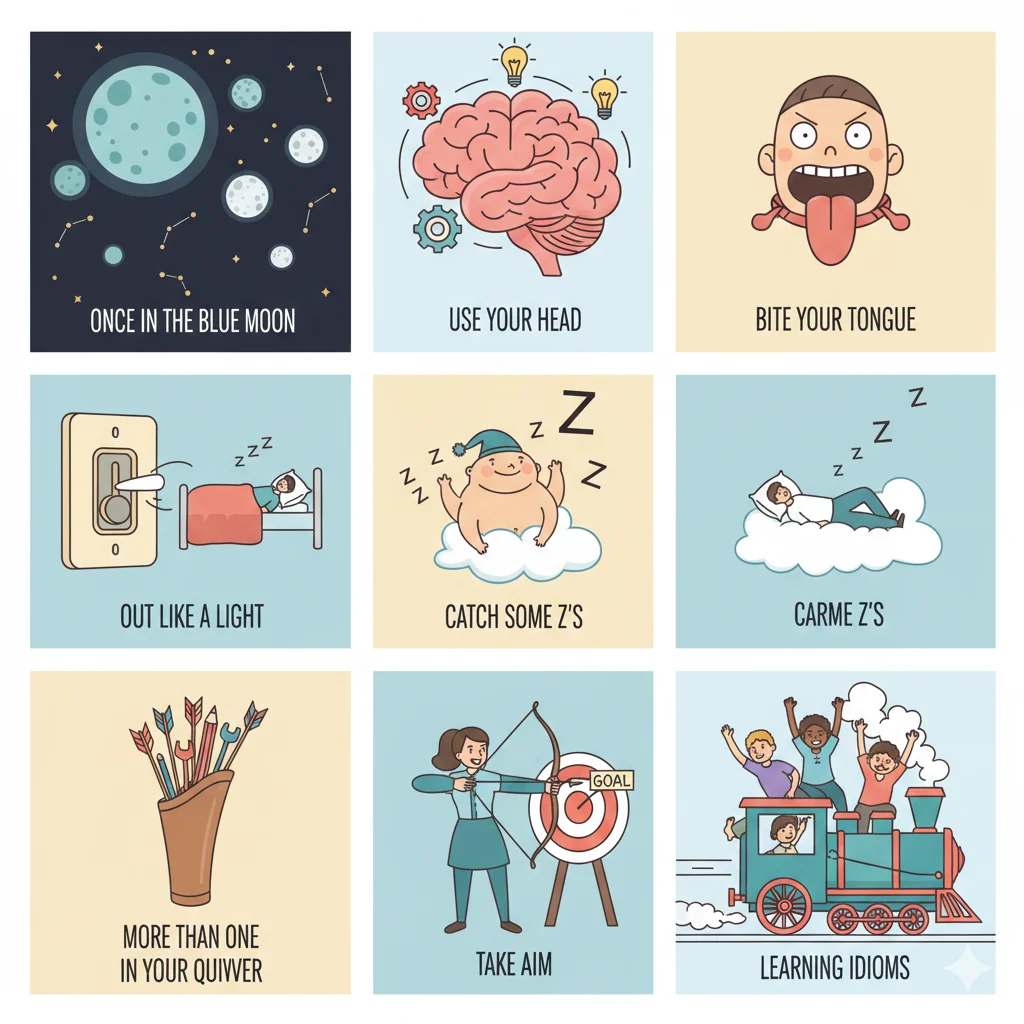
- Everyone’s investing in crypto, and she decided to jump on the train too.
Common Error
❌ Confusing “train” with “bandwagon” literally
Usage Note
Casual conversation; sometimes slightly critical
🚂 Train of Thought
Word-by-Word Meaning
Series of mental tracks
Idiomatic / Figurative Meaning
Your sequence of ideas or thinking process
Example Sentences
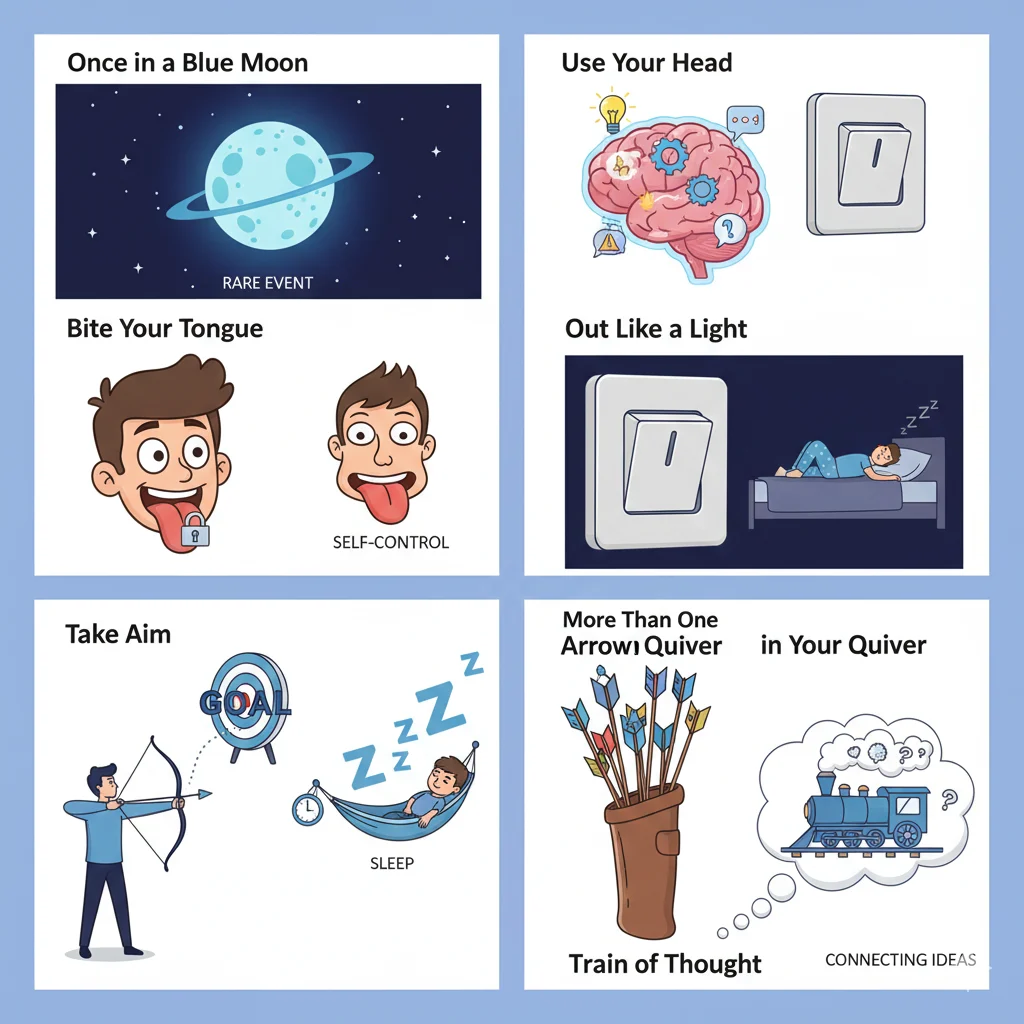
- Sorry, I lost my train of thought.
Common Error
❌ Using for literal trains
Usage Note
Common in both writing and speaking
🚆 Go Off the Rails
Word-by-Word Meaning
Leave the train track
Idiomatic / Figurative Meaning
Act unpredictably or lose control
Example Sentences
- The meeting went off the rails after the argument.
Common Error
❌ Using literally for trains
Usage Note
Casual and idiomatic; often dramatic
🚂 Fast-Track
Word-by-Word Meaning
Move quickly on a train track
Idiomatic / Figurative Meaning
Accelerate progress or skip steps
Example Sentences
- He was fast-tracked to a managerial position.
Common Error
❌ Using only for literal trains
Usage Note
Common in business and education
🚆 Off the Rails
Word-by-Word Meaning
Train leaves tracks
Idiomatic / Figurative Meaning
Chaotic or uncontrolled situation
Example Sentences
- Their project went completely off the rails.
Common Error
❌ Confusing with “go off the rails” (slightly different nuance)
Usage Note
Used for situations, events, or behavior
🚂 Run Like a Train
Word-by-Word Meaning
Move like a train
Idiomatic / Figurative Meaning
Do something very efficiently
Example Sentences
- She runs her business like a train.
Common Error
❌ Using literally
Usage Note
Positive and motivational
🚆 Behind the Times
Word-by-Word Meaning
Train lags behind schedule
Idiomatic / Figurative Meaning
Old-fashioned or outdated
Example Sentences
- This technology is behind the times.
Common Error
❌ Thinking it refers to late trains
Usage Note
Used for people, tech, or ideas
🚂 Hit the Brakes
Word-by-Word Meaning
Stop the train quickly
Idiomatic / Figurative Meaning
Stop doing something suddenly
Example Sentences
- Investors hit the brakes after the news.
Common Error
❌ Using only literally
Usage Note
Useful in business or action contexts
🚆 Full Steam Ahead
Word-by-Word Meaning
Move forward at full train power
Idiomatic / Figurative Meaning
Proceed with maximum effort
Example Sentences
- After approval, the team went full steam ahead.
Common Error
❌ Confusing with “full speed ahead” (similar but less idiomatic)
Usage Note
Encouraging or motivational tone
🚂 In the Fast Lane
Word-by-Word Meaning
Travel on fast train track
Idiomatic / Figurative Meaning
Living a busy, exciting, or risky life
Example Sentences
- She’s been in the fast lane since college.
Common Error
❌ Confusing with literal driving
Usage Note
Lifestyle, work, or personal choices
🚆 Track Record
Word-by-Word Meaning
Record of train tracks
Idiomatic / Figurative Meaning
Past achievements or performance
Example Sentences
- The company has an impressive track record.
Common Error
❌ Using for literal trains only
Usage Note
Professional and business contexts
🚂 Go the Distance
Word-by-Word Meaning
Travel the full train route
Idiomatic / Figurative Meaning
Complete a task fully or persevere
Example Sentences
- She’s ready to go the distance on this project.
Common Error
❌ Confusing with literal travel
Usage Note
Motivational, sports, or business
🚆 Hit the Rails
Word-by-Word Meaning
Place on train tracks
Idiomatic / Figurative Meaning
Start or begin a project or career path
Example Sentences
- He hit the rails in his finance career early.
Common Error
❌ Using literally
Usage Note
Casual idiomatic start expression
🚂 All Aboard
Word-by-Word Meaning
Everyone get on the train
Idiomatic / Figurative Meaning
Join or start something together
Example Sentences
- All aboard for the team project!
Common Error
❌ Using only for trains
Usage Note
Friendly and motivational tone
🚆 Jump the Track
Word-by-Word Meaning
Train leaves its track
Idiomatic / Figurative Meaning
Do something unexpectedly or incorrectly
Example Sentences
- The plan jumped the track after the error.
Common Error
❌ Confusing with “off the rails” (similar but less common)
Usage Note
Casual and idiomatic
🚂Leave the Station
Word-by-Word Meaning
Train departs
Idiomatic / Figurative Meaning
Begin a task, journey, or project
Example Sentences
- The campaign has finally left the station.
Common Error
❌ Using literally
Usage Note
Used for initiatives or projects
🚆 Signal a Change
Word-by-Word Meaning
Train signals a direction change
Idiomatic / Figurative Meaning
Indicate a shift in approach or strategy
Example Sentences
- Management signaled a change in priorities.
Common Error
❌ Using only for literal train signals
Usage Note
Professional or casual contexts
❓ Frequently Asked Questions (FAQs)
1. Why learn train idioms in English?
They make your English more expressive, lively, and natural in daily conversations and exams.
2. Are train idioms formal or informal?
Mostly informal, but some like “track record” are formal.
3. Can beginners understand train idioms easily?
Yes! Start with common ones like “miss the train” or “on the right track” and use examples.
4. How can I practice train idioms daily?
Write a sentence each day or try using them in conversations.
5. Do these idioms appear in exams like IELTS or TOEFL?
Yes, especially in reading passages, listening, or speaking prompts.
🎯 Conclusion
Mastering train idioms in English is like riding a smooth express train: it makes communication faster, clearer, and more fun. Don’t try to memorize all 20 at once—pick a few, use them daily, and watch your fluency soar. 🚆 Start today and never miss the train to confident English!

“Iris Murdoch explores the beauty of language and idioms on LearnIdom.com, making learning phrases engaging, memorable, and fun for everyone.”