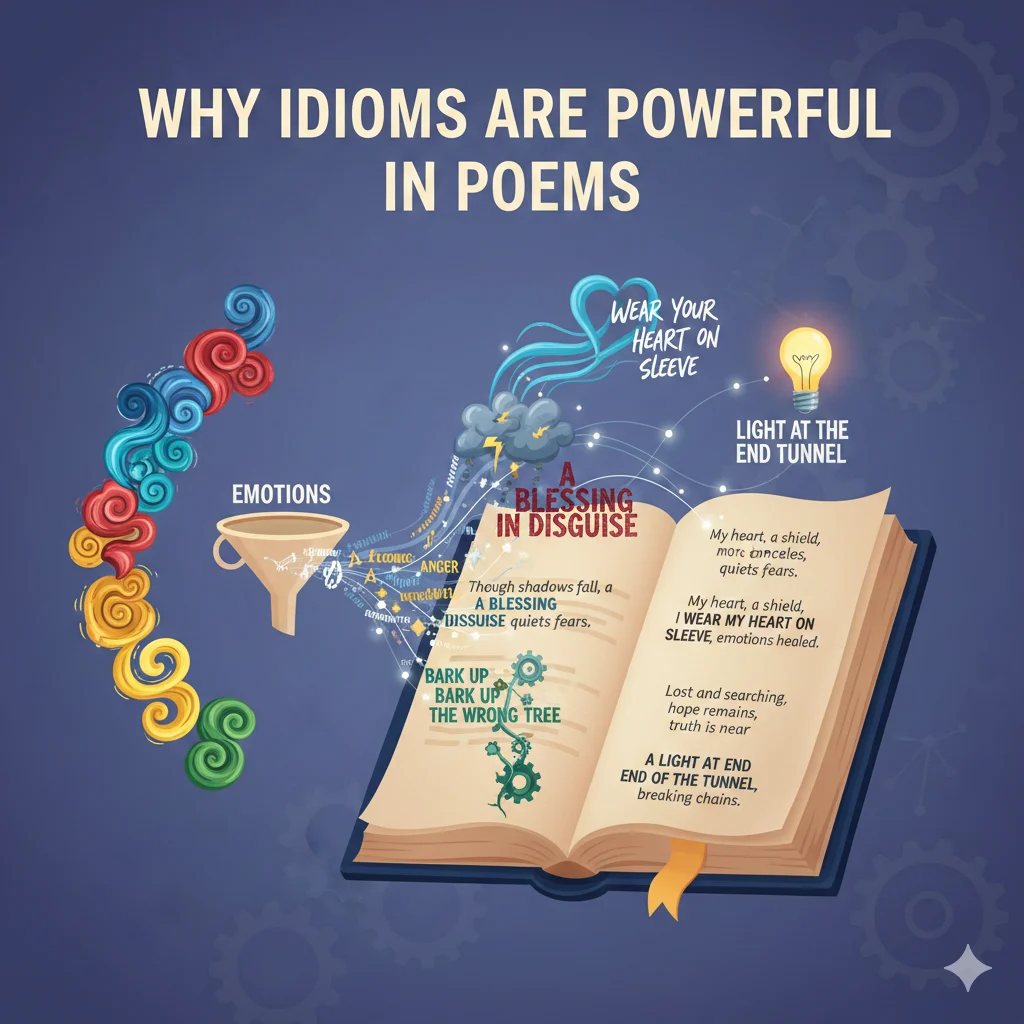
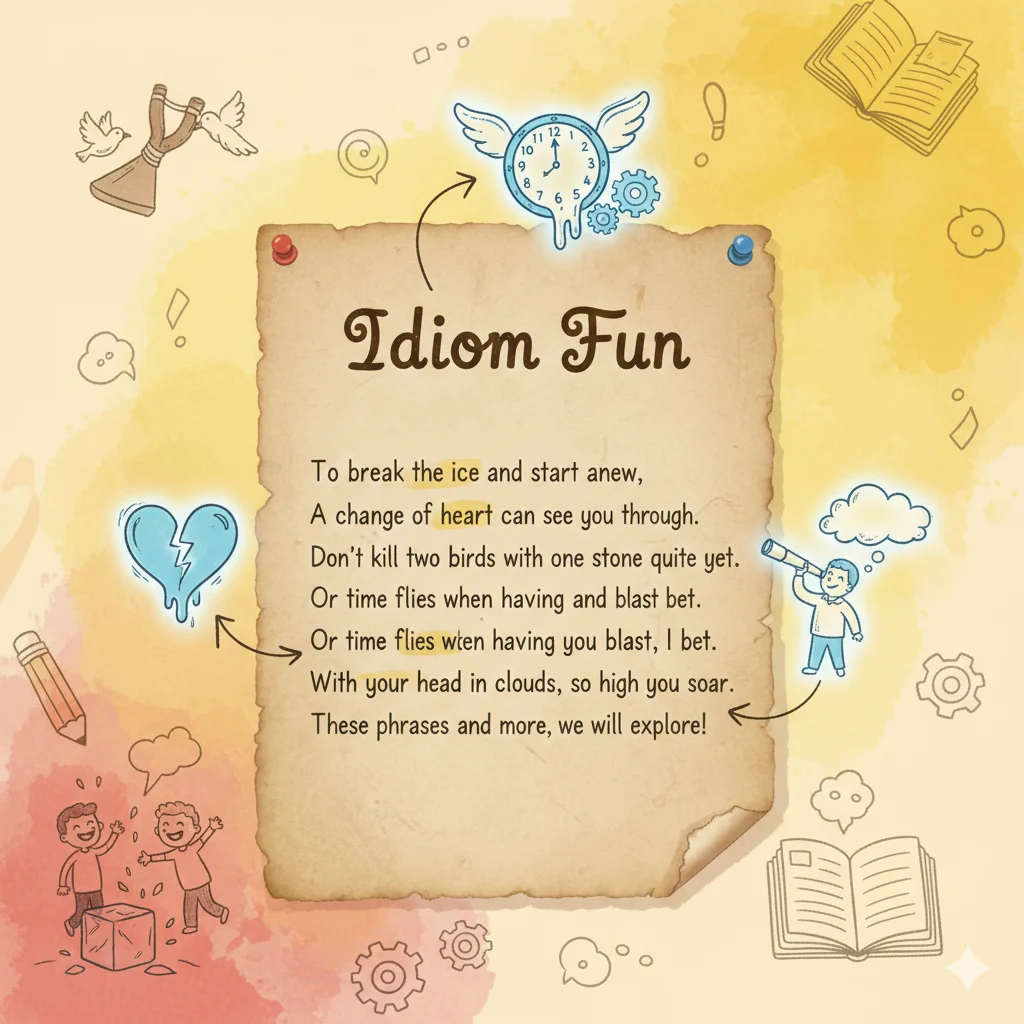
Idioms often sneak into poems the way emotions slip into memories—quietly, powerfully, and with meaning beyond the words. A poem with idioms can turn simple lines into vivid expressions that feel real and relatable.
Think of a poem about heartbreak that says “my world fell apart”—we instantly understand the feeling without literal destruction.
In this guide, you’ll explore how idioms work inside poems, why poets love them, and how learners can understand and use them correctly. Whether you’re a student reading poetry for exams, a language learner improving fluency, or a writer experimenting with style, this article will help you recognize idioms, avoid common mistakes, and even inspire you to write your own poem with idioms. Let’s turn confusing phrases into creative power—one idiom at a time.
Break the Ice
Word-by-word meaning: Break frozen water
Idiomatic meaning: Start communication or reduce tension
Example sentence: Her smile broke the ice between two silent hearts.
Common error: Using it for physical ice
Usage note: Often used in emotional or social poems
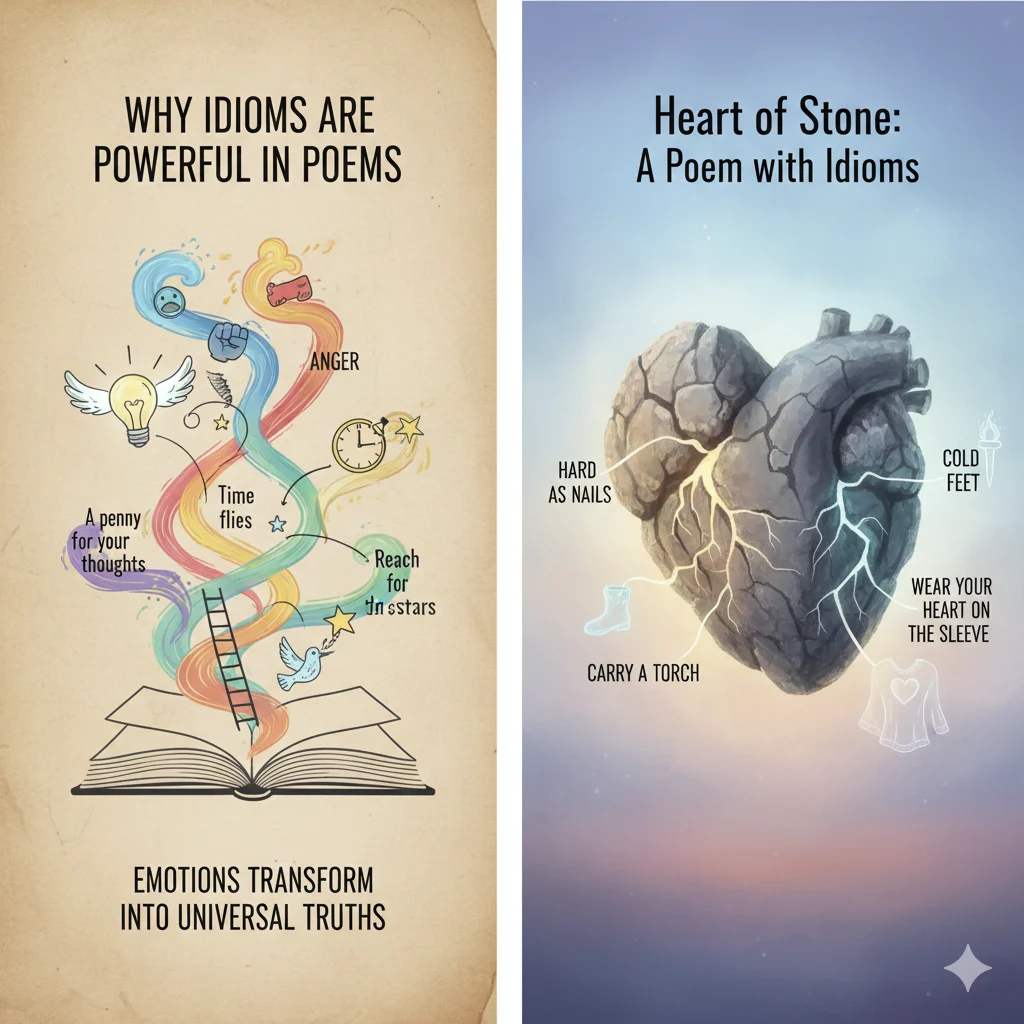
Heart of Stone
Word-by-word meaning: A heart made of rock
Idiomatic meaning: Emotionless or cruel
Example sentence: You left me with a heart of stone.
Common error: Describing medical conditions
Usage note: Strong metaphor for love poems
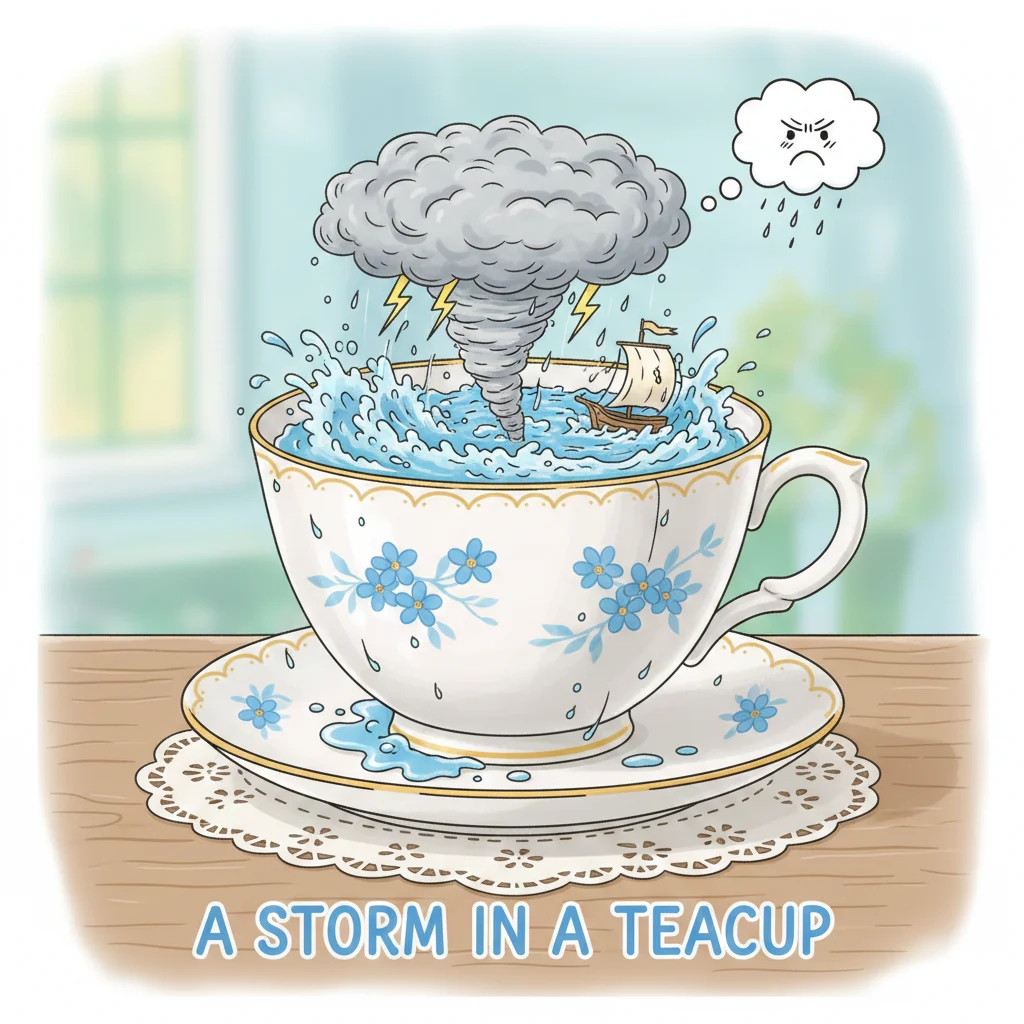
A Storm in a Teacup
Word-by-word meaning: A storm inside a cup
Idiomatic meaning: Overreacting to small issues
Example sentence: Our fight was just a storm in a teacup.
Common error: Using for real disasters
Usage note: Reflective or ironic poems
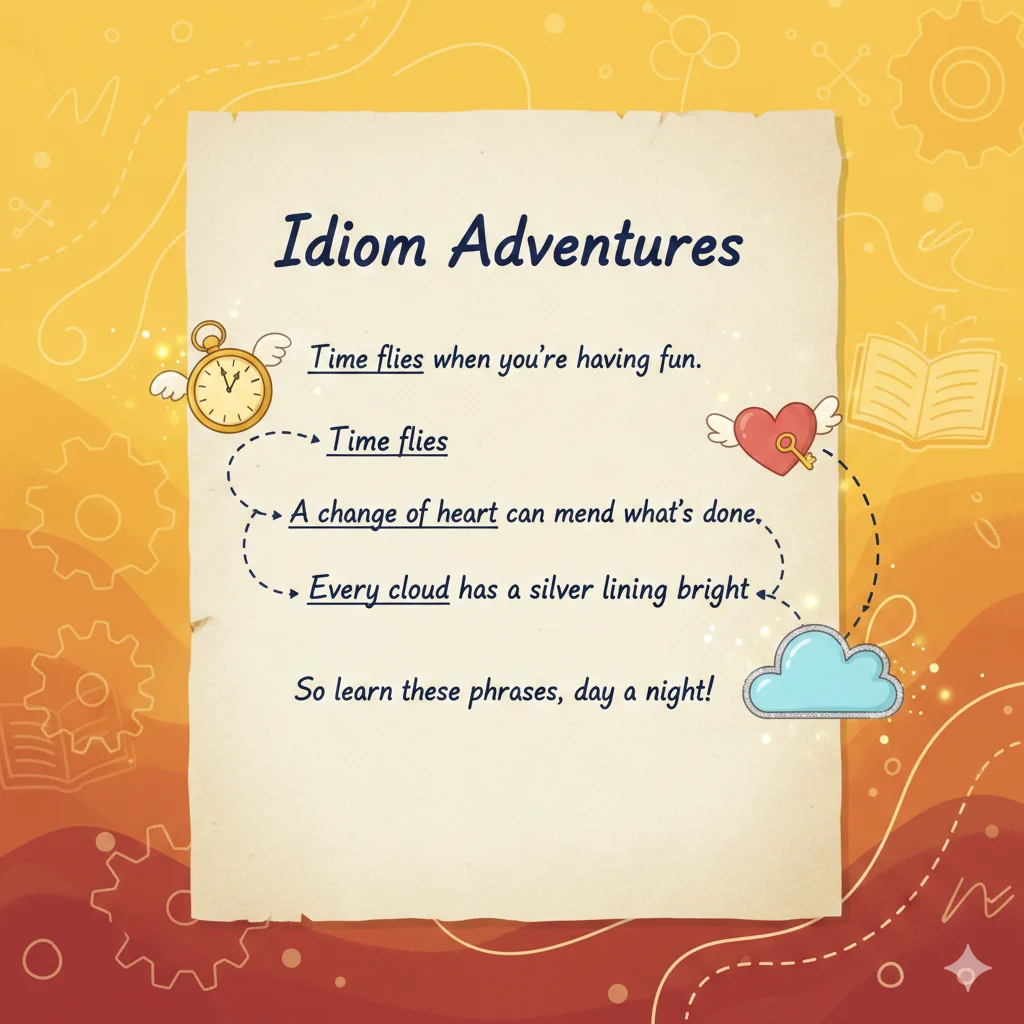
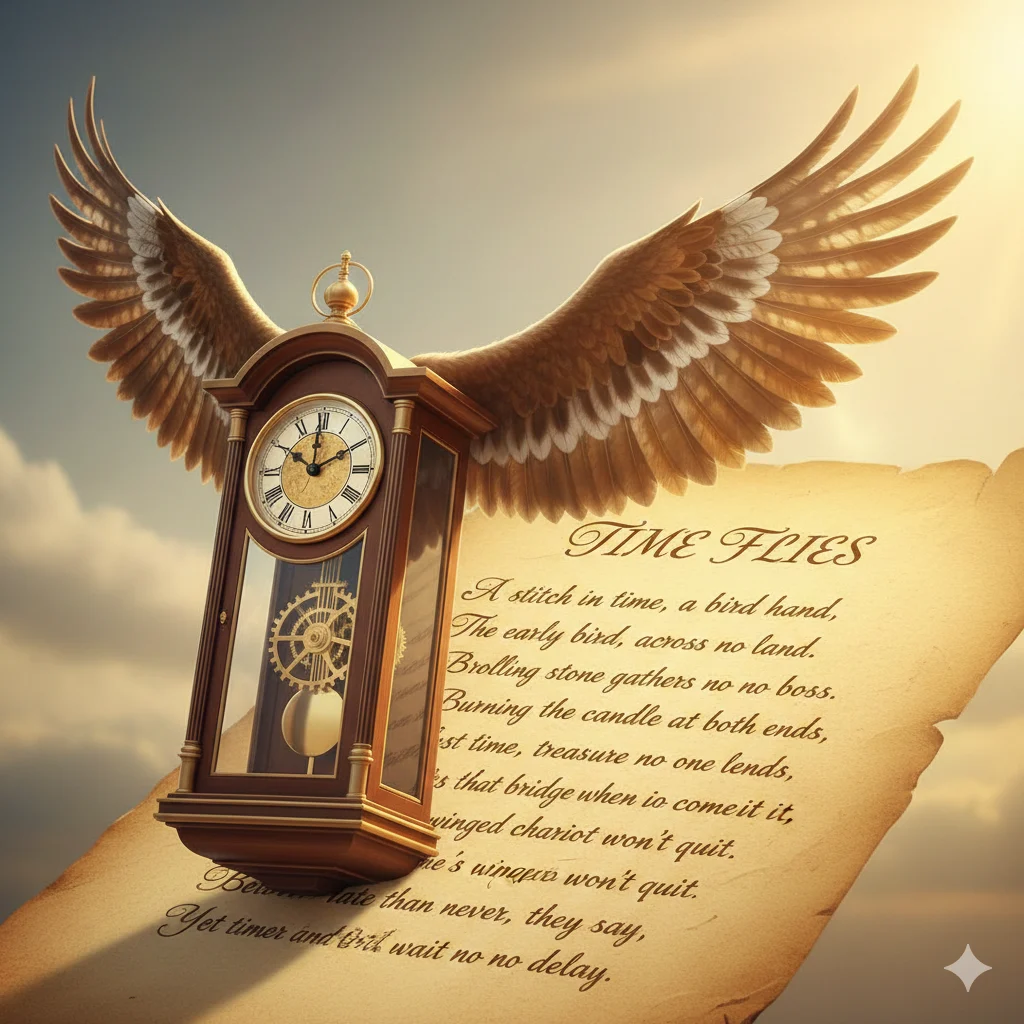
Time Flies
Word-by-word meaning: Time has wings
Idiomatic meaning: Time passes quickly
Example sentence: Time flies when love is near.
Common error: Using in literal contexts
Usage note: Popular in nostalgic poetry
Fall Apart
Word-by-word meaning: Break into pieces
Idiomatic meaning: Lose emotional control
Example sentence: I fell apart when you said goodbye.
Common error: Confusing with physical collapse
Usage note: Emotional poems and free verse
Once in a Blue Moon
Word-by-word meaning:
Neelay chand ke waqt
Idiomatic / Figurative meaning:
Bahut kam hone wali cheez
Example sentence (poem style):
You write to me once in a blue moon,
yet my heart still waits every night.
Common error:
Isay real moon ke color ke liye use karna
Usage note:
Nostalgic aur longing poems ke liye perfect
Spill the Beans
Word-by-word meaning:
Phaliyan gira dena
Idiomatic meaning:
Raaz bata dena
Example sentence:
The stars spilled the beans about your lies.
Common error:
Cooking ya khanay ke context mein use karna
Usage note:
Secrets, betrayal aur suspense wali poetry mein acha lagta hai
Under the Weather
Word-by-word meaning:
Mausam ke neeche
Idiomatic meaning:
Theek mehsoos na karna (emotionally ya physically)
Example sentence:
My soul feels under the weather tonight.
Common error:
Sirf weather report ke liye use karna
Usage note:
Sad aur reflective poem with idioms ke liye best
Hit Rock Bottom
Word-by-word meaning:
Pathar ke farsh tak girna
Idiomatic meaning:
Zindagi ke sab se mushkil mor par hona
Example sentence:
I hit rock bottom before finding hope.
Common error:
Physical girnay ke liye use karna
Usage note:
Struggle aur transformation poems mein powerful hota hai
On Cloud Nine
Word-by-word meaning:
Nauwein badal par hona
Idiomatic meaning:
Bohat zyada khush hona
Example sentence:
I was on cloud nine the day you smiled.
Common error:
Clouds ka exact number count karna 😄
Usage note:
Love aur joyful poetry ke liye common idiom
Burn Bridges
Word-by-word meaning:
Pul jala dena
Idiomatic meaning:
Rishtay ya chances khatam kar dena
Example sentence:
You burned bridges with every goodbye.
Common error:
Actual fire ke liye use karna
Usage note:
Regret aur heartbreak poems mein effective
Turn a Blind Eye
Word-by-word meaning:
Andhi aankh kar lena
Idiomatic meaning:
Jaan boojh kar ignore karna
Example sentence:
You turned a blind eye to my pain.
Common error:
Medical blindness ke liye use karna
Usage note:
Betrayal aur disappointment wali poetry
Pieces of the Puzzle
Word-by-word meaning:
Paheli ke tukray
Idiomatic meaning:
Kisi cheez ke mukhtalif hissaay
Example sentence:
Memories are pieces of the puzzle of us.
Common error:
Sirf actual puzzles ke liye use karna
Usage note:
Reflective aur thoughtful poem with idioms ke liye acha
Lose Your Way
Word-by-word meaning:
Raasta kho dena
Idiomatic meaning:
Confusion ya galat faislay
Example sentence:
I lost my way chasing your shadow.
Common error:
Sirf travel context mein use karna
Usage note:
Self-discovery poems mein kaafi strong idiom
Cold Feet
Word-by-word meaning:
Thanday paon
Idiomatic meaning:
Aakhri waqt par darr jana
Example sentence:
You got cold feet at forever.
Common error:
Temperature ke liye use karna
Usage note:
Love aur commitment themes ke liye useful
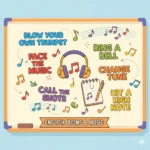
Face the Music
Word-by-word meaning:
Music ka samna karna
Idiomatic meaning:
Apni ghaltiyon ka samna karna
Example sentence:
Now I face the music alone.
Common error:
Concert ya songs ke liye use karna
Usage note:
Consequences aur reality-based poems
The Last Straw
Word-by-word meaning:
Aakhri tinka
Idiomatic meaning:
Sab se aakhri bardasht
Example sentence:
Your silence was the last straw.
Common error:
Sirf farming context mein use karna
Usage note:
Breakup aur emotional explosion poems
In the Same Boat
Word-by-word meaning:
Ek hi kashti mein
Idiomatic meaning:
Ek jaisi situation mein hona
Example sentence:
We’re in the same boat of sorrow.
Common error:
Literal boating ke liye use karna
Usage note:
Unity aur shared pain wali poetry
Through Thick and Thin
Word-by-word meaning:
Mota aur patla
Idiomatic meaning:
Har mushkil aur asaani mein
Example sentence:
I loved you through thick and thin.
Common error:
Body weight ke liye use karna
Usage note:
Loyalty aur commitment poems ke liye perfect
Light at the End of the Tunnel
Word-by-word meaning:
Surang ke aakhir mein roshni
Idiomatic meaning:
Mushkil ke baad umeed
Example sentence:
I see light at the end of the tunnel.
Common error:
Real tunnels ke liye use karna
Usage note:
Hope aur healing poem with idioms ke liye strong ending idiom
FAQs About Poems with Idioms
1. What is a poem with idioms?
A poem that includes idiomatic expressions to convey deeper meaning.
2. Are idioms good for students’ poems?
Yes, if used correctly and naturally.
3. Can idioms confuse readers?
Only if overused or taken literally.
4. Do famous poets use idioms?
Yes, especially in modern and free-verse poetry.
5. How many idioms should a poem have?
Usually one or two is enough.
Conclusion
A well-written poem with idioms feels alive—it speaks like real people think and feel. Start small. Choose one idiom you love, build a short poem around it, and let meaning unfold naturally. The more you read and practice, the more confidently you’ll use idioms without forcing them. Poetry isn’t about perfection—it’s about expression. Pick up a pen and let your words speak between the lines.

“Elizabeth Bowen shares timeless idioms and language wisdom on LearnIdom.com, making learning phrases fun, easy, and unforgettable.”