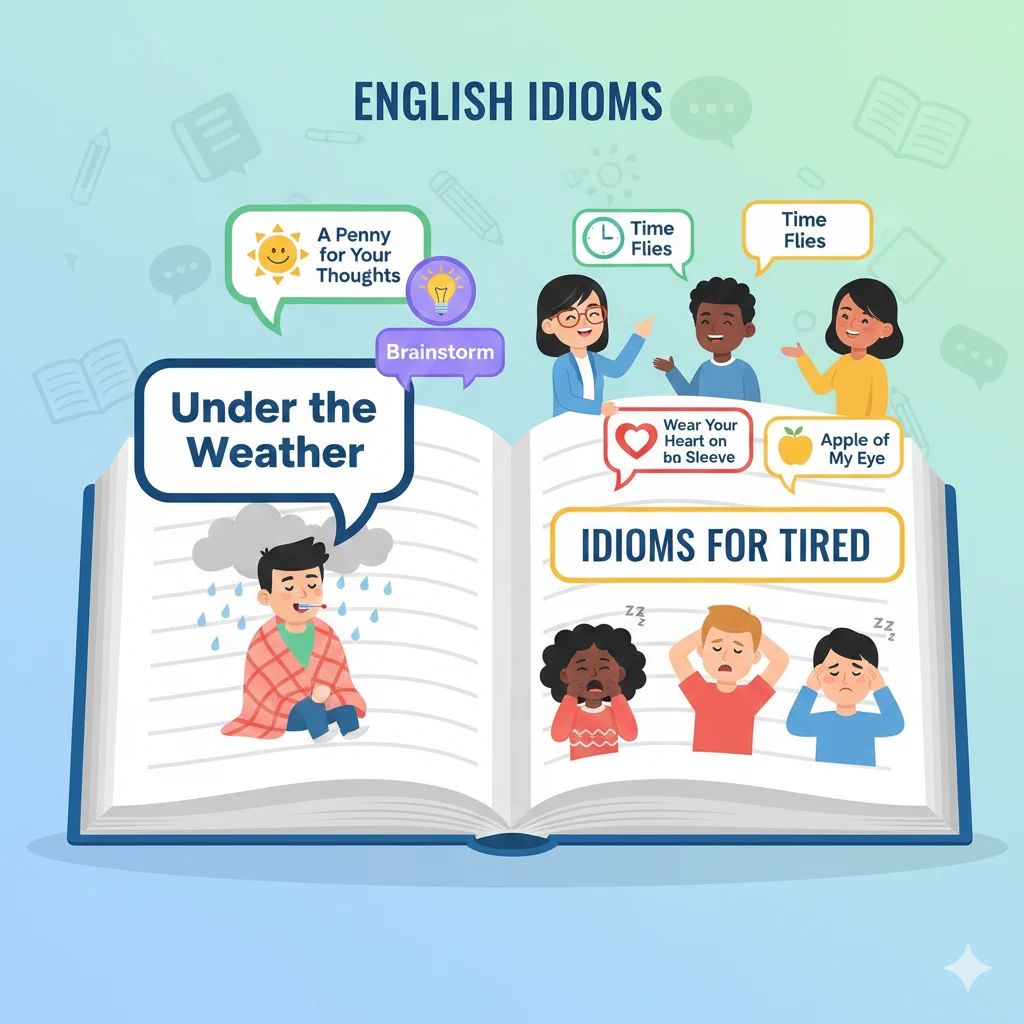
Feeling completely drained after a long day? We’ve all been there—dragging ourselves home, running on caffeine, and counting the minutes until bed. That’s exactly where idioms for tired come in. Instead of saying “I’m very tired” again and again, English speakers use colorful expressions to show how tired they really are.
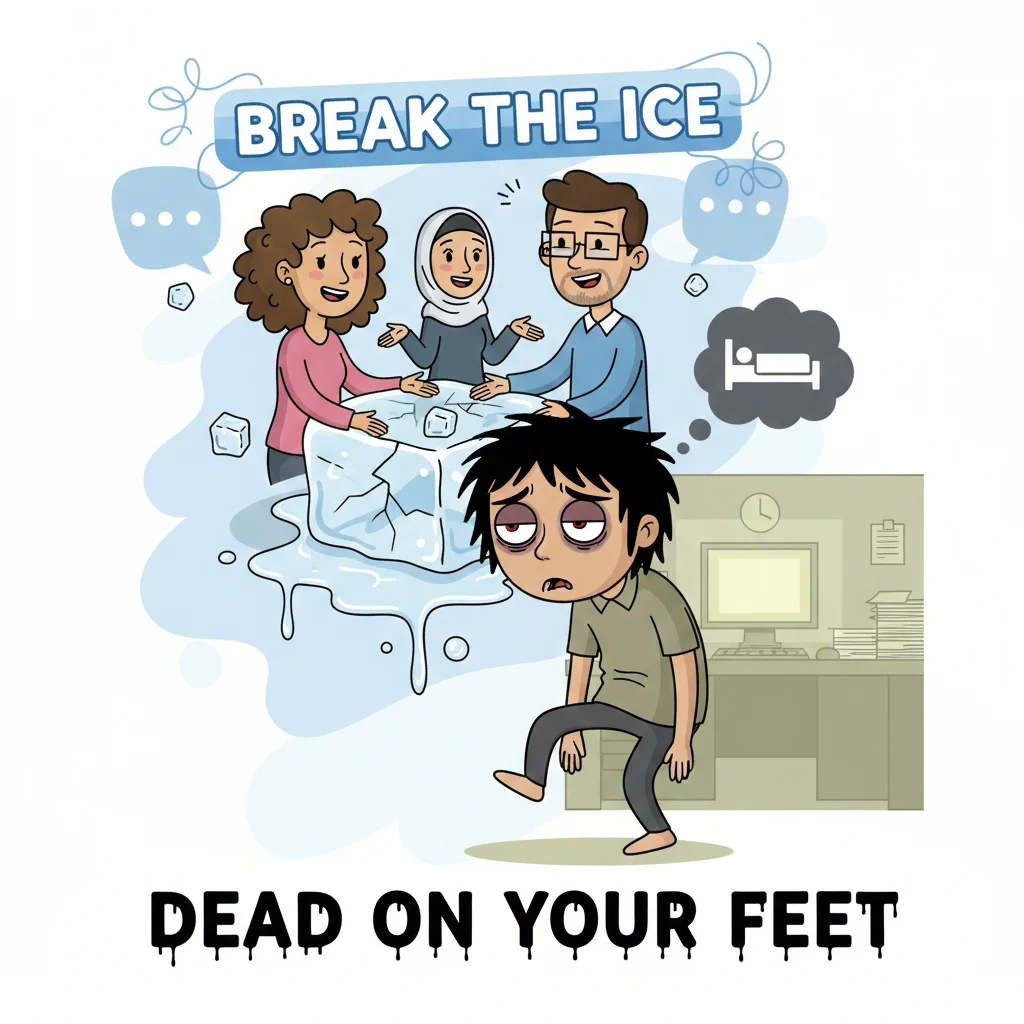
Imagine finishing exams, working a double shift, or staying up too late scrolling on your phone. You’re not just tired—you’re dead on your feet or running on empty.
In this guide, you’ll learn 20 of the most famous idioms for tired, with simple explanations, real-life examples, and tips to avoid common mistakes. By the end, you’ll sound more natural, confident, and fluent when talking about exhaustion.
Why Learn Idioms for Tired?
Idioms help you:
- Sound more like a native speaker
- Express emotions clearly and naturally
- Understand movies, shows, and conversations better
Let’s dive in.
110+ Idioms for Impossible Situations Explained Simply 🚫🤯
Dead on your feet
Word-by-word meaning: So tired you might fall over
Idiomatic meaning: Extremely exhausted
Example sentence: After the night shift, I was dead on my feet.
Common error: Using it for boredom instead of physical tiredness
Usage note: Very common in spoken English
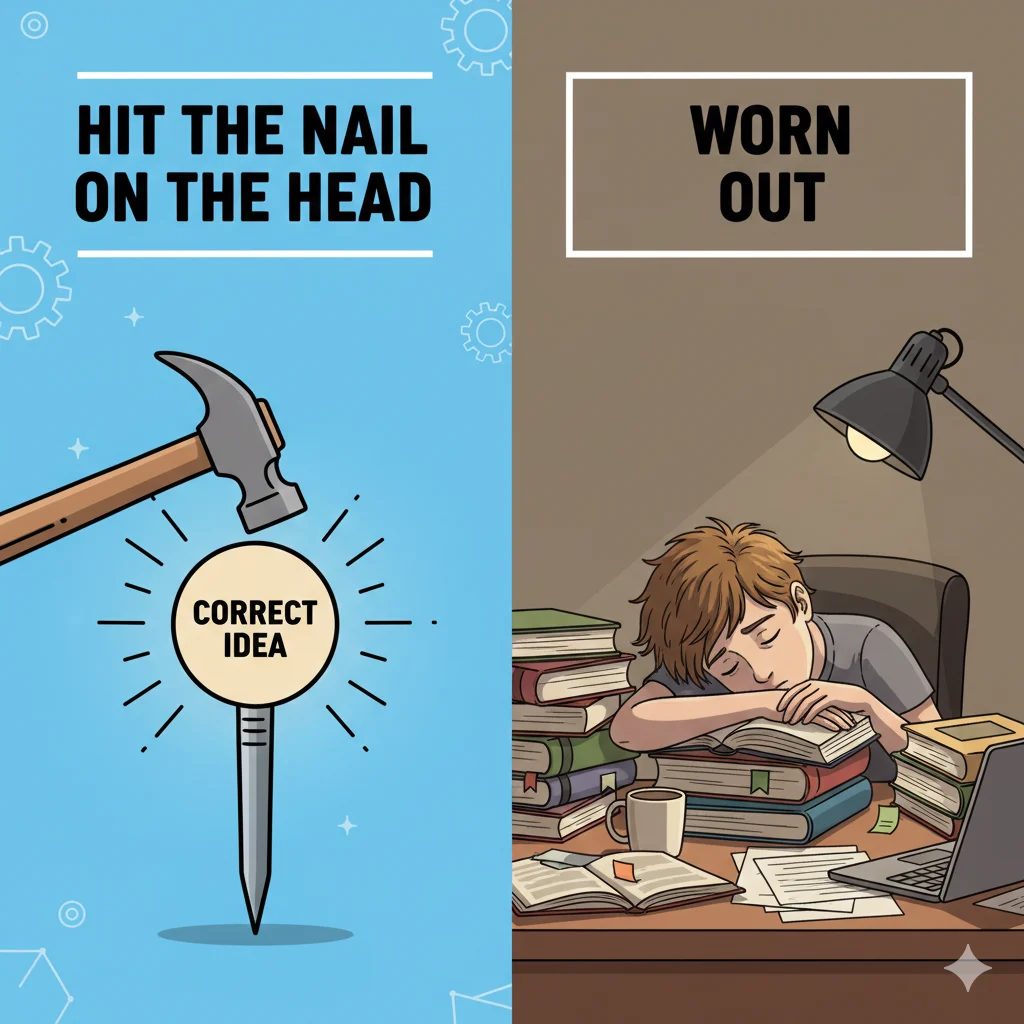
Worn out

Word-by-word meaning: Used until damaged
Idiomatic meaning: Very tired from effort
Example sentence: I’m worn out after cleaning all day.
Common error: Confusing with “broken”
Usage note: Works for people and objects
Exhausted

Word-by-word meaning: Completely used up
Idiomatic meaning: Extremely tired
Example sentence: She was exhausted after the marathon.
Common error: Overusing it in formal writing
Usage note: Neutral and very common
Beat

Word-by-word meaning: Hit or defeated
Idiomatic meaning: Very tired
Example sentence: I’m beat—let’s talk tomorrow.
Common error: Forgetting it’s informal
Usage note: Casual conversations only
Dog-tired
Word-by-word meaning: As tired as a dog
Idiomatic meaning: Extremely exhausted
Example sentence: I was dog-tired after the hike.
Common error: Saying “dog tired” without the hyphen
Usage note: Informal but expressive
Running on empty
Word-by-word meaning: No fuel left
Idiomatic meaning: No energy remaining
Example sentence: By Friday, I’m running on empty.
Common error: Using it for hunger only
Usage note: Great for work or study stress
Burnt out
Word-by-word meaning: Burned completely
Idiomatic meaning: Mentally and physically exhausted
Example sentence: He felt burnt out after months of overtime.
Common error: Confusing with “tired for one day”
Usage note: Often long-term tiredness
Sleep-deprived
Word-by-word meaning: Lacking sleep
Idiomatic meaning: Tired due to little sleep
Example sentence: New parents are usually sleep-deprived.
Common error: Using it humorously in serious contexts
Usage note: Common in health topics
Dragging myself
Word-by-word meaning: Pulling your body
Idiomatic meaning: Moving with great effort
Example sentence: I was dragging myself to school.
Common error: Forgetting the reflexive form
Usage note: Very visual expression
Ready to drop
Word-by-word meaning: About to fall
Idiomatic meaning: Extremely tired
Example sentence: After practice, I was ready to drop.
Common error: Using it in formal writing
Usage note: Spoken English
All in
Word-by-word meaning: Everything included
Idiomatic meaning: Completely exhausted
Example sentence: I’m all in after today.
Common error: Confusing with gambling meaning
Usage note: Informal
Fatigued
Word-by-word meaning: Weakened
Idiomatic meaning: Tired, often medically
Example sentence: The patient felt fatigued.
Common error: Using it casually with friends
Usage note: Formal/medical tone
Spent
Word-by-word meaning: Used up
Idiomatic meaning: No energy left
Example sentence: I’m completely spent.
Common error: Mixing with money context
Usage note: Short and natural
Shattered
Word-by-word meaning: Broken into pieces
Idiomatic meaning: Extremely tired
Example sentence: I’m shattered after exams.
Common error: Overusing for minor tiredness
Usage note: Common in British English
Pooped
Word-by-word meaning: Childish term
Idiomatic meaning: Tired
Example sentence: I’m pooped—nap time!
Common error: Using in formal settings
Usage note: Very informal
Overworked
Word-by-word meaning: Worked too much
Idiomatic meaning: Tired from excessive work
Example sentence: She’s overworked and stressed.
Common error: Using for short-term tiredness
Usage note: Workplace contexts
Bone-tired
Word-by-word meaning: Tired to the bones
Idiomatic meaning: Deep exhaustion
Example sentence: I felt bone-tired after moving house.
Common error: Saying “bones tired”
Usage note: Emphatic
Weary
Word-by-word meaning: Worn down
Idiomatic meaning: Tired, often emotionally
Example sentence: He grew weary of the routine.
Common error: Confusing with “wary”
Usage note: Slightly formal
Out like a light
Word-by-word meaning: Light switched off
Idiomatic meaning: Fell asleep instantly
Example sentence: I was out like a light.
Common error: Using it before sleeping
Usage note: Past tense usage
Knackered
Word-by-word meaning: Completely broken
Idiomatic meaning: Very tired
Example sentence: I’m absolutely knackered.
Common error: Using in American formal English
Usage note: British slang
FAQs About Idioms for Tired
1. What are idioms for tired?
They are fixed expressions used to describe tiredness in a natural, colorful way.
2. Are idioms for tired formal?
Most are informal, but some like fatigued or weary are formal.
3. Can I use these idioms in writing?
Yes, but choose based on tone—casual vs. academic.
4. Which idioms are best for exams?
Neutral ones like exhausted or worn out are safest.
Conclusion
Learning idioms for tired is a small step that makes a big difference in your English. Try using one new idiom each day—after school, work, or workouts. Write your own sentences, say them out loud, and notice how native speakers use them. The more you practice, the more natural they’ll feel. You’ve got this—just don’t forget to rest too!

“Iris Murdoch explores the beauty of language and idioms on LearnIdom.com, making learning phrases engaging, memorable, and fun for everyone.”