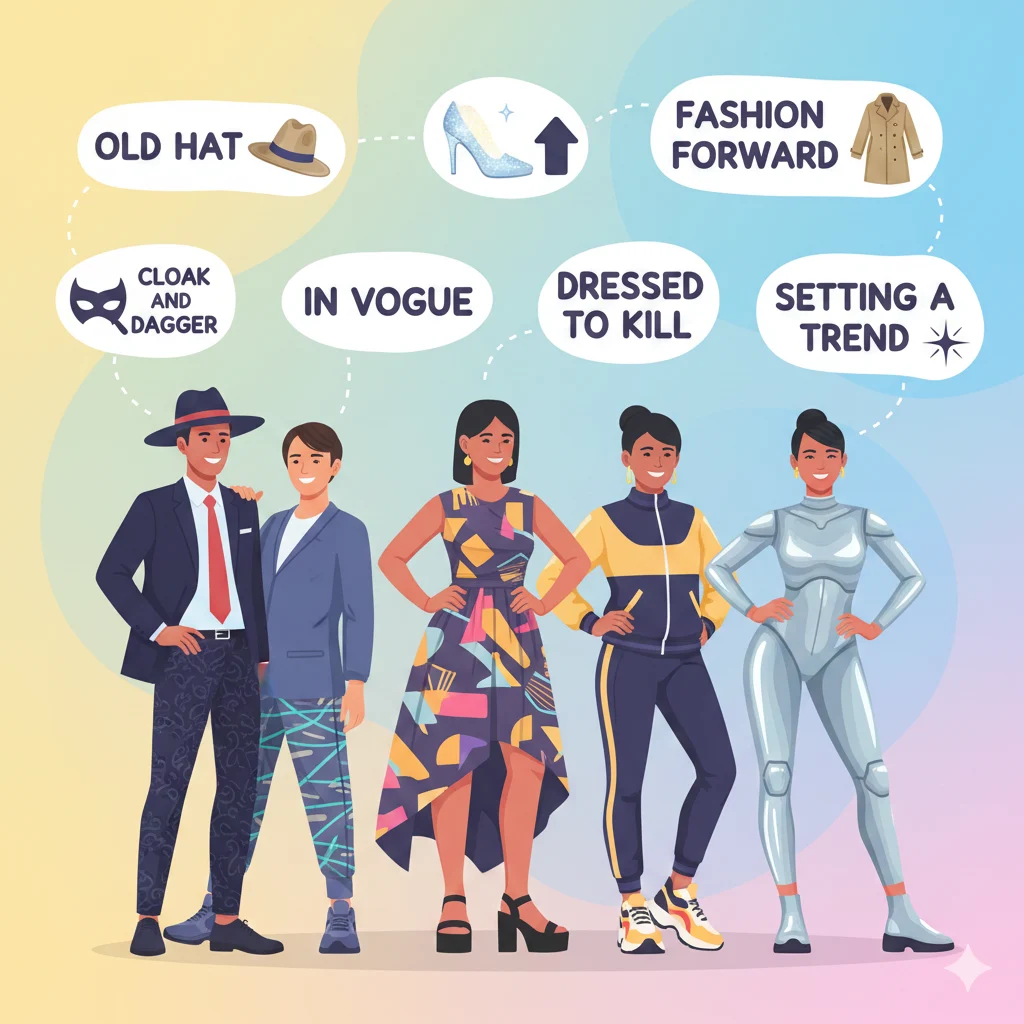
Fashion isn’t just about clothes—it’s also woven deeply into the English language. Idioms about fashion appear everywhere: in conversations, movies, social media, and even exams. Imagine chatting with friends about trends, and someone says, “That outfit is old hat.” If you don’t know the idiom, you might miss the meaning completely.
In this article, you’ll explore 20 of the most famous idioms about fashion, explained in a simple, learner-friendly way. Each idiom comes with clear meanings, real-life examples, common mistakes, and usage tips.
Whether you’re an English learner, a teacher, or just curious about language, these expressions will help you sound more natural, confident, and stylish in English. Let’s dress up your vocabulary—no shopping required!
Old Hat
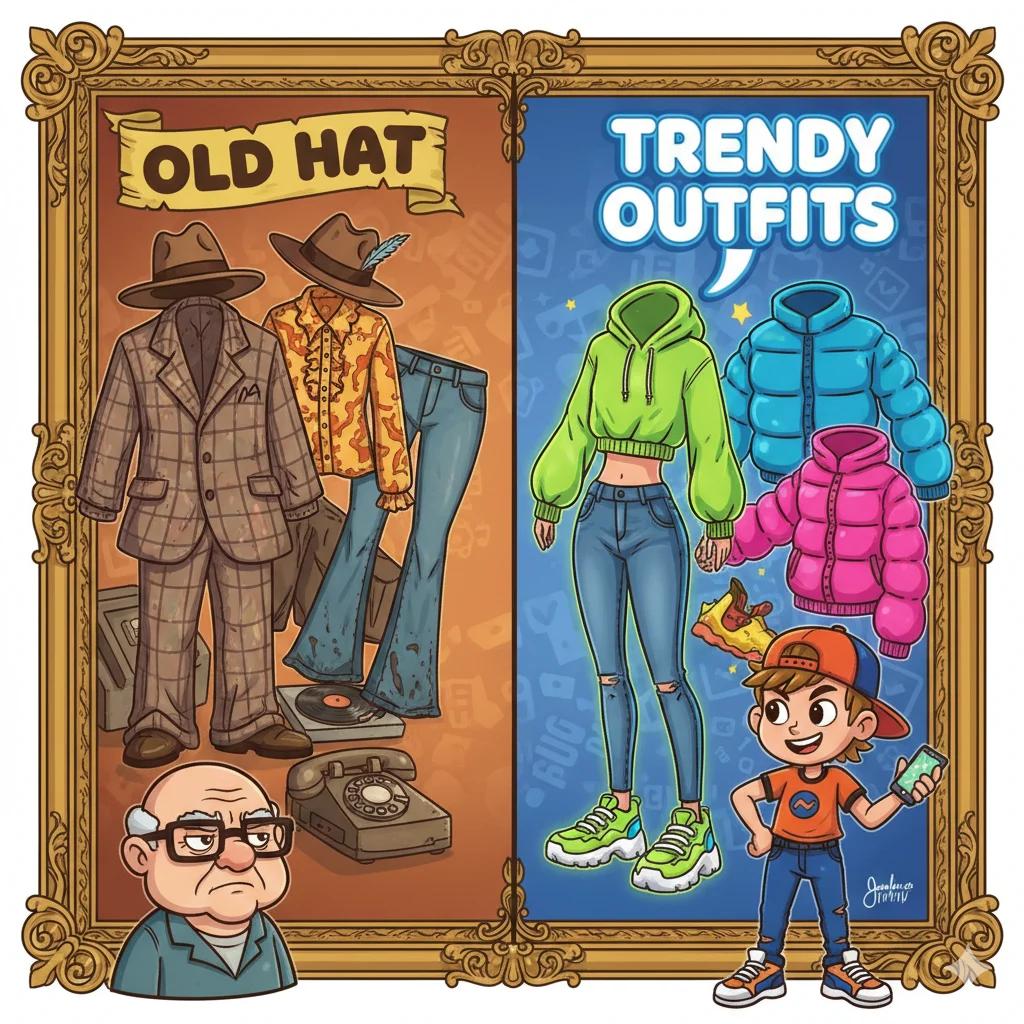
Word-by-word meaning: An old hat
Idiomatic meaning: Something outdated or no longer interesting
Example sentence: Skinny jeans are old hat now; everyone’s wearing wide-leg pants.
Common error: Using it to describe a physical old hat only
Usage note: Often used for ideas, trends, or habits
Dressed to the Nines
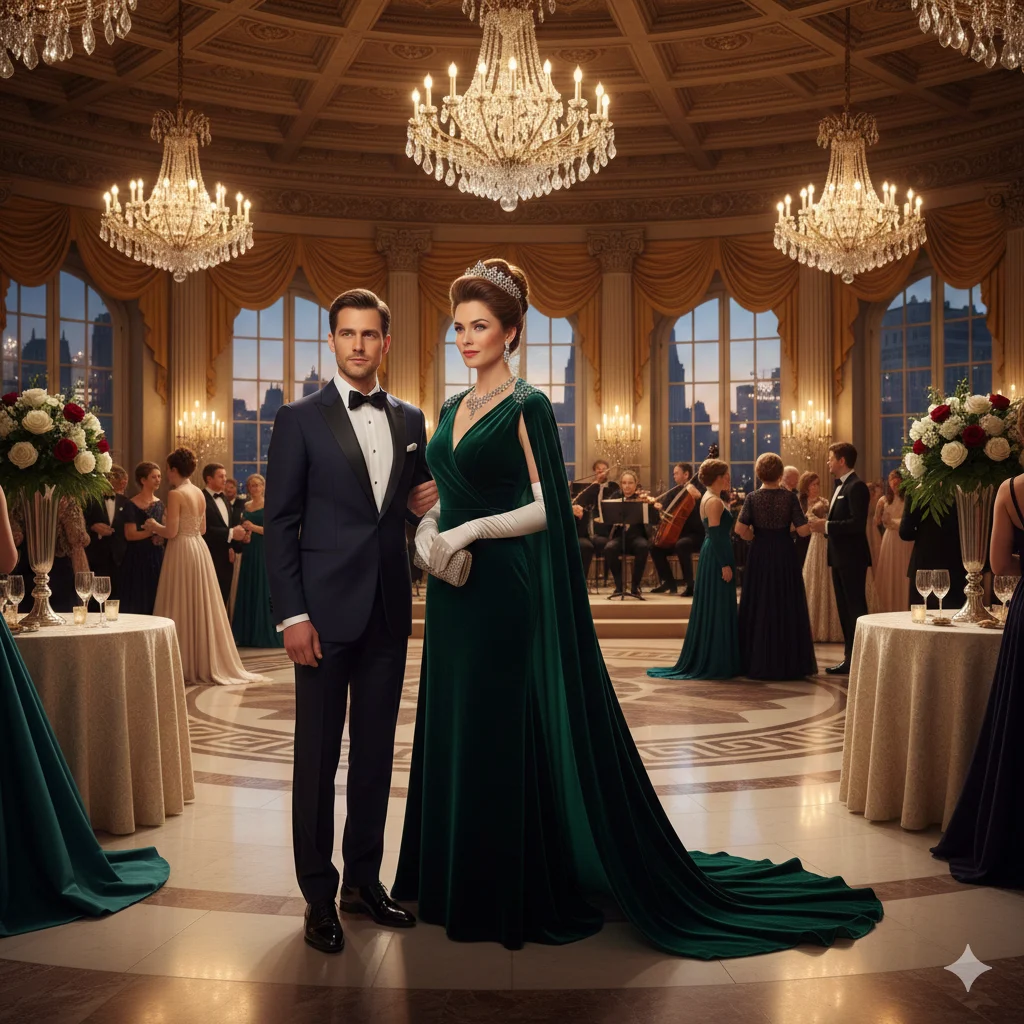
Word-by-word meaning: Dressed up to nine
Idiomatic meaning: Dressed very stylishly or formally
Example sentence: She was dressed to the nines at the award ceremony.
Common error: Using it for casual clothes
Usage note: Perfect for formal events
Fashion Victim
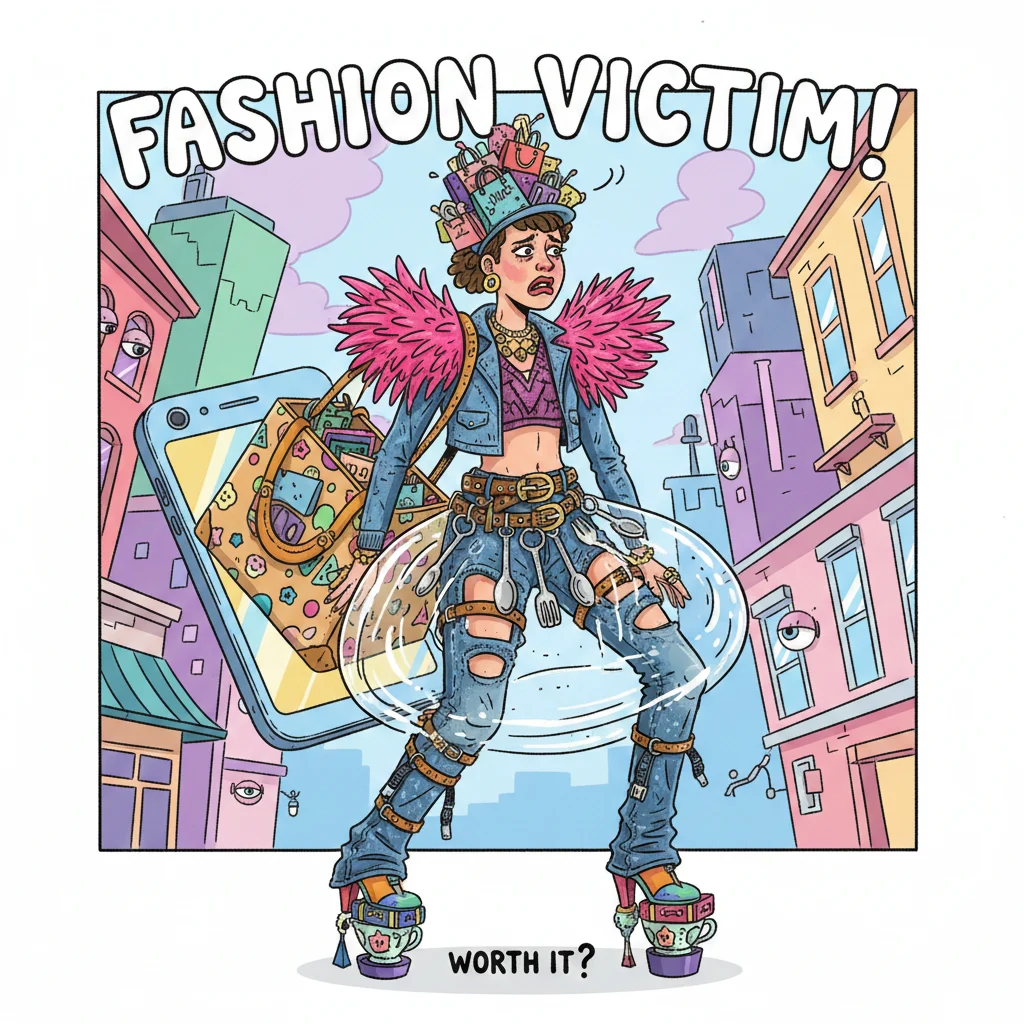
Word-by-word meaning: A victim of fashion
Idiomatic meaning: Someone who blindly follows fashion trends
Example sentence: He’s a fashion victim—those shoes look painful!
Common error: Using it positively
Usage note: Usually slightly negative or humorous
In Vogue
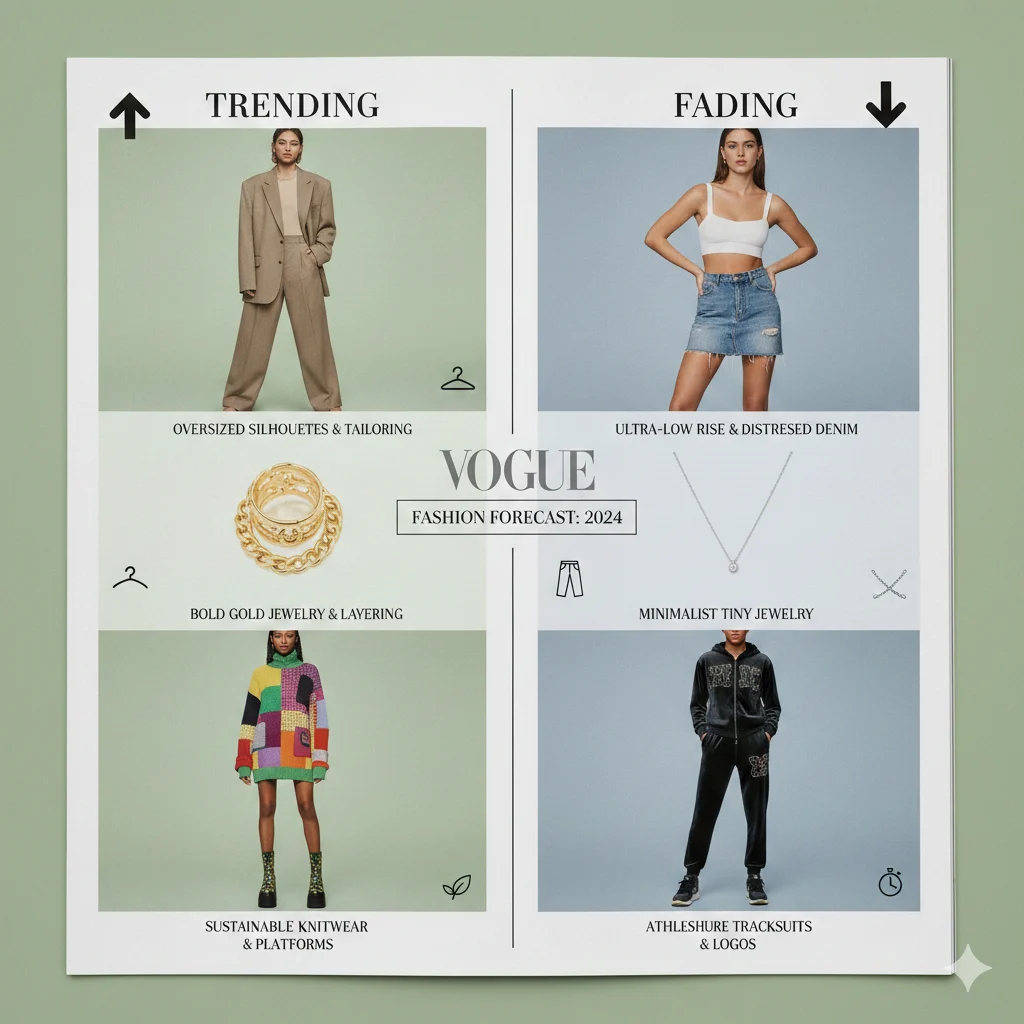
Word-by-word meaning: In fashion
Idiomatic meaning: Currently popular or trendy
Example sentence: Pastel colors are in vogue this spring.
Common error: Saying “on vogue”
Usage note: Common in magazines and blogs
Out of Fashion
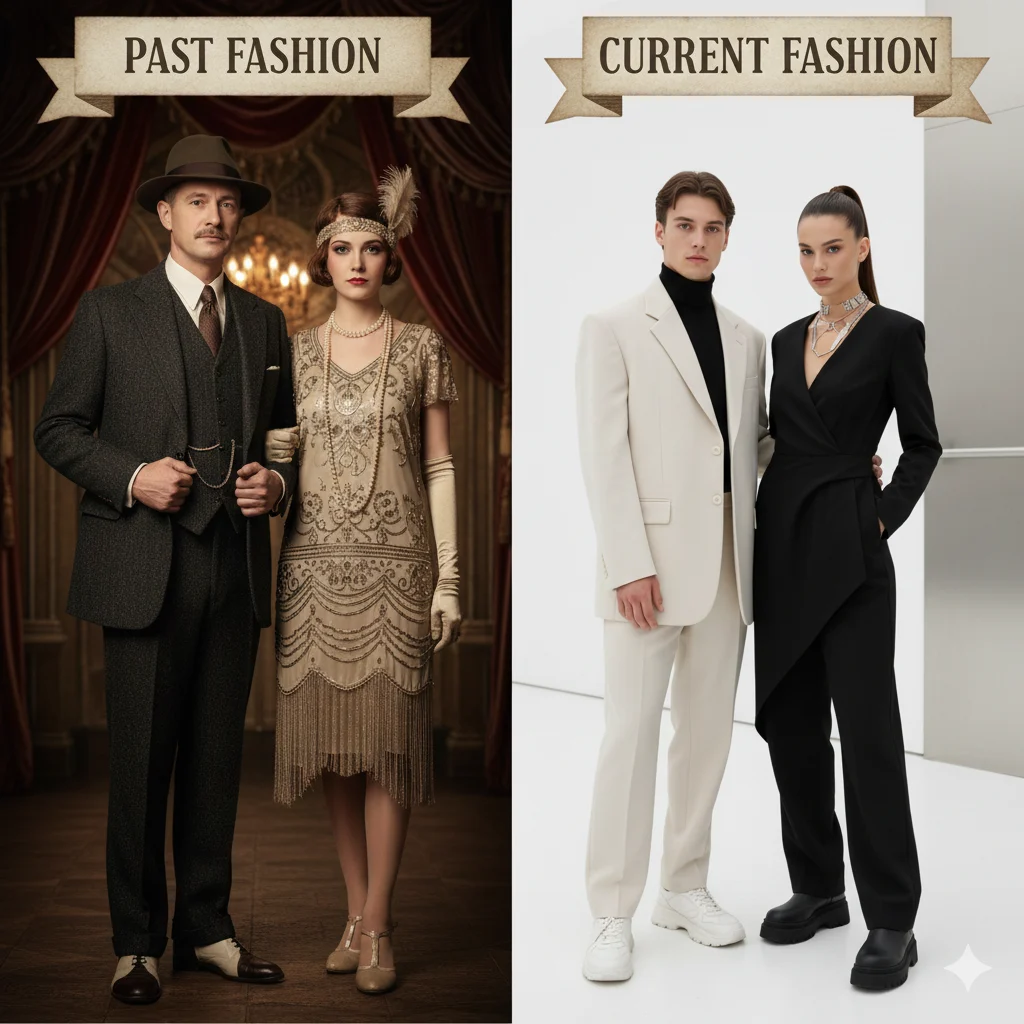
Word-by-word meaning: Not in fashion
Idiomatic meaning: No longer trendy
Example sentence: Low-rise jeans went out of fashion years ago.
Common error: Confusing with “unfashionable” people
Usage note: Used for styles and trends
Cut from the Same Cloth
Word-by-word meaning: Made from the same fabric
Idiomatic meaning: Very similar in character or style
Example sentence: Those two designers are cut from the same cloth.
Common error: Using it only for clothes
Usage note: Often used for people
Wear the Pants
Word-by-word meaning: To wear trousers
Idiomatic meaning: To be in control (in a relationship or group)
Example sentence: Everyone knows she wears the pants in that family.
Common error: Using it literally
Usage note: Informal expression
Fit Like a Glove
Word-by-word meaning: Fits perfectly
Idiomatic meaning: Something fits exactly right
Example sentence: This jacket fits like a glove.
Common error: Using for loose items
Usage note: Can describe non-clothing too
Buttoned-Up
Word-by-word meaning: Buttons closed
Idiomatic meaning: Very formal or reserved
Example sentence: He’s a bit buttoned-up at work.
Common error: Confusing with “well-dressed”
Usage note: Often describes personality
Hand-Me-Down
Word-by-word meaning: Given by hand
Idiomatic meaning: Used clothing passed to someone else
Example sentence: I grew up wearing my sister’s hand-me-downs.
Common error: Using for new clothes
Usage note: Informal and common in daily speech
Wear Many Hats
Word-by-word meaning: Wear different hats
Idiomatic meaning: Have many roles or responsibilities
Example sentence: As a blogger, she wears many hats.
Common error: Linking it only to fashion
Usage note: Very common in work contexts
Tailor-Made
Word-by-word meaning: Made by a tailor
Idiomatic meaning: Perfectly suited for a purpose
Example sentence: This job is tailor-made for her skills.
Common error: Using only for clothing
Usage note: Great for formal writing
Well-Heeled
Word-by-word meaning: Wearing good shoes
Idiomatic meaning: Wealthy
Example sentence: The area is full of well-heeled shoppers.
Common error: Confusing with fashion sense
Usage note: Slightly formal
Under One’s Belt
Word-by-word meaning: Under the belt
Idiomatic meaning: Achieved or experienced
Example sentence: She has years of experience under her belt.
Common error: Mixing with “below the belt”
Usage note: Very common idiom
Below the Belt
Word-by-word meaning: Below waist
Idiomatic meaning: Unfair or inappropriate
Example sentence: That comment was below the belt.
Common error: Confusing with fashion meaning
Usage note: Used in arguments
Pull Oneself Together
Word-by-word meaning: Adjust clothes
Idiomatic meaning: Regain control or calm down
Example sentence: Pull yourself together before the meeting.
Common error: Using for physical dressing only
Usage note: Encouraging tone
With Pockets to Spare
Word-by-word meaning: Extra pockets
Idiomatic meaning: More than enough money
Example sentence: He bought the car with pockets to spare.
Common error: Rare literal use
Usage note: Informal
On a Shoestring
Word-by-word meaning: Using shoelaces
Idiomatic meaning: With very little money
Example sentence: She started her brand on a shoestring budget.
Common error: Forgetting “budget” context
Usage note: Business and lifestyle use
Style Over Substance
Word-by-word meaning: Appearance over quality
Idiomatic meaning: Looks better than it performs
Example sentence: The product is all style over substance.
Common error: Using only in fashion talk
Usage note: Common in reviews
Clothes Make the Man
Word-by-word meaning: Clothes define a man
Idiomatic meaning: Appearance affects how people judge you
Example sentence: In interviews, clothes make the man.
Common error: Taking it literally
Usage note: Traditional proverb
FAQs About Idioms About Fashion
Q1: Why are idioms about fashion so common in English?
Because clothing is part of everyday life and culture, making idioms easy to relate to.
Q2: Can I use these idioms in formal writing?
Some, like tailor-made or in vogue, work well in formal contexts.
Q3: Are fashion idioms used by native speakers today?
Yes! Many are still widely used in conversation and media.
Q4: How can I remember fashion idioms easily?
Connect them with real outfits, trends, or personal experiences.
Conclusion
Learning idioms about fashion is like upgrading your wardrobe—you instantly feel more confident and expressive. Don’t try to memorize all 20 at once. Pick a few, use them in sentences, and notice how native speakers use them in real life. With regular practice, these idioms will fit your English like a glove. Keep practicing, stay curious, and let your language style shine!

“Elizabeth Bowen shares timeless idioms and language wisdom on LearnIdom.com, making learning phrases fun, easy, and unforgettable.”