Idioms about emotions are expressive English phrases used to describe feelings such as happiness, sadness, anger, fear, excitement, love, worry, surprise, and disappointment. These emotion idioms with meanings and examples help speakers communicate feelings in a more vivid and natural way than literal language.
Popular expressions include “over the moon,” “on cloud nine,” “green with envy,” “lose your temper,” “have butterflies in your stomach,” and “down in the dumps.” Because idioms often have meanings that differ from their individual words, learning them can also improve reading comprehension and help English learners understand conversations, books, movies, and everyday speech.
Whether you’re a student, teacher, writer, or ESL learner, this guide explores useful English idioms about emotions, with clear meanings, practical examples, usage notes, and easy explanations to help you recognize and use these expressions confidently in natural English.
Over the Moon
Word-by-word meaning
Literally means being far above the moon.
Idiomatic meaning
Extremely happy or thrilled.
Example sentences

- I was over the moon when I received my scholarship.
- She felt over the moon after hearing the good news.
Common error
❌ Saying on the moon instead of over the moon.
Usage note
Often used for major achievements or exciting news.
Down in the Dumps
Word-by-word meaning
Being in a garbage dump.
Idiomatic meaning
Feeling very sad or depressed.
Example sentences
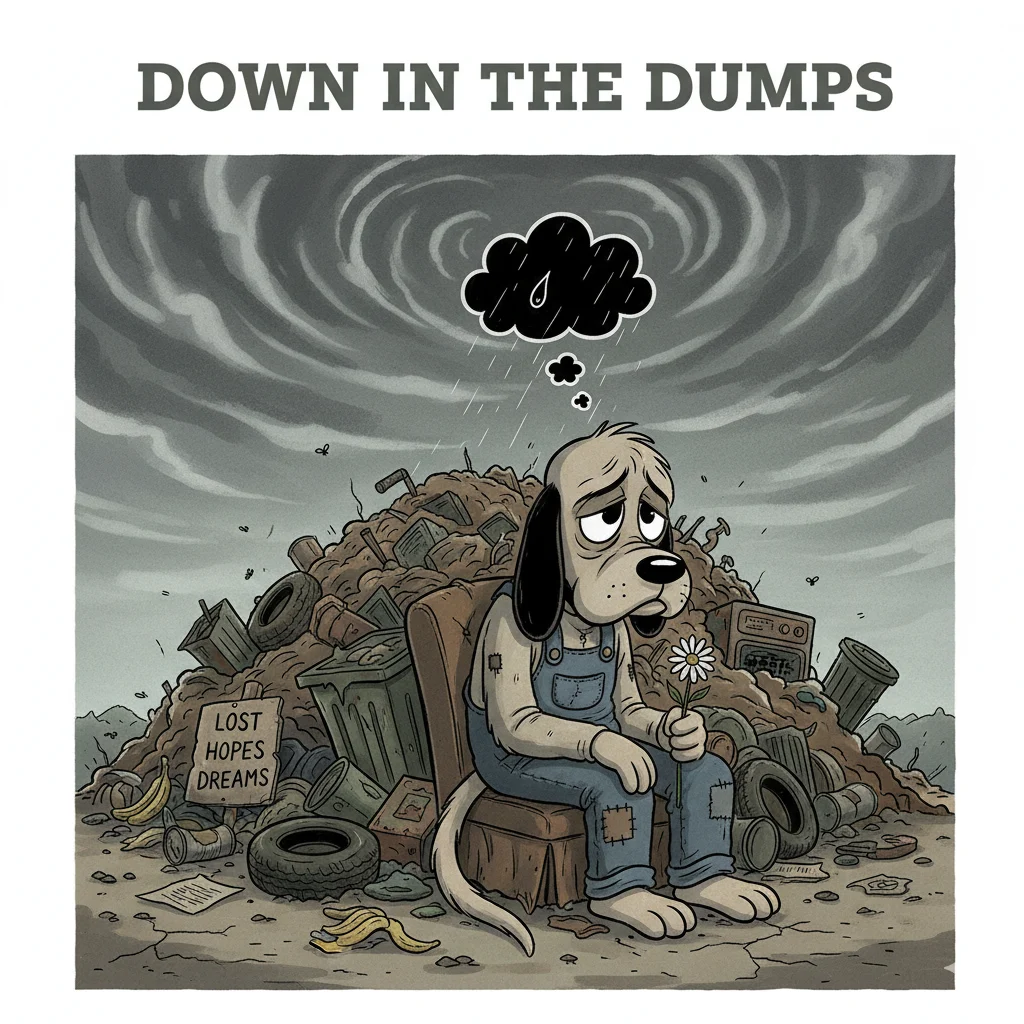
- He has been down in the dumps since the team lost.
- She looked down in the dumps after the interview.
Common error
❌ Using it for physical tiredness instead of emotional sadness.
Usage note
Usually describes longer periods of sadness.
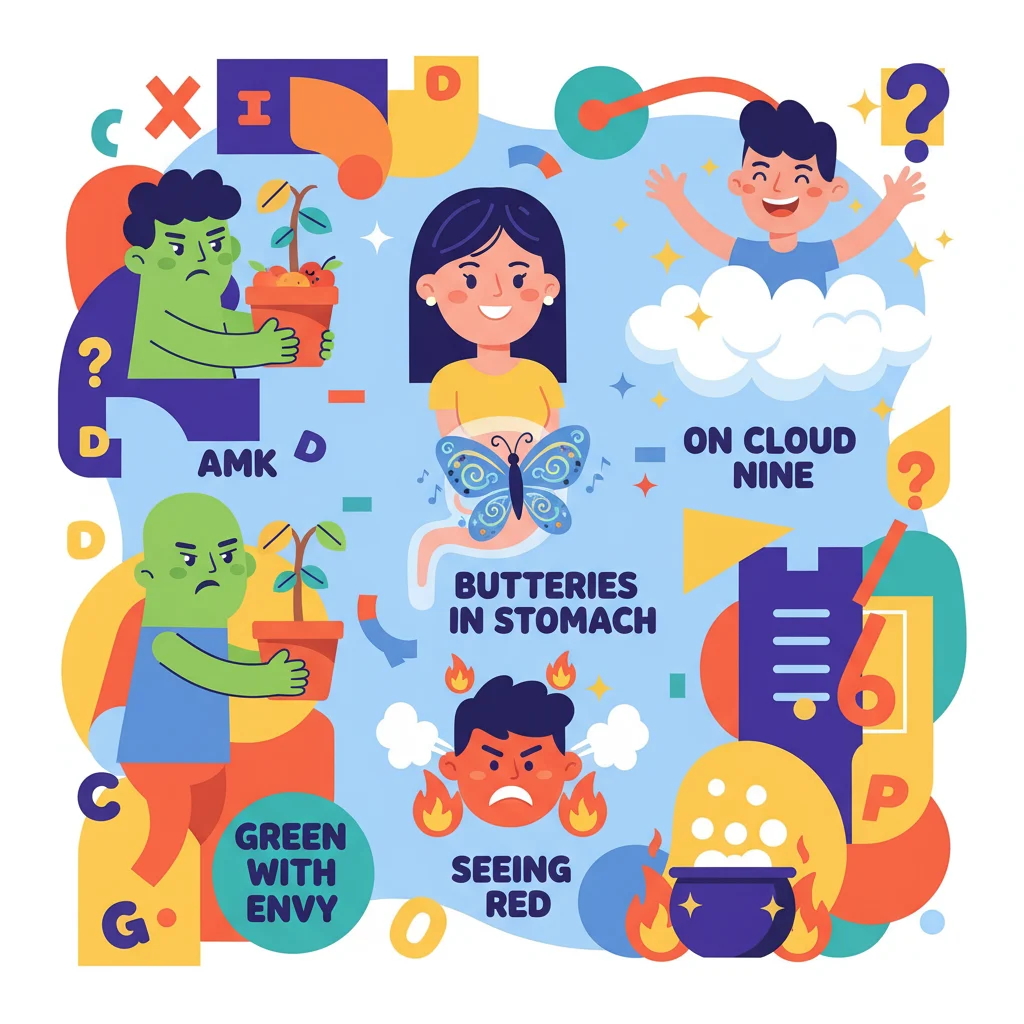
On Cloud Nine
Word-by-word meaning
Being on the ninth cloud.
Idiomatic meaning
Feeling extremely happy and joyful.
Example sentences

- They were on cloud nine after their wedding day.
- I was on cloud nine when I got my first job.
Common error
❌ Writing in cloud nine.
Usage note
Common when talking about life achievements or big success.
Blow Your Top
Word-by-word meaning
Your head exploding like a lid.
Idiomatic meaning
To suddenly become extremely angry.
Example sentences
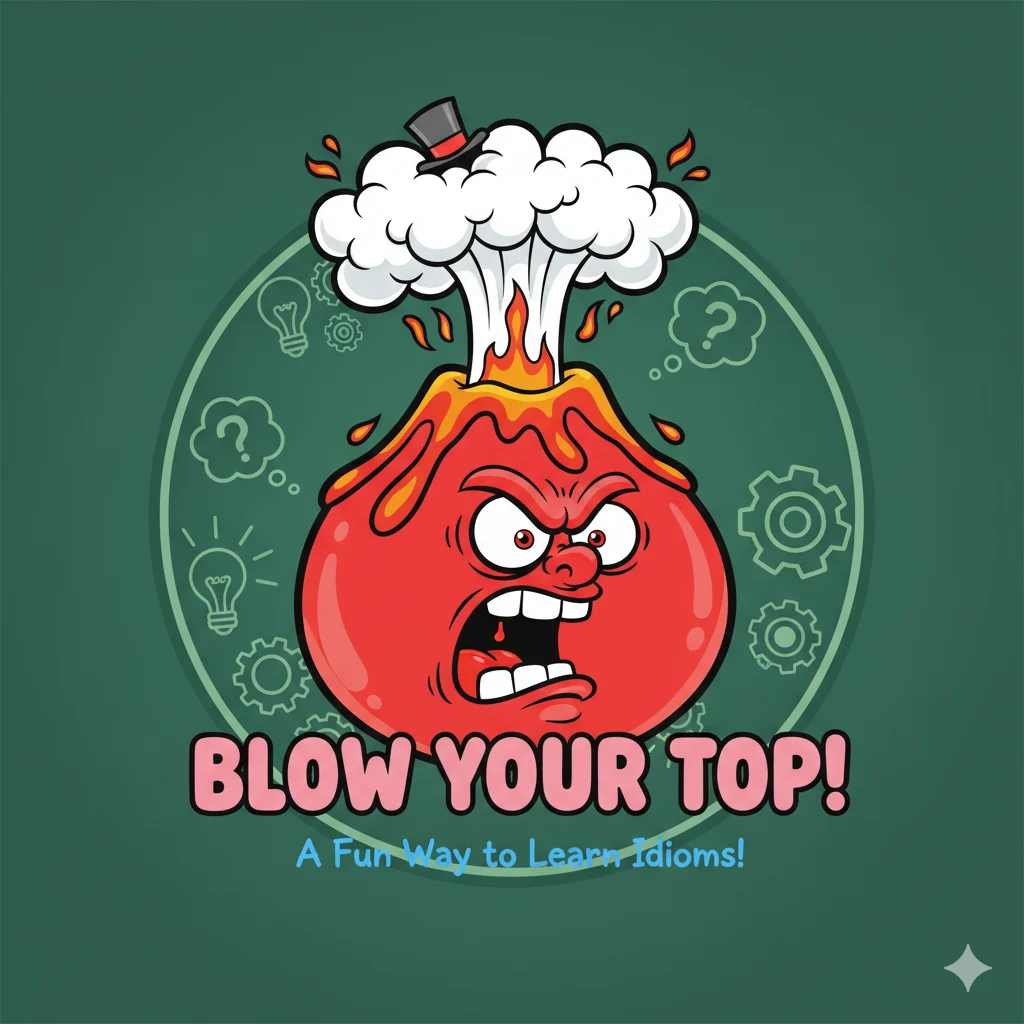
- My boss blew his top when he saw the mistake.
- She blew her top during the argument.
Common error
❌ Using it for mild anger.
Usage note
Describes sudden explosive anger.
Have Butterflies in Your Stomach
Word-by-word meaning
Butterflies flying inside your stomach.
Idiomatic meaning
Feeling nervous or anxious.
Example sentences
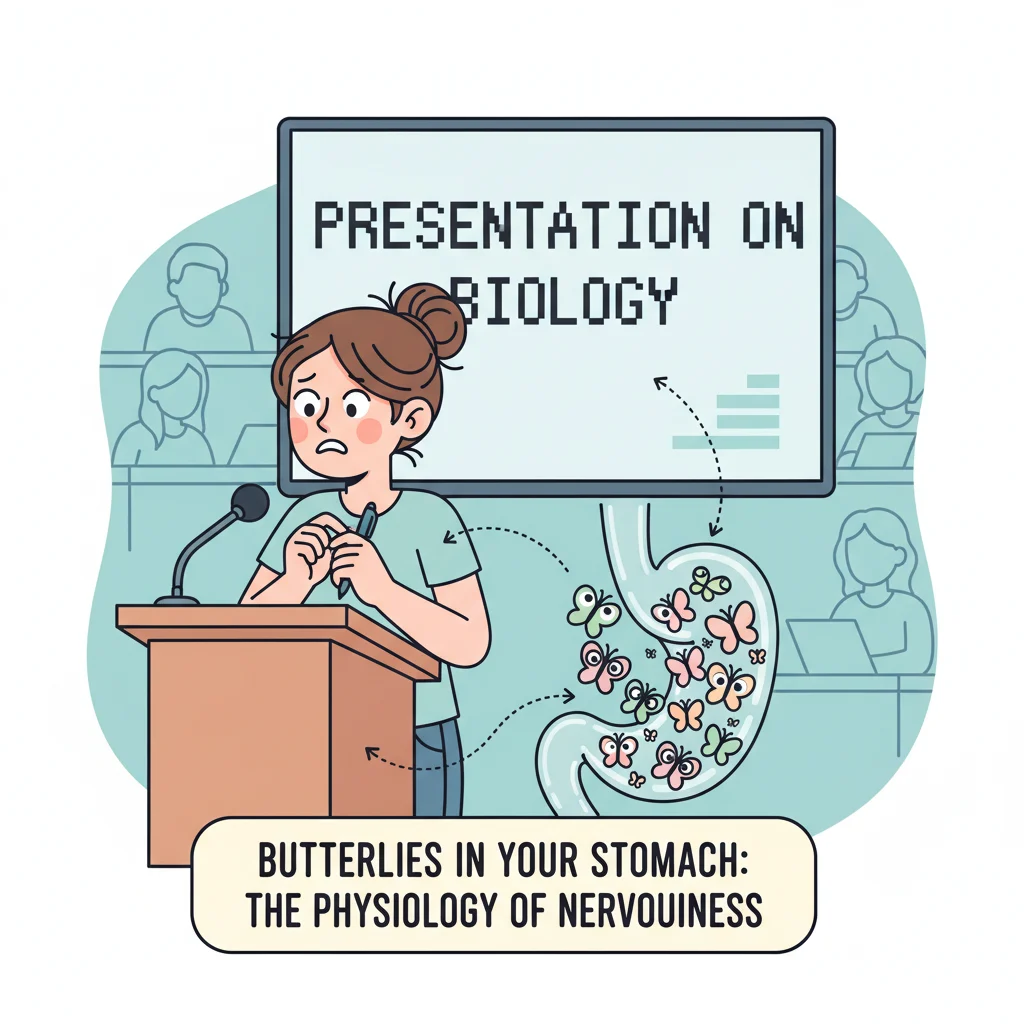
- I had butterflies in my stomach before the interview.
- She gets butterflies before every exam.
Common error
❌ Saying butterflies in the stomach.
Usage note
Often used before presentations, exams, or performances.
Cry Over Spilled Milk
Word-by-word meaning
Crying about milk that has already spilled.
Idiomatic meaning
Being upset about something that cannot be changed.
Example sentences
- Don’t cry over spilled milk; mistakes happen.
- It’s useless to cry over spilled milk now.
Usage note
Encourages people to move forward instead of regretting the past.
Green with Envy
Word-by-word meaning
Turning green because of jealousy.
Idiomatic meaning
Feeling extremely jealous.
Example sentences
- He was green with envy when he saw the new car.
- Her success made others green with envy.
Common error
❌ Saying green in envy.
Usage note
Used when jealousy is very intense.
Jump for Joy
Word-by-word meaning
Jumping because of happiness.
Idiomatic meaning
Expressing extreme happiness.
Example sentences
- The kids jumped for joy when school closed early.
- She jumped for joy after hearing the results.
Usage note
Often used in exciting or celebratory moments.
Wear Your Heart on Your Sleeve
Word-by-word meaning
Displaying your heart openly.
Idiomatic meaning
Showing emotions openly and honestly.
Example sentences
- He wears his heart on his sleeve.
- She always wears her heart on her sleeve.
Usage note
Describes people who don’t hide their feelings.
In High Spirits
Word-by-word meaning
Having high emotional energy.
Idiomatic meaning
Feeling cheerful and lively.
Example sentences
- Everyone was in high spirits at the party.
- The team remained in high spirits after winning.
Lose Your Temper
Word-by-word meaning
Losing control of your anger.
Idiomatic meaning
Becoming angry suddenly.
Example sentences
- He lost his temper during the debate.
- Try not to lose your temper at work.
Heart in Your Mouth
Word-by-word meaning
Your heart jumping up to your mouth.
Idiomatic meaning
Feeling intense fear or anxiety.
Example sentences
- My heart was in my mouth during the match.
- She watched the movie with her heart in her mouth.
Break Someone’s Heart
Word-by-word meaning
Breaking a heart.
Idiomatic meaning
Causing deep emotional pain.
Example sentences
- The breakup broke her heart.
- It would break his heart to leave his hometown.
Hard Feelings
Word-by-word meaning
Strong negative emotions.
Idiomatic meaning
Resentment or anger.
Example sentences
- There are no hard feelings between us.
- I hope there are no hard feelings after the discussion.
Scared to Death
Word-by-word meaning
Being so scared that you might die.
Idiomatic meaning
Extremely frightened.
Example sentences
- I was scared to death during the thunderstorm.
- She’s scared to death of snakes.
Walk on Air
Word-by-word meaning
Walking above the ground.
Idiomatic meaning
Feeling extremely happy.
Example sentences
- He was walking on air after the promotion.
- She walked on air when she heard the compliment.
Hot Under the Collar
Word-by-word meaning
Feeling heat around your collar.
Idiomatic meaning
Feeling angry or irritated.
Example sentences
- He got hot under the collar during the argument.
- She felt hot under the collar after the criticism.
Lump in Your Throat
Word-by-word meaning
A lump forming in your throat.
Idiomatic meaning
Feeling emotional and about to cry.
Example sentences
- I had a lump in my throat during the farewell speech.
- The movie left her with a lump in her throat.
Shake in Your Boots
Word-by-word meaning
Boots shaking because of fear.
Idiomatic meaning
Being extremely frightened.
Example sentences
- The soldiers had enemies shaking in their boots.
- Students were shaking in their boots before exams.
Keep a Stiff Upper Lip
Word-by-word meaning
Keeping your lip stiff and controlled.
Idiomatic meaning
Not showing sadness or fear.
Example sentences
- He tried to keep a stiff upper lip during difficult times.
- She kept a stiff upper lip despite the loss.
Frequently Asked Questions (FAQs)
What are idioms about emotions?
Idioms about emotions are expressions that describe feelings using figurative language rather than literal meaning.
Why should English learners study emotional idioms?
They help learners sound more natural and fluent in conversations.
How many emotional idioms should beginners learn first?
Start with 10–20 common idioms and practice them in daily conversations.
Are idioms used in professional communication?
Some idioms are used informally, but certain expressions appear in speeches, storytelling, and casual workplace communication.
What is the best way to remember idioms?
Practice them by creating sentences, reading stories, and using them in conversations.
Conclusion
Learning idioms about emotions can dramatically improve your English fluency. These expressions allow you to describe feelings more naturally, vividly, and creatively.
Instead of simply saying I’m happy or I’m nervous, you can say things like “I’m on cloud nine” or “I have butterflies in my stomach.” This makes your English sound more like that of a native speaker.
Start practicing today. Choose 5 idioms from this list, write your own sentences, and try using them in real conversations. The more you practice, the easier and more natural these expressions will become.

“Rose Macaulay shares the charm of idioms on LearnIdom.com, making language learning delightful, insightful, and full of wit for every reader.”