Learning English is not just about grammar—it’s also about sounding natural. One of the best ways to do this is by using teach idioms. Imagine a teacher saying, “It’s time to pass the baton” or a friend warning you, “Don’t bite off more than you can chew.”
These idioms don’t always mean what the words literally say, yet they make your English more vivid and expressive.
When I first started learning English, I remember trying to teach my younger cousins using idioms like “hit the nail on the head”—and they had no idea what I meant! Over time, I discovered that teaching idioms step by step with examples, common errors, and usage notes makes learning much easier. In this guide, you’ll get 20 famous idioms explained clearly, so you can teach or learn them confidently.
📝 Hit the Nail on the Head
Word-by-Word Meaning
Strike a nail accurately
Idiomatic / Figurative Meaning
Say or do something exactly right
Example Sentences

- Your answer hit the nail on the head.
- She hit the nail on the head with her analysis.
Common Error
❌ Using it for literal hammering only
Usage Note
Very common in spoken and written English
📝 Bite Off More Than You Can Chew
Word-by-Word Meaning
Take a bigger bite than your mouth can handle
Idiomatic / Figurative Meaning
Take on more responsibility than you can manage
Example Sentences
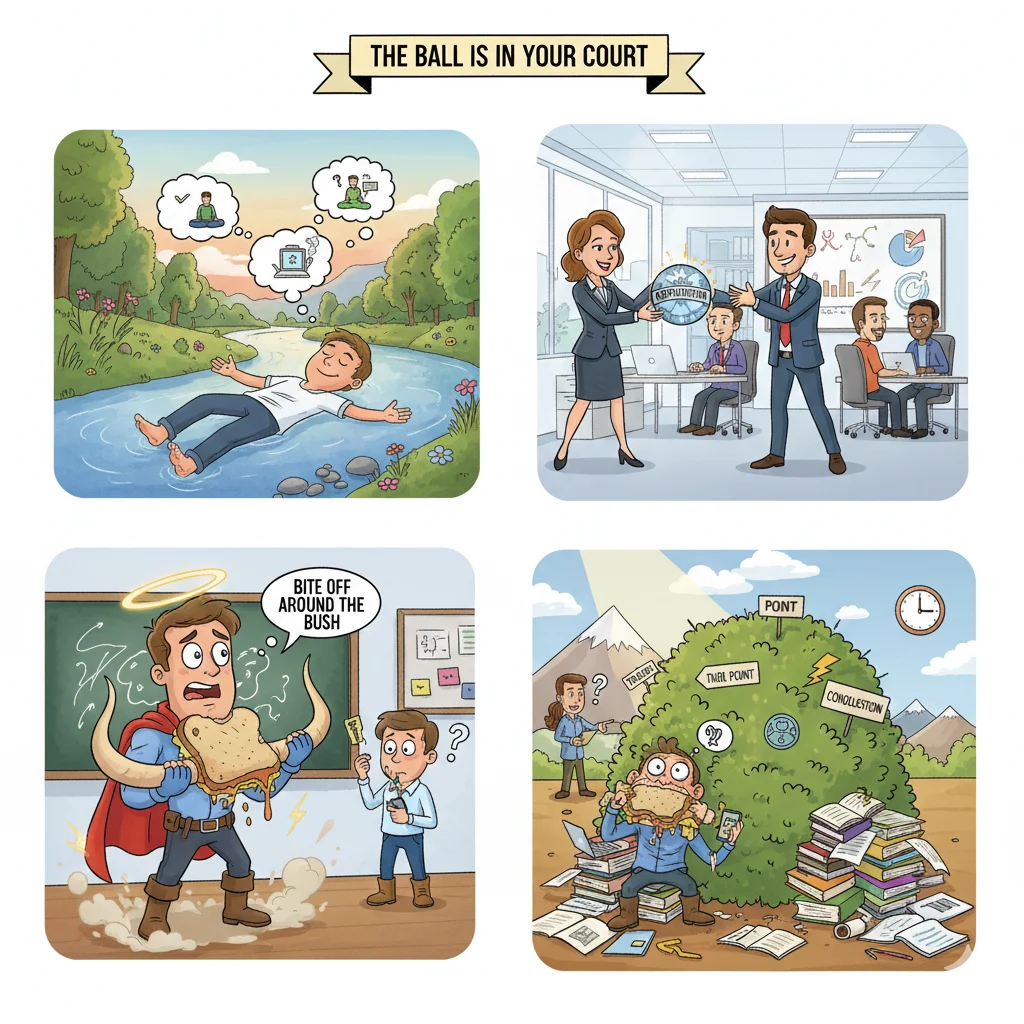
- He bit off more than he could chew with that project.
Common Error
❌ Using it literally for eating
Usage Note
Used for tasks, responsibilities, or promises
📝 Pass the Buck
Word-by-Word Meaning
Hand over a button (or responsibility)
Idiomatic / Figurative Meaning
Shift responsibility to someone else
Example Sentences
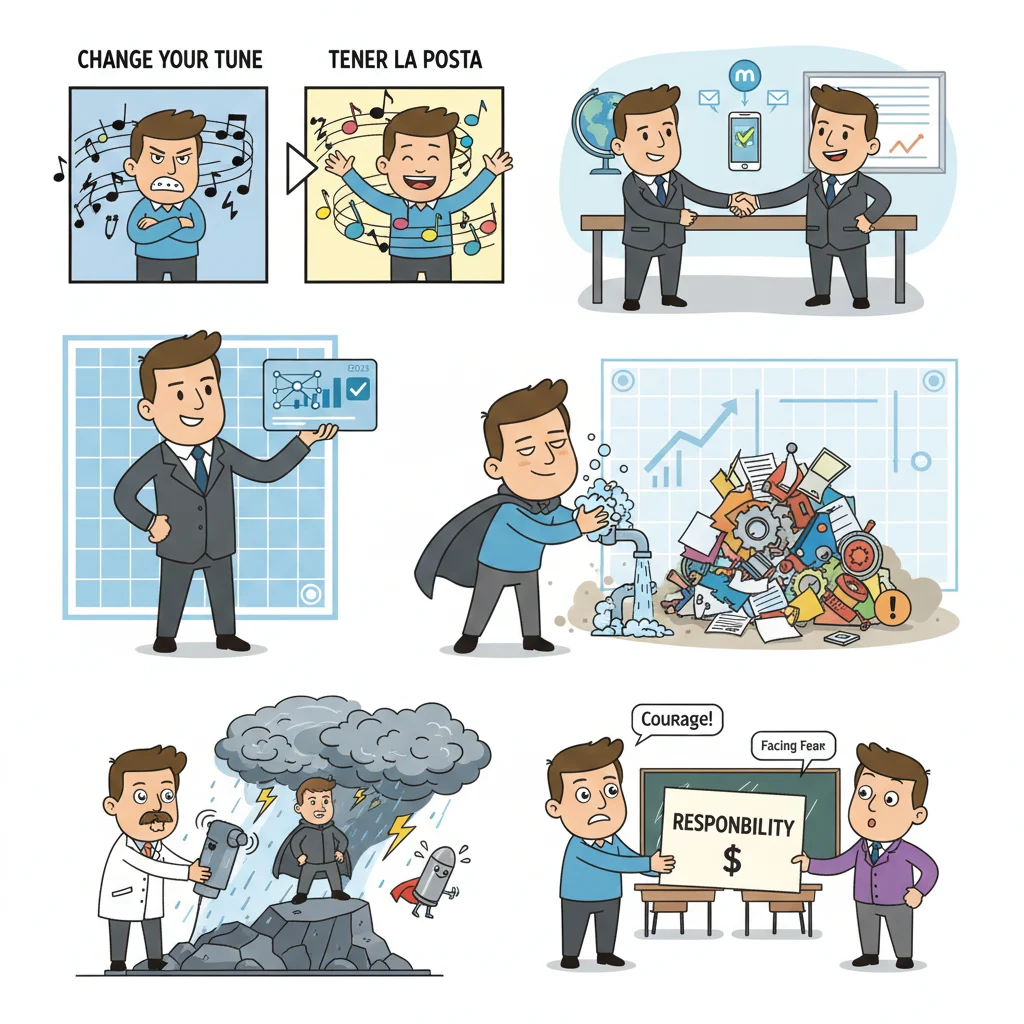
- Don’t pass the buck—own your mistakes.
Common Error
❌ Confusing with “pass the baton”
Usage Note
Common in business, management, and casual speech
📝 Teach Someone a Lesson
Word-by-Word Meaning
Educate someone through experience
Idiomatic / Figurative Meaning
Make someone understand a mistake through experience
Example Sentences
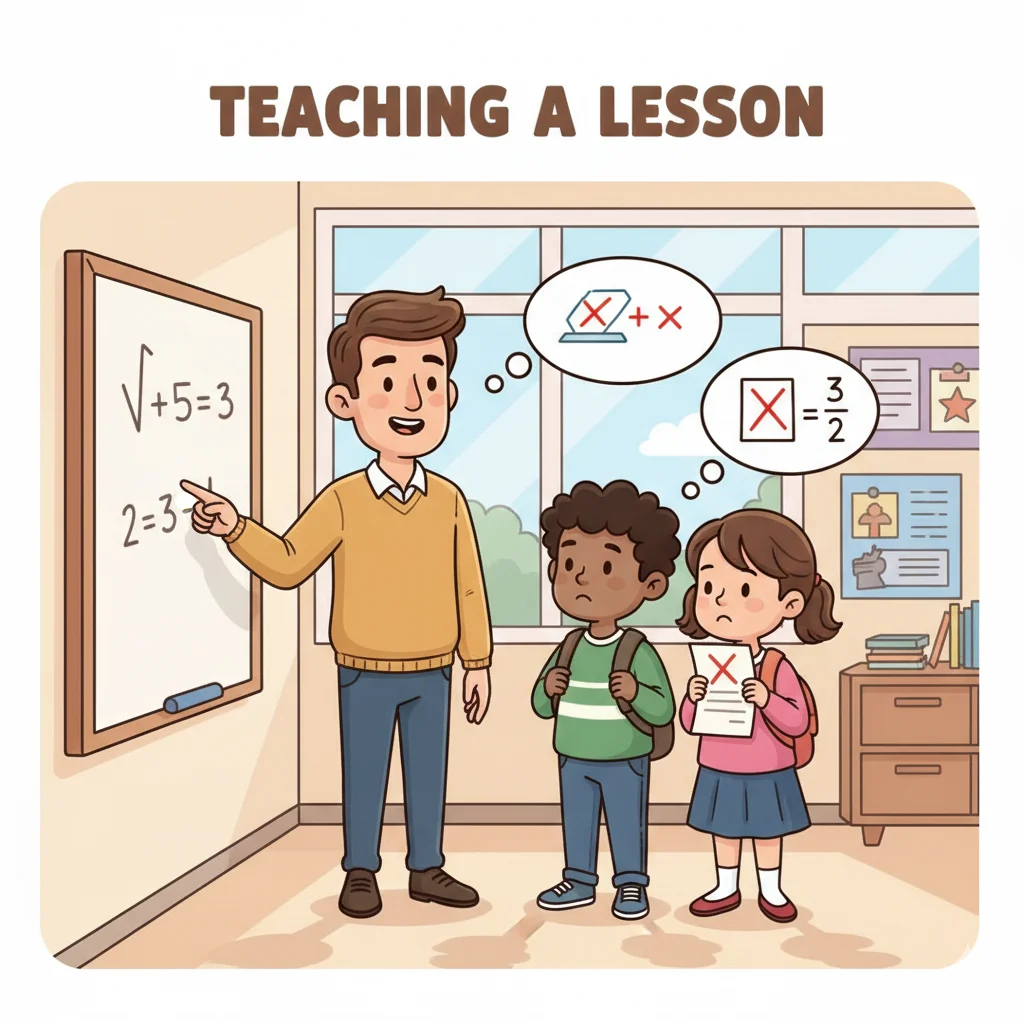
- That failure taught him a lesson.
Common Error
❌ Using it for formal education only
Usage Note
Mostly informal, implies learning through consequences
📝 Pass the Torch / Baton
Word-by-Word Meaning
Give someone the torch or baton
Idiomatic / Figurative Meaning
Give responsibility or leadership to someone else
Example Sentences

- She passed the torch to her successor.
Common Error
❌ Confusing with “pass the buck”
Usage Note
Used in career, leadership, or team contexts
📝 Pull Someone’s Leg
Word-by-Word Meaning
Gently tug on someone’s leg
Idiomatic / Figurative Meaning
Joke or tease someone
Example Sentences
- I was pulling your leg—I didn’t fail the test.
Common Error
❌ Using it literally for playing
Usage Note
Friendly, casual conversation
📝 Put on Your Thinking Cap
Word-by-Word Meaning
Wear a cap for thinking
Idiomatic / Figurative Meaning
Start thinking carefully
Example Sentences
- Let’s put on our thinking caps for this problem.
Common Error
❌ Taking it literally
Usage Note
Often used in education and brainstorming
📝 Learn the Ropes
Word-by-Word Meaning
Understand ropes literally
Idiomatic / Figurative Meaning
Learn how to do a job or task
Example Sentences
- It took a month to learn the ropes at the new job.
Common Error
❌ Using it for literal rope work
Usage Note
Very common in workplace English
📝 Go the Extra Mile
Word-by-Word Meaning
Travel further than required
Idiomatic / Figurative Meaning
Make an extra effort
Example Sentences
- She goes the extra mile for her students.
Common Error
❌ Misinterpreting as literal distance
Usage Note
Positive, motivational expression
📝 Show the Ropes
Word-by-Word Meaning
Demonstrate the ropes
Idiomatic / Figurative Meaning
Teach someone how to do a job
Example Sentences
- The senior teacher showed me the ropes.
Common Error
❌ Confusing with “learn the ropes”
Usage Note
Used in training or mentoring contexts
📝 Cut to the Chase
Word-by-Word Meaning
Skip to the action
Idiomatic / Figurative Meaning
Get to the point
Example Sentences
- Let’s cut to the chase and start the lesson.
Common Error
❌ Using literally for running
Usage Note
Common in business and classroom discussions
📝 Keep Someone in the Loop
Word-by-Word Meaning
Keep someone inside a circle
Idiomatic / Figurative Meaning
Keep someone informed
Example Sentences
- Keep me in the loop about the project.
Common Error
❌ Using “loop” literally
Usage Note
Professional and casual communication
📝 Bend Over Backwards
Word-by-Word Meaning
Lean backwards
Idiomatic / Figurative Meaning
Make great efforts to help someone
Example Sentences
- She bent over backwards to help her students.
Common Error
❌ Using literally
Usage Note
Positive expression for effort
📝 Hit the Books
Word-by-Word Meaning
Strike books
Idiomatic / Figurative Meaning
Study hard
Example Sentences
- I need to hit the books for the exams.
Common Error
❌ Confusing with “read books casually”
Usage Note
Informal study context
📝 Break the Ice
Word-by-Word Meaning
Break frozen surface
Idiomatic / Figurative Meaning
Start a conversation or make people comfortable
Example Sentences
- I used a joke to break the ice in class.
Common Error
❌ Using literally
Usage Note
Common in social and teaching settings
📝 Bite the Bullet
Word-by-Word Meaning
Chew a bullet
Idiomatic / Figurative Meaning
Do something difficult but necessary
Example Sentences
- She had to bite the bullet and grade all assignments.
Common Error
❌ Using literally
Usage Note
Used in difficult tasks or challenges
📝 Keep Your Eye on the Ball
Word-by-Word Meaning
Watch the ball
Idiomatic / Figurative Meaning
Stay focused on what matters
Example Sentences
- Keep your eye on the ball while teaching the class.
Common Error
❌ Literal sports meaning
Usage Note
Motivational in work or study contexts
📝 Teach an Old Dog New Tricks
Word-by-Word Meaning
Teach an old dog new skills
Idiomatic / Figurative Meaning
It’s hard to change someone’s habits
Example Sentences
- It’s difficult, but you can teach an old dog new tricks.
Common Error
❌ Only for pets
Usage Note
Proverbial idiom
📝 Burn the Midnight Oil
Word-by-Word Meaning
Work at night
Idiomatic / Figurative Meaning
Work late into the night
Example Sentences
- He burned the midnight oil to finish grading.
Common Error
❌ Literal fire use
Usage Note
Common for studying or working late
📝 Step Up Your Game
Word-by-Word Meaning
Improve your play
Idiomatic / Figurative Meaning
Work harder or improve performance
Example Sentences
- You need to step up your game if you want to teach better.
Common Error
❌ Using only for sports
Usage Note
Motivational, professional and personal growth contexts
❓ FAQs
1. Why is teaching idioms important?
Idioms make English more natural and engaging for students or learners.
2. Can beginners understand idioms easily?
Yes, with examples, common errors, and usage tips like above.
3. Are these idioms used in exams?
Many appear in IELTS, TOEFL, and other English assessments.
4. Can idioms be taught in a classroom?
Absolutely! Use stories, examples, and visuals to make them memorable.
5. How can I practice teaching idioms daily?
Pick 1-2 idioms per day, use them in sentences, and encourage students to do the same.
🎯 Conclusion
Teaching or learning idioms transforms English from boring to exciting. Start with these 20 teach idioms, use real-life examples, and encourage practice. Soon, idioms will become second nature, making both teaching and learning English enjoyable and effective.

“Iris Murdoch explores the beauty of language and idioms on LearnIdom.com, making learning phrases engaging, memorable, and fun for everyone.”