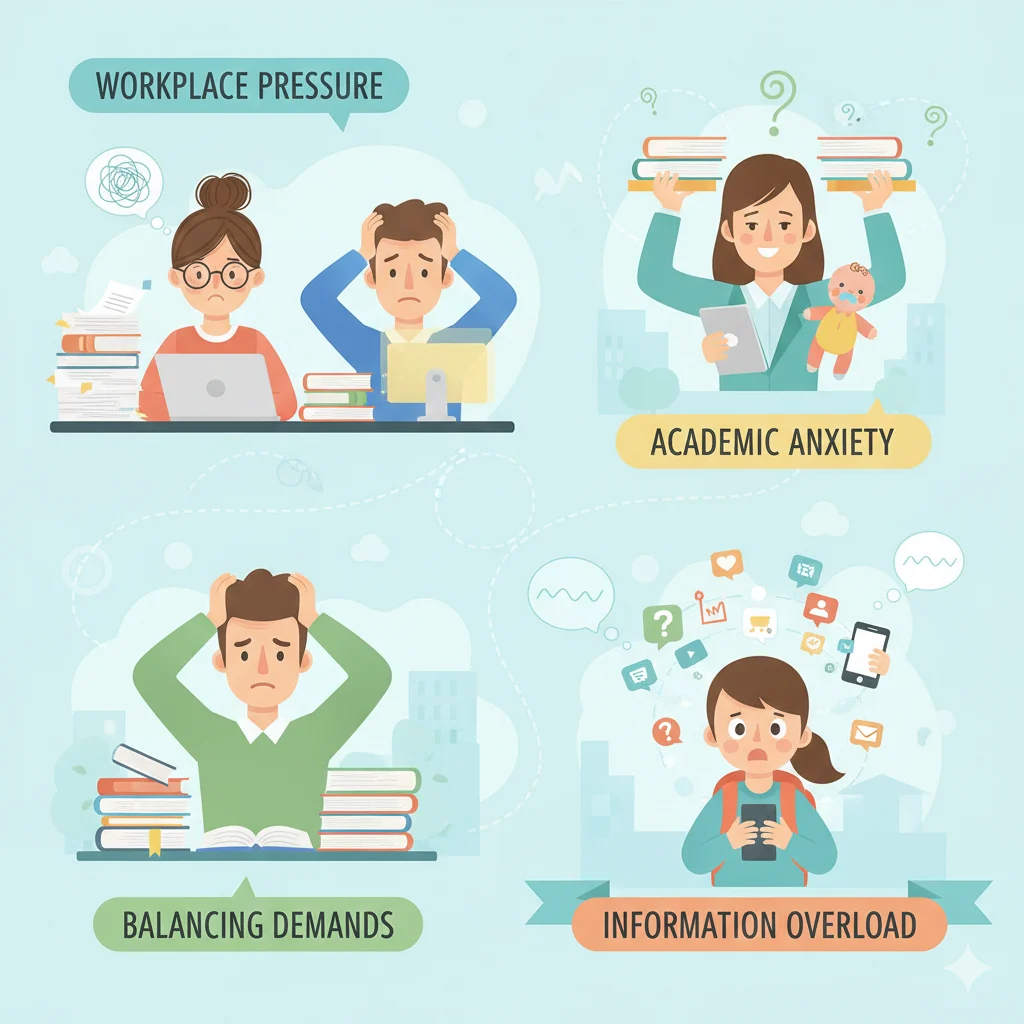
Stress is part of everyday life—deadlines pile up, exams loom, and work never seems to end. That’s why stress idioms are so common in English conversations. Imagine a student before finals or an employee juggling multiple projects—native speakers rarely say “I am stressed.” Instead, they say things like “I’m under pressure” or “I’m at my breaking point.”
In this guide, you’ll learn the 20 most famous stress idioms, explained clearly with word-by-word meanings, real-life examples, and common mistakes to avoid. By the end, you’ll recognize these expressions instantly and use them naturally in speaking and writing.
Under Pressure

Word-by-word meaning: Something pressing down
Idiomatic meaning: Feeling stressed due to demands
Example: I’m under pressure at work this week.
Common error: ❌ in pressure
Usage note: Use “under,” not “in.”
At My Breaking Point

Word-by-word meaning: The point where something breaks
Idiomatic meaning: Extremely stressed, almost unable to cope
Example: After three nights without sleep, I was at my breaking point.
Common error: Using it for small problems
Usage note: Strong idiom—use for serious stress.
Stressed Out

Word-by-word meaning: Stress pushed outward
Idiomatic meaning: Very stressed
Example: She’s stressed out about her exams.
Common error: ❌ stress out as an adjective
Usage note: “Stressed out” is descriptive.
Burned Out
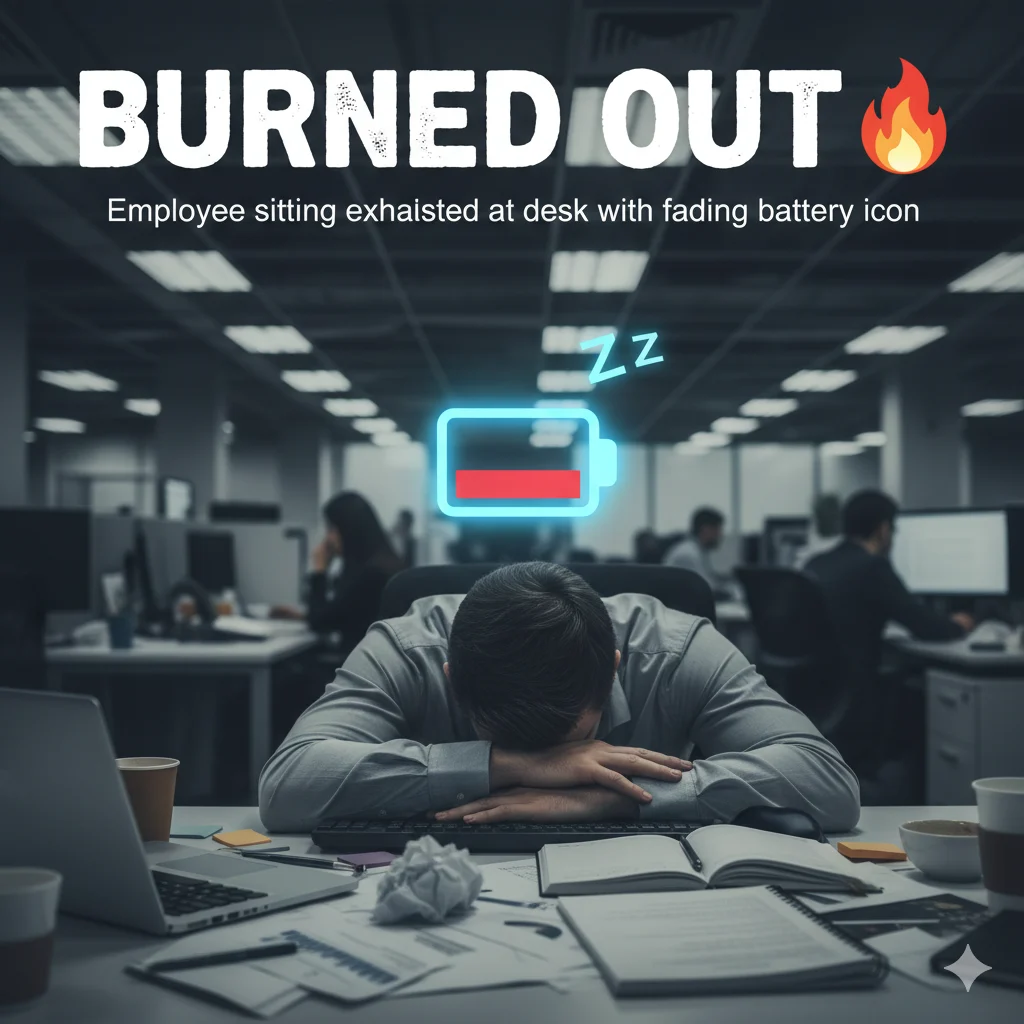
Word-by-word meaning: Fire used up completely
Idiomatic meaning: Mentally and physically exhausted
Example: He felt burned out after years of overtime.
Common error: Confusing with “tired”
Usage note: Long-term stress, not temporary.
At the End of My Rope
Word-by-word meaning: No rope left to hold
Idiomatic meaning: No patience or energy left
Example: I’m at the end of my rope with this project.
Common error: Using it jokingly
Usage note: Emotional intensity matters.
On Edge
Word-by-word meaning: On a sharp edge
Idiomatic meaning: Nervous or tense
Example: She’s been on edge all day.
Common error: ❌ in edge
Usage note: Common in daily speech.
Weighed Down
Word-by-word meaning: Heavy weight pushing down
Idiomatic meaning: Burdened by stress or responsibility
Example: He felt weighed down by expectations.
Common error: Using only for physical weight
Usage note: Often emotional.
Under the Gun
Word-by-word meaning: Facing a weapon
Idiomatic meaning: Under extreme pressure, usually time-related
Example: We’re under the gun to finish today.
Common error: Overusing in formal writing
Usage note: Informal/business English.
Lose Sleep Over
Word-by-word meaning: Sleep disappears
Idiomatic meaning: Worry a lot
Example: Don’t lose sleep over small mistakes.
Common error: Using without “over”
Usage note: Very common idiom.
Have Too Much on My Plate
Word-by-word meaning: Plate is full
Idiomatic meaning: Too many responsibilities
Example: I can’t help—I have too much on my plate.
Common error: Saying in my plate
Usage note: Polite way to refuse.
Crack Under Pressure
Word-by-word meaning: Break when pushed
Idiomatic meaning: Fail due to stress
Example: Some people crack under pressure.
Common error: Confusing with “break”
Usage note: Often about performance.
A Lot to Handle
Word-by-word meaning: Difficult to carry
Idiomatic meaning: Emotionally overwhelming
Example: This situation is a lot to handle.
Common error: Using with objects only
Usage note: Neutral tone.
Feel the Heat
Word-by-word meaning: Sense high temperature
Idiomatic meaning: Experience pressure or criticism
Example: The team is feeling the heat from management.
Common error: Literal interpretation
Usage note: Workplace idiom.
Under Strain
Word-by-word meaning: Pulled tightly
Idiomatic meaning: Experiencing stress
Example: Their relationship is under strain.
Common error: Forgetting “under”
Usage note: Formal contexts.
Overwhelmed
Word-by-word meaning: Covered completely
Idiomatic meaning: Unable to cope due to stress
Example: She felt overwhelmed by deadlines.
Common error: Using without context
Usage note: Very common adjective.
Juggling Too Many Things
Word-by-word meaning: Tossing many objects
Idiomatic meaning: Managing many tasks at once
Example: I’m juggling too many things right now.
Common error: Missing “too”
Usage note: Informal and visual.
Feel the Pressure
Word-by-word meaning: Sense pushing force
Idiomatic meaning: Experience stress
Example: Athletes feel the pressure to perform.
Common error: Repeating with “under pressure”
Usage note: Flexible usage.
Tense Up
Word-by-word meaning: Become tight
Idiomatic meaning: React physically to stress
Example: I tense up before presentations.
Common error: ❌ tense down
Usage note: Physical reaction.
At Capacity
Word-by-word meaning: Completely full
Idiomatic meaning: No mental space left
Example: My brain is at capacity today.
Common error: Using only for machines
Usage note: Modern conversational English.
Mentally Drained
Word-by-word meaning: Energy removed
Idiomatic meaning: Exhausted due to stress
Example: I’m mentally drained after exams.
Common error: Confusing with “sleepy”
Usage note: Emotional fatigue.
Frequently Asked Questions About Stress Idioms
1. Why should I learn stress idioms?
They help you sound more natural and expressive in real conversations.
2. Are stress idioms formal or informal?
Most are informal, but some work well in professional settings.
3. Can I use stress idioms in writing?
Yes—especially in blogs, stories, and emails.
4. How can I remember stress idioms easily?
Connect them to real-life situations you experience.
Conclusion
Learning stress idioms isn’t just about vocabulary—it’s about expressing how you really feel. Start by choosing two or three idioms and using them in sentences about your own life. The more you practice, the more natural they’ll sound. Keep going—your English is getting stronger every day.

“Iris Murdoch explores the beauty of language and idioms on LearnIdom.com, making learning phrases engaging, memorable, and fun for everyone.”