Music is more than just melodies—it’s a treasure trove of language, full of vivid expressions that bring life to words. Song lyrics with idioms are especially powerful, combining emotion with figurative language that can make learning English fun and memorable.
Imagine listening to your favorite pop or rock hit and suddenly understanding the phrase “break the ice” or “hit the nail on the head.” That “aha” moment not only boosts your vocabulary but also helps you connect with native speakers effortlessly.
Whether you’re singing along, analyzing lyrics, or writing creatively, knowing these idioms adds flair and confidence to your English. In this guide, we’ll explore 20 of the most famous idioms found in song lyrics, breaking them down with examples and usage tips.
Break the Ice
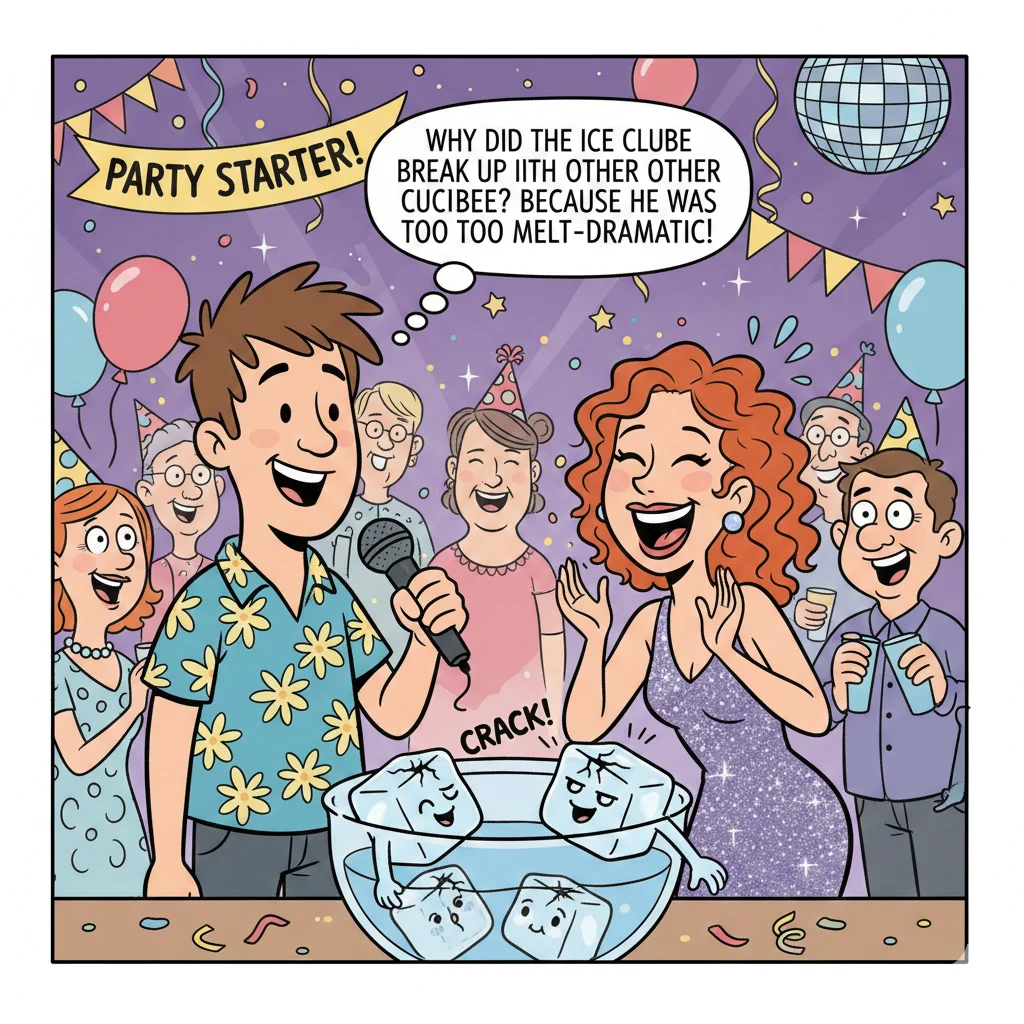
Word-by-word meaning: To literally crack ice.
Idiomatic/figurative meaning: To start a conversation or reduce tension in social situations.
Example sentences:
- “At the party, I told a joke to break the ice.”
- Lyric example: “I tried to break the ice, but she didn’t smile.”
Common error: Using it as “break the ice cream” – wrong context.
Usage note: Often used in introductions or first meetings.
Hit the Nail on the Head

Word-by-word meaning: To strike a nail precisely.
Idiomatic/figurative meaning: To describe something accurately or identify the exact problem.
Example sentences:
- “You hit the nail on the head with that analysis.”
- Lyric example: “He hit the nail on the head, and the song became real.”
Common error: Saying “hit the hammer on the nail” – incorrect.
Usage note: Perfect for giving praise for accurate observations.
Bite the Bullet
Word-by-word meaning: To literally bite a bullet.
Idiomatic/figurative meaning: To face a difficult situation bravely.
Example sentences:

- “I had to bite the bullet and tell the truth.”
- Lyric example: “Biting the bullet, I walked away from the pain.”
Common error: Using it for trivial tasks (“bite the candy”) – not appropriate.
Usage note: Often used when discussing courage or endurance.
Let the Cat Out of the Bag
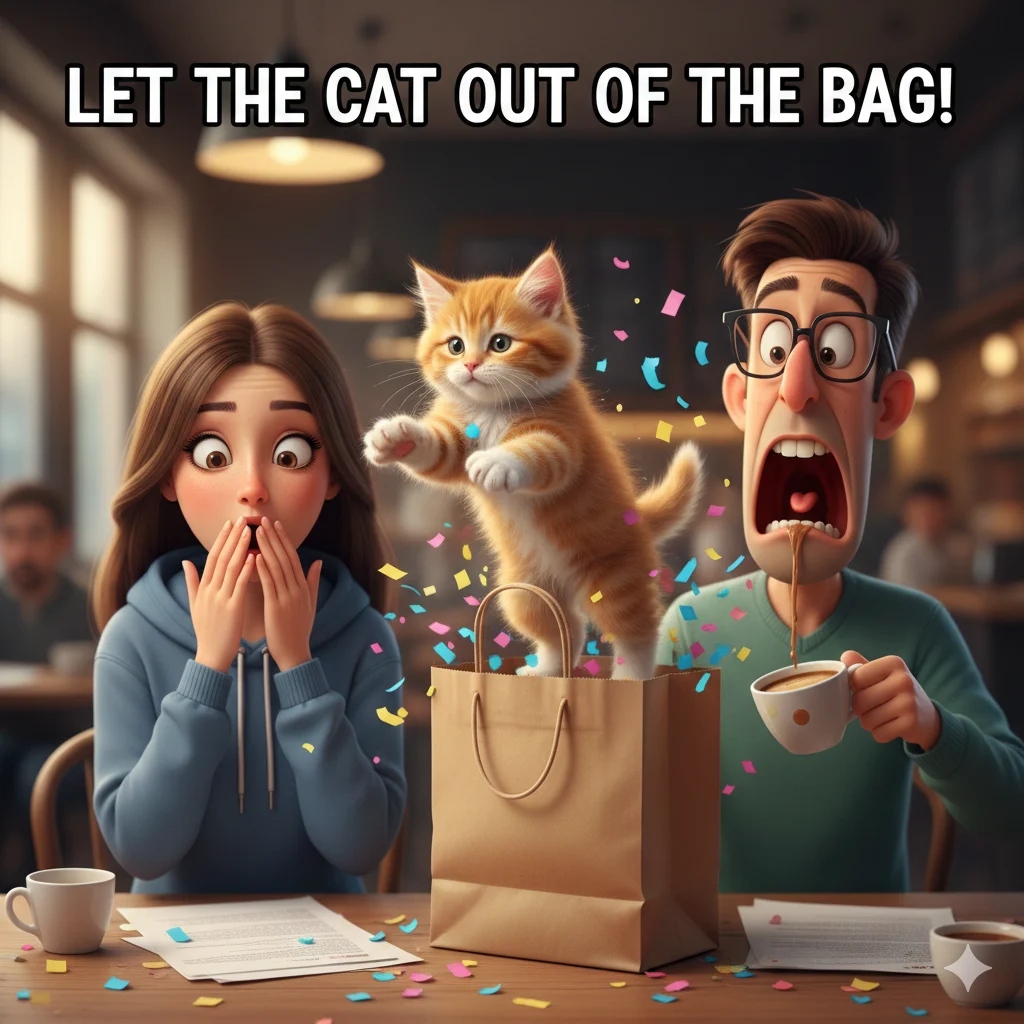
Word-by-word meaning: Releasing a cat from a bag.
Idiomatic/figurative meaning: To reveal a secret unintentionally.
Example sentences:
- “She let the cat out of the bag about the surprise party.”
- Lyric example: “He let the cat out of the bag, and the truth was gone.”
Common error: Saying “put the cat in the bag” – opposite meaning.
Usage note: Commonly used in gossip or story contexts.
Spill the Beans
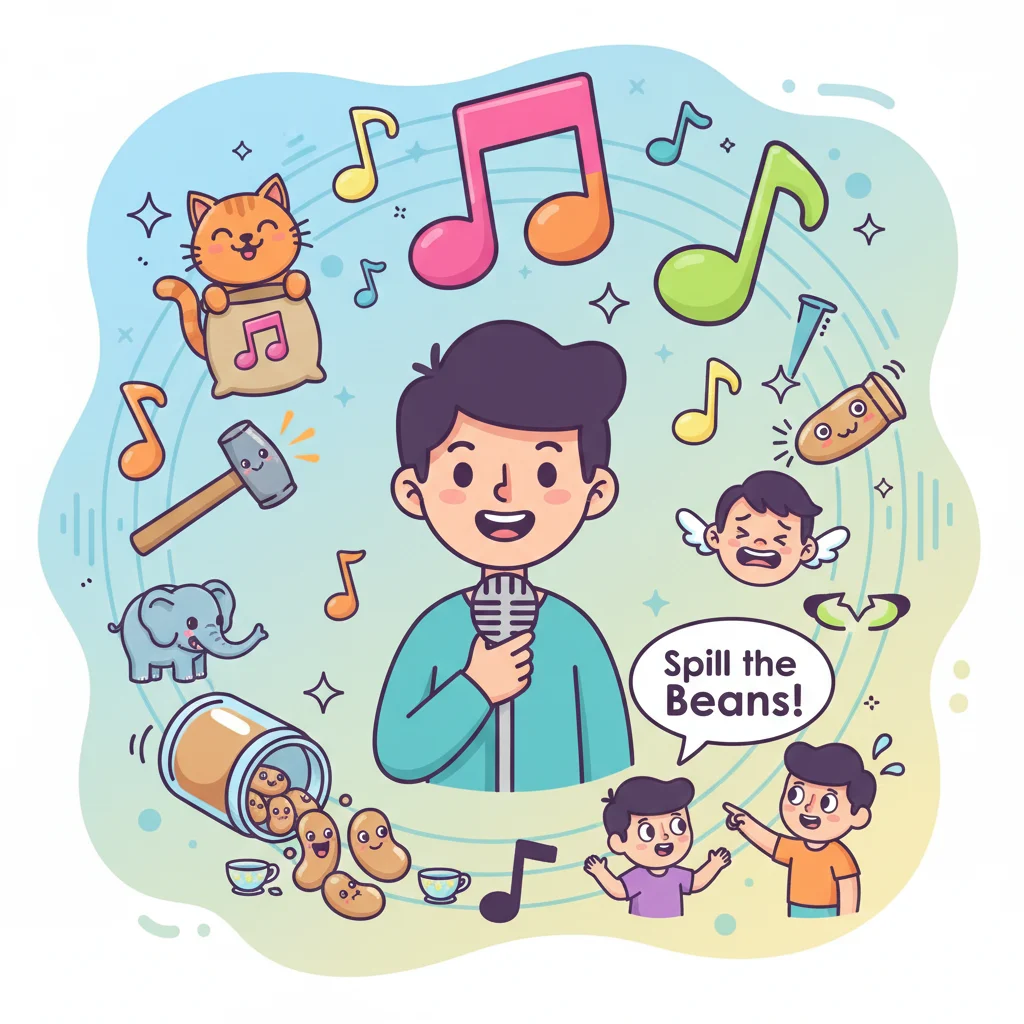
Word-by-word meaning: To literally spill beans.
Idiomatic/figurative meaning: To confess or reveal secrets.
Example sentences:
- “Come on, spill the beans! Who won the game?”
- Lyric example: “Spill the beans and let the world know our love.”
Common error: Using it to mean “make a mess” – wrong idiomatic usage.
Usage note: Informal and conversational.
Cry Over Spilled Milk
Word-by-word meaning: Crying because milk has spilled.
Idiomatic/figurative meaning: Worrying or complaining about something that has already happened and cannot be changed.
Example sentences:
- “It’s no use crying over spilled milk; just focus on the next step.”
- Lyric example: “Don’t cry over spilled milk, we still have tomorrow’s sunrise.”
Common error: Using it for problems that can still be fixed.
Usage note: Common in casual advice; encourages letting go of past mistakes.
Burn the Midnight Oil
Word-by-word meaning: To literally burn oil at night.
Idiomatic/figurative meaning: To work late into the night.
Example sentences:
- “I had to burn the midnight oil to finish my project.”
- Lyric example: “Burning the midnight oil, chasing dreams that won’t fade.”
Common error: Saying “burn the morning oil” – incorrect.
Usage note: Commonly used for studying or working late.
Barking Up the Wrong Tree
Word-by-word meaning: A dog barking at the wrong tree.
Idiomatic/figurative meaning: To make a wrong assumption or pursue the wrong idea.
Example sentences:
- “If you think I’m responsible, you’re barking up the wrong tree.”
- Lyric example: “Barking up the wrong tree, love slipped away again.”
Common error: Using it literally in everyday conversation about actual dogs.
Usage note: Often used in arguments or misunderstandings.
Kick the Bucket
Word-by-word meaning: Literally to kick a bucket.
Idiomatic/figurative meaning: A euphemism for dying.
Example sentences:
- “He’s worried about what happens when he kicks the bucket.”
- Lyric example: “When we kick the bucket, memories will stay.”
Common error: Confusing it with literal kicking.
Usage note: Informal, often humorous or casual.
Under the Weather
Word-by-word meaning: Literally under bad weather.
Idiomatic/figurative meaning: Feeling sick or unwell.
Example sentences:
- “I’m feeling a bit under the weather today.”
- Lyric example: “Under the weather, but your love keeps me alive.”
Common error: Using it for bad moods unrelated to health.
Usage note: Casual and widely used in everyday conversation.
Piece of Cake
Word-by-word meaning: A slice of cake.
Idiomatic/figurative meaning: Something very easy to do.
Example sentences:
- “Don’t worry about the test—it’ll be a piece of cake.”
- Lyric example: “Love should be a piece of cake, not a puzzle.”
Common error: Saying “slice of cake” for idiomatic meaning.
Usage note: Very informal, often used in positive encouragement.
Cry Over Spilled Milk
Word-by-word meaning: Crying because milk has spilled.
Idiomatic/figurative meaning: Worrying about something that cannot be undone.
Example sentences:
- “It’s no use crying over spilled milk; just move on.”
- Lyric example: “Don’t cry over spilled milk, we still have tomorrow.”
Common error: Applying it to situations that can still be fixed.
Usage note: Used to advise letting go of minor mistakes.
Cost an Arm and a Leg
Word-by-word meaning: Literally costs limbs.
Idiomatic/figurative meaning: Very expensive.
Example sentences:
- “That car costs an arm and a leg.”
- Lyric example: “Our love cost an arm and a leg, but it was worth it.”
Common error: Using it for cheap items or services.
Usage note: Informal, often exaggerated for effect.
Hit the Sack
Word-by-word meaning: Literally hit a sack.
Idiomatic/figurative meaning: Go to bed or sleep.
Example sentences:
- “I’m exhausted; time to hit the sack.”
- Lyric example: “Hit the sack early, dreaming of you tonight.”
Common error: Using it in contexts unrelated to sleep.
Usage note: Informal, casual bedtime expression.
Pull Someone’s Leg
Word-by-word meaning: Literally pulling a leg.
Idiomatic/figurative meaning: To joke or tease someone.
Example sentences:
- “Are you serious, or are you pulling my leg?”
- Lyric example: “Pulling your leg, but my heart is true.”
Common error: Misunderstanding as physical action.
Usage note: Friendly teasing; never aggressive.
Once in a Blue Moon
Word-by-word meaning: Literally once when the moon is blue.
Idiomatic/figurative meaning: Very rarely.
Example sentences:
- “I go hiking once in a blue moon.”
- Lyric example: “Once in a blue moon, our hearts meet again.”
Common error: Using it to describe frequent events.
Usage note: Great for storytelling and expressing rarity.
Caught Between a Rock and a Hard Place
Word-by-word meaning: Trapped between a rock and a hard surface.
Idiomatic/figurative meaning: Facing two difficult choices.
Example sentences:
- “I was caught between a rock and a hard place at work.”
- Lyric example: “Caught between a rock and a hard place, I chose love.”
Common error: Using it literally instead of metaphorically.
Usage note: Often used in problem-solving contexts.
The Ball is in Your Court
Word-by-word meaning: The ball is physically in your area.
Idiomatic/figurative meaning: It’s your turn to act or make a decision.
Example sentences:
- “I’ve done my part; now the ball is in your court.”
- Lyric example: “The ball is in your court; will you stay or go?”
Common error: Using it outside decision-making situations.
Usage note: Common in advice or negotiations.
Burn Bridges
Word-by-word meaning: Literally set bridges on fire.
Idiomatic/figurative meaning: Destroy relationships or opportunities permanently.
Example sentences:
- “Don’t burn bridges with your colleagues.”
- Lyric example: “I burned bridges, but now I see the cost.”
Common error: Misunderstood as literal arson.
Usage note: Strong metaphor; use carefully.
Go the Extra Mile
Word-by-word meaning: Travel an additional mile.
Idiomatic/figurative meaning: Make additional effort beyond what’s expected.
Example sentences:
- “She always goes the extra mile for her friends.”
- Lyric example: “Go the extra mile, love is worth the effort.”
Common error: Confusing it with “run a mile extra” – non-standard.
Usage note: Very positive, motivational idiom.
Conclusion
Learning song lyrics with idioms is more than just a fun activity—it’s a powerful way to improve your English naturally. Start by picking your favorite songs, analyzing the idioms, and practicing them in everyday speech. Soon, you’ll find yourself using expressive language effortlessly, impressing friends, and enjoying music on a deeper level. So, tune in, sing out, and make idioms your secret weapon for fluent English!

“Rose Macaulay shares the charm of idioms on LearnIdom.com, making language learning delightful, insightful, and full of wit for every reader.”