Sarcasm is everywhere—from friendly jokes to sharp comments—and sarcastic idioms are one of the most powerful tools native speakers use to express it. Imagine someone arriving late and you say, “Nice of you to join us.” You don’t really mean it, right? That’s sarcasm in action.
For English learners, sarcastic idioms can be confusing because the words often mean the opposite of what the speaker intends. I remember my first time hearing “Yeah, right”—I thought it meant agreement, but the tone told a very different story.
In this guide, you’ll learn 20 of the most famous sarcastic idioms, explained clearly with word-by-word meanings, figurative meanings, real-life examples, common errors, and usage tips. By the end, you’ll understand sarcasm better—and maybe even use it confidently yourself.
Yeah, Right
Word-by-Word Meaning
Yes, correct
Idiomatic / Figurative Meaning
Used sarcastically to show disbelief
Example Sentences
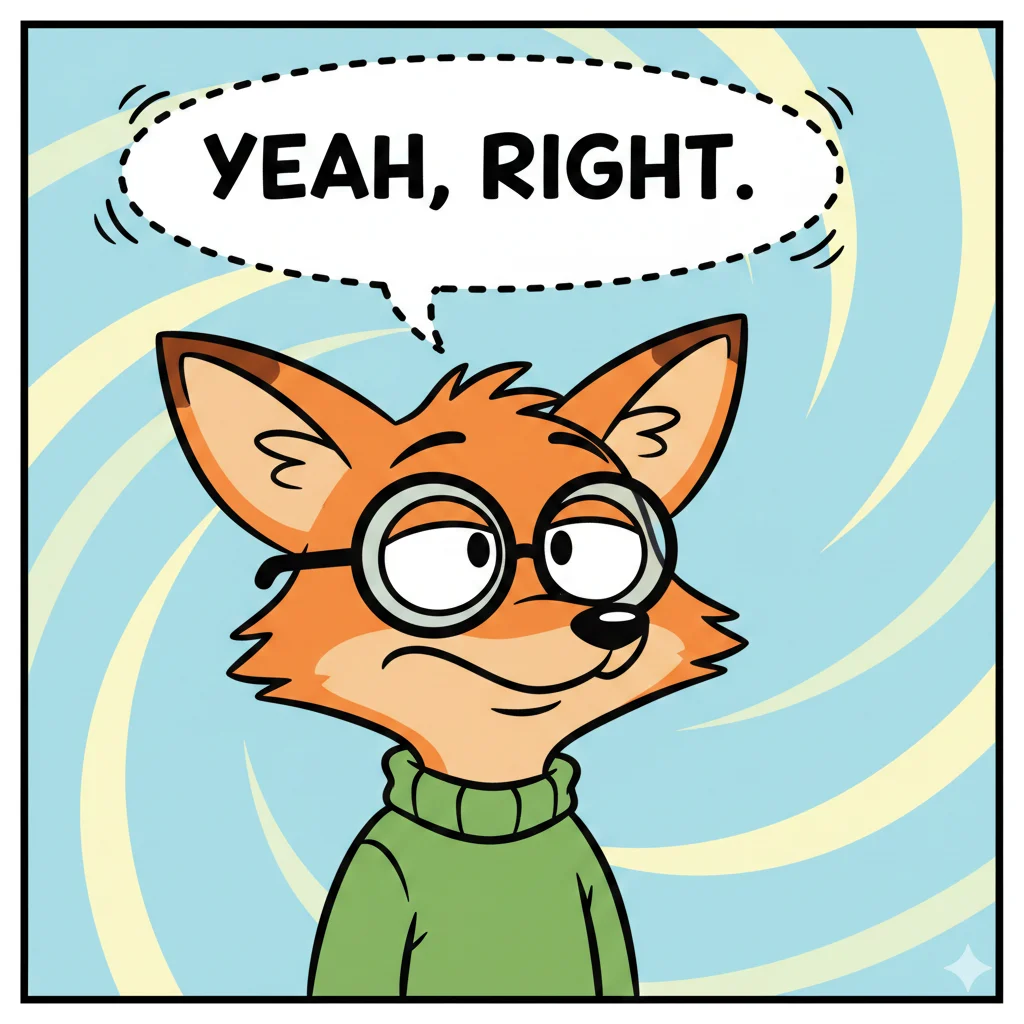
- You finished the project in one hour? Yeah, right.
- He says he never lies—yeah, right.
Common Error
Using it as genuine agreement
Usage Note
Tone of voice is critical; stress usually falls on right.
Big Deal
Word-by-Word Meaning
Something important
Idiomatic / Figurative Meaning
Used sarcastically to say something is not important
Example Sentences
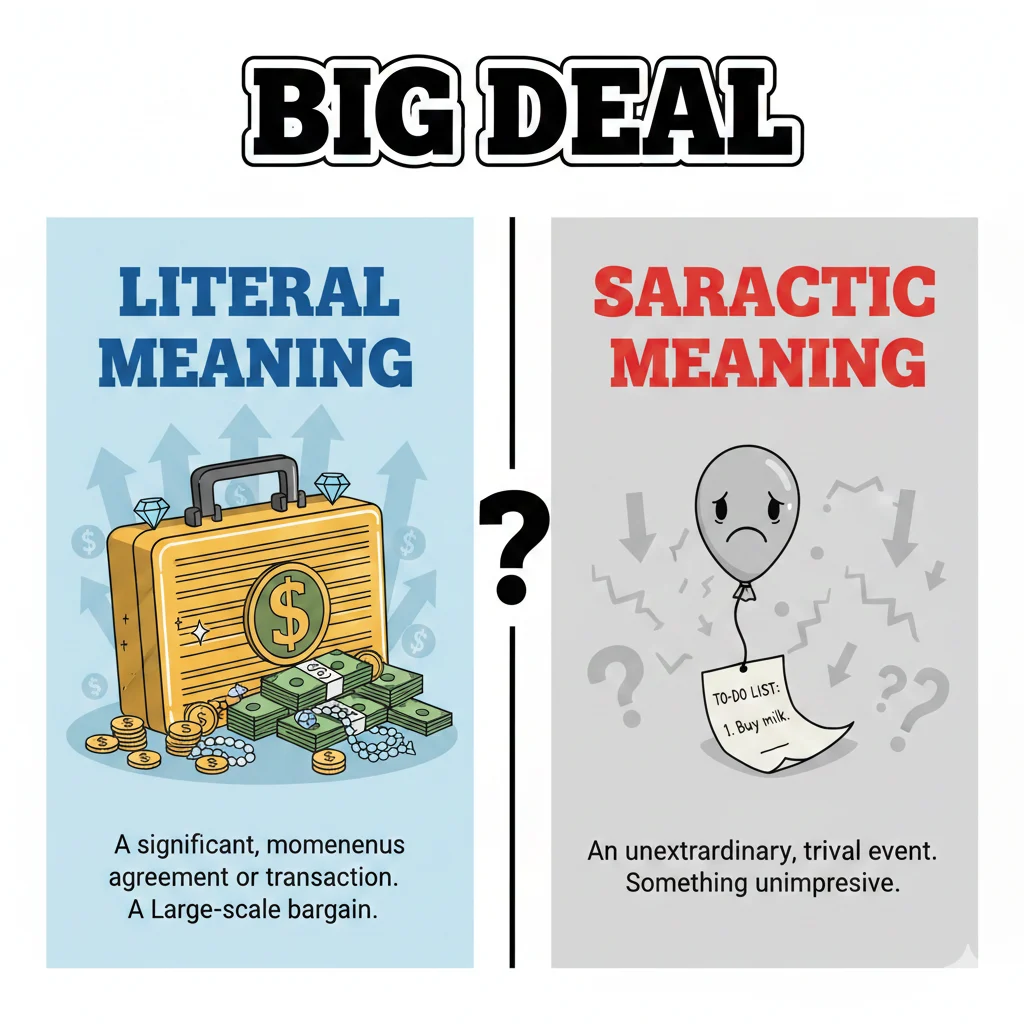
- You got one extra mark? Big deal.
- So you woke up early—big deal.
Common Error
Using it in formal writing
Usage Note
Common in casual spoken English
Tell Me About It
Word-by-Word Meaning
Explain it to me
Idiomatic / Figurative Meaning
Sarcastic agreement with a complaint
Example Sentences

- This weather is awful. — Tell me about it.
Common Error
Taking it literally
Usage Note
Often expresses shared frustration
Oh, Great
Word-by-Word Meaning
Something good
Idiomatic / Figurative Meaning
Sarcastic response to bad news
Example Sentences

- The internet is down again—oh, great.
Common Error
Misreading tone
Usage Note
Lengthening “oh” increases sarcasm
As If
Word-by-Word Meaning
Like it would happen
Idiomatic / Figurative Meaning
Shows strong disbelief or mockery
Example Sentences
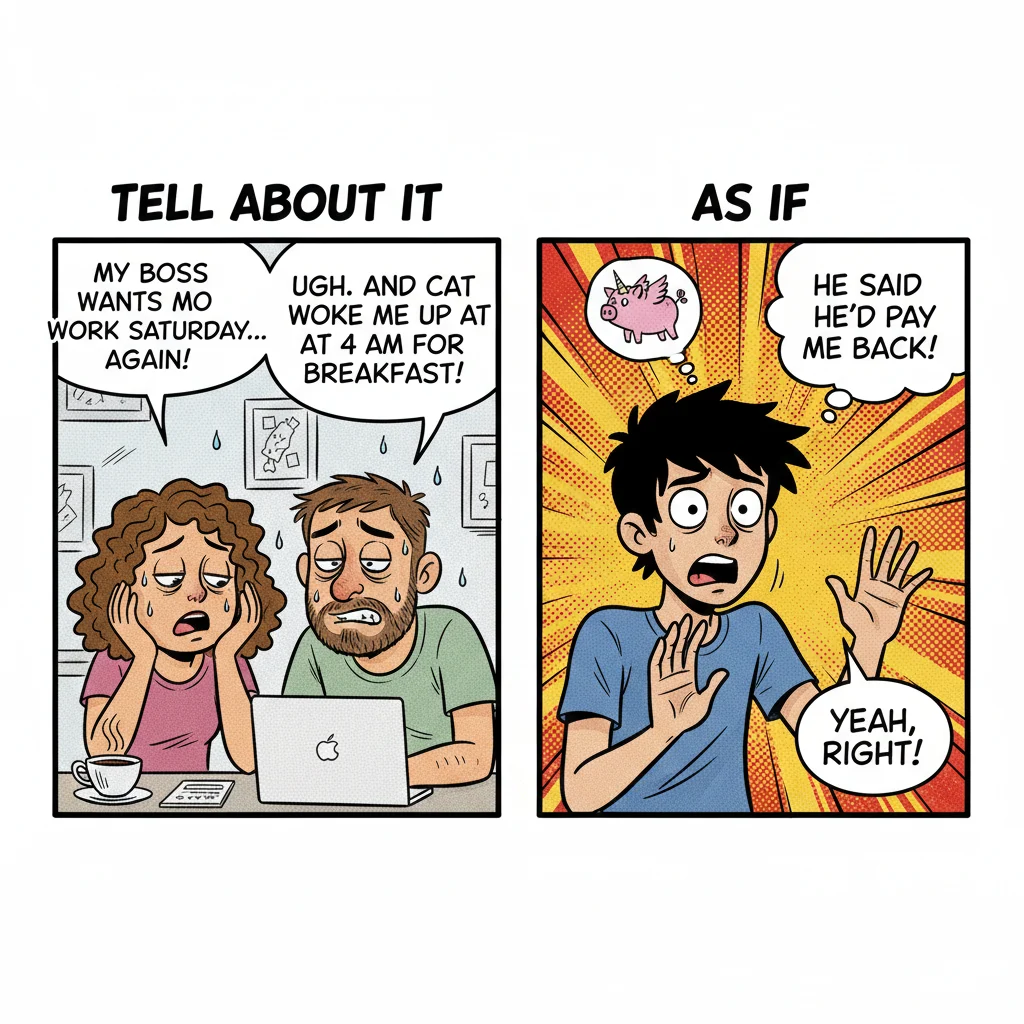
- He thinks he’ll win? As if!
Common Error
Using it in neutral statements
Usage Note
Often used alone as a reaction
Nice Try
Word-by-Word Meaning
Good attempt
Idiomatic / Figurative Meaning
Sarcastic rejection of an excuse or lie
Example Sentences
- You forgot your homework? Nice try.
Common Error
Using it to genuinely praise effort
Usage Note
Common among friends or teachers
Good for You
Word-by-Word Meaning
That’s positive for you
Idiomatic / Figurative Meaning
Sarcastic jealousy or disinterest
Example Sentences
- You’re on vacation again? Good for you.
Common Error
Misjudging emotional tone
Usage Note
Facial expression matters a lot
Whatever You Say
Word-by-Word Meaning
I agree with you
Idiomatic / Figurative Meaning
Sarcastic dismissal
Example Sentences
- You’re always right—whatever you say.
Common Error
Using in respectful conversation
Usage Note
Can sound rude if misused
Don’t Quit Your Day Job
Word-by-Word Meaning
Keep your regular work
Idiomatic / Figurative Meaning
Sarcastic comment on poor performance
Example Sentences
- That singing was terrible—don’t quit your day job.
Common Error
Using it with strangers
Usage Note
Often humorous but sharp
Lucky You
Word-by-Word Meaning
You are fortunate
Idiomatic / Figurative Meaning
Sarcastic envy
Example Sentences
- You get extra homework? Lucky you.
Common Error
Confusing with sincere praise
Usage Note
Tone defines meaning
Well, Isn’t That Special
Word-by-Word Meaning
Something unique
Idiomatic / Figurative Meaning
Mocking exaggeration
Example Sentences
- He arrived on time once—well, isn’t that special.
Common Error
Using without context
Usage Note
Strong sarcasm level
Thanks a Lot
Word-by-Word Meaning
Expressing gratitude
Idiomatic / Figurative Meaning
Sarcastic blame
Example Sentences
- You deleted my file—thanks a lot.
Common Error
Using in polite emails
Usage Note
Often followed by a pause
What a Surprise
Word-by-Word Meaning
Something unexpected
Idiomatic / Figurative Meaning
Sarcastic when something was expected
Example Sentences
- He’s late again—what a surprise.
Common Error
Using for real surprises
Usage Note
Very common in daily speech
I’m Shocked
Word-by-Word Meaning
I’m amazed
Idiomatic / Figurative Meaning
Sarcastic disbelief
Example Sentences
- He failed the test? I’m shocked.
Common Error
Missing facial cues
Usage Note
Often paired with monotone voice
Oh, Please
Word-by-Word Meaning
A polite request
Idiomatic / Figurative Meaning
Sarcastic rejection
Example Sentences
- You’re the best driver? Oh, please.
Common Error
Using in formal settings
Usage Note
Short and sharp delivery
Join the Club
Word-by-Word Meaning
Become a member
Idiomatic / Figurative Meaning
Sarcastic shared suffering
Example Sentences
- I’m tired all the time. — Join the club.
Common Error
Literal interpretation
Usage Note
Friendly sarcasm
Been There, Done That
Word-by-Word Meaning
Experienced it already
Idiomatic / Figurative Meaning
Sarcastic boredom
Example Sentences
- Another meeting? Been there, done that.
Common Error
Using too casually at work
Usage Note
Very conversational
Isn’t That Cute
Word-by-Word Meaning
Something adorable
Idiomatic / Figurative Meaning
Sarcastic belittling
Example Sentences
- He thinks he’s an expert—cute.
Common Error
Using around sensitive people
Usage Note
Can sound insulting
Dream On
Word-by-Word Meaning
Continue dreaming
Idiomatic / Figurative Meaning
Sarcastic refusal
Example Sentences
- You want a day off? Dream on.
Common Error
Confusing with encouragement
Usage Note
Very informal
That’ll Be the Day
Word-by-Word Meaning
That day will come
Idiomatic / Figurative Meaning
Sarcastic disbelief something will ever happen
Example Sentences
- He’ll apologize? That’ll be the day.
Common Error
Using without context
Usage Note
Classic sarcastic idiom
FAQs About Sarcastic Idioms
Q1: Are sarcastic idioms rude?
Not always. It depends on tone, context, and relationship.
Q2: Can learners use sarcastic idioms safely?
Yes, but start with mild ones like “Tell me about it.”
Q3: Are sarcastic idioms common in writing?
Mostly in informal writing, dialogue, and social media.
Q4: How can I recognize sarcasm?
Listen for tone, stress, and context clues.
Conclusion
Learning sarcastic idioms helps you understand real English—not textbook English. Start by recognizing them in movies, shows, and conversations. Then practice with trusted friends. Remember, sarcasm is powerful when used gently and correctly. Master it, and your English will sound more natural, confident, and expressive.

“Iris Murdoch explores the beauty of language and idioms on LearnIdom.com, making learning phrases engaging, memorable, and fun for everyone.”