Learning English can sometimes feel slow, especially when you understand grammar but still struggle to sound natural. This is where progress idioms become incredibly useful. Native speakers use these expressions every day to talk about improvement, growth, success, and moving forward in life.
Whether you’re preparing for exams, improving your spoken English, or trying to sound more fluent at work or school, mastering progress idioms can take your language skills to the next level.
Think about moments in real life—finishing a difficult project, learning a new skill, or finally seeing results after hard work. We often describe these situations using idioms rather than plain words. In this article, you’ll learn the 20 most famous progress idioms, explained in a simple, learner-friendly way. Each idiom includes meanings, examples, common mistakes, and usage notes to help you use them confidently in real conversations.
Make Progress
Word-by-word Meaning
Make = create
Progress = improvement
Idiomatic Meaning
To improve or move forward.
Example Sentences

- I’m finally making progress with my English speaking.
- She made great progress after daily practice.
Common Error
❌ Do progress
✅ Make progress
Usage Note
Often used with adjectives like slow, steady, or great.
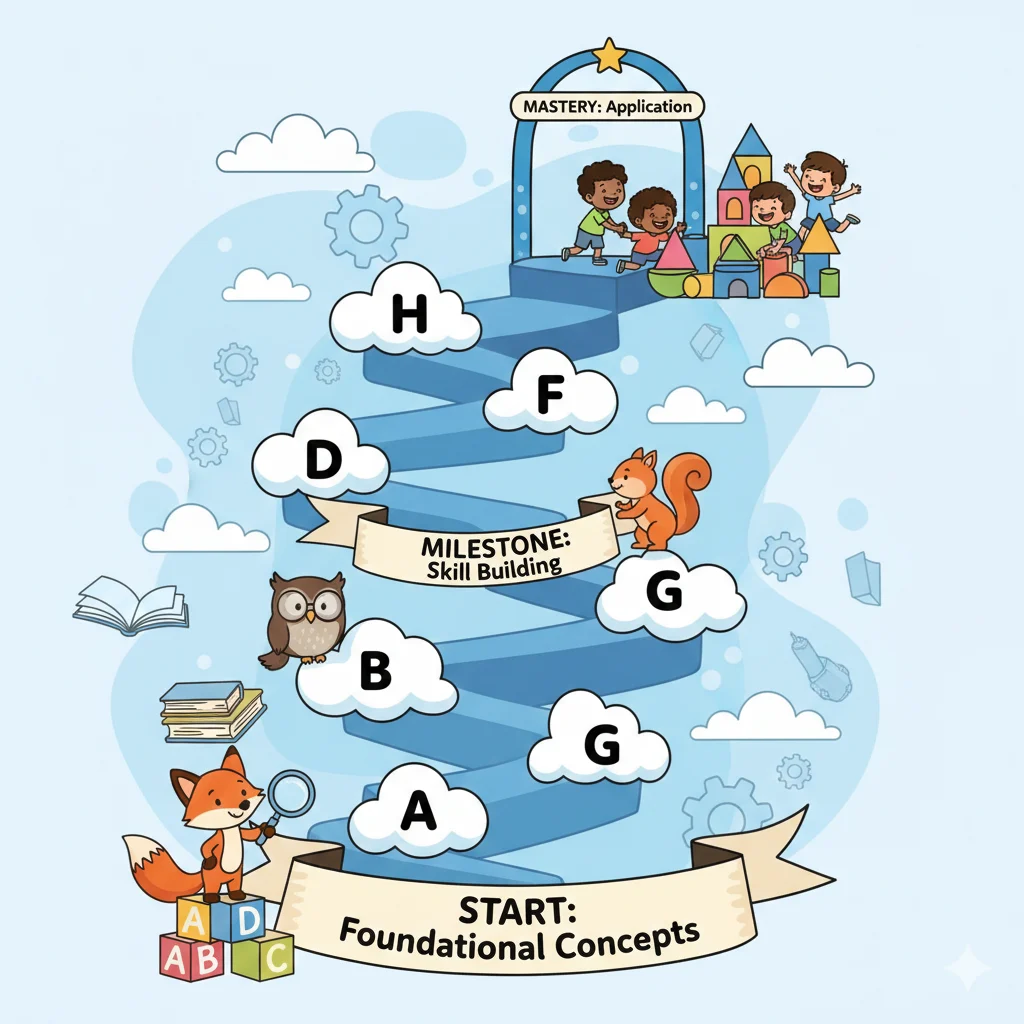
Step by Step
Word-by-word Meaning
One step at a time.
Idiomatic Meaning
Progressing slowly but steadily.
Example Sentences
- Learn grammar step by step.
- He’s building his career step by step.
Common Error
Using it for sudden success.
Usage Note
Best for long-term goals.
Move Forward
Word-by-word Meaning
Move = go
Forward = ahead
Idiomatic Meaning
To continue progress and not stay stuck.
Example Sentences

- Let’s move forward and forget the past.
- The company is moving forward with new ideas.
Common Error
Confusing with physical movement only.
Usage Note
Often used emotionally or professionally.
On the Right Track
Word-by-word Meaning
Correct path.
Idiomatic Meaning
Doing something correctly and making progress.
Example Sentences

- Your pronunciation shows you’re on the right track.
- Keep practicing—you’re on the right track.
Common Error
Using for completed success.
Usage Note
Encouraging phrase.
Come a Long Way
Word-by-word Meaning
Travel a long distance.
Idiomatic Meaning
To make significant progress.
Example Sentences
- You’ve come a long way in English.
- The team has come a long way since last year.

Common Error
Using for short time improvement.
Usage Note
Often reflects pride or achievement.
Make Headway
Idiomatic Meaning
To make noticeable progress.
Example Sentences
- I’m finally making headway with this chapter.
- They made headway despite difficulties.
Common Error
Using without effort context.
Usage Note
Common in formal English.
Get Better At
Idiomatic Meaning
To improve skills.
Example Sentences
- I’m getting better at speaking English.
- She’s getting better at math.
Common Error
❌ Better in
✅ Better at
Usage Note
Very common in daily speech.
Turn the Corner
Idiomatic Meaning
To reach a point where improvement begins.
Example Sentences
- My fluency turned the corner last month.
- The business has turned the corner.
Common Error
Using for starting phase.
Usage Note
Often after struggles.
Climb the Ladder
Idiomatic Meaning
To advance in career or life.
Example Sentences
- He’s climbing the career ladder.
- She’s climbing the ladder of success.
Common Error
Using for academic grades.
Usage Note
Professional contexts.
Break New Ground
Idiomatic Meaning
To do something innovative.
Example Sentences
- This research breaks new ground.
- She broke new ground in teaching methods.
Common Error
Using for normal progress.
Usage Note
Used for innovation.
Take a Step Forward
Word-by-word Meaning
Take = move
Step = small movement
Forward = ahead
Idiomatic / Figurative Meaning
To make progress or improvement, especially after hesitation.
Example Sentences
- Speaking in class was a big step forward for him.
- This new plan is a step forward for our team.
Common Error
❌ Take step forward
✅ Take a step forward
Usage Note
Often used for personal growth or decisions.
Gain Momentum
Word-by-word Meaning
Gain = get
Momentum = speed or force
Idiomatic / Figurative Meaning
Progress that becomes faster and stronger over time.
Example Sentences
- Her English improved once she gained momentum.
- The project is finally gaining momentum.
Common Error
Using it for instant success.
Usage Note
Usually follows slow beginnings.
Pick Up Speed
Word-by-word Meaning
Pick up = increase
Speed = pace
Idiomatic / Figurative Meaning
To start progressing faster.
Example Sentences
- My reading skills picked up speed quickly.
- The business picked up speed after marketing.
Common Error
Using it only for vehicles.
Usage Note
Informal and conversational.
Level Up
Word-by-word Meaning
Level = stage
Up = higher
Idiomatic / Figurative Meaning
To improve skills or reach a higher stage.
Example Sentences
- Practicing daily helped me level up my speaking.
- She leveled up her career with new skills.
Common Error
Using in very formal writing.
Usage Note
Popular in modern and youth English.
Make Strides
Word-by-word Meaning
Stride = long step
Idiomatic / Figurative Meaning
To make strong and noticeable progress.
Example Sentences
- He’s making strides in pronunciation.
- The country made strides in education.
Common Error
❌ Make stride
✅ Make strides
Usage Note
Often used in achievements.
Get the Hang of It
Word-by-word Meaning
Hang = hold
It = task
Idiomatic / Figurative Meaning
To understand or learn how to do something.
Example Sentences
- I finally got the hang of English tenses.
- She got the hang of driving quickly.
Common Error
Using for expert-level skill.
Usage Note
Used after initial difficulty.
Build On Something
Word-by-word Meaning
Build = create
On = using something
Idiomatic / Figurative Meaning
To improve using existing progress.
Example Sentences
- Build on what you’ve already learned.
- The teacher built on last week’s lesson.
Common Error
Forgetting object after “on”.
Usage Note
Common in education and planning.
Reach New Heights
Word-by-word Meaning
Reach = achieve
Heights = high levels
Idiomatic / Figurative Meaning
To achieve greater success than before.
Example Sentences
- Her confidence reached new heights.
- The company reached new heights globally.
Common Error
Using for small achievements.
Usage Note
Used for major success.
Push Ahead
Word-by-word Meaning
Push = force
Ahead = forward
Idiomatic / Figurative Meaning
To continue despite difficulties.
Example Sentences
- He pushed ahead despite challenges.
- We must push ahead with our goals.
Common Error
Using without struggle context.
Usage Note
Motivational phrase.
20. Progress by Leaps and Bounds
Word-by-word Meaning
Leap = big jump
Bound = large movement
Idiomatic / Figurative Meaning
To improve very quickly.
Example Sentences
- Her English improved by leaps and bounds.
- The child is progressing by leaps and bounds.
Common Error
Using for slow improvement.
Usage Note
Very positive and expressive idiom.
Frequently Asked Questions (FAQs)
What are progress idioms?
Progress idioms are expressions that describe improvement, growth, or moving forward in life or skills.
Why should learners use progress idioms?
They make your English sound more natural, fluent, and native-like.
Are progress idioms used in exams?
Yes, many appear in IELTS, TOEFL, and spoken English tests.
Can I use progress idioms in writing?
Absolutely! They work well in essays, emails, and stories.
How can I remember idioms easily?
Practice them in sentences related to your daily life.
Conclusion
Learning progress idioms is itself a sign of progress. Don’t worry if you can’t remember all of them at once—language growth happens step by step. Try using one or two idioms daily in your speaking or writing. The more you practice, the more confident you’ll feel. Remember, you’ve already come a long way—now it’s time to move forward and level up your English!

“Wilkie Collins brings classic idioms to life on LearnIdom.com, making language learning engaging, memorable, and full of literary charm.”