Colours are everywhere in our lives, from the clothes we wear to the moods we feel. But did you know that colours can also bring life to language through idioms? Idioms with colours make English more expressive, fun, and vivid.
For instance, when someone is “green with envy,” it instantly paints a picture of jealousy. Or when a situation “looks black,” you know things aren’t going well. Understanding these idioms helps learners sound more natural, confident, and native-like.
In this article, we’ll explore the 20 most famous idioms with colours, breaking down their literal meanings, figurative uses, examples, common mistakes, and usage tips. By the end, you’ll be ready to colour your conversations with these lively expressions!
Green with Envy
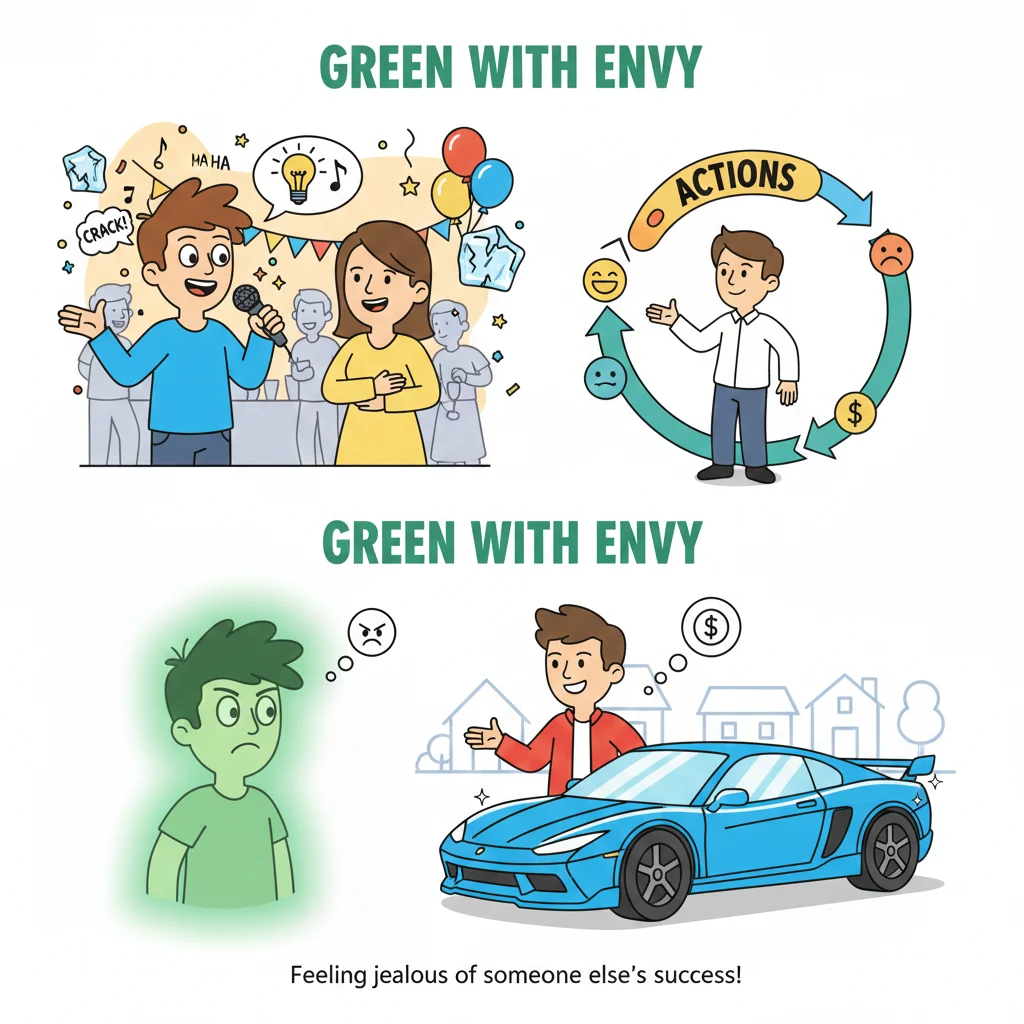
Word-by-word meaning: Green = colour, Envy = jealousy or desire for what someone else has.
Idiomatic/figurative meaning: Extremely jealous of someone’s possessions, success, or qualities.
Example sentences:
- She was green with envy when she saw her friend’s new car.
Common error: Using “green in envy” instead of “green with envy.”
Usage note: Often used in casual conversations or storytelling.
Once in a Blue Moon
Word-by-word meaning: Blue = colour, Moon = the celestial body.
Idiomatic/figurative meaning: Something that happens very rarely.
Example sentences:
- I go hiking once in a blue moon because of my busy schedule.
Common error: Misplacing “blue” as “rare blue moon.”
Usage note: Great for emphasizing rarity in personal stories.
Red Tape

Word-by-word meaning: Red = colour, Tape = ribbon or band.
Idiomatic/figurative meaning: Excessive bureaucracy or official rules that cause delay.
Example sentences.The news of her promotion came out of the blue.
Common error: Misplacing “from” as in “from out of the blue.”
Usage note: Informal expression, excellent for storytelling.
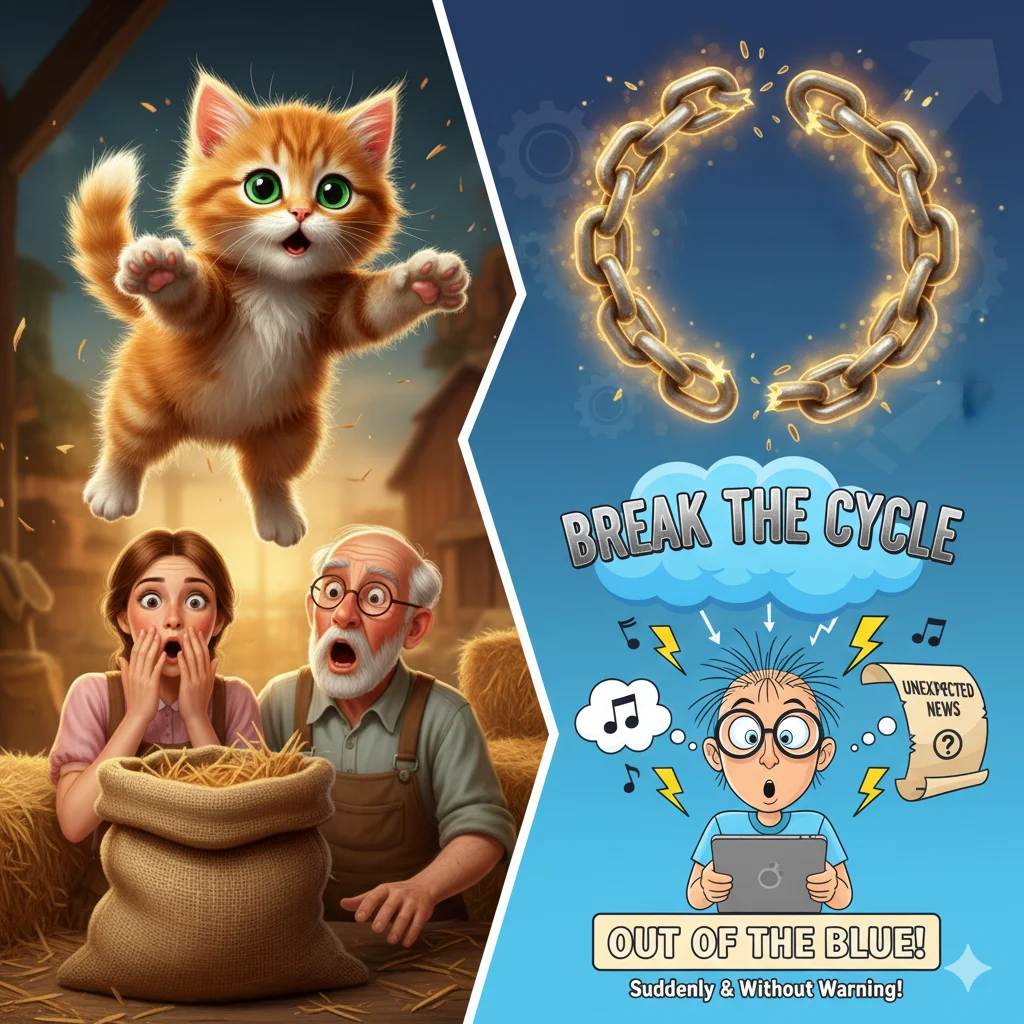
Out of the Blue

Word-by-word meaning: Out = from, Blue = colour.
Idiomatic/figurative meaning: Something unexpected or surprising.
Example sentences:
- The news of her promotion came out of the blue.
Common error: Misplacing “from” as in “from out of the blue.”
Usage note: Informal expression, excellent for storytelling.
Tickled Pink
Word-by-word meaning: Tickled = amused, Pink = colour.
Idiomatic/figurative meaning: Extremely pleased or delighted.
Example sentences:
- He was tickled pink when his painting won the award.
Common error: Saying “tickled red” instead of “tickled pink.”
Usage note: Mostly used in positive, happy contexts.
Black Sheep
Word-by-word meaning: Black = colour, Sheep = farm animal.
Idiomatic/figurative meaning: A member of a group who is considered different or undesirable.
Example sentences:
- John is the black sheep of his family because he chose a different career path.
Common error: Using “dark sheep” instead of “black sheep.”
Usage note: Often refers to family or groups.
White Lie
Word-by-word meaning: White = colour, Lie = false statement.
Idiomatic/figurative meaning: A harmless or trivial lie.
Example sentences:
- I told a white lie to avoid hurting her feelings.
Common error: Saying “small lie” instead of “white lie.”
Usage note: Usually used in polite contexts.
Feeling Blue
Word-by-word meaning: Feeling = emotion, Blue = colour.
Idiomatic/figurative meaning: Feeling sad or down.
Example sentences:
- She’s been feeling blue since her cat went missing.
Common error: Using “feeling black” interchangeably.
Usage note: Casual, emotional expression.
Grey Area
Word-by-word meaning: Grey = colour, Area = space.
Idiomatic/figurative meaning: Something unclear or undefined.
Example sentences:
- The law regarding this issue is a grey area.
Common error: Saying “grey zone” (less common in idiomatic sense).
Usage note: Common in professional and legal contexts.
White Elephant
Word-by-word meaning: White = colour, Elephant = large animal.
Idiomatic/figurative meaning: Something costly, useless, or burdensome.
Example sentences:
- The old stadium is a white elephant for the city.
Common error: Misusing as “expensive elephant.”
Usage note: Often refers to projects or possessions.
Black and White
Word-by-word meaning: Black = colour, White = colour
Idiomatic/figurative meaning: Something clear and straightforward; no ambiguity
Example sentences:
- The rules are black and white, so there’s no confusion.
Common error: Saying “black or white” when referring to clarity
Usage note: Often used in legal, formal, or instructional contexts
Catch Red-Handed
Word-by-word meaning: Red = colour, Handed = caught in the act
Idiomatic/figurative meaning: To catch someone doing something wrong or illegal
Example sentences:
- The student was caught red-handed copying homework.
Common error: Using “caught in red” instead of “caught red-handed”
Usage note: Casual and formal contexts; great for storytelling
Roll Out the Red Carpet
Word-by-word meaning: Red = colour, Carpet = floor covering
Idiomatic/figurative meaning: Give someone special treatment
Example sentences:
- The company rolled out the red carpet for the visiting CEO.
Common error: Saying “red mat” instead of “red carpet”
Usage note: Common in hospitality, corporate, and celebratory contexts
Red Herring
Word-by-word meaning: Red = colour, Herring = fish
Idiomatic/figurative meaning: A distraction or misleading clue
Example sentences:
- The detective knew the note was a red herring.
Common error: Confusing with “red warning”
Usage note: Common in mystery, crime, or analytical writing
ln the Pink
Word-by-word meaning: Pink = colour, In = inside or part of
Idiomatic/figurative meaning: Healthy, in good condition
Example sentences:
- After the vacation, she was in the pink and full of energy.
Common error: Saying “on the pink” instead of “in the pink”
Usage note: Mostly used to describe health or well-being
Blue Blood
Word-by-word meaning: Blue = colour, Blood = bodily fluid
Idiomatic/figurative meaning: Someone from a noble or aristocratic family
Example sentences:
- He comes from blue blood, so his family has royal roots.
Common error: Using “blue vein” instead of “blue blood”
Usage note: Formal; often used in history, literature, or biographies
Yellow-bellied
Word-by-word meaning: Yellow = colour, Belly = stomach
Idiomatic/figurative meaning: Cowardly or easily scared
Example sentences:
- Don’t be yellow-bellied; face your fears!
Common error: Saying “yellow stomach”
Usage note: Informal, often used in conversation or literature
White as a Sheet
Word-by-word meaning: White = colour, Sheet = bedding cloth
Idiomatic/figurative meaning: Extremely pale, usually due to fear or shock
Example sentences:
- She went white as a sheet when she heard the bad news.
Common error: Saying “as white as a pillow”
Usage note: Common in storytelling, novels, or casual speech
Green Light
Word-by-word meaning: Green = colour, Light = signal
Idiomatic/figurative meaning: Permission to go ahead with something
Example sentences:
- The manager gave the green light for the new project.
Common error: Using “green signal” (less common in idiomatic English)
Usage note: Used in both business and casual contexts
Golden Opportunity
Word-by-word meaning: Golden = colour/precious, Opportunity = chance
Idiomatic/figurative meaning: A very valuable or favorable chance
Example sentences:
- Studying abroad is a golden opportunity for your career.
Common error: Saying “golden chance” (acceptable, but less idiomatic)
Usage note: Very positive expression; often motivational
FAQs About Idioms with Colours
1. Why are idioms with colours so common in English?
Because colors easily express emotions, ideas, and imagery.
2. Can I use colour idioms in formal writing?
Some, like grey area or golden opportunity, work well in formal contexts.
3. Are idioms with colours universal?
No. Meanings vary across cultures, so context matters.
4. How can I remember colour idioms easily?
Use them in short stories or daily conversations.
5. Should learners avoid idioms at first?
No—start with common ones and build gradually.
Conclusion
Learning idioms with colours adds life and expression to your English. Start using one idiom daily, practice with friends, or write short stories to embed them in memory. Soon, you’ll speak and write more naturally while painting vivid pictures with your words. Remember, practice is the key—colour your language today!Conclusion

“Elizabeth Bowen shares timeless idioms and language wisdom on LearnIdom.com, making learning phrases fun, easy, and unforgettable.”