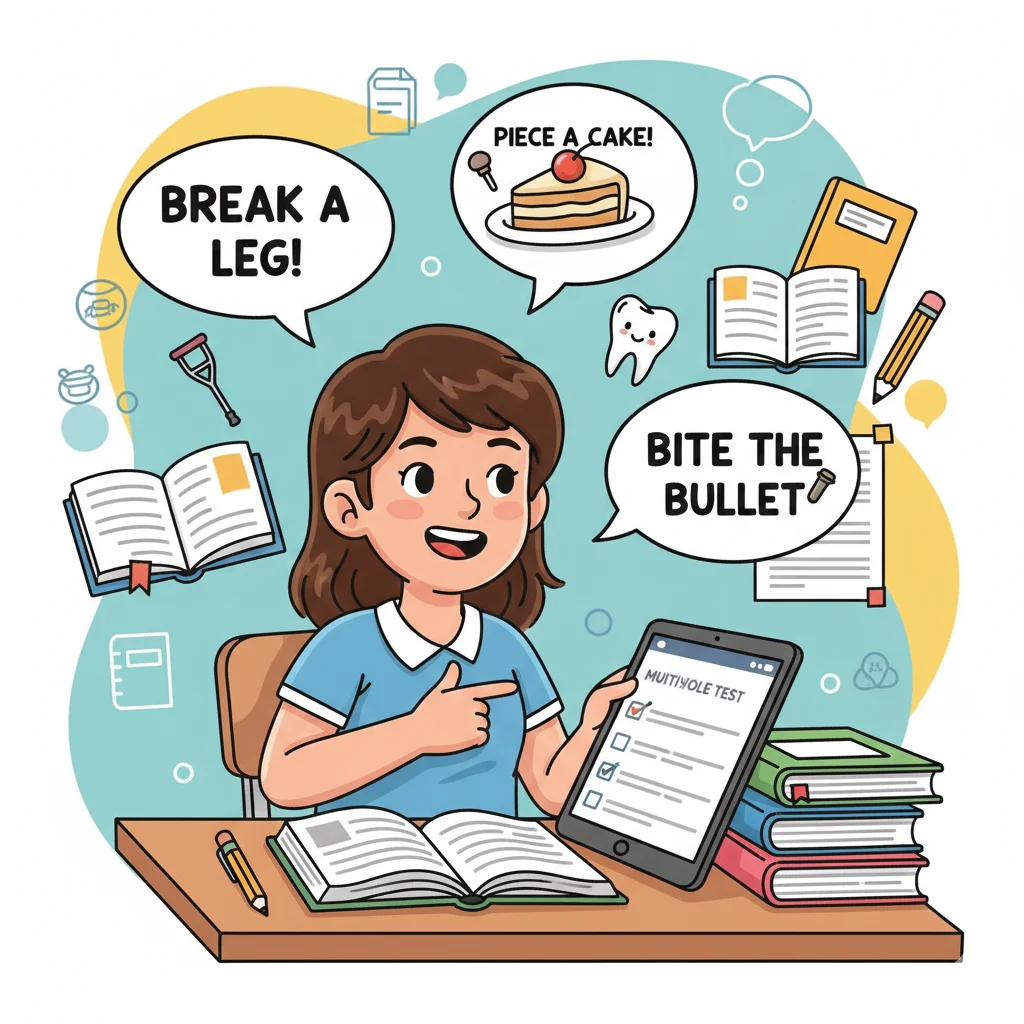
An idioms test can feel intimidating, especially when the literal meaning of a phrase makes no sense at all. I still remember my first English exam where I thought “break the ice” meant something physical—spoiler alert, it didn’t.
If you’ve ever frozen during an idioms test, you’re not alone. One confusing phrase can turn a simple English exam question into a guessing game. The good news? With the right practice, idioms can become your secret scoring weapon.
Idioms are everywhere: school tests, competitive exams, interviews, and even casual conversations. Examiners love them because idioms show real language understanding, not just grammar rules. This guide is designed to help you confidently handle any idioms test by breaking down meanings, common errors, and natural usage.
Whether you’re preparing for a school exam, ESL test, or self-study practice, these 20 famous idioms will give you a strong advantage.
Break the Ice

Word-by-word meaning: Break + ice
Idiomatic meaning: Start a conversation or reduce tension
Example: The teacher told a joke to break the ice.
Common error: Using it for physical ice
Usage note: Often used in social or formal situations
Hit the Nail on the Head
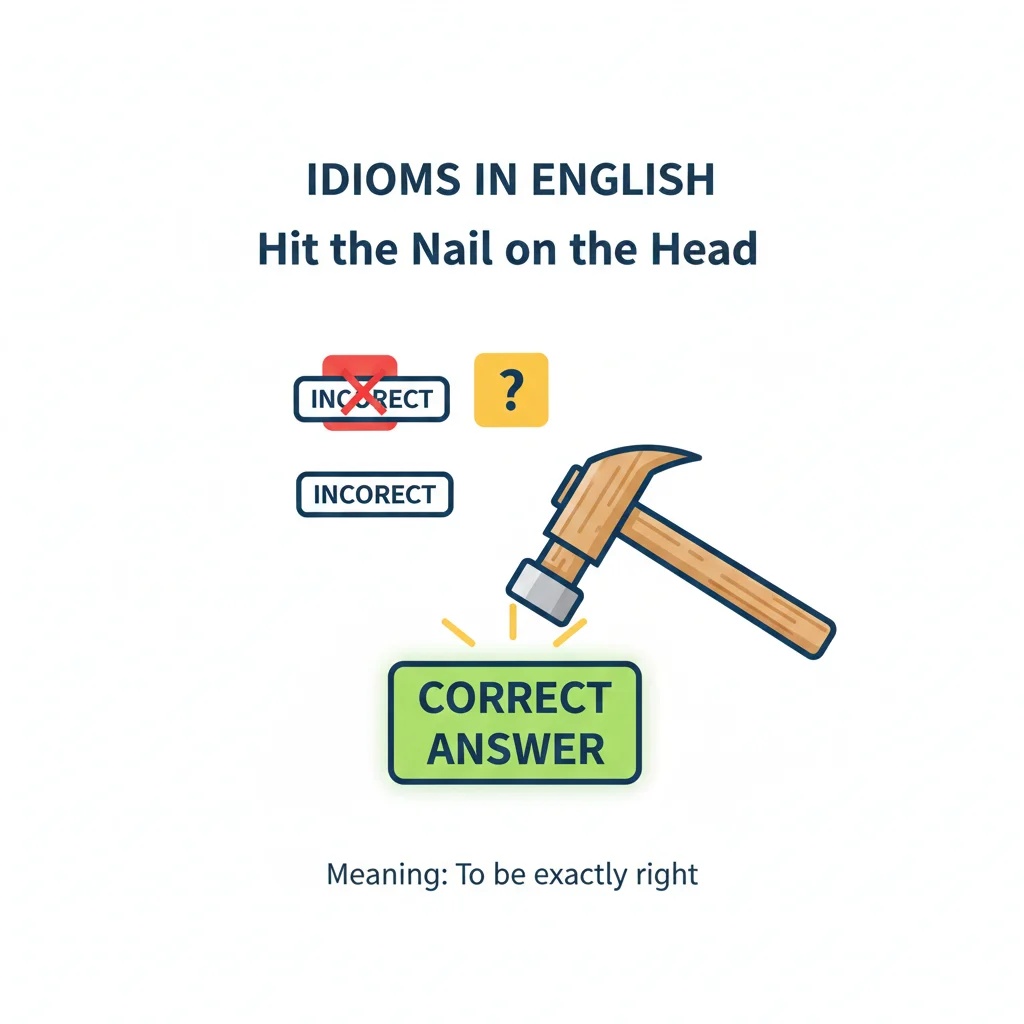
Word-by-word meaning: Hit + nail + head
Idiomatic meaning: Say something exactly right
Example: Your answer hit the nail on the head.
Common error: Using it for physical actions
Usage note: Common in feedback and opinions
Once in a Blue Moon
Word-by-word meaning: One time + blue moon
Idiomatic meaning: Very rarely
Example: We have quizzes like this once in a blue moon.
Common error: Confusing it with “often”
Usage note: Used with time expressions
Under the Weather
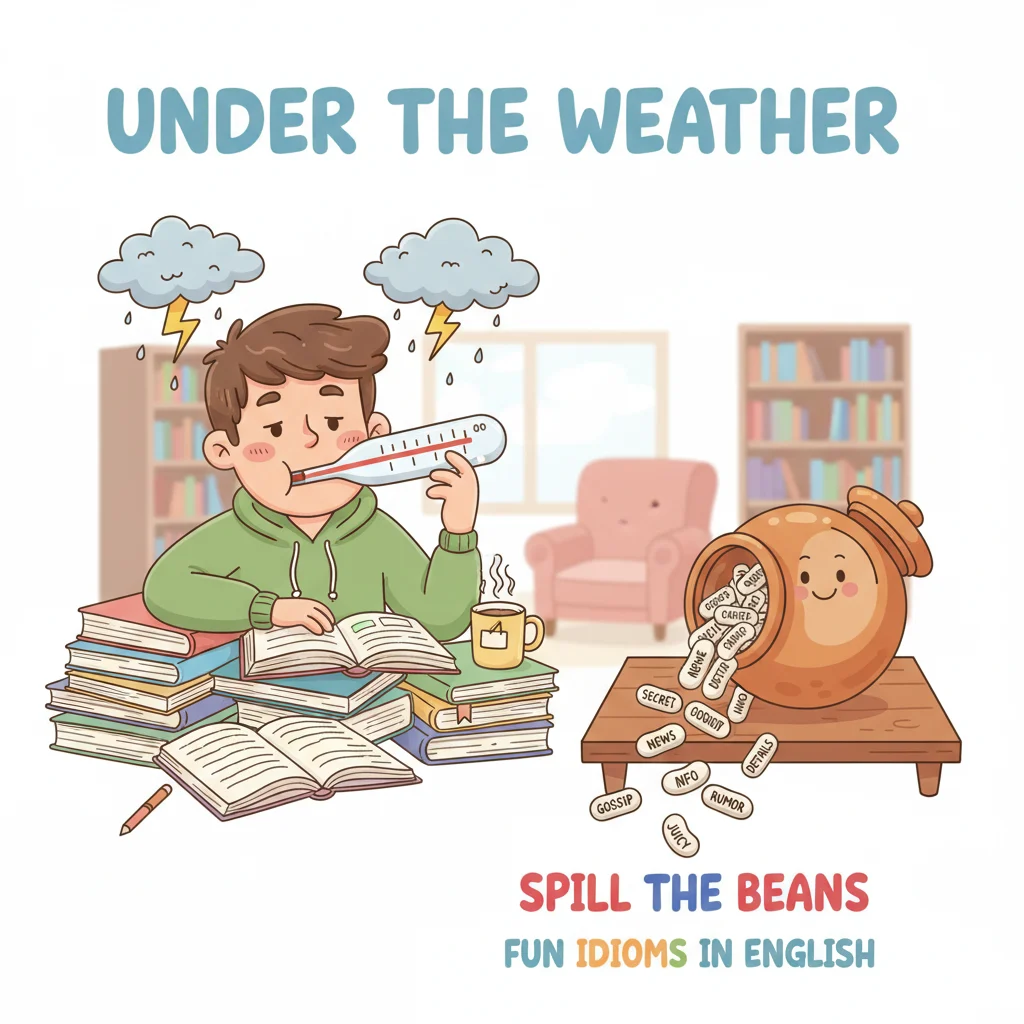
Word-by-word meaning: Below + weather
Idiomatic meaning: Feeling sick
Example: I skipped school because I felt under the weather.
Common error: Linking it to actual weather
Usage note: Informal and conversational
Piece of Cake
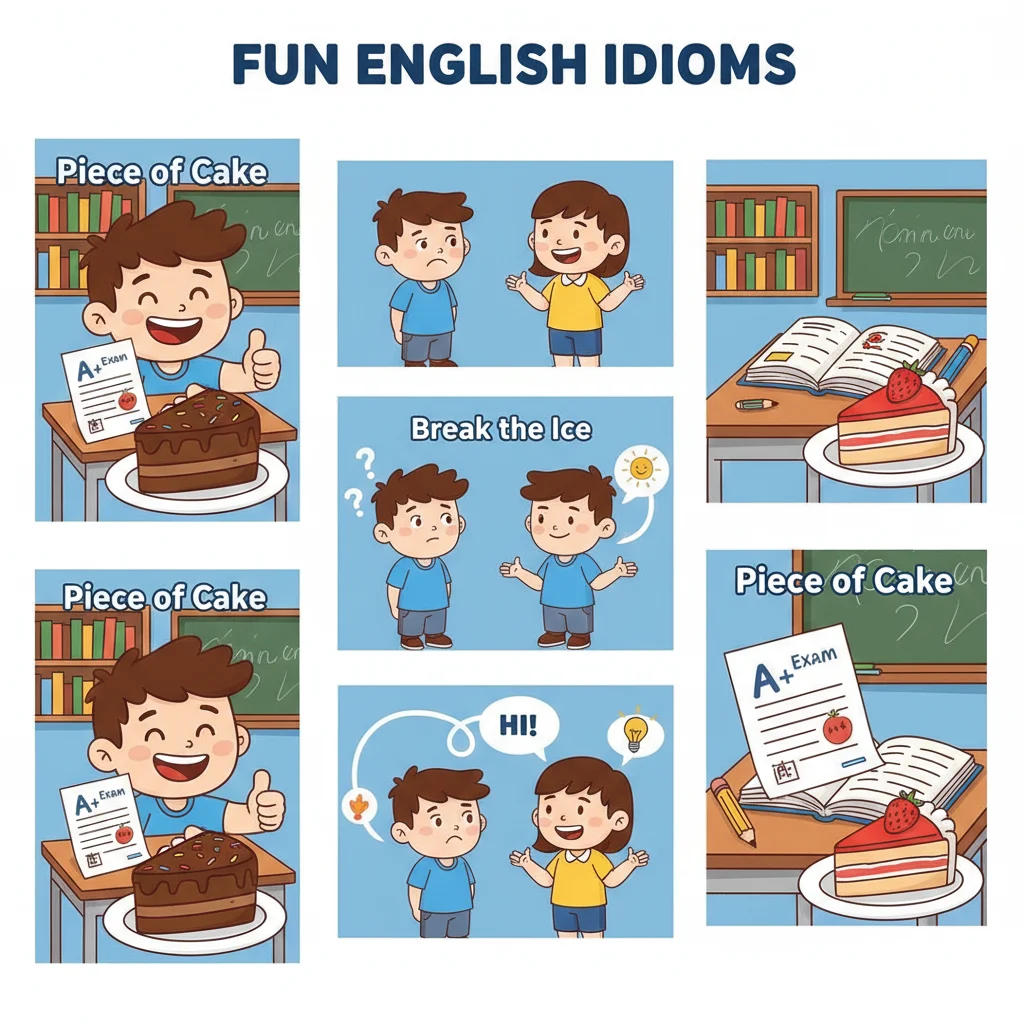
Word-by-word meaning: A slice of cake
Idiomatic meaning: Very easy
Example: The vocabulary section was a piece of cake.
Common error: Using it for food only
Usage note: Great for exams and daily speech
Cost an Arm and a Leg
Meaning: Very expensive
Example: That prep course costs an arm and a leg.
Common error: Taking it literally
Usage note: Informal idiom
Spill the Beans
Meaning: Reveal a secret
Example: He spilled the beans about the test answers.
Common error: Using it for accidents
Usage note: Often about secrets
Beat Around the Bush
Meaning: Avoid the main point
Example: Don’t beat around the bush—answer clearly.
Common error: Using it positively
Usage note: Often used in advice
A Blessing in Disguise
Meaning: A good thing that seemed bad
Example: Failing that quiz was a blessing in disguise.
Common error: Missing the positive outcome
Usage note: Reflective situations
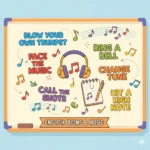
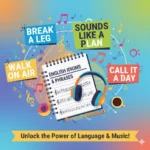
Call It a Day
Meaning: Stop working
Example: Let’s call it a day after revision.
Common error: Using it for phone calls
Usage note: Casual and professional
Back to the Drawing Board
Meaning: Start again
Example: I went back to the drawing board after failing.
Common error: Using it for art only
Usage note: Problem-solving contexts
In Hot Water
Meaning: In trouble
Example: He’s in hot water for cheating.
Common error: Literal interpretation
Usage note: Informal warning
Jump the Gun
Meaning: Act too early
Example: Don’t jump the gun during the test.
Common error: Confusing with speed
Usage note: Common in exams
The Ball Is in Your Court
Meaning: Your responsibility now
Example: I explained the rule—the ball is in your court.
Common error: Sports-only use
Usage note: Decision-making
Pull Someone’s Leg
Meaning: Joke or tease
Example: I’m just pulling your leg!
Common error: Physical meaning
Usage note: Friendly tone
Burn the Midnight Oil
Meaning: Study or work late
Example: I burned the midnight oil before the idioms test.
Common error: Fire-related meaning
Usage note: Academic context
On the Same Page
Meaning: Agree or understand
Example: Let’s get on the same page before revision.
Common error: Literal book reference
Usage note: Group discussions
A Tough Nut to Crack
Meaning: Difficult problem
Example: Idioms are a tough nut to crack at first.
Common error: Using it for people only
Usage note: Problem-solving
Cut Corners
Meaning: Do something cheaply or poorly
Example: Don’t cut corners when studying.
Common error: Directional meaning
Usage note: Advice and warnings
Get the Hang of It
Meaning: Learn how to do something
Example: You’ll get the hang of idioms soon.
Common error: Physical hanging
Usage note: Learning processes
FAQs About Idioms Test
1. What is an idioms test?
An idioms test checks your understanding of figurative English expressions.
2. Why are idioms important in exams?
They show natural language skills and reading comprehension.
3. How can I prepare for an idioms test?
Practice examples, avoid literal meanings, and use idioms in sentences.
4. Are idioms used in spoken tests too?
Yes, especially in interviews and speaking exams.
5. How many idioms should I learn?
Start with 20–30 common ones like those in this guide.
Conclusion
Idioms may seem confusing at first, but with consistent practice, they become second nature. The best way to master an idioms test is to read, write, and speak using idioms regularly. Try making your own sentences, quiz yourself, or even teach a friend. Every idiom you learn brings you one step closer to fluent, confident English. Keep practicing—you’ve got this 💪📘

“Rose Macaulay shares the charm of idioms on LearnIdom.com, making language learning delightful, insightful, and full of wit for every reader.”