Idioms make English more colorful, fun, and natural, and green idioms are perfect examples of this. From expressing jealousy to showing someone’s love for nature, these idioms paint clear pictures in your mind. Imagine hearing someone say, “She’s green with envy”—you immediately understand she’s jealous.
Or, when a gardener is praised with a “green thumb”, you know they can make any plant flourish. Even in movies or daily conversations, green idioms pop up everywhere! Learning them helps you sound fluent, express emotions vividly, and understand native speakers better.
This article covers famous green idioms, explaining their meanings, example sentences, common errors, and usage tips. Whether for school, work, or social life, these idioms will boost your confidence and help you speak English naturally and creatively.
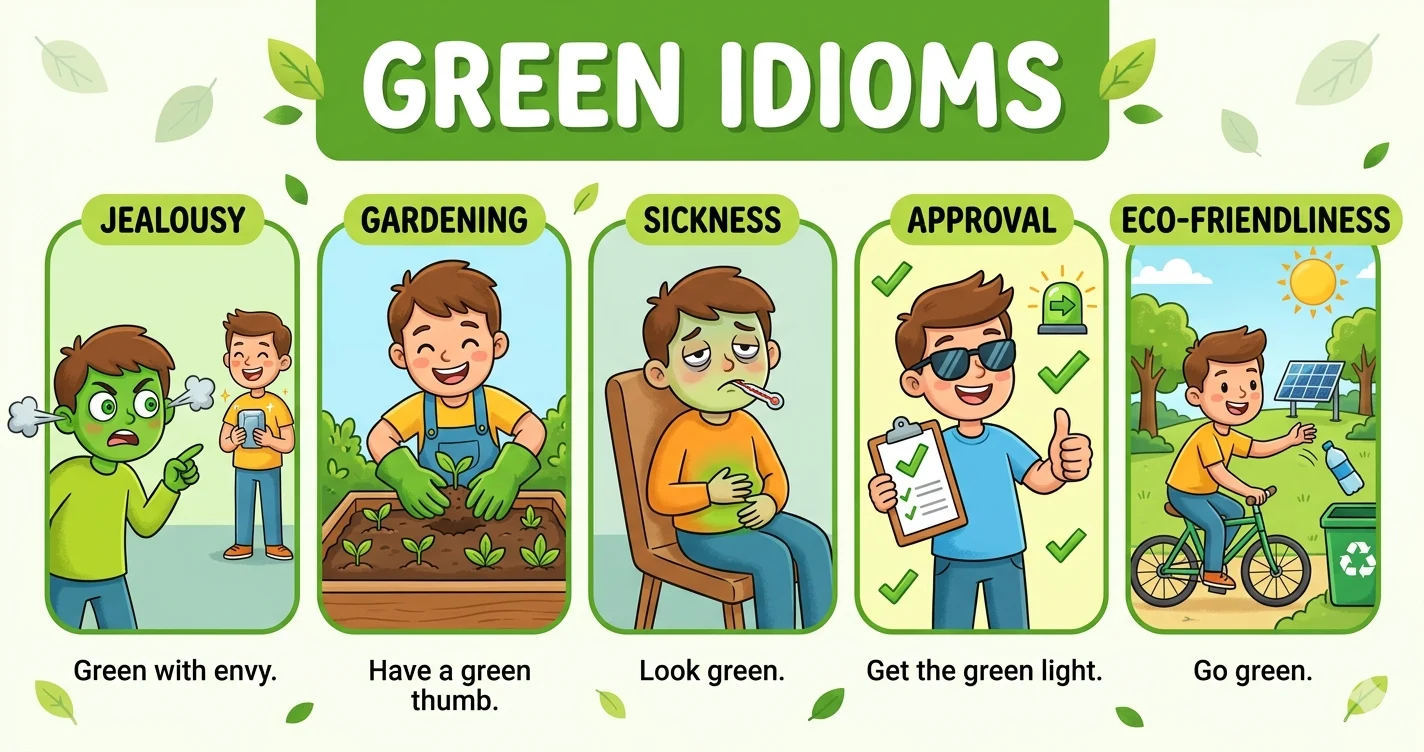
Green with envy
Word-by-word meaning
Green = color, envy = jealousy
Idiomatic/figurative meaning
Feeling extremely jealous of someone’s achievements or possessions.
Example sentences
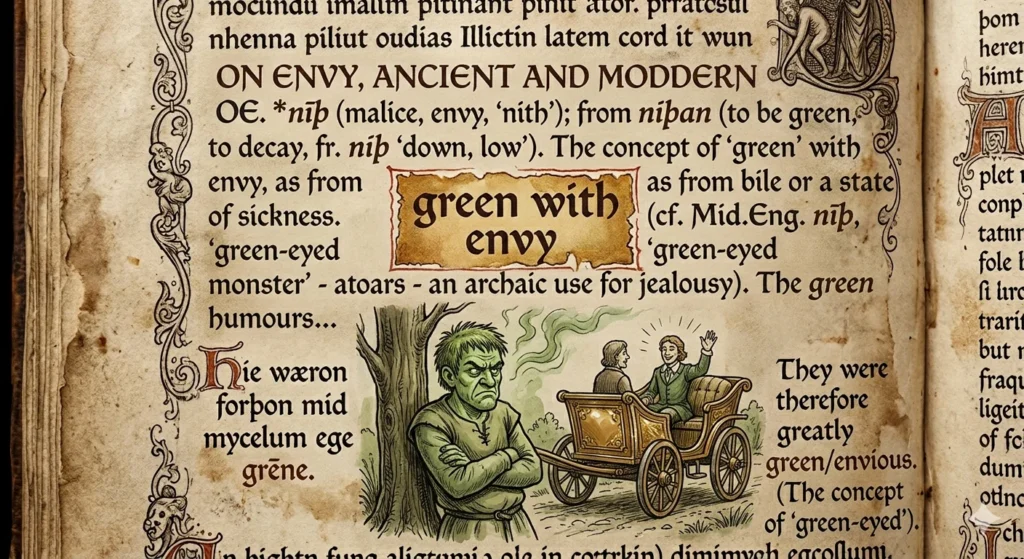
- She was green with envy when her friend got a promotion.
- Seeing his new car made me green with envy.
Common error
Do not say “envy green” or “envious green.” Always use “green with envy.”
Usage note
Used in everyday conversations, literature, and media to describe strong jealousy.
Green thumb
Word-by-word meaning
Green = color, thumb = part of hand
Idiomatic/figurative meaning
Someone who is naturally good at gardening or growing plants.
Example sentences
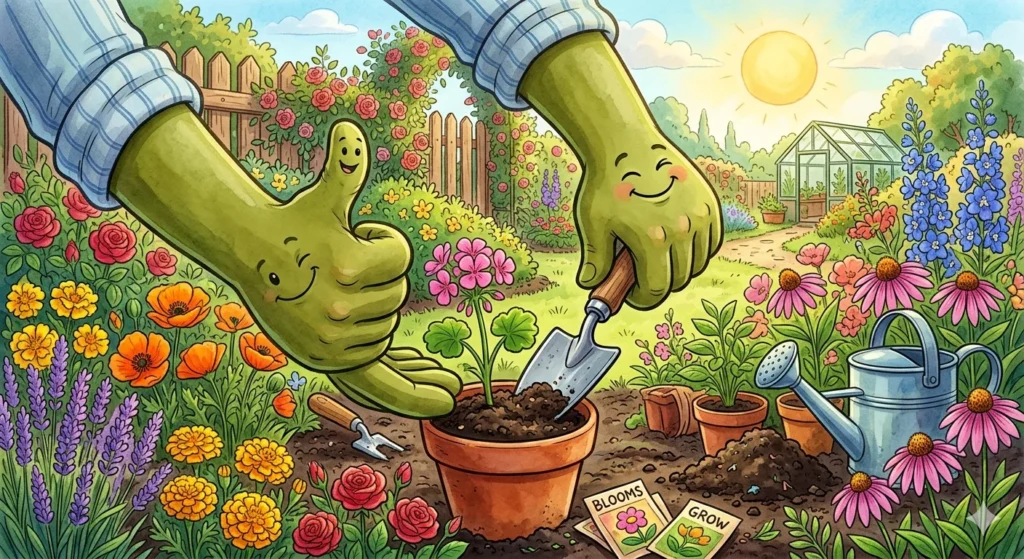
- My uncle has a green thumb; his garden is amazing.
- She got a green thumb after years of taking care of her plants.
Common error
Avoid “green finger” in American English; it’s used in British English sometimes.
Usage note
Mostly used in gardening and nature contexts, can also describe skills in nurturing or improving things.
Green light
Word-by-word meaning
Green = color, light = signal
Idiomatic/figurative meaning
Permission to proceed with a project or plan.
Example sentences
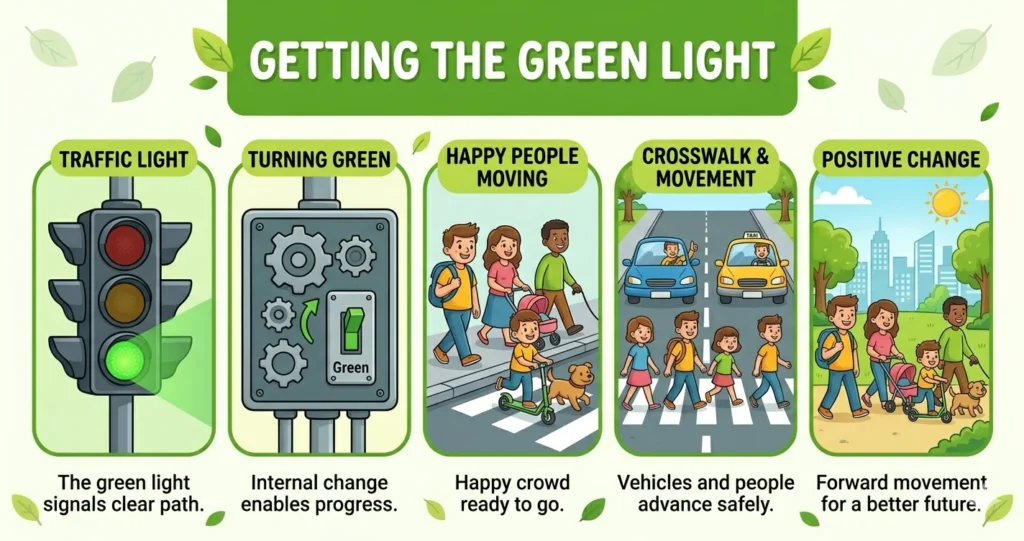
- The CEO gave us the green light to launch the campaign.
- They received the green light to expand the business overseas.
Common error
Do not confuse with “red light” (stop).
Usage note
Common in business, projects, and approvals; formal and informal.
Grass is always greener
Word-by-word meaning
Grass = plant, greener = more green
Idiomatic/figurative meaning
People often think others’ situations are better than their own.
Example sentences
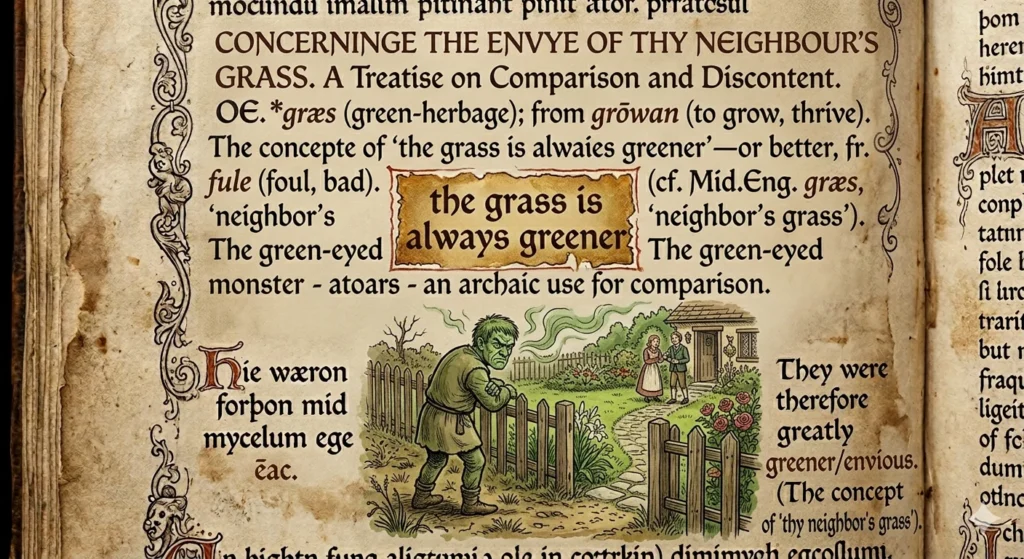
- Don’t compare your life to others; the grass is always greener.
- She left her job thinking the grass was greener elsewhere but regretted it later.
Common error
Do not drop “always” or reverse the phrase.
Usage note
Used in advice, reflections, or moral lessons about contentment.
Green around the gills
Word-by-word meaning
Green = color, gills = fish breathing organ (used metaphorically)
Idiomatic/figurative meaning
Looking unwell or nauseated.
Example sentences

- He looked green around the gills after the long bus ride.
- She was green around the gills during the boat trip.
Common error
Never say “gills are green” — always use “green around the gills.”
Usage note
Informal; often used in storytelling or casual speech.
Greenhorn
Word-by-word meaning
Green = inexperienced, horn = figurative for someone new
Idiomatic/figurative meaning
A beginner or someone new at a task.
Example sentences
- As a greenhorn, he made many mistakes in the kitchen.
- The company hired a few greenhorns for entry-level positions.
Common error
Do not use it for experienced people; it only means beginner.
Usage note
Common in work, sports, and learning contexts.
Green as grass
Word-by-word meaning
Green = color, grass = plant
Idiomatic/figurative meaning
Extremely inexperienced or naive.
Example sentences
- She’s green as grass when it comes to public speaking.
- Don’t be fooled by him; he’s green as grass in this industry.
Common error
Avoid confusing it with literal green grass.
Usage note
Informal, often used to describe newcomers or novices.
Go green
Word-by-word meaning
Go = become, green = eco-friendly
Idiomatic/figurative meaning
Adopt eco-friendly habits or sustainable practices.
Example sentences
- Our company decided to go green by reducing plastic waste.
- Families can go green by planting trees and using solar energy.
Common error
Do not use “green go” — always “go green.”
Usage note
Popular in environmental discussions, sustainability, and campaigns.
Green around the edges
Word-by-word meaning
Green = color, edges = border
Idiomatic/figurative meaning
Fresh, inexperienced, or immature.
Example sentences
- The new recruit is still green around the edges, but learning fast.
- He is green around the edges, so don’t expect perfection yet.
Common error
Avoid using in health context; it’s about inexperience.
Usage note
Similar to “green as grass,” used in professional and social contexts.
Green-eyed monster
Word-by-word meaning
Green-eyed = metaphorical jealousy, monster = evil feeling
Idiomatic/figurative meaning
Jealousy personified as a monster.
Example sentences
- Shakespeare called jealousy the green-eyed monster.
- Don’t let the green-eyed monster ruin your friendship.
Common error
Do not say “monster green-eyed” — always “green-eyed monster.”
Usage note
Literary and informal; often references envy strongly.
35+ Popular Cricket Idioms 🏏📚 – Must Know Guide
Green around the face
Word-by-word meaning
Green = color, face = appearance
Idiomatic/figurative meaning
Feeling sick or nauseated.
Example sentences
- After the roller coaster, he was green around the face.
- She looked green around the face when she saw the accident.
Common error
Never use for healthy people; it only indicates sickness.
Usage note
Casual and descriptive for physical condition.
Green on the inside
Word-by-word meaning
Green = inexperienced, inside = internal state
Idiomatic/figurative meaning
Naive or lacking experience despite outward appearance.
Example sentences
- He seems confident but is green on the inside.
- The young manager is green on the inside, learning fast.
Common error
Do not confuse with physical greenness; it’s metaphorical.
Usage note
Used in mentoring or evaluation contexts.
Green around the corners
Word-by-word meaning
Green = inexperienced, corners = edges/metaphor
Idiomatic/figurative meaning
Still new, slightly inexperienced, not polished.
Example sentences
- The intern is green around the corners, but eager to learn.
- The software is good but green around the corners, needs updates.
Common error
Avoid using for perfection or fully polished things.
Usage note
Business and creative contexts; emphasizes growth potential.
In the green
Word-by-word meaning
Green = profit, healthy
Idiomatic/figurative meaning
Financially profitable or doing well.
Example sentences
- After the first year, the startup is finally in the green.
- Our budget is in the green this quarter.
Common error
Do not confuse with literal green objects; it’s about finances.
Usage note
Finance, business, and reporting contexts.
Green behind the ears
Word-by-word meaning
Green = inexperienced, behind the ears = figurative for youth
Idiomatic/figurative meaning
Naive, young, or inexperienced.
Example sentences
- He’s green behind the ears, but a quick learner.
- The new recruits are all green behind the ears.
Common error
Do not use for adults with experience.
Usage note
Common in work, education, and military contexts.
Green around the hills
Word-by-word meaning
Green = inexperienced, hills = metaphorical
Idiomatic/figurative meaning
Fresh or new in experience.
Example sentences
- The assistant is green around the hills, learning fast.
- Our youngest player is green around the hills, but talented.
Common error
Rarely literal; do not use for landscapes.
Usage note
Informal, metaphorical expression for novices.
Green as spring
Word-by-word meaning
Green = fresh, spring = season of growth
Idiomatic/figurative meaning
Fresh, new, or inexperienced.
Example sentences
- Her ideas are green as spring, full of energy.
- The new employees are green as spring, eager to learn.
Common error
Avoid using for old, experienced situations.
Usage note
Metaphorical freshness; creative writing.
Green energy
Word-by-word meaning
Green = eco-friendly, energy = power source
Idiomatic/figurative meaning
Energy from renewable, environmentally friendly sources.
Example sentences
- Solar panels are a form of green energy.
- Countries invest in green energy to reduce pollution.
Common error
Do not confuse with literal green-colored energy.
Usage note
Environment, sustainability, and science contexts.
Green around the nose
Word-by-word meaning
Green = sick, nose = appearance
Idiomatic/figurative meaning
Feeling nauseous or ill.
Example sentences
- He looked green around the nose after eating spoiled food.
- The patient was green around the nose, showing signs of motion sickness.
Common error
Rarely literal; only describe sickness.
Usage note
Casual, descriptive of appearance.
Green coding
Word-by-word meaning
Green = environmentally friendly, coding = programming
Idiomatic/figurative meaning
Writing code or software with energy-efficient and sustainable methods.
Example sentences
- Developers are focusing on green coding to save server energy.
- Green coding reduces environmental impact in tech projects.
Common error
Do not confuse with literal green color coding.
Usage note
Emerging in tech and sustainable computing.
FAQ About Green Idioms
Q1: Can green idioms be used in business writing?
A: Yes, idioms like green light, in the green, and green energy are professional and formal-friendly.
Q2: How do I remember all 20 green idioms?
A: Group them into themes: jealousy, nature, health, inexperience, and sustainability. Make flashcards or daily sentences.
Q3: Are green idioms used in American and British English?
A: Yes, most are common in both, though green thumb is more American, and green finger can appear in British English.
Q4: Can I make new idioms with green?
A: Creativity is possible, but they may not be widely understood unless context is clear.
Q5: Which green idiom is most common in conversation?
A: Green with envy, green thumb, and green light are frequently used in daily speech.
Conclusion
Green idioms bring life, color, and expression into English. They help you describe emotions, health, nature, inexperience, and even sustainability. By learning all 20 idioms and practicing them daily, you can speak fluently, understand native speakers better, and impress with your vocabulary. Start using them today, mix them into writing or conversations, and watch your English skills grow as fresh and vibrant as green spring leaves!

“Elizabeth Bowen shares timeless idioms and language wisdom on LearnIdom.com, making learning phrases fun, easy, and unforgettable.”