Have you ever stayed up late studying for an exam, poured hours into a project, or trained tirelessly for a sport, only to feel unsure if it was worth it? That’s where idioms for hard work pays off come in—they capture the truth that effort, persistence, and dedication eventually lead to success.
These idioms aren’t just phrases; they’re life lessons in a few words, perfect for motivating yourself or inspiring others.
In this article, we’ll explore 20 famous idioms for hard work pays off, with clear meanings, real-life examples, and usage tips. Whether you’re a student, professional, or lifelong learner, mastering these idioms will enrich your English and boost your confidence in speaking and writing.
Blood, Sweat, and Tears
Word-by-word meaning: Blood = effort, Sweat = hard work, Tears = emotional struggle.
Idiomatic meaning: Putting in intense effort and enduring hardships to achieve something.
Example sentence: She put in blood, sweat, and tears to finish her novel.
Common error: Using it casually for minor tasks; it implies significant struggle.
Usage note: Usually used in professional or major personal achievements.
Burn the Midnight Oil
Word-by-word meaning: Working late at night, often by lamp light.
Idiomatic meaning: Staying up late to work or study hard.
Example sentence: He burned the midnight oil to prepare for the final exams.
Common error: Saying “burn midnight oil” without “the” is incorrect.
Usage note: Often used for studying or completing urgent work.
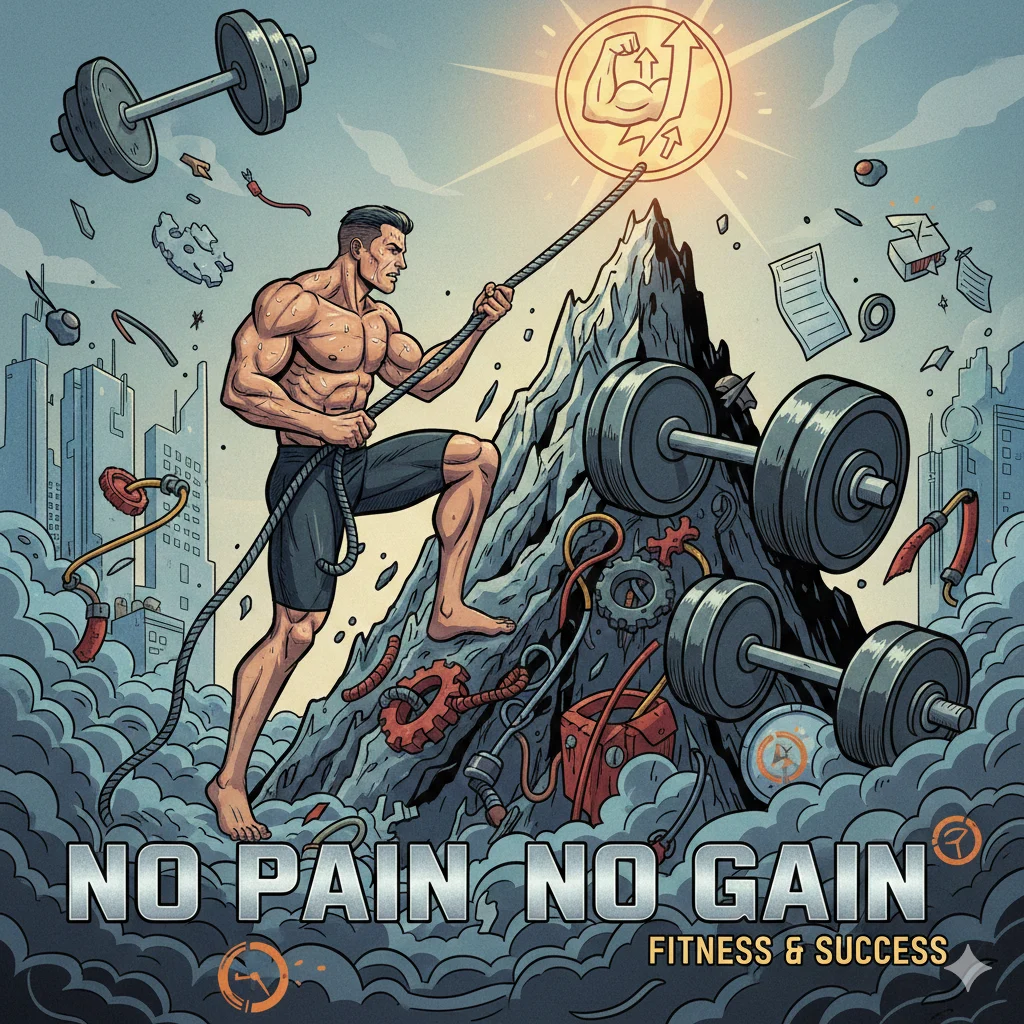
No Pain, No Gain
Word-by-word meaning: Without effort (pain), there is no reward (gain).
Idiomatic meaning: You must work hard to achieve results.
Example sentence: She exercised every day, knowing no pain, no gain.
Common error: Misinterpreting it as a warning of danger rather than effort.
Usage note: Often motivational in sports, fitness, and personal growth.

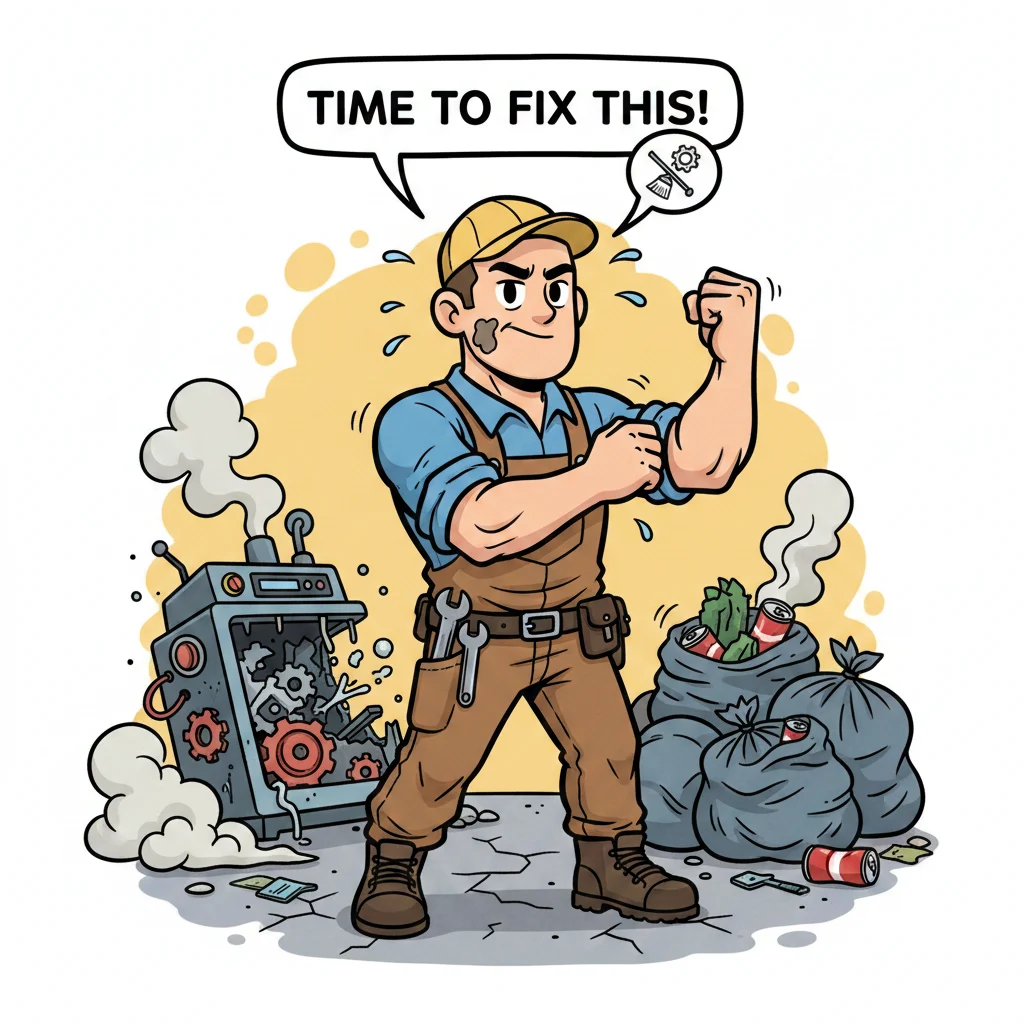
Roll Up Your Sleeves
Word-by-word meaning: Literally push sleeves up.
Idiomatic meaning: Prepare to work hard; get ready for effort.
Example sentence: It’s time to roll up your sleeves and tackle the project.
Common error: Using it without context; it implies action, not attitude.
Usage note: Commonly used in workplaces or group efforts.
Go the Extra Mile
Word-by-word meaning: Travel further than required.
Idiomatic meaning: Make more effort than expected to achieve success.
Example sentence: She went the extra mile to ensure her clients were happy.
Common error: Saying “go an extra mile” is incorrect.
Usage note: Often used in professional or service-oriented contexts.
Keep Your Nose to the Grindstone
Word-by-word meaning: Nose = focus, Grindstone = tool for sharpening, symbolizing effort.
Idiomatic meaning: Work continuously and diligently.
Example sentence: If you keep your nose to the grindstone, you’ll finish your thesis on time.
Common error: Misinterpreting it as “being stubborn” rather than hardworking.
Usage note: Mostly used in professional or academic contexts.
Sweat It Out
Word-by-word meaning: Sweat = physical effort, Out = complete the effort.
Idiomatic meaning: Endure a period of hard work or struggle.
Example sentence: He sweated it out in the kitchen to prepare the perfect cake.
Common error: Using it to describe minor effort; implies serious effort.
Usage note: Can apply to work, studying, or tough situations.
Put Your Back Into It
Word-by-word meaning: Back = physical strength, Into It = apply effort.
Idiomatic meaning: Use maximum effort, especially physical effort.
Example sentence: Put your back into it, and we’ll finish moving these boxes faster.
Common error: Misinterpreting as emotional effort rather than physical work.
Usage note: Commonly used for physical tasks, but can be figurative for effort.
Put Your Shoulder to the Wheel
Word-by-word meaning: Shoulder = strength, Wheel = metaphorical task.
Idiomatic meaning: Work hard and persistently to achieve a goal.
Example sentence: It’s time to put your shoulder to the wheel if we want to meet the deadline.
Common error: Using “hands” instead of “shoulder” is incorrect.
Usage note: Often used for teamwork or group projects.
Work One’s Fingers to the Bone
Word-by-word meaning: Fingers = small tools of work, Bone = extreme effort.
Idiomatic meaning: Work extremely hard for long periods.
Example sentence: She worked her fingers to the bone to save enough money for college.
Common error: Overusing it for light effort diminishes meaning.
Usage note: Typically used to emphasize sacrifice and persistence.
All in a Day’s Work
Word-by-word meaning: Everything = normal routine of a day’s job.
Idiomatic meaning: Tasks may be difficult, but they are expected parts of the job.
Example sentence: Fixing the system crash? That’s all in a day’s work for a technician.
Common error: Using it for personal life events rather than work-related tasks.
Usage note: Often used to downplay difficulty or stress.
Hit the Books
Word-by-word meaning: Hit = start, Books = study materials.
Idiomatic meaning: Study intensely.
Example sentence: Exams are coming; it’s time to hit the books.
Common error: Misusing it to mean “read casually.”
Usage note: Mostly used by students or learners.
Labor of Love
Word-by-word meaning: Labor = work, Love = passion.
Idiomatic meaning: Hard work done with passion, not for money.
Example sentence: Painting her mural was a labor of love.
Common error: Using it for tasks done reluctantly.
Usage note: Emphasizes dedication and personal interest.
Leave No Stone Unturned
Word-by-word meaning: Check under every stone = thorough effort.
Idiomatic meaning: Make every possible effort to achieve something.
Example sentence: We left no stone unturned in our search for the missing document.
Common error: Misunderstanding as literal; always figurative.
Usage note: Common in investigations, research, or thorough work.
Go for Broke
Word-by-word meaning: Risk everything (broke = lose all money).
Idiomatic meaning: Give maximum effort, risking failure for reward.
Example sentence: He went for broke on his final project, and it paid off.
Common error: Using it casually without high stakes.
Usage note: Suggests bold, all-out effort.
Bend Over Backwards
Word-by-word meaning: Physically bend backward = extreme effort.
Idiomatic meaning: Make every effort to help or achieve something.
Example sentence: She bent over backwards to help her friend move houses.
Common error: Confusing it with “give up easily.”
Usage note: Often used for helping others or accommodating situations.
Make Ends Meet
Word-by-word meaning: Ends = income and expenses, Meet = balance.
Idiomatic meaning: Work hard to manage finances or resources.
Example sentence: After working two jobs, he finally made ends meet.
Common error: Interpreting it literally; it’s financial or effort-related.
Usage note: Often used in money, budgeting, or survival contexts.
Keep the Ball Rolling
Word-by-word meaning: Ball = task/project, Rolling = continue momentum.
Idiomatic meaning: Maintain effort and progress in an ongoing task.
Example sentence: Let’s keep the ball rolling on this campaign.
Common error: Using it for finished tasks.
Usage note: Suitable for teamwork and projects.
Take the Bull by the Horns
Word-by-word meaning: Bull = challenge, Horns = confront directly.
Idiomatic meaning: Face a difficult situation with courage and effort.
Example sentence: She took the bull by the horns and led the project herself.
Common error: Using it for trivial tasks.
Usage note: Implies bravery combined with hard work.
Stick With It
Word-by-word meaning: Continue, don’t quit.
Idiomatic meaning: Persist through challenges to achieve results.
Example sentence: Learning English is tough, but stick with it!
Common error: Confusing it with short-term effort; it implies persistence.
Usage note: Motivational and versatile, applies to work, studies, and personal goals.
Conclusion
Mastering idioms for hard work pays off not only improves your English fluency but also helps you express determination and perseverance naturally. Start incorporating one idiom a day into your conversations or writing. Remember, practice is the secret ingredient—your effort will pay off!

“Rose Macaulay shares the charm of idioms on LearnIdom.com, making language learning delightful, insightful, and full of wit for every reader.”