Keeping things clean goes beyond tidying your room—it’s part of everyday English too! That’s why learning idioms for clean can make your speech more natural, expressive, and fun.
Imagine hearing someone say, “He has a clean slate” or “She washed her hands of the situation.” At first, these idioms may confuse beginners because they’re not about literal cleaning—but once you understand them, they add color and depth to your language.
I remember when I first learned idioms like “spotless reputation”—I thought it meant soap! Over time, I realized that clean idioms are a shortcut to sounding like a native speaker. In this guide, you’ll discover 20 famous idioms for clean, complete with meanings, examples, common errors, and usage tips. By the end, you’ll feel confident slipping them into everyday conversation.
🧽 Clean Slate
Word-by-Word Meaning
A slate that is clean
Idiomatic / Figurative Meaning
A fresh start; beginning without past mistakes
Example Sentences
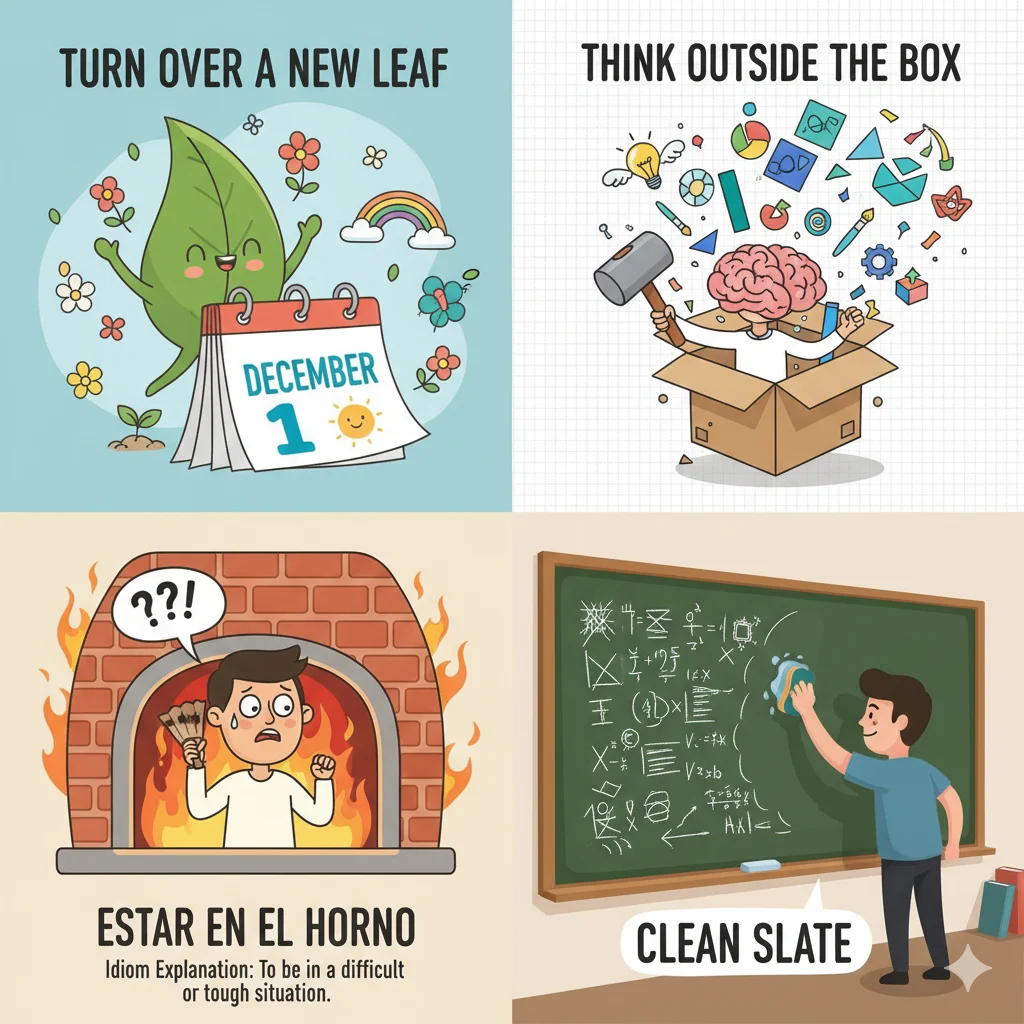
- After his apology, he got a clean slate.
- New students often appreciate a clean slate in exams.
Common Error
❌ Using it for literal cleaning only
Usage Note
Common in both personal and professional contexts
🧼 Spotless Reputation
Word-by-Word Meaning
A reputation with no spots
Idiomatic / Figurative Meaning
A perfect reputation; completely honest or innocent
Example Sentences
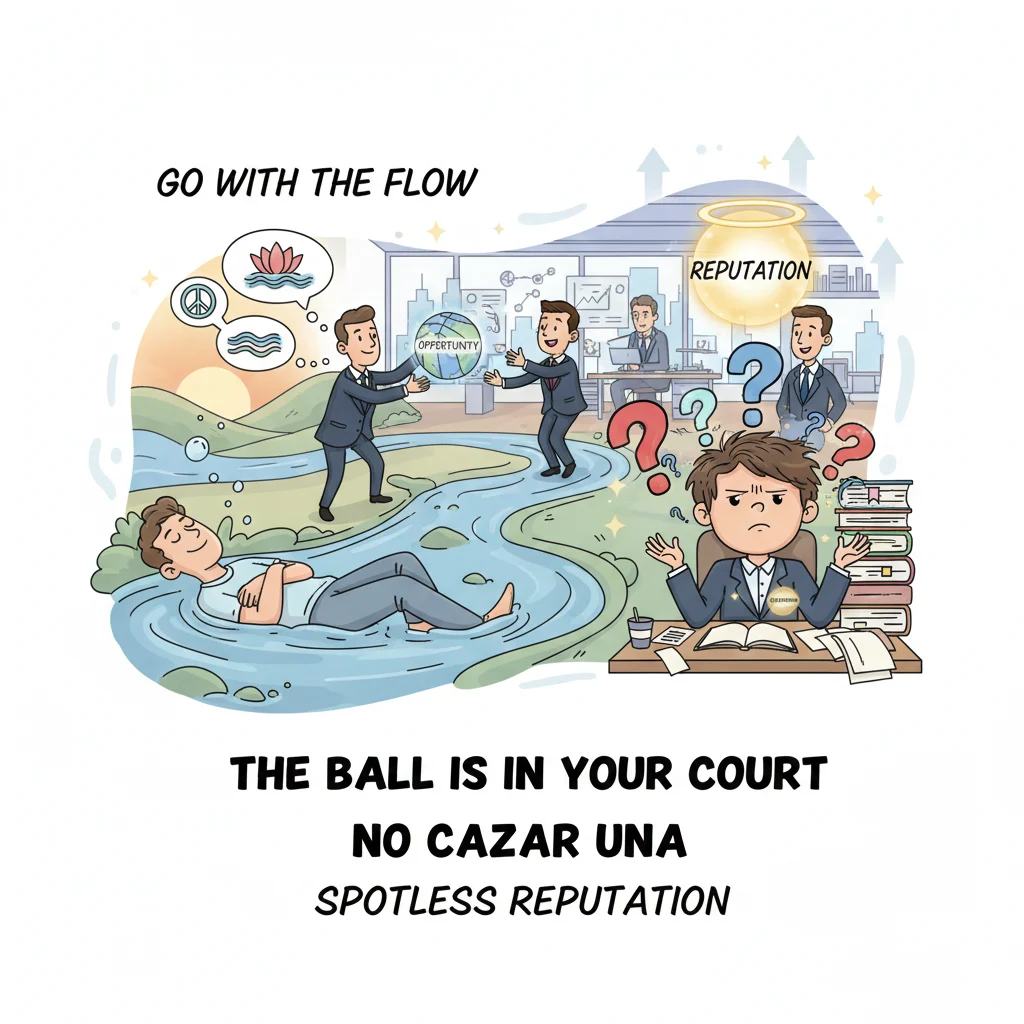
- She maintained a spotless reputation in the industry.
- His honesty gives him a spotless reputation.
Common Error
❌ Confusing with “spotless house”
Usage Note
Formal or semi-formal usage
🧹 Wash One’s Hands of Something
Word-by-Word Meaning
Clean your hands of something
Idiomatic / Figurative Meaning
To stop being involved; to refuse responsibility
Example Sentences
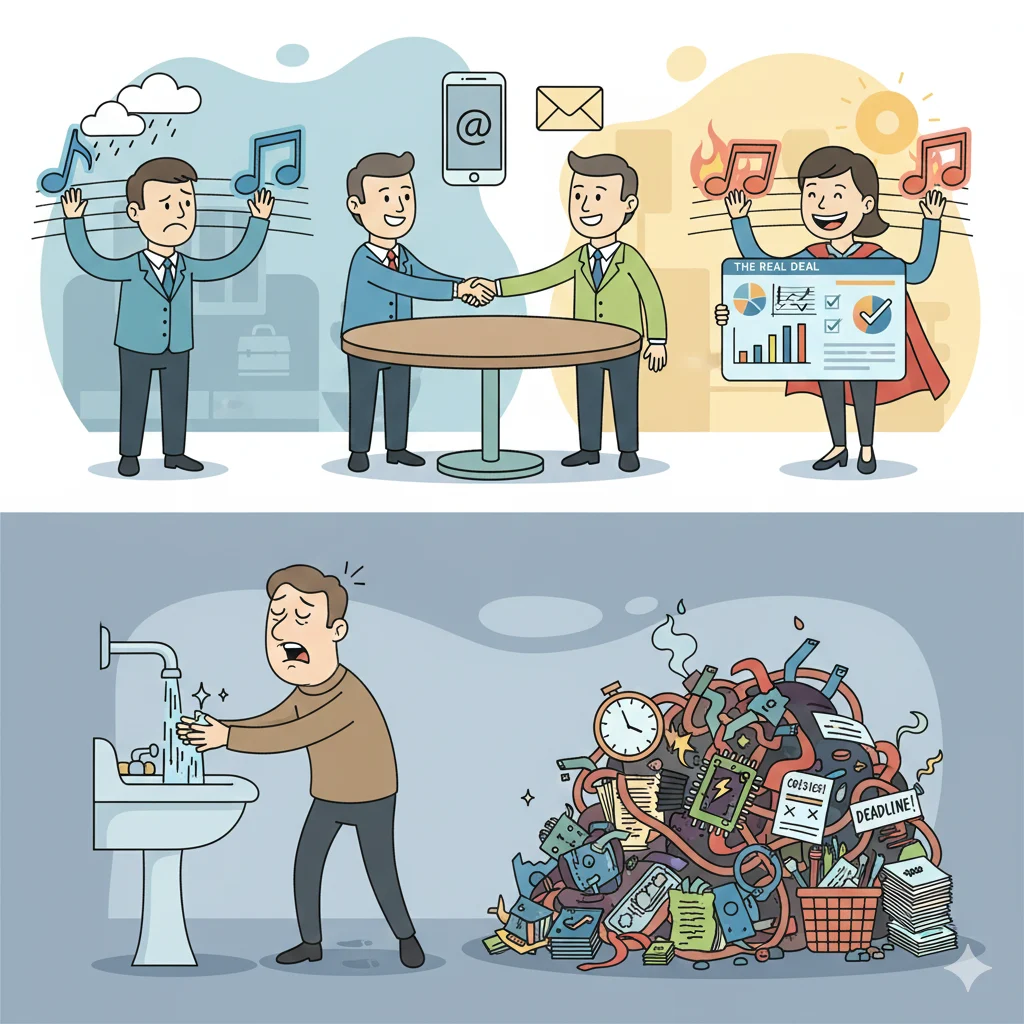
- He washed his hands of the dispute.
- After the scandal, she decided to wash her hands of it.
Common Error
❌ Using it to mean literal washing
Usage Note
Common in storytelling and business contexts
🧺 Scrub Up
Word-by-Word Meaning
Clean thoroughly
Idiomatic / Figurative Meaning
To clean oneself, often before surgery or formal occasions
Example Sentences
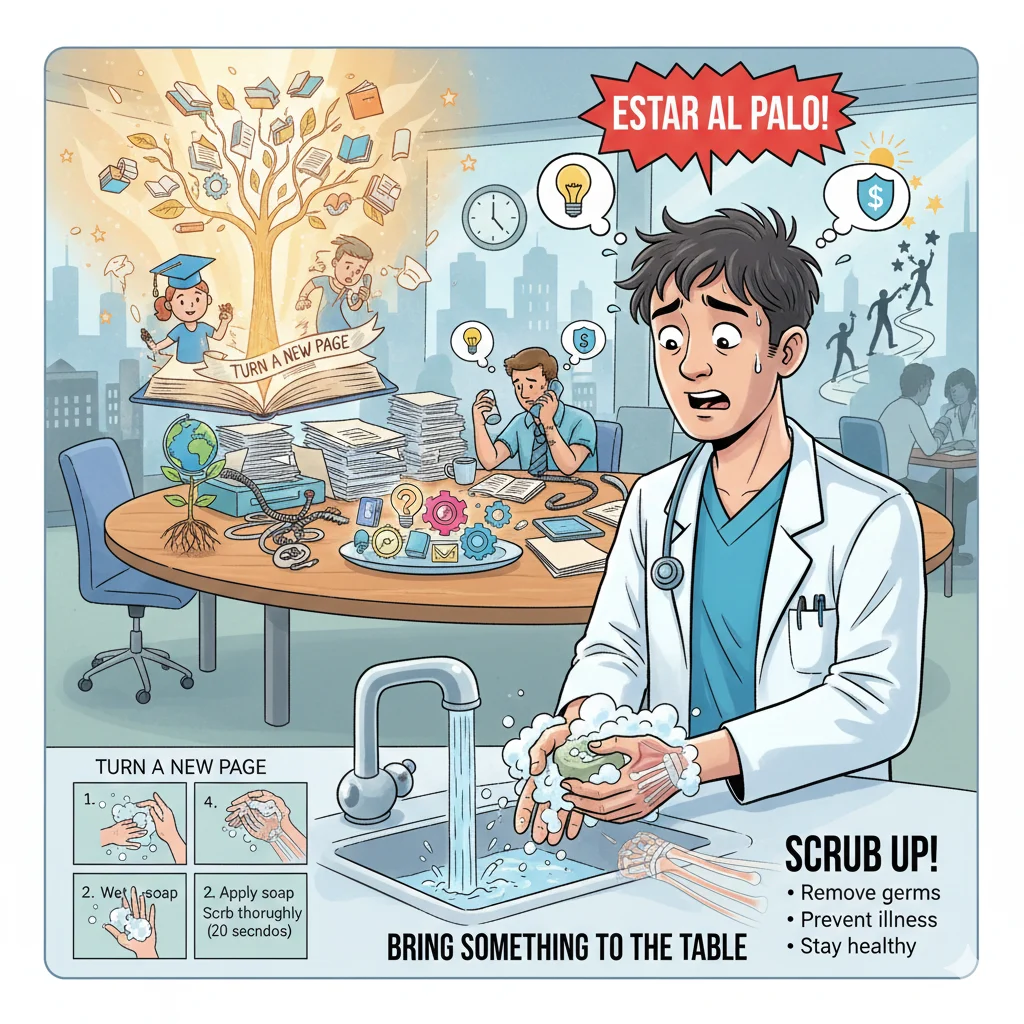
- Doctors scrub up before operations.
- He scrubbed up nicely for the interview.
Common Error
❌ Using only for clothes or dishes
Usage Note
Mostly British English
🧴 Clean as a Whistle
Word-by-Word Meaning
Completely clean like a whistle
Idiomatic / Figurative Meaning
Completely clean or pure; spotless
Example Sentences

- The kitchen is clean as a whistle.
- His criminal record is clean as a whistle.
Common Error
❌ Using it for partial cleanliness
Usage Note
Informal, very common in conversation
🧽 Polish One’s Image
Word-by-Word Meaning
Shine or make image bright
Idiomatic / Figurative Meaning
Improve public perception or reputation
Example Sentences
- Celebrities often polish their image for awards.
- He tried to polish his image after the mistake.
Common Error
❌ Using literally to shine objects
Usage Note
Used in PR, business, or social contexts
🧼 Neat as a Pin
Word-by-Word Meaning
Very neat like a pin
Idiomatic / Figurative Meaning
Extremely tidy or organized
Example Sentences
- Her desk is neat as a pin.
- The room looked neat as a pin after cleaning.
Common Error
❌ Confusing with “sharp as a pin”
Usage Note
Very informal, casual speech
🧹 Spick and Span
Word-by-Word Meaning
Completely clean and tidy
Idiomatic / Figurative Meaning
Spotlessly clean, organized
Example Sentences
- The house was spick and span for the party.
- He keeps his office spick and span.
Common Error
❌ Using only for people
Usage Note
Mostly British English, formal and casual usage
🧺 Sweep Under the Rug
Word-by-Word Meaning
Hide dirt under a rug
Idiomatic / Figurative Meaning
Hide a problem instead of solving it
Example Sentences
- Don’t sweep it under the rug; we need to deal with it.
- She tried to sweep the mistakes under the rug.
Common Error
❌ Using literally without context
Usage Note
Common in business and personal advice
🧴 Air One’s Dirty Laundry
Word-by-Word Meaning
Show dirty clothes in the air
Idiomatic / Figurative Meaning
Discuss private problems publicly
Example Sentences
- They shouldn’t air their dirty laundry in public.
- Families sometimes air dirty laundry at meetings.
Common Error
❌ Using only for actual laundry
Usage Note
Used in storytelling or warnings
🧽 Clean Up One’s Act
Word-by-Word Meaning
Make one’s behavior clean
Idiomatic / Figurative Meaning
Improve behavior or performance
Example Sentences
- He promised to clean up his act.
- The company is cleaning up its act after complaints.
Common Error
❌ Using literally for washing
Usage Note
Very common in casual advice
🧼 Make Something Immaculate
Word-by-Word Meaning
Make perfectly clean
Idiomatic / Figurative Meaning
Make perfectly neat or flawless
Example Sentences
- She made the room immaculate.
- His report was immaculate in structure.
Common Error
❌ Overusing in informal speech
Usage Note
Formal, professional or educational contexts
🧹 Tidy Up
Word-by-Word Meaning
Make neat
Idiomatic / Figurative Meaning
Organize and clean a space
Example Sentences
- Let’s tidy up the living room.
- He tidied up his desk before the meeting.
Common Error
❌ Using only for small objects
Usage Note
Casual, everyday speech
🧺 Pristine Condition
Word-by-Word Meaning
Original, untouched condition
Idiomatic / Figurative Meaning
Perfectly clean or new
Example Sentences
- The car is in pristine condition.
- Her garden remains pristine.
Common Error
❌ Using for minor cleaning only
Usage Note
Formal and descriptive, often in reviews
🧴 Sanitize
Word-by-Word Meaning
Make free from germs
Idiomatic / Figurative Meaning
Make something free from unwanted influence or problems
Example Sentences
- Policies were sanitized before release.
- She sanitized her notes before the meeting.
Common Error
❌ Using only for physical cleaning
Usage Note
Modern, formal, often corporate or educational
🧽 Polish the Apple
Word-by-Word Meaning
Shine an apple
Idiomatic / Figurative Meaning
Flatter someone to gain favor
Example Sentences
- He’s polishing the apple to get promoted.
Common Error
❌ Confusing with literal polishing
Usage Note
Informal, humorous, mostly American English
🧼 Wipe the Slate Clean
Word-by-Word Meaning
Erase all writing from a slate
Idiomatic / Figurative Meaning
Forgive past mistakes, start fresh
Example Sentences
- Let’s wipe the slate clean and move forward.
- After the argument, they wiped the slate clean.
Common Error
❌ Mixing with “clean slate” (though similar, context differs)
Usage Note
Casual and formal contexts
🧹 Scrub the Decks
Word-by-Word Meaning
Clean ship decks
Idiomatic / Figurative Meaning
Prepare thoroughly for a challenge or change
Example Sentences
- They scrubbed the decks before the inspection.
- The team scrubbed the decks for the project launch.
Common Error
❌ Using only for ships
Usage Note
Figurative usage common in workplaces
🧺 Neaten One’s Appearance
Word-by-Word Meaning
Make appearance neat
Idiomatic / Figurative Meaning
Improve looks or presentation
Example Sentences
- He neatened his appearance before the interview.
- She neatened her appearance for the party.
Common Error
❌ Using only for cleaning objects
Usage Note
Everyday casual usage
🧴 Keep One’s Hands Clean
Word-by-Word Meaning
Don’t get hands dirty
Idiomatic / Figurative Meaning
Avoid involvement in illegal or dishonest acts
Example Sentences
- He keeps his hands clean in business deals.
- Politicians try to keep their hands clean publicly.
Common Error
❌ Using literally for washing hands
Usage Note
Formal and informal, often figurative
❓ Frequently Asked Questions (FAQs)
1. Are idioms for clean used in exams?
Yes! Many appear in IELTS, TOEFL, and other English tests.
2. Can beginners understand clean idioms easily?
Start with common ones like clean slate and tidy up, then gradually learn the rest.
3. Are these idioms literal or figurative?
Mostly figurative; they add depth and color to your English.
4. How can I practice them daily?
Use one idiom a day in conversation, journaling, or storytelling.
5. Are clean idioms formal or informal?
Some are casual (tidy up), some formal (pristine condition), but all are widely understood.
🎯 Conclusion
Mastering idioms for clean helps you express yourself naturally, confidently, and creatively. Start with a few, practice in real-life situations, and soon your English will feel polished—just like a spotless reputation! 🌟

“Wilkie Collins brings classic idioms to life on LearnIdom.com, making language learning engaging, memorable, and full of literary charm.”