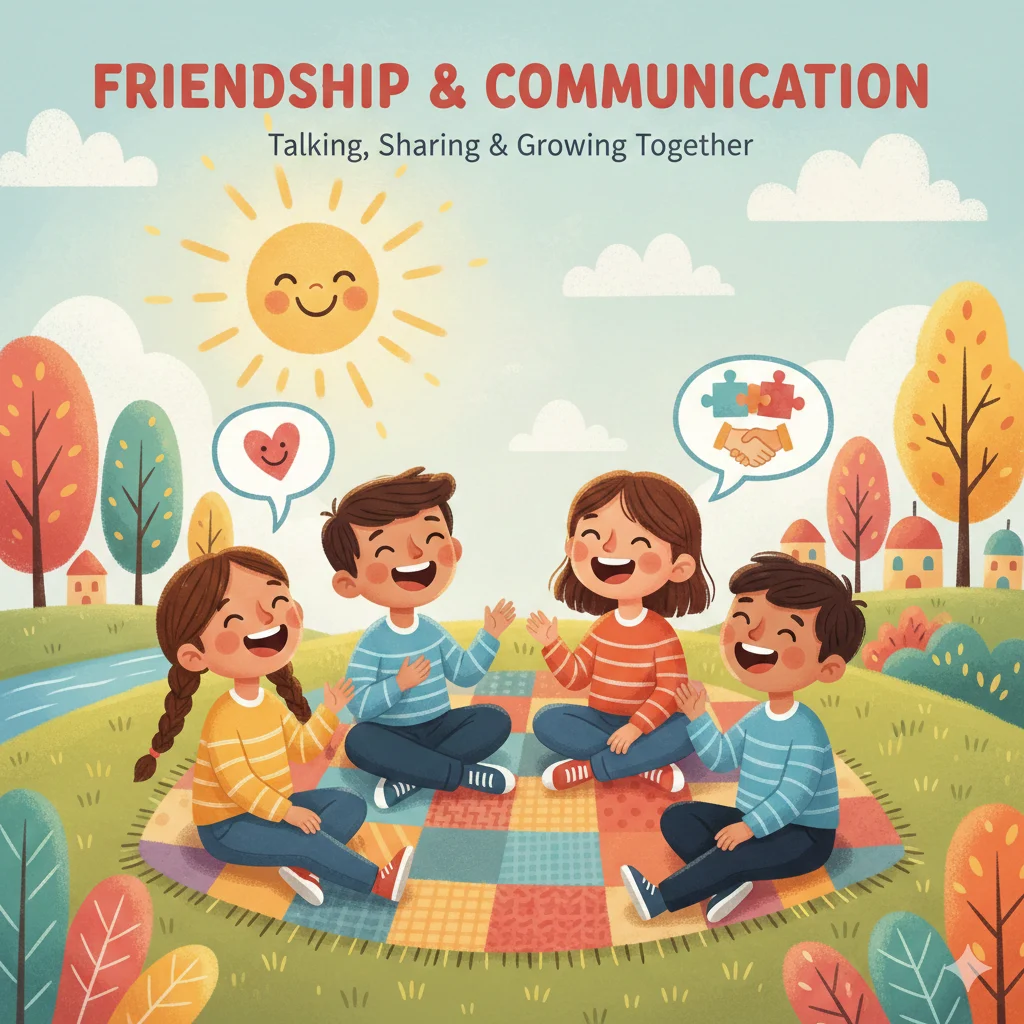
Idioms about friends are everywhere in English conversations, movies, and books. Imagine chatting with your best friend after a long day, talking about who supported you, who disappointed you, or who stood by you when things got tough. Native speakers often use idioms to describe these relationships without even thinking about it.
If you’ve ever heard phrases like “a shoulder to cry on” or “through thick and thin” and felt confused, you’re not alone. Learning idioms about friends helps you understand real-life English and express emotions more naturally.
In this guide, you’ll explore 20 of the most famous friendship idioms, with simple meanings, examples, and tips to help you use them correctly and confidently.
A Shoulder to Cry On
Word-by-word meaning: A body part used for leaning
Idiomatic meaning: A supportive friend who listens when you’re sad
Example sentence: She was a shoulder to cry on after my exam results.
Common error: Using it for physical pain instead of emotional support
Usage note: Often used in emotional situations

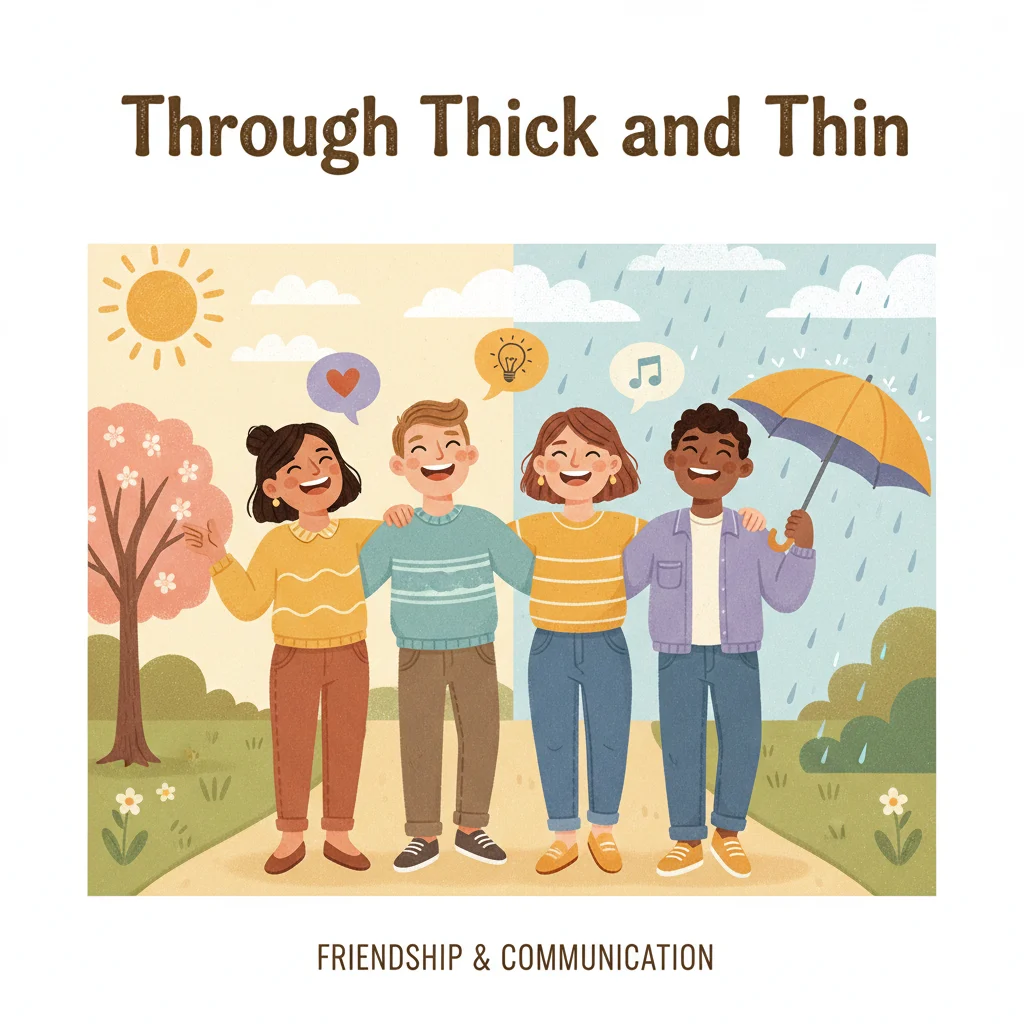
Through Thick and Thin
Word-by-word meaning: Good times and bad times
Idiomatic meaning: Loyal no matter what happens
Example sentence: True friends stay together through thick and thin.
Common error: Using it for short-term relationships
Usage note: Perfect for long-term friendships
A Fair-Weather Friend
Word-by-word meaning: Someone who likes good conditions only
Idiomatic meaning: A friend who disappears during hard times
Example sentence: He stopped calling when I lost my job—just a fair-weather friend.

Common error: Confusing it with a casual friend
Usage note: Often used negatively
Joined at the Hip
Word-by-word meaning: Physically connected
Idiomatic meaning: Always together
Example sentence: Those two are joined at the hip.

Common error: Using it for family only
Usage note: Informal and friendly
Best Buds
Word-by-word meaning: Close companions
Idiomatic meaning: Best friends
Example sentence: We’ve been best buds since childhood.
Common error: Using it in very formal writing
Usage note: Casual and spoken English
Birds of a Feather
Word-by-word meaning: Same type of birds
Idiomatic meaning: Similar people become friends
Example sentence: They love gaming—birds of a feather.

Common error: Forgetting “flock together”
Usage note: Often used as a full proverb
A Friend in Need
Word-by-word meaning: A friend who needs help
Idiomatic meaning: A true friend helps in difficult times
Example sentence: A friend in need is a friend indeed.
Common error: Using only half the proverb incorrectly
Usage note: Traditional and well-known
Like Two Peas in a Pod
Word-by-word meaning: Identical peas
Idiomatic meaning: Very similar friends
Example sentence: They dress alike—like two peas in a pod.
Common error: Using it for enemies
Usage note: Visual and descriptive
Go Way Back
Word-by-word meaning: Return far in time
Idiomatic meaning: Know someone for a long time
Example sentence: We go way back to primary school.
Common error: Using with recent acquaintances
Usage note: Informal past reference
Old Friend
Word-by-word meaning: A friend who is old
Idiomatic meaning: A long-time friend
Example sentence: I met an old friend from college.
Common error: Thinking it means elderly
Usage note: Context matters
In Someone’s Corner
Word-by-word meaning: Standing in a corner
Idiomatic meaning: Supporting someone
Example sentence: I know my friends are in my corner.
Common error: Using it literally
Usage note: Encouraging tone
Hit It Off
Word-by-word meaning: Strike something away
Idiomatic meaning: Become friends quickly
Example sentence: We hit it off on the first day.
Common error: Using it for long-term friendship only
Usage note: Often about first meetings
On Good Terms
Word-by-word meaning: Positive conditions
Idiomatic meaning: Friendly relationship
Example sentence: They’re still on good terms.
Common error: Using it for romantic only
Usage note: Neutral and polite
Be There for Someone
Word-by-word meaning: Physically present
Idiomatic meaning: Offer emotional support
Example sentence: She was always there for me.
Common error: Taking it literally
Usage note: Common in advice
A Tight-Knit Group
Word-by-word meaning: Closely connected
Idiomatic meaning: Very close friends
Example sentence: We’re a tight-knit group of classmates.
Common error: Using for large, distant groups
Usage note: Describes communities too
Make Friends with
Word-by-word meaning: Create friendships
Idiomatic meaning: Become friendly
Example sentence: He quickly made friends with everyone.
Common error: Forgetting “with”
Usage note: Common for learners
Know Someone Inside Out
Word-by-word meaning: Know every part
Idiomatic meaning: Know someone very well
Example sentence: I know my best friend inside out.
Common error: Using for strangers
Usage note: Strong familiarity
Be Thick as Thieves
Word-by-word meaning: Criminal closeness
Idiomatic meaning: Very close friends
Example sentence: They’re thick as thieves.
Common error: Thinking it’s negative
Usage note: Informal British English
Stick Together
Word-by-word meaning: Stay attached
Idiomatic meaning: Stay united
Example sentence: Real friends stick together.
Common error: Using only for physical closeness
Usage note: Motivational phrase
A Circle of Friends
Word-by-word meaning: A round group
Idiomatic meaning: Social group
Example sentence: She has a small circle of friends.
Common error: Using it as a verb
Usage note: Neutral and common
FAQs About Idioms About Friends
1. Why should I learn idioms about friends?
They help you sound natural and understand real conversations.
2. Are friendship idioms formal or informal?
Most are informal and used in everyday speech.
3. Can idioms about friends be used in writing?
Yes, especially in blogs, stories, and personal essays.
4. How can I remember these idioms easily?
Use them in sentences about your own friends.
Conclusion
Learning idioms about friends is one of the easiest ways to improve your conversational English. Start by choosing three idioms today and using them in a sentence about someone you care about. The more you practice, the more natural they’ll feel. True friendships grow with time—and so does your English!

“L.P. Hartley brings classic idioms to life on LearnIdom.com, helping readers explore language with wit, clarity, and timeless insight.”