Confidence is the secret ingredient behind success in school, work, and social life. But did you know English speakers often express confidence through idioms about confidence? From phrases like “walk tall” to “take the bull by the horns,” these expressions make your English sound natural, fluent, and powerful.
I remember my first presentation at school—I was nervous, but my friend told me, “Stand your ground!” That small idiom instantly boosted my confidence. English is full of such colorful phrases that help you show courage, self-belief, and composure.
In this guide, we’ll explore 20 most famous idioms about confidence, complete with word-by-word meanings, figurative meanings, examples, common mistakes, and usage notes. By the end, you’ll be ready to use them naturally in conversations, essays, or even exams.
🚀 Walk Tall
Word-by-Word Meaning
To walk with your back straight and head up
Idiomatic / Figurative Meaning
To feel confident and proud
Example Sentences
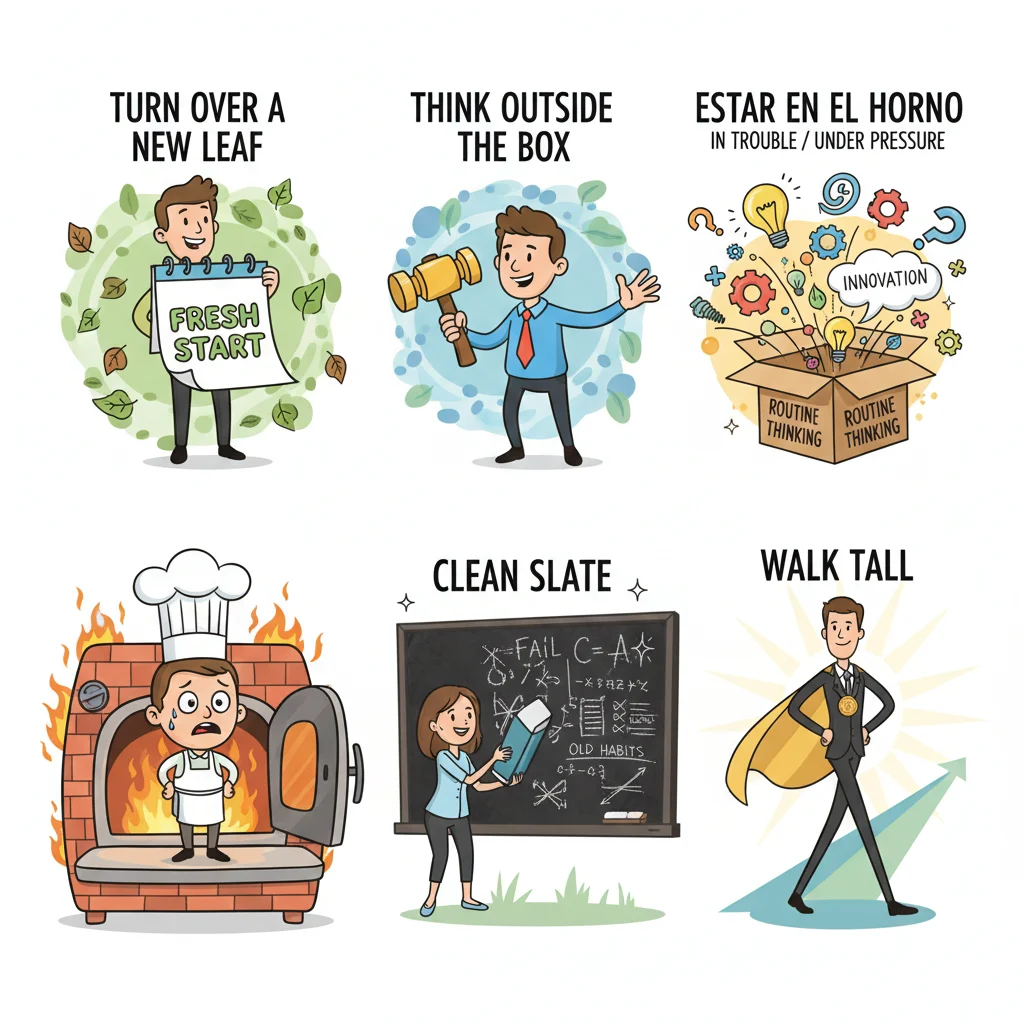
- Even after the mistake, she walked tall in front of everyone.
- He faced criticism but walked tall knowing he tried his best.
Common Error
❌ Using it only literally for posture
Usage Note
Used to describe self-confidence and dignity
💥 Take the Bull by the Horns
Word-by-Word Meaning
Grab a bull by its horns
Idiomatic / Figurative Meaning
Face a difficult situation bravely
Example Sentences

- She took the bull by the horns and led the project herself.
- It’s time to take the bull by the horns and ask for that promotion.
Common Error
❌ Using it casually without serious action
Usage Note
Shows proactive courage
🔥 Stand Your Ground
Word-by-Word Meaning
Stay in your position
Idiomatic / Figurative Meaning
Remain firm in your beliefs or decisions
Example Sentences
- The lawyer stood her ground despite opposition.
- During debates, always stand your ground with facts.
Common Error
❌ Misusing it for physical stance only
Usage Note
Common in discussions or conflict situations
🌟 Keep Your Chin Up
Word-by-Word Meaning
Lift your chin
Idiomatic / Figurative Meaning
Stay positive and confident in difficult times
Example Sentences

- Keep your chin up, things will improve.
- She kept her chin up even after failing the exam.
Common Error
❌ Confusing with “lift your head”
Usage Note
Used for encouragement in tough times
💪 Bite the Bullet
Word-by-Word Meaning
Bite a bullet
Idiomatic / Figurative Meaning
Face a painful or difficult situation bravely
Example Sentences
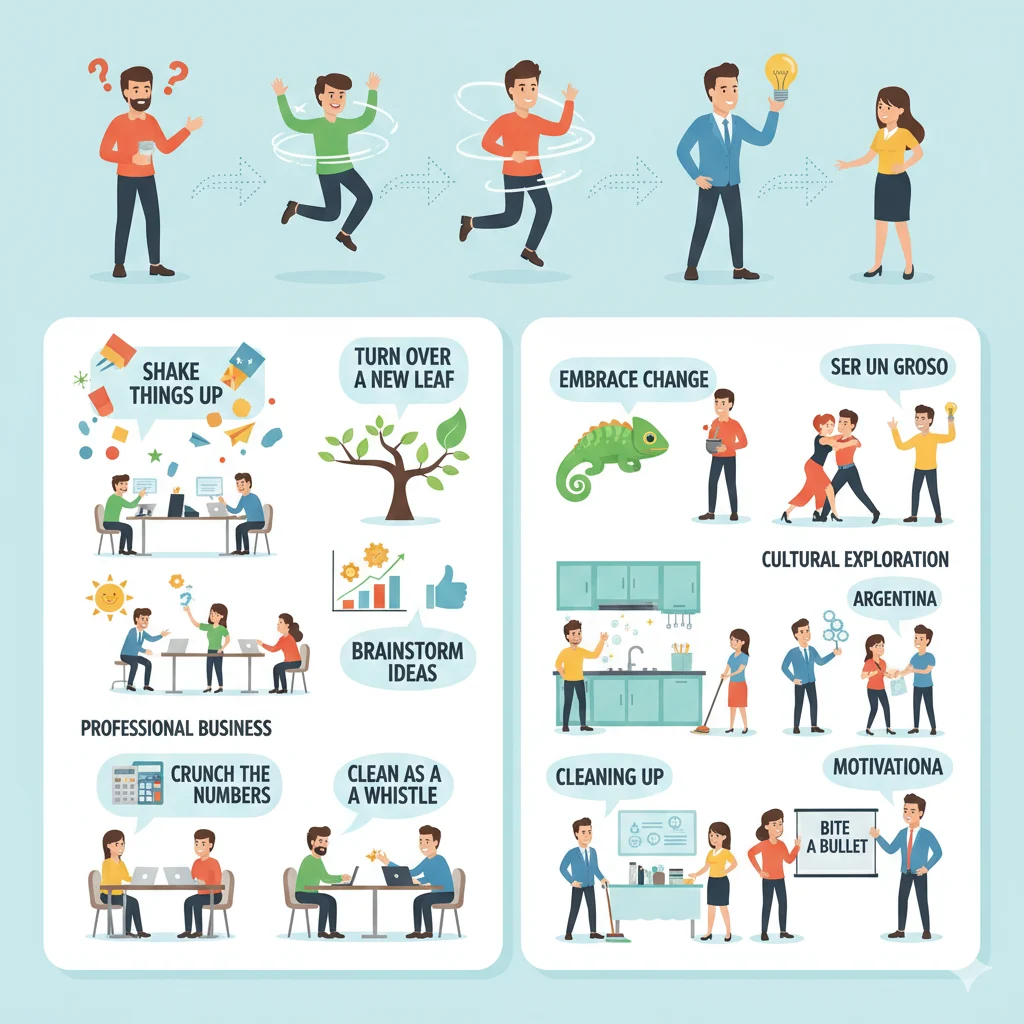
- I didn’t want to apologize, but I bit the bullet.
- Sometimes you must bite the bullet to move forward.
Common Error
❌ Using it casually for minor tasks
Usage Note
Shows courage in unavoidable situations
🔹 Have a Backbone
Word-by-Word Meaning
Possess a spinal column
Idiomatic / Figurative Meaning
Have courage and stand up for yourself
Example Sentences
- You need to have a backbone when dealing with bullies.
- She has a strong backbone, never giving up easily.
Common Error
❌ Using it literally
Usage Note
Mostly used in moral or ethical courage contexts
🔹 Throw Yourself Into the Fray
Word-by-Word Meaning
Jump into battle
Idiomatic / Figurative Meaning
Join a difficult or challenging situation with confidence
Example Sentences
- He threw himself into the fray during the heated discussion.
- Volunteers threw themselves into the fray to help flood victims.
Common Error
❌ Using it only for literal fights
Usage Note
Shows active engagement with courage
🔹 Put Your Best Foot Forward
Word-by-Word Meaning
Step forward with your best foot
Idiomatic / Figurative Meaning
Act confidently to make a good impression
Example Sentences
- Always put your best foot forward in interviews.
- She put her best foot forward at the meeting and impressed everyone.
Common Error
❌ Using it for literal walking
Usage Note
Positive, professional, and encouraging
🔹 Go Out on a Limb
Word-by-Word Meaning
Move to a tree branch
Idiomatic / Figurative Meaning
Take a risk confidently
Example Sentences
- I’m going out on a limb, but I believe this strategy will work.
- He went out on a limb to support her idea.
Common Error
❌ Using without risk element
Usage Note
Shows bravery in uncertain situations
🔹 Take the Plunge
Word-by-Word Meaning
Dive into water
Idiomatic / Figurative Meaning
Do something risky confidently
Example Sentences
- She finally took the plunge and started her own business.
- I decided to take the plunge and ask her out.
Common Error
❌ Using for safe actions
Usage Note
Encourages decisive action
🔹 Hold Your Head High
Word-by-Word Meaning
Lift your head
Idiomatic / Figurative Meaning
Be proud and confident despite difficulties
Example Sentences
- Hold your head high, you did your best.
- He held his head high after losing the competition.
Common Error
❌ Using literally
Usage Note
Motivational, often used in encouragement
🔹 Fearless as a Lion
Word-by-Word Meaning
Not afraid like a lion
Idiomatic / Figurative Meaning
Extremely brave and confident
Example Sentences
- She’s fearless as a lion in negotiations.
- He acted fearless as a lion during the rescue mission.
Common Error
❌ Using without bravery context
Usage Note
Hyperbolic, often in storytelling
🔹 Step Up to the Plate
Word-by-Word Meaning
Take position at the batter’s plate
Idiomatic / Figurative Meaning
Take responsibility confidently
Example Sentences
- Time to step up to the plate and finish the work.
- He stepped up to the plate when the team needed him most.
Common Error
❌ Using literally
Usage Note
Common in work and team situations
🔹 Stand Tall
Word-by-Word Meaning
Keep your height straight
Idiomatic / Figurative Meaning
Be confident and unshaken
Example Sentences
- Despite criticism, she stood tall.
- Always stand tall in challenging times.
Common Error
❌ Using only physically
Usage Note
Motivational, general confidence idiom
🔹 15. Take It in Stride
Word-by-Word Meaning
Walk calmly over something
Idiomatic / Figurative Meaning
Handle difficulties calmly and confidently
Example Sentences
- He took the criticism in stride.
- They took the delay in stride without panicking.
Common Error
❌ Using without calm context
Usage Note
Shows composure under pressure
🔹 On Top of the World
Word-by-Word Meaning
Above everything in the world
Idiomatic / Figurative Meaning
Feeling extremely confident and happy
Example Sentences
- She felt on top of the world after the promotion.
- Winning the championship made him feel on top of the world.
Common Error
❌ Using literally
Usage Note
Commonly used for high achievements or success
🔹 Like a Fish in Water
Word-by-Word Meaning
Comfortable as a fish in water
Idiomatic / Figurative Meaning
Completely confident in a situation
Example Sentences
- She’s like a fish in water during presentations.
- He was like a fish in water in the new city.
Common Error
❌ Misunderstood as literal fish context
Usage Note
Used for adaptability and confidence
🔹 Ride Out the Storm
Word-by-Word Meaning
Survive a storm
Idiomatic / Figurative Meaning
Handle a crisis confidently
Example Sentences
- The company rode out the storm and succeeded.
- She rode out the storm of criticism calmly.
Common Error
❌ Using for minor problems
Usage Note
Often metaphorical, professional and personal
🔹Bite Off More Than You Can Chew
Word-by-Word Meaning
Take more food than you can eat
Idiomatic / Figurative Meaning
Take on a challenge bravely, even if risky
Example Sentences
- He bit off more than he could chew, but managed.
- Sometimes it’s okay to bite off more than you can chew to grow.
Common Error
❌ Using only negatively
Usage Note
Encourages courage, often risky
🔹 Take Charge
Word-by-Word Meaning
Assume control
Idiomatic / Figurative Meaning
Lead a situation confidently
Example Sentences
- She took charge of the project and guided the team.
- When emergencies happen, someone must take charge.
Common Error
❌ Using casually without leadership
Usage Note
Shows confidence and leadership
❓ FAQs About Idioms About Confidence
- Why learn idioms about confidence?
They make your English sound natural and show self-assuredness. - Can beginners use these idioms?
Yes! Start with 3–5 and gradually use all 20. - Are these idioms used in exams?
Many appear in IELTS, TOEFL, and English proficiency tests. - Do these idioms work in professional settings?
Most are suitable for business, interviews, and presentations. - How to practice idioms effectively?
Use them in conversations, journaling, and speaking exercises daily.
🎯 Conclusion
Mastering idioms about confidence boosts your English fluency and self-expression. Start small, practice each idiom in context, and soon you’ll speak confidently in any situation. Remember: language is like your stage—stand tall, take charge, and shine! 💪

“Wilkie Collins brings classic idioms to life on LearnIdom.com, making language learning engaging, memorable, and full of literary charm.”