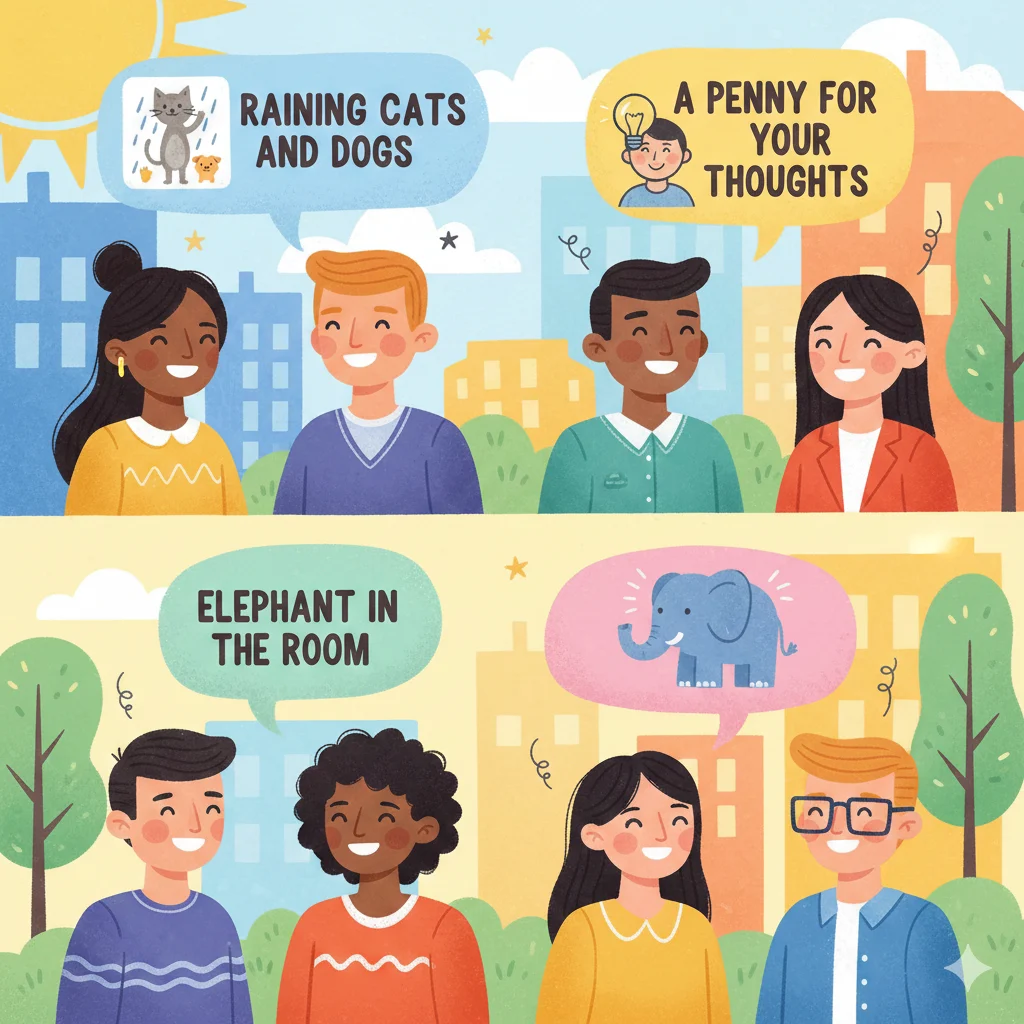
Fun idioms in English are everywhere—movies, conversations, social media, and even classrooms. Imagine hearing someone say, “That exam was a piece of cake,” and wondering why cake is involved at all. Idioms like these add color, humor, and personality to everyday English, but they can also confuse learners if taken literally.
When I first started learning English idioms, I remember laughing (and panicking) at phrases that made no logical sense word by word. Over time, I realized that mastering idioms is like unlocking a secret code to sounding more fluent and relaxed.
In this guide, you’ll explore the 20 most famous fun idioms in English, explained clearly with meanings, examples, and tips—so you can use them confidently in real life.
Piece of Cake
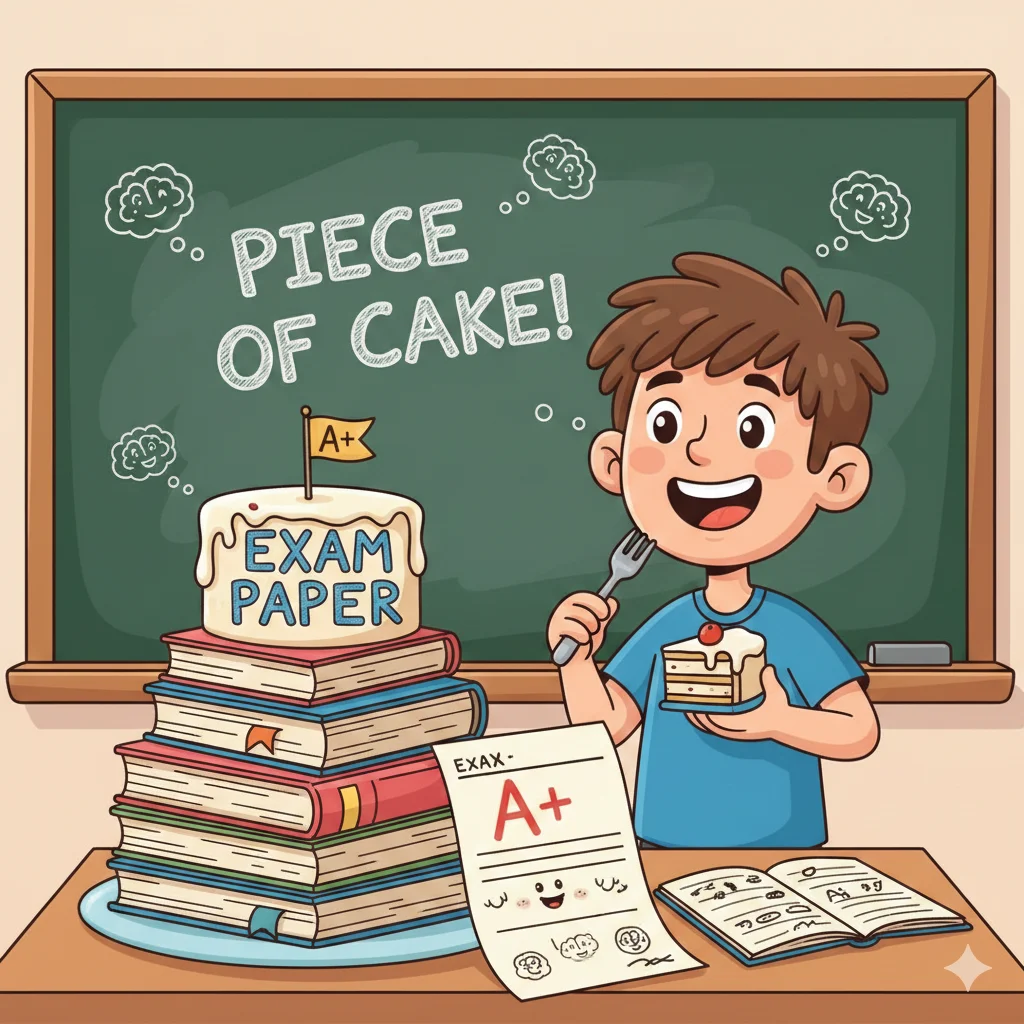
Word-by-word meaning: A slice of cake
Idiomatic meaning: Something very easy
Example sentence: The math homework was a piece of cake.
Common error: Using it for serious situations
Usage note: Informal and positive
Break the Ice

Word-by-word meaning: Crack frozen ice
Idiomatic meaning: Start a friendly conversation
Example sentence: A joke helped break the ice at the meeting.
Common error: Using it for arguments
Usage note: Great for social situations
Hit the Nail on the Head
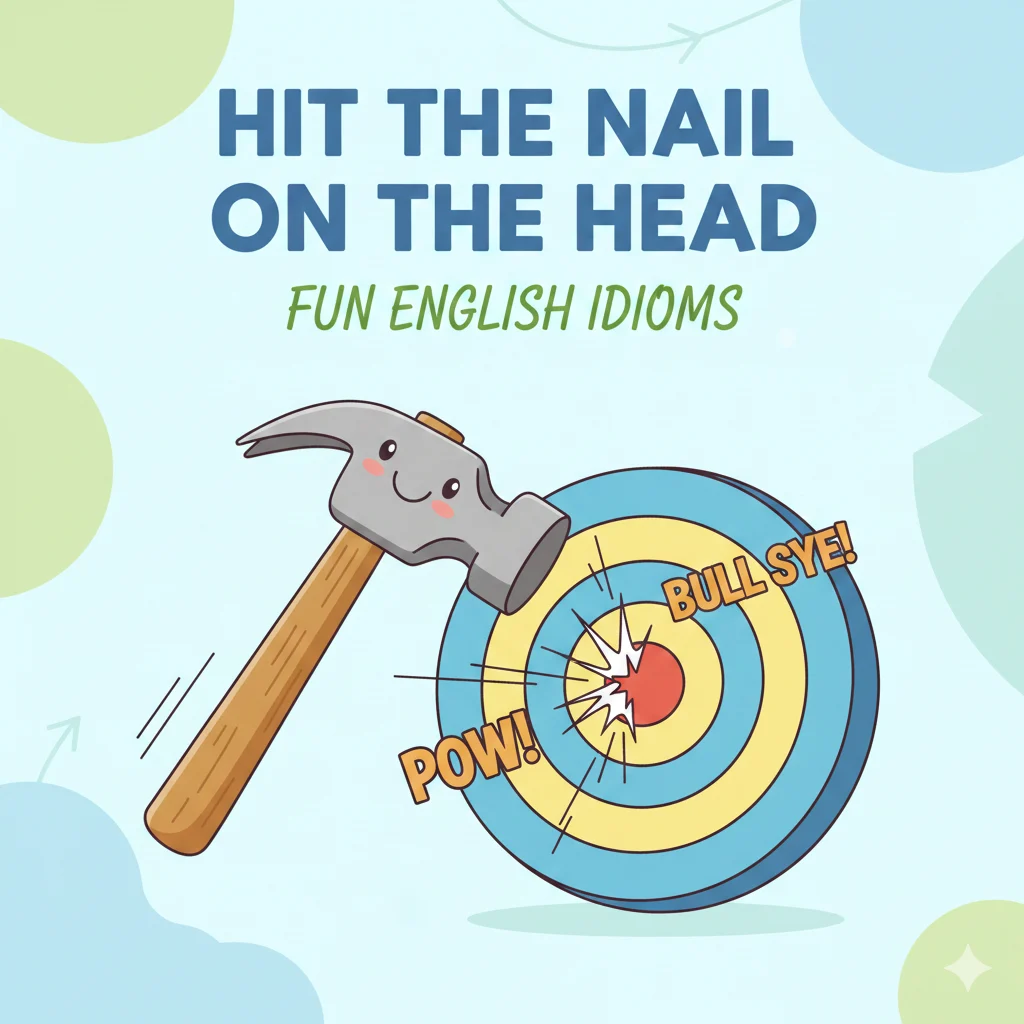
Word-by-word meaning: Strike a nail correctly
Idiomatic meaning: Say something exactly right
Example sentence: You hit the nail on the head with that answer.
Common error: Changing the verb tense incorrectly
Usage note: Neutral and common
Spill the Beans
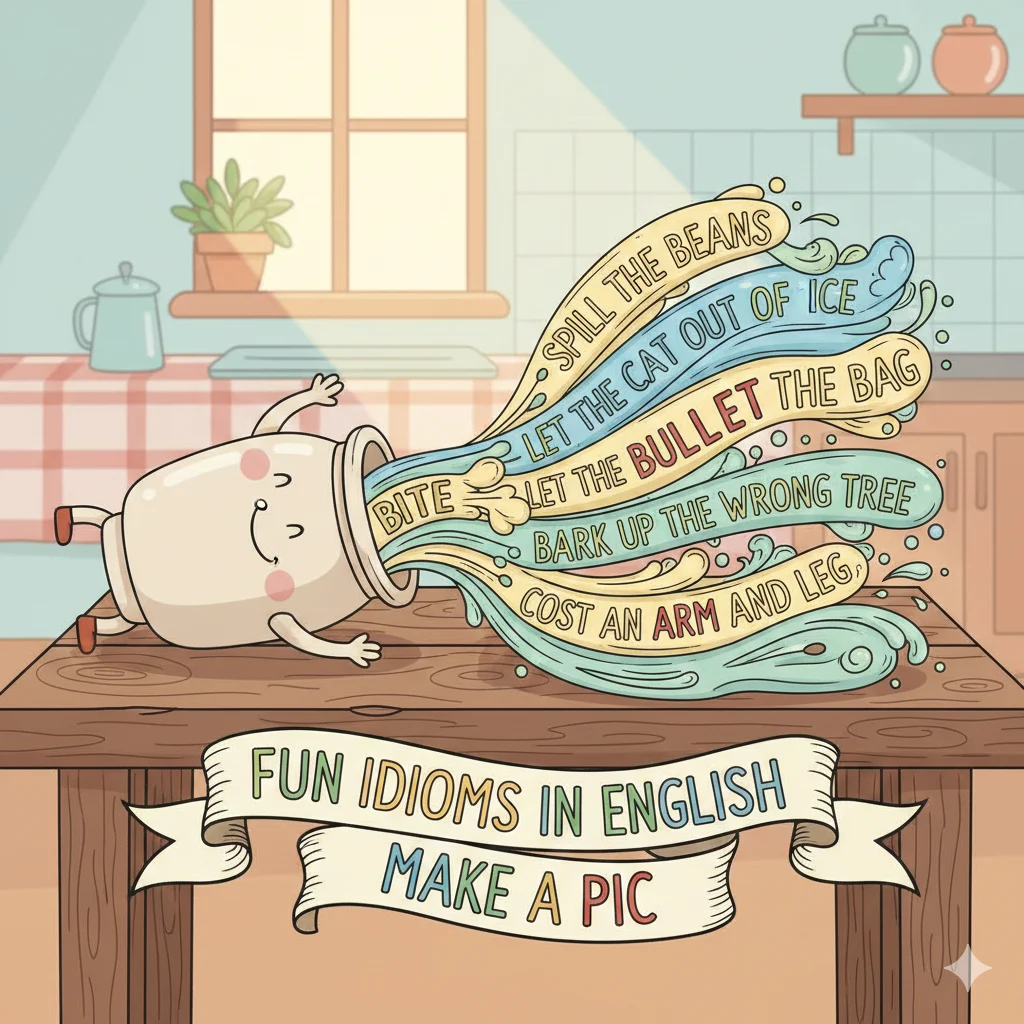
Word-by-word meaning: Drop beans
Idiomatic meaning: Reveal a secret
Example sentence: He spilled the beans about the surprise party.
Common error: Using it for public information
Usage note: Informal
Under the Weather

Word-by-word meaning: Below the weather
Idiomatic meaning: Feeling sick
Example sentence: I’m a bit under the weather today.
Common error: Using it for emotions
Usage note: Polite and conversational
Cost an Arm and a Leg
Word-by-word meaning: Lose body parts
Idiomatic meaning: Very expensive
Example sentence: That phone costs an arm and a leg.
Common error: Using with small prices
Usage note: Informal exaggeration
On Cloud Nine
Word-by-word meaning: Standing on a cloud
Idiomatic meaning: Extremely happy
Example sentence: She’s on cloud nine after the good news.
Common error: Mixing with sadness
Usage note: Positive tone
Let the Cat Out of the Bag
Word-by-word meaning: Release a cat
Idiomatic meaning: Reveal a secret accidentally
Example sentence: He let the cat out of the bag.
Common error: Using for planned announcements
Usage note: Storytelling idiom
Once in a Blue Moon
Word-by-word meaning: Rare moon event
Idiomatic meaning: Very rarely
Example sentence: I eat fast food once in a blue moon.
Common error: Using for frequent actions
Usage note: Casual speech
Bite the Bullet
Word-by-word meaning: Bite metal
Idiomatic meaning: Face something difficult
Example sentence: I’ll bite the bullet and study tonight.
Common error: Using for physical pain
Usage note: Bravery-focused idiom
The Ball Is in Your Court
Word-by-word meaning: Ball on your side
Idiomatic meaning: It’s your decision
Example sentence: I’ve explained everything—now the ball is in your court.
Common error: Using for group decisions
Usage note: Neutral, conversational
Kill Two Birds with One Stone
Word-by-word meaning: Harm two birds
Idiomatic meaning: Solve two problems at once
Example sentence: Walking to work kills two birds with one stone.
Common error: Using in sensitive contexts
Usage note: Common but avoid graphic emphasis
In Hot Water
Word-by-word meaning: Sitting in hot water
Idiomatic meaning: In trouble
Example sentence: He’s in hot water with his teacher.
Common error: Confusing with relaxation
Usage note: Informal warning
Pull Someone’s Leg
Word-by-word meaning: Tug a leg
Idiomatic meaning: Joke or tease
Example sentence: I’m just pulling your leg!
Common error: Using during serious talks
Usage note: Friendly humor
Head Over Heels
Word-by-word meaning: Flip upside down
Idiomatic meaning: Very excited or happy
Example sentence: She’s head over heels about the trip.
Common error: Limiting to romance only
Usage note: Expressive idiom
A Blessing in Disguise
Word-by-word meaning: Hidden blessing
Idiomatic meaning: A good result from something bad
Example sentence: Failing once was a blessing in disguise.
Common error: Using immediately after bad news
Usage note: Reflective tone
Burn the Midnight Oil
Word-by-word meaning: Use oil at night
Idiomatic meaning: Study or work late
Example sentence: I burned the midnight oil before exams.
Common error: Using for daytime work
Usage note: Academic-friendly idiom
Hit the Sack
Word-by-word meaning: Strike a bag
Idiomatic meaning: Go to sleep
Example sentence: I’m exhausted—time to hit the sack.
Common error: Using in formal writing
Usage note: Casual speech
Up in the Air
Word-by-word meaning: Floating
Idiomatic meaning: Not decided yet
Example sentence: Our plans are still up in the air.
Common error: Using for physical objects
Usage note: Neutral idiom
Laugh Your Head Off
Word-by-word meaning: Laugh until head falls
Idiomatic meaning: Laugh a lot
Example sentence: We laughed our heads off at the movie.
Common error: Mixing tenses
Usage note: Very informal and fun
FAQs About Fun Idioms in English
1. Why are idioms important in English?
They help you sound natural and understand native speakers better.
2. Are idioms used in formal English?
Some are, but many are best for casual or conversational contexts.
3. How can I remember idioms easily?
Use them in sentences, stories, or daily conversations.
4. Should beginners learn idioms?
Yes—start with common and fun idioms in English.
Final Thoughts
Learning fun idioms in English isn’t about memorization—it’s about usage. Try picking two idioms a day and using them in a sentence, text, or conversation. The more you practice, the more natural they’ll feel. Soon, you won’t just understand English—you’ll enjoy it.

“L.P. Hartley brings classic idioms to life on LearnIdom.com, helping readers explore language with wit, clarity, and timeless insight.”