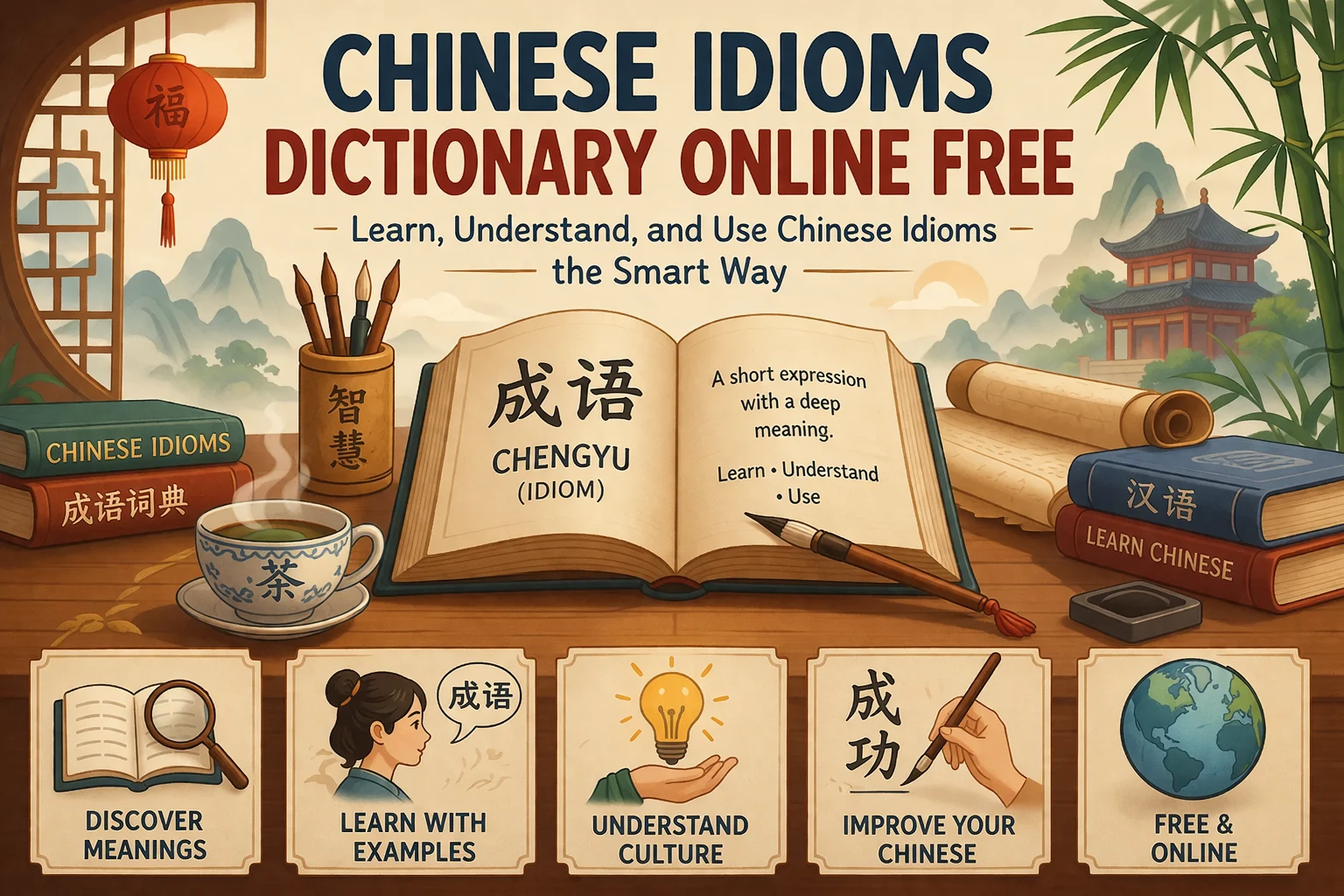
Learning Chinese is more than memorizing vocabulary—it’s about understanding the culture, history, and vivid expressions of the language. One of the most fascinating parts of Chinese is idioms, or 成语 (chéngyǔ).
These four-character phrases convey rich meaning and cultural wisdom in just a few words. If you want to impress teachers or friends, a Chinese idioms dictionary online free is your ultimate resource. Imagine describing someone as narrow-minded with 井底之蛙 (frog at the bottom of a well) or warning a friend not to overcomplicate tasks with 画蛇添足 (draw snake and add feet).
This guide covers of the most famous idioms, each explained with word-by-word meaning, figurative meaning, examples, common mistakes, and usage tips. Using these idioms regularly will make your Chinese sound fluent, expressive, and culturally rich.
Table of Contents
- 画蛇添足 (Huà shé tiān zú)
- 塞翁失马 (Sài wēng shī mǎ)
- 井底之蛙 (Jǐng dǐ zhī wā)
- 对牛弹琴 (Duì niú tán qín)
- 守株待兔 (Shǒu zhū dài tù)
- 纸上谈兵 (Zhǐ shàng tán bīng)
- 狐假虎威 (Hú jiǎ hǔ wēi)
- 掩耳盗铃 (Yǎn ěr dào líng)
- 一箭双雕 (Yī jiàn shuāng diāo)
- 青出于蓝 (Qīng chū yú lán)
- 盲人摸象 (Máng rén mō xiàng)
- 守口如瓶 (Shǒu kǒu rú píng)
- 狼吞虎咽 (Láng tūn hǔ yàn)
- 授人以鱼不如授人以渔 (Shòu rén yǐ yú bùrú shòu rén yǐ yú)
- 入乡随俗 (Rù xiāng suí sú)
- 一言九鼎 (Yī yán jiǔ dǐng)
- 亡羊补牢 (Wáng yáng bǔ láo)
- 指鹿为马 (Zhǐ lù wéi mǎ)
- 老马识途 (Lǎo mǎ shí tú)
- 水落石出 (Shuǐ luò shí chū)
- 狡兔三窟 (Jiǎo tù sān kū)
- 自相矛盾 (Zì xiāng máo dùn)
- 亡命之徒 (Wáng mìng zhī tú)
- 螳臂挡车 (Táng bì dǎng chē)
- 饮水思源 (Yǐn shuǐ sī yuán)
- FAQs About Chinese Idioms
- Conclusion
画蛇添足 (Huà shé tiān zú)
Word-by-Word Meaning
Draw snake add feet
Idiomatic/figurative Meaning
Ruining something by adding unnecessary details
Example Sentences
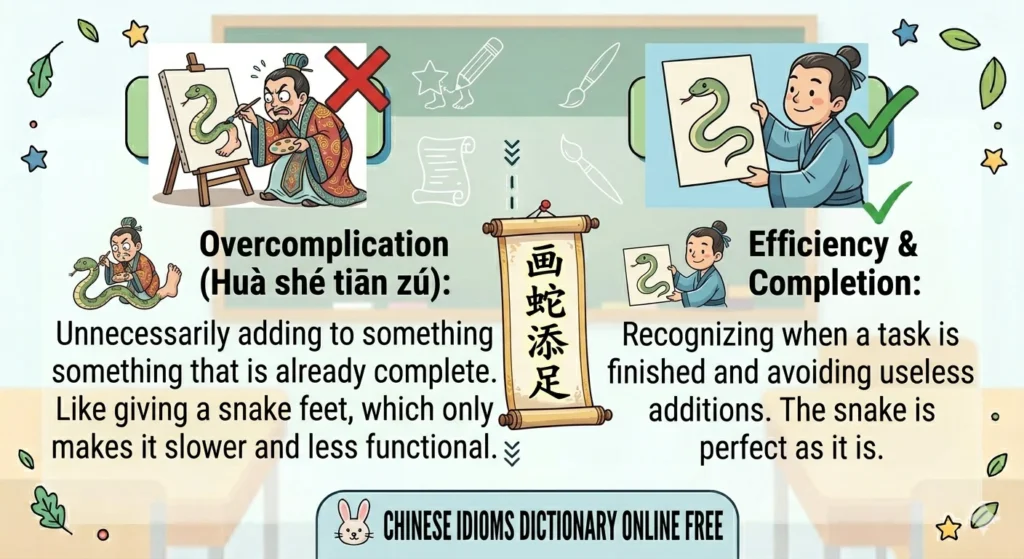
- 他已经完成了报告,不要画蛇添足。
- Don’t add extra details; it will ruin the report.
Common Error
Using it to mean “improving something”
Usage Note
Use when someone overcomplicates a task that was already fine
塞翁失马 (Sài wēng shī mǎ)
Word-by-Word Meaning
Old man at frontier loses horse
Idiomatic/figurative Meaning
A loss may turn into a gain; life is unpredictable
Example Sentences

- 他没考上心仪大学,但找到更好工作,真是塞翁失马。
Common Error
Thinking it only refers to bad luck
Usage Note
Ideal for moral lessons or reflecting on life events
井底之蛙 (Jǐng dǐ zhī wā)
Word-by-Word Meaning
Frog at bottom of well
Idiomatic/figurative Meaning
Someone with a narrow view or limited experience
Example Sentences
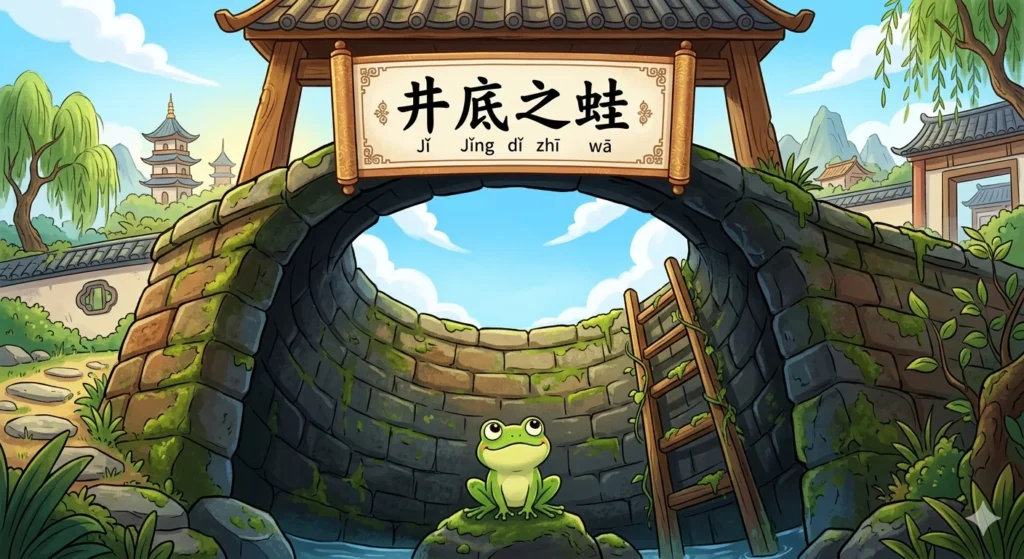
- 别做井底之蛙,多看看世界。
Common Error
Using it literally for physical limits
Usage Note
Often used to encourage broader perspectives
对牛弹琴 (Duì niú tán qín)
Word-by-Word Meaning
Play lute to cow
Idiomatic/figurative Meaning
Wasting effort on someone who cannot understand
Example Sentences
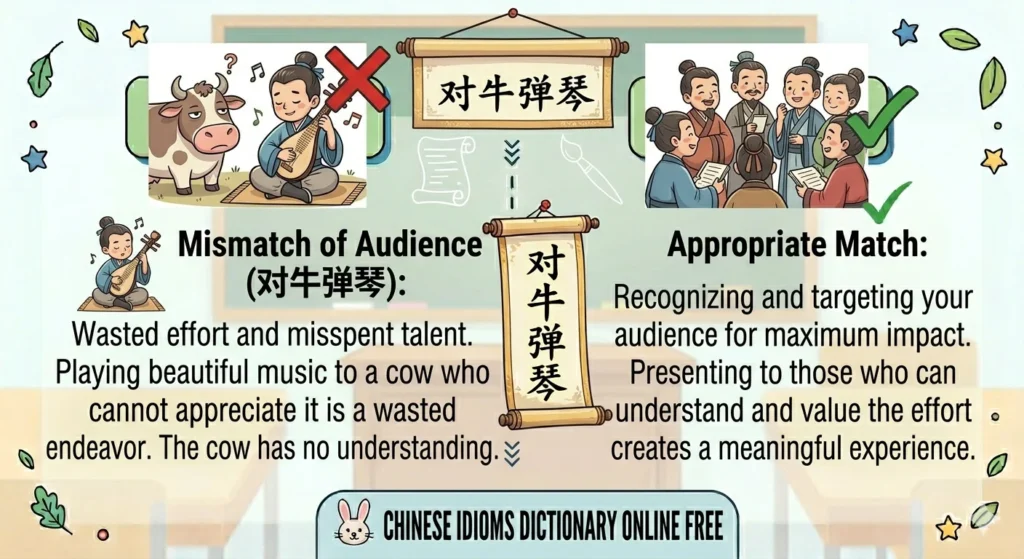
- 跟他讲这些高深知识简直是对牛弹琴。
Common Error
Misinterpreting as criticism of skill
Usage Note
Useful in teaching or explaining difficult concepts
守株待兔 (Shǒu zhū dài tù)
Word-by-Word Meaning
Guard tree await rabbit
Idiomatic/figurative Meaning
Relying on luck instead of taking action
Example Sentences
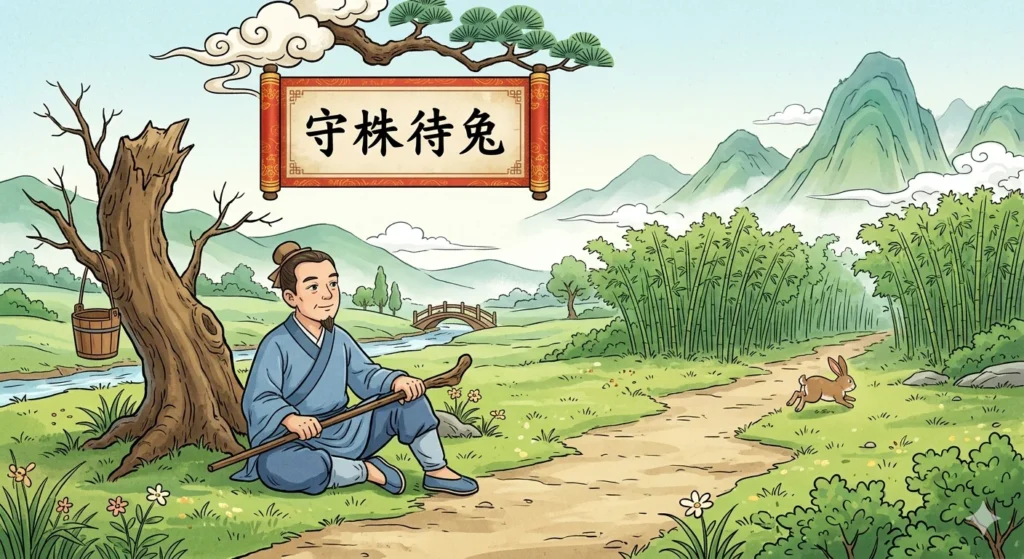
- 不要守株待兔,努力才有机会成功。
Common Error
Thinking it encourages patience
Usage Note
Encourages proactive work
纸上谈兵 (Zhǐ shàng tán bīng)
Word-by-Word Meaning
Discuss soldiers on paper
Idiomatic/figurative Meaning
All talk, no practical action
Example Sentences
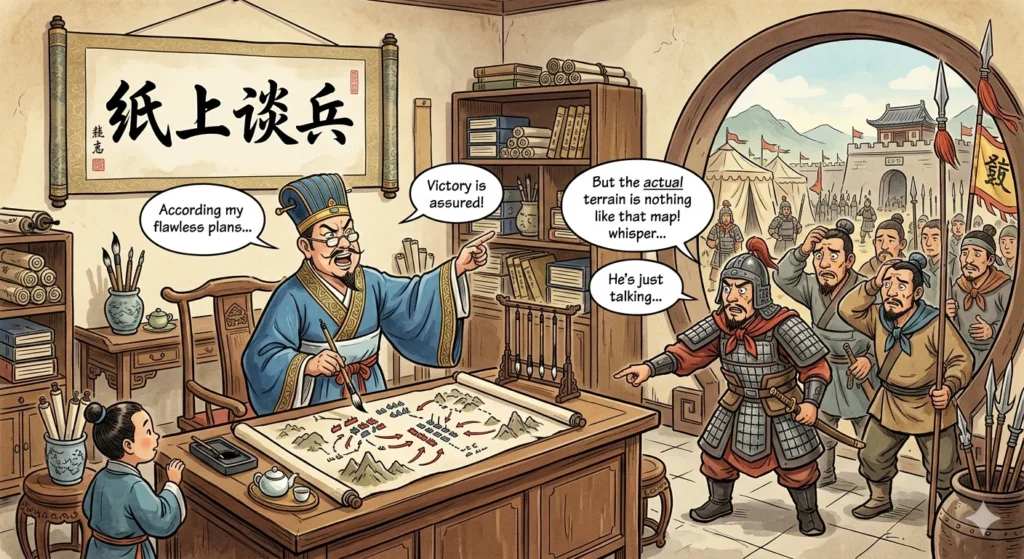
- 理论很完美,但不能只纸上谈兵。
Common Error
Confusing with strategy planning
Usage Note
Use when criticizing impractical ideas
狐假虎威 (Hú jiǎ hǔ wēi)
Word-by-Word Meaning
Fox borrows tiger’s might
Idiomatic/figurative Meaning
Using someone else’s power to intimidate others
Example Sentences
- 他总是狐假虎威,靠老板吓唬同事。
Common Error
Thinking it’s literal animal behavior
Usage Note
Often used in workplace or school contexts
掩耳盗铃 (Yǎn ěr dào líng)
Word-by-Word Meaning
Cover ears steal bell
Idiomatic/figurative Meaning
Deceiving oneself while trying to deceive others
Example Sentences
- 他不承认错误,简直是掩耳盗铃。
Common Error
Misusing it for literal theft
Usage Note
Good for highlighting self-deception
一箭双雕 (Yī jiàn shuāng diāo)
Word-by-Word Meaning
One arrow two eagles
Idiomatic/figurative Meaning
Achieve two goals with one action
Example Sentences
- 这次合作一箭双雕,既赚钱又提高知名度。
Common Error
Thinking it means “two successes separately”
Usage Note
Use when emphasizing efficiency
青出于蓝 (Qīng chū yú lán)
Word-by-Word Meaning
Blue comes from indigo
Idiomatic/figurative Meaning
Student surpasses teacher
Example Sentences
- 他真是青出于蓝,超越了导师。
Common Error
Using it for general growth
Usage Note
Use to praise someone’s achievement
盲人摸象 (Máng rén mō xiàng)
Word-by-Word Meaning
Blind man touches elephant
Idiomatic/figurative Meaning
Only seeing part of the picture; limited understanding
Example Sentences
- 他只看了报告一页就下结论,真是盲人摸象。
Common Error
Thinking it means “ignorance” in general
Usage Note
Use for partial understanding
守口如瓶 (Shǒu kǒu rú píng)
Word-by-Word Meaning
Keep mouth like bottle
Idiomatic/figurative Meaning
Keep a secret, very discreet
Example Sentences
- 他守口如瓶,从不泄露公司机密。
Common Error
Using for silence in general
Usage Note
Use in professional or confidential contexts
狼吞虎咽 (Láng tūn hǔ yàn)
Word-by-Word Meaning
Wolf swallow tiger gulp
Idiomatic/figurative Meaning
Eat ravenously
Example Sentences
- 他狼吞虎咽地吃完了晚餐。
Common Error
Using for normal eating
Usage Note
Describes speed and intensity
授人以鱼不如授人以渔 (Shòu rén yǐ yú bùrú shòu rén yǐ yú)
Word-by-Word Meaning
Give fish not as good as teach fishing
Idiomatic/figurative Meaning
Teach skills, not just give help
Example Sentences
- 帮助别人最好的方式是授人以渔。
Common Error
Literal interpretation
Usage Note
Used in education, mentoring
入乡随俗 (Rù xiāng suí sú)
Word-by-Word Meaning
Enter village follow customs
Idiomatic/figurative Meaning
When in Rome, do as the Romans do
Example Sentences
- 出国旅行要入乡随俗。
Common Error
Thinking it’s about moving homes
Usage Note
Cultural adaptation advice
一言九鼎 (Yī yán jiǔ dǐng)
Word-by-Word Meaning
One word nine tripods
Idiomatic/figurative Meaning
Words carry great weight
Example Sentences
- 他的承诺一言九鼎,公司都信任他。
Common Error
Misinterpreting as “loud words”
Usage Note
Used for credibility
亡羊补牢 (Wáng yáng bǔ láo)
Word-by-Word Meaning
Lose sheep mend pen
Idiomatic/figurative Meaning
Better late than never; fix problems after a loss
Example Sentences
- 虽然犯错了,亡羊补牢还不晚。
Common Error
Literal translation
Usage Note
Encourages corrective action
指鹿为马 (Zhǐ lù wéi mǎ)
Word-by-Word Meaning
Point deer as horse
Idiomatic/figurative Meaning
Deliberate misrepresentation
Example Sentences
- 他指鹿为马,颠倒黑白。
Common Error
Thinking it’s a joke
Usage Note
Used in politics or deception
老马识途 (Lǎo mǎ shí tú)
Word-by-Word Meaning
Old horse knows way
Idiomatic/figurative Meaning
Experienced person knows best
Example Sentences
- 做这个项目请老马识途的人。
Common Error
Using for age, not experience
Usage Note
Use for guidance or mentorship
水落石出 (Shuǐ luò shí chū)
Word-by-Word Meaning
Water falls rock emerges
Idiomatic/figurative Meaning
Truth comes out eventually
Example Sentences
- 调查后真相水落石出。
Common Error
Literal use for water/rocks
Usage Note
Use in investigations or revelations
狡兔三窟 (Jiǎo tù sān kū)
Word-by-Word Meaning
Cunning rabbit three burrows
Idiomatic/figurative Meaning
Have multiple backup plans
Example Sentences
- 他投资谨慎,狡兔三窟。
Common Error
Thinking it’s just cleverness
Usage Note
Use in strategy or planning
自相矛盾 (Zì xiāng máo dùn)
Word-by-Word Meaning
Self contradict spear shield
Idiomatic/figurative Meaning
Self-contradiction
Example Sentences
- 他的话自相矛盾,没人相信。
Common Error
Misinterpreted as lying
Usage Note
Used in debate or writing
亡命之徒 (Wáng mìng zhī tú)
Word-by-Word Meaning
Person fleeing life
Idiomatic/figurative Meaning
Desperate criminal or outlaw
Example Sentences
- 他成了亡命之徒,被警方追捕。
Common Error
Literal misunderstanding
Usage Note
Used in storytelling or crime context
螳臂挡车 (Táng bì dǎng chē)
Word-by-Word Meaning
Mantis arm stop cart
Idiomatic/figurative Meaning
Overestimating one’s ability
Example Sentences
- 他想阻止大项目,简直螳臂挡车。
Common Error
Thinking it’s bravery
Usage Note
Used for warning overconfidence
饮水思源 (Yǐn shuǐ sī yuán)
Word-by-Word Meaning
Drink water think source
Idiomatic/figurative Meaning
Remember where your blessings come from
Example Sentences
- 我们要饮水思源,不忘老师的教诲。
Common Error
Literal drinking water only
Usage Note
Used in gratitude or respect
FAQs About Chinese Idioms
Q1: What is the best free online dictionary for Chinese idioms?
A1: Websites like MDBG, LINE Dictionary, and YellowBridge provide free idiom meanings, examples, and pronunciations.
Q2: How can I memorize idioms quickly?
A2: Use flashcards, write example sentences, or associate idioms with images or stories.
Q3: Are all idioms still used today?
A3: Many are common in writing and speech; some are more historical or literary.
Q4: Can idioms make my Chinese sound fluent?
A4: Absolutely! Idioms show cultural knowledge and make speech natural and expressive.
Q5: How do I avoid mistakes when using idioms?
A5: Learn idioms in context, pay attention to figurative meanings, and check example sentences.
Conclusion
Chinese idioms are treasures of culture, history, and language. Using a Chinese idioms dictionary online free helps you learn them efficiently, understand their meanings, and apply them naturally. Start with a few idioms each week, use them in conversation, and gradually build your fluency. These idioms will make your Chinese richer, more expressive, and culturally aware. Practice, explore, and enjoy the journey—because fluency isn’t just vocabulary, it’s mastering the wisdom embedded in every idiom!

“Iris Murdoch explores the beauty of language and idioms on LearnIdom.com, making learning phrases engaging, memorable, and fun for everyone.”