Life is full of moments worth celebrating—passing an exam, getting a new job, winning a match, or even surviving a tough week. Native English speakers often don’t say “I’m happy” again and again. Instead, they use colorful celebrate idioms to express excitement, success, and joy in a more natural and engaging way.
Imagine your friend gets promoted and you say, “Let’s paint the town red!” Or your team wins a match and everyone is “on cloud nine.” These idioms instantly make your English sound fluent and expressive.
In this guide, you’ll learn 20 of the most famous celebrate idioms, explained in a simple, learner-friendly way. Each idiom includes its literal meaning, real figurative use, examples, common mistakes, and helpful usage notes—so you can confidently use them in daily conversations, exams, and writing.
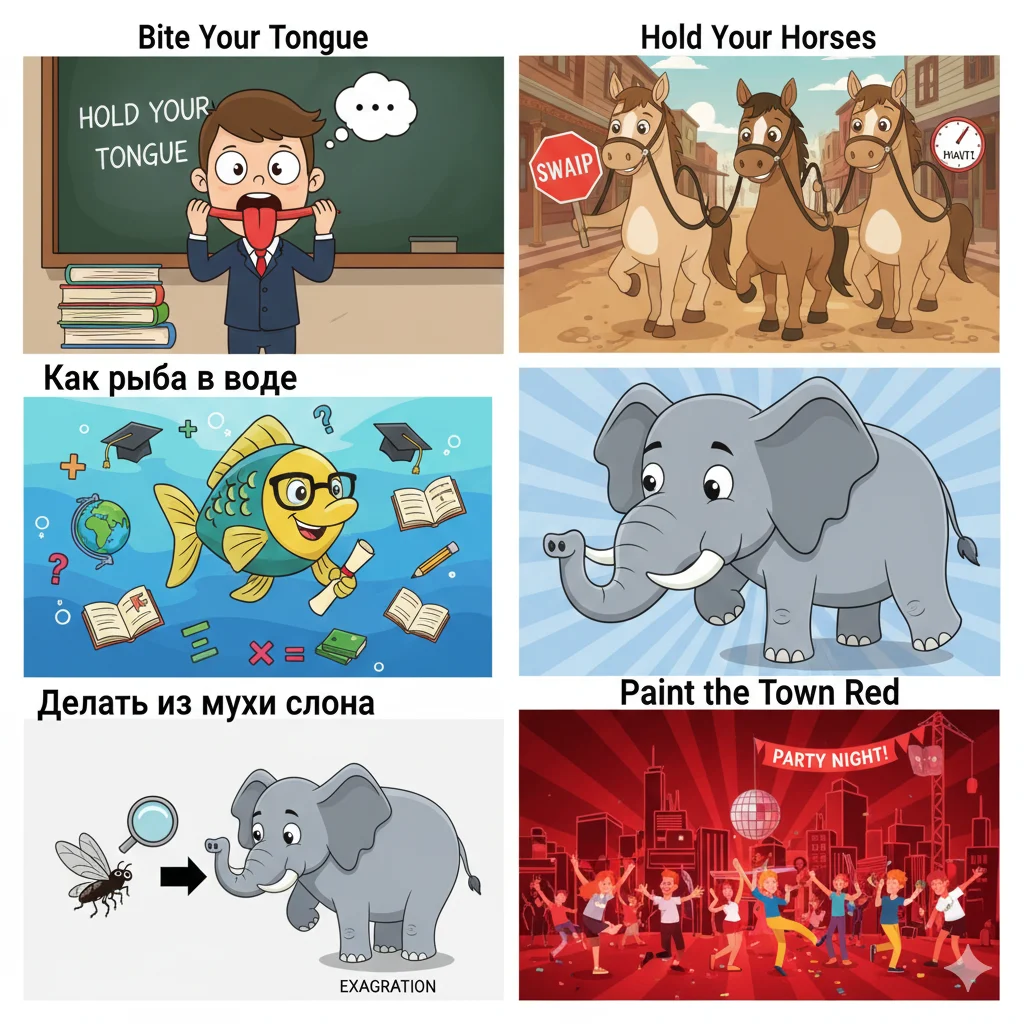
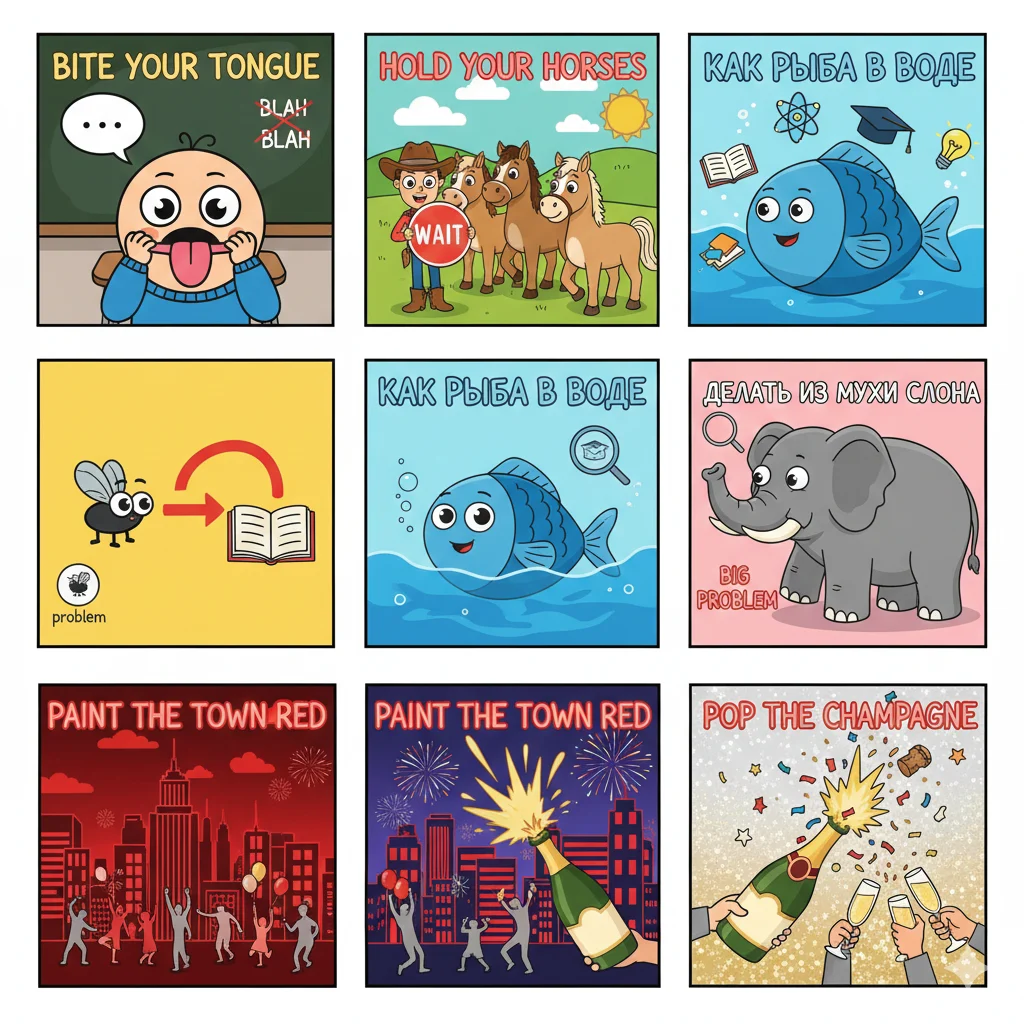
🎊 1. Paint the Town Red
Word-by-word Meaning
Paint = color
Town = city
Red = color
Idiomatic Meaning
To go out and celebrate wildly.
Example Sentences
- We finished our exams, so we painted the town red last night.
- Let’s paint the town red after your wedding!
Common Error
❌ Using it for quiet celebrations
✔ Use it for lively parties
Usage Note
Often used for nightlife, parties, and big celebrations.
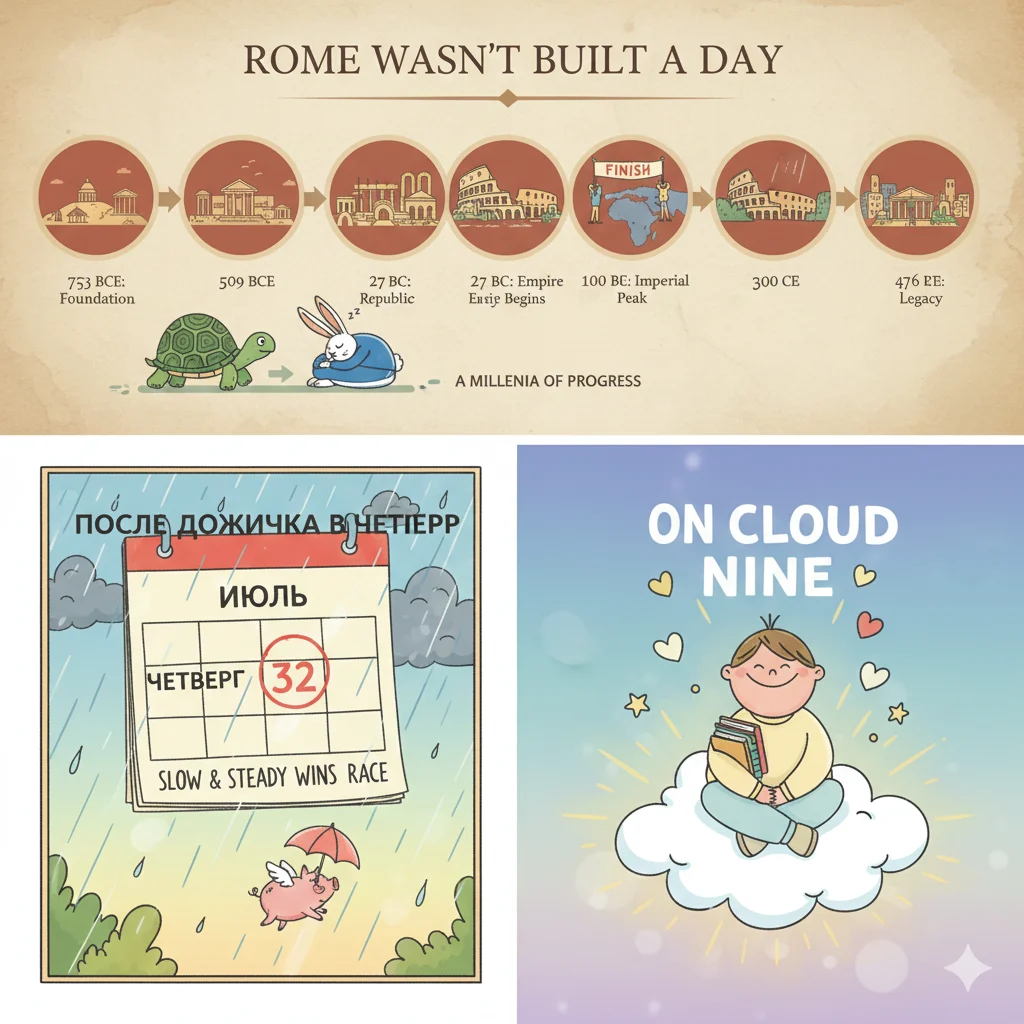
🎉 2. On Cloud Nine
Word-by-word Meaning
Cloud = sky cloud
Nine = number
Idiomatic Meaning
Extremely happy or joyful.
Example Sentences
- She’s on cloud nine after getting the job.
- I was on cloud nine when I heard the news.
Common Error
❌ Using it for normal happiness
✔ Use it for extreme joy
Usage Note
Perfect for personal achievements.
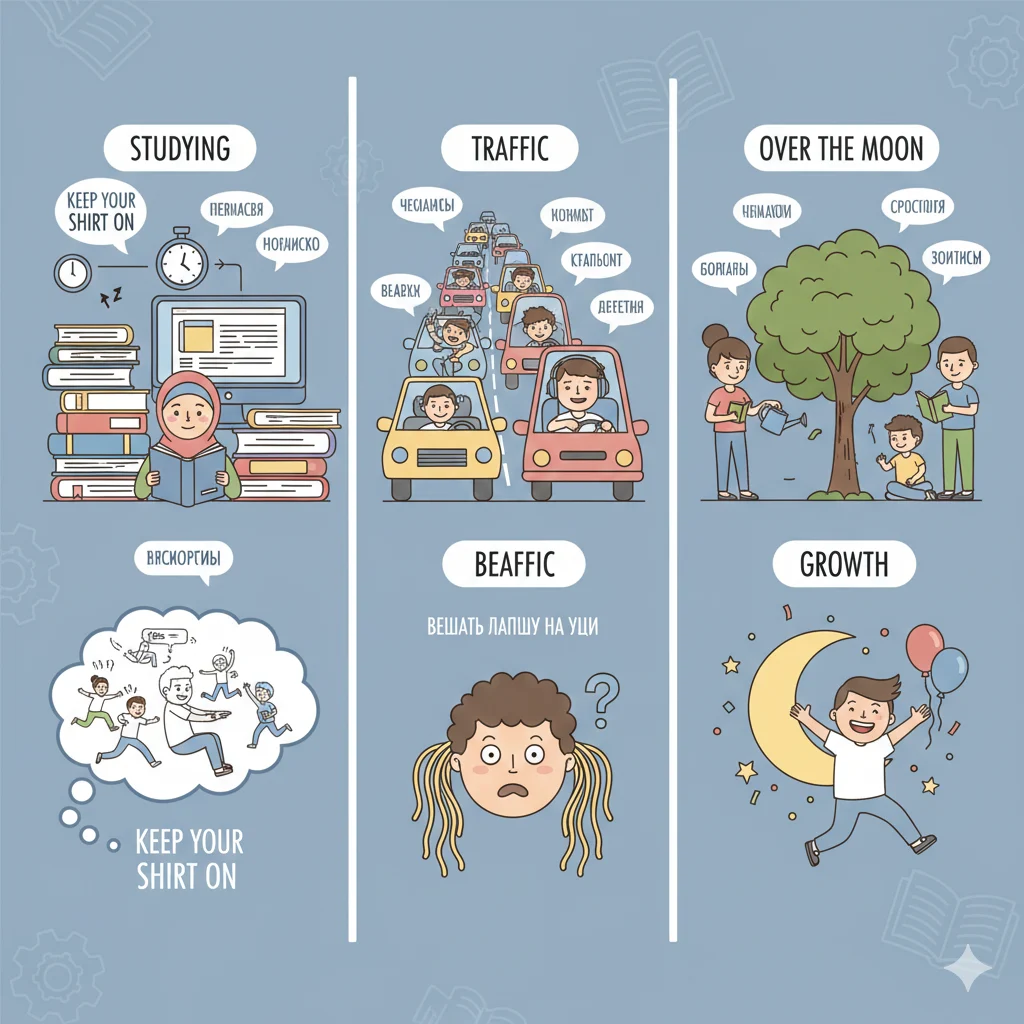
🎊 3. Over the Moon
Word-by-word Meaning
Over = above
Moon = the moon
Idiomatic Meaning
Very pleased and excited.
Example Sentences
- He’s over the moon about his promotion.
- We were over the moon when the baby arrived.
Common Error
❌ Confusing with “confused”
✔ It only means happiness
Usage Note
Common in British English.
🎉 4. Pop the Champagne
Word-by-word Meaning
Pop = open suddenly
Champagne = celebration drink
Idiomatic Meaning
To celebrate a success.
Example Sentences
- Let’s pop the champagne—we won!
- They popped the champagne after signing the deal.
Common Error
❌ Taking it literally
✔ Can be used without real champagne
Usage Note
Often used metaphorically.
🎊 5. A Cause for Celebration
Word-by-word Meaning
Cause = reason
Celebration = party
Idiomatic Meaning
A reason to celebrate.
Example Sentences
- Your success is a cause for celebration.
- This win is truly a cause for celebration.
Common Error
❌ Using without a positive event
✔ Needs good news
Usage Note
Formal and informal friendly.
🎉 6. Have a Ball
Word-by-word Meaning
Have = experience
Ball = dance party
Idiomatic Meaning
To enjoy yourself a lot.
Example Sentences
- We had a ball at the wedding.
- Kids had a ball at the festival.
Common Error
❌ Using with sad events
✔ Only fun situations
Usage Note
Very conversational.
🎊 7. In High Spirits
Word-by-word Meaning
High = elevated
Spirits = mood
Idiomatic Meaning
Feeling happy and energetic.
Example Sentences
- Everyone was in high spirits after the victory.
- She came home in high spirits.
Common Error
❌ Confusing with alcohol
✔ Means mood, not drinks
Usage Note
Works well in writing.
🎉 8. Celebrate in Style
Word-by-word Meaning
Celebrate = enjoy
Style = fashionable way
Idiomatic Meaning
To celebrate luxuriously.
Example Sentences
- They celebrated in style at a five-star hotel.
- Let’s celebrate in style tonight!
Common Error
❌ Using for simple events
✔ Use for fancy occasions
Usage Note
Often implies money or elegance.
🎊 9. Let Your Hair Down
Word-by-word Meaning
Let = allow
Hair down = relax
Idiomatic Meaning
To relax and enjoy freely.
Example Sentences
- It’s time to let your hair down and enjoy.
- She let her hair down at the party.
Common Error
❌ Literal interpretation
✔ Always figurative
Usage Note
Common in social settings.
🎉 10. Live It Up
Word-by-word Meaning
Live = enjoy life
Up = fully
Idiomatic Meaning
To enjoy life to the fullest.
Example Sentences
- Let’s live it up this weekend!
- They lived it up on vacation.
Common Error
❌ Using for daily routine
✔ Special fun times only
Usage Note
Youthful, energetic tone.
.
🎊 A Time to Rejoice
Word-by-word Meaning
Time = moment
Rejoice = feel great happiness
Idiomatic / Figurative Meaning
A moment when people feel happy and celebrate good news.
Example Sentences
- The end of the war was a time to rejoice for everyone.
- Graduation day is truly a time to rejoice.
Common Error
❌ Using it for sad or neutral events
✔ Only use it for positive moments
Usage Note
Often used in speeches, writing, and formal celebrations.
🎉 Raise a Toast
Word-by-word Meaning
Raise = lift
Toast = drink
Idiomatic / Figurative Meaning
To drink in honor of a person or achievement.
Example Sentences
- Let’s raise a toast to their success.
- Everyone raised a toast at the wedding.
Common Error
❌ Thinking alcohol is required
✔ Can be symbolic too
Usage Note
Very common in weddings, parties, and formal dinners.
🎊 Party Animal
Word-by-word Meaning
Party = celebration
Animal = energetic person
Idiomatic / Figurative Meaning
Someone who loves parties and celebrations.
Example Sentences
- He’s a real party animal on weekends.
- Don’t invite her if you want a quiet night—she’s a party animal!
Common Error
❌ Thinking it’s an insult
✔ Usually friendly and playful
Usage Note
Informal and conversational.
🎉 Let the Good Times Roll
Word-by-word Meaning
Let = allow
Good times = fun moments
Roll = continue
Idiomatic / Figurative Meaning
Encouraging enjoyment and celebration to continue.
Example Sentences
- Exams are over—let the good times roll!
- Music started, and the good times rolled.
Common Error
❌ Using in serious situations
✔ Best for fun events
Usage Note
Often used at parties or festivals.
🎊 Make Merry
Word-by-word Meaning
Make = create
Merry = happy
Idiomatic / Figurative Meaning
To enjoy oneself by celebrating.
Example Sentences
- Families gathered to make merry during the holidays.
- They ate, laughed, and made merry all night.
Common Error
❌ Using in modern casual chat
✔ More common in writing or festive contexts
Usage Note
Traditional and slightly old-fashioned.
🎉 A Joyous Occasion
Word-by-word Meaning
Joyous = full of joy
Occasion = event
Idiomatic / Figurative Meaning
A very happy and special event.
Example Sentences
- Their wedding was a joyous occasion.
- The birth of a child is always a joyous occasion.
Common Error
❌ Using it casually
✔ Best for meaningful events
Usage Note
Formal and respectful tone.
🎊 Celebrate Big
Word-by-word Meaning
Celebrate = enjoy
Big = in a grand way
Idiomatic / Figurative Meaning
To celebrate something in a large or exciting way.
Example Sentences
- She plans to celebrate big after getting the visa.
- Let’s celebrate big—this is a huge achievement!
Common Error
❌ Using for small achievements
✔ Works best for major success
Usage Note
Modern and informal expression.
🎉 In a Festive Mood
Word-by-word Meaning
Festive = celebratory
Mood = feeling
Idiomatic / Figurative Meaning
Feeling cheerful and ready to celebrate.
Example Sentences
- Everyone is in a festive mood before the holidays.
- The decorations put us in a festive mood.
Common Error
❌ Confusing with “party”
✔ Refers to feeling, not event
Usage Note
Great for describing atmosphere.
🎊 Mark the Occasion
Word-by-word Meaning
Mark = recognize
Occasion = event
Idiomatic / Figurative Meaning
To celebrate or acknowledge a special event.
Example Sentences
- They held a dinner to mark the occasion.
- A small party was arranged to mark the occasion.
Common Error
❌ Using without an event
✔ Always needs a reason
Usage Note
Neutral tone, suitable for formal use.
🎉 Full of Joy
Word-by-word Meaning
Full = completely filled
Joy = happiness
Idiomatic / Figurative Meaning
Extremely happy and emotionally satisfied.
Example Sentences
- She was full of joy after hearing the news.
- His eyes were full of joy.
Common Error
❌ Overusing it repeatedly
✔ Use for emotional moments
Usage Note
Emotional and expressive phrase.
Frequently Asked Questions (FAQs)
❓ What are celebrate idioms?
Celebrate idioms are expressions used to show happiness, success, joy, or special occasions in natural English.
❓ Are celebrate idioms formal or informal?
Most are informal, but some like “a cause for celebration” work in formal settings too.
❓ Can I use these idioms in exams?
Yes! Use them naturally in speaking and writing tasks to boost fluency.
❓ Do native speakers really use these idioms?
Absolutely—these are common in daily conversations, movies, and social media.
Conclusion
Learning celebrate idioms is like adding color to your English. Instead of plain sentences, you express emotions the way native speakers do—naturally and confidently. Don’t try to memorize all idioms at once. Pick 2–3, practice them in sentences, and use them in real conversations.
The more you celebrate small wins in English, the faster your fluency grows. So go ahead—let your hair down, live it up, and celebrate your learning journey!

“Rose Macaulay shares the charm of idioms on LearnIdom.com, making language learning delightful, insightful, and full of wit for every reader.”