If you’ve ever listened to Argentinians speak Spanish, you may have felt lost—even if your Spanish is good. That’s because Argentinian idioms are deeply rooted in local culture, humor, football, and daily life. A simple sentence can suddenly feel confusing, funny, or dramatic at the same time.
When I first heard an Argentine friend say “no caza una”, I understood every word—but the meaning completely escaped me. That’s the magic of idioms. They don’t translate literally; they tell a story.
In this article, you’ll learn 20 of the most famous Argentinian idioms, explained clearly with word-by-word meanings, real-life examples, common mistakes, and usage notes. By the end, you won’t just understand Argentine Spanish—you’ll feel it.
🧉 Estar en el horno
Word-by-Word Meaning
To be inside the oven
Idiomatic / Figurative Meaning
To be in serious trouble
Example Sentences
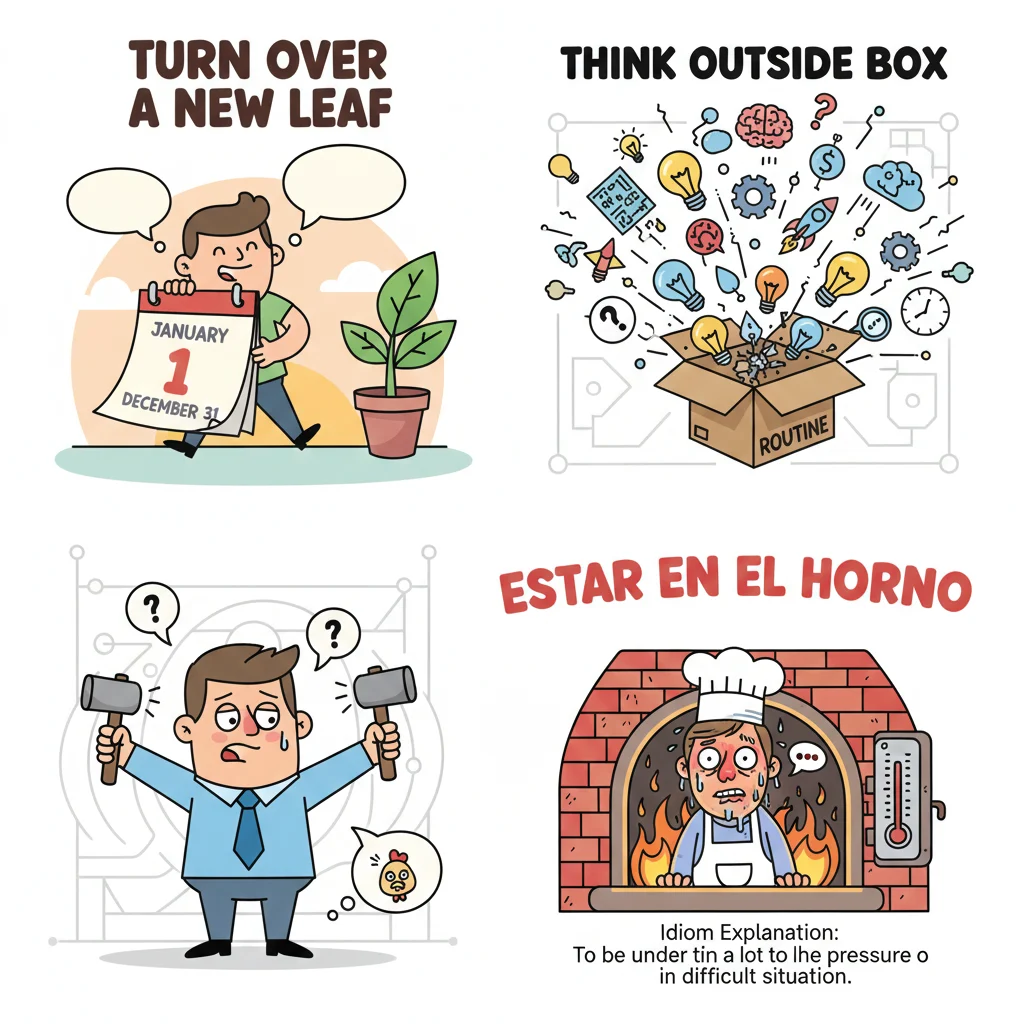
- Si llego tarde otra vez, estoy en el horno.
- Sin dinero y sin trabajo, estaba en el horno.
Common Error
❌ Using it for cooking situations
Usage Note
Very common in informal Argentine Spanish
⚽ No cazar una
Word-by-Word Meaning
To not hunt a single thing
Idiomatic / Figurative Meaning
To understand nothing at all
Example Sentences
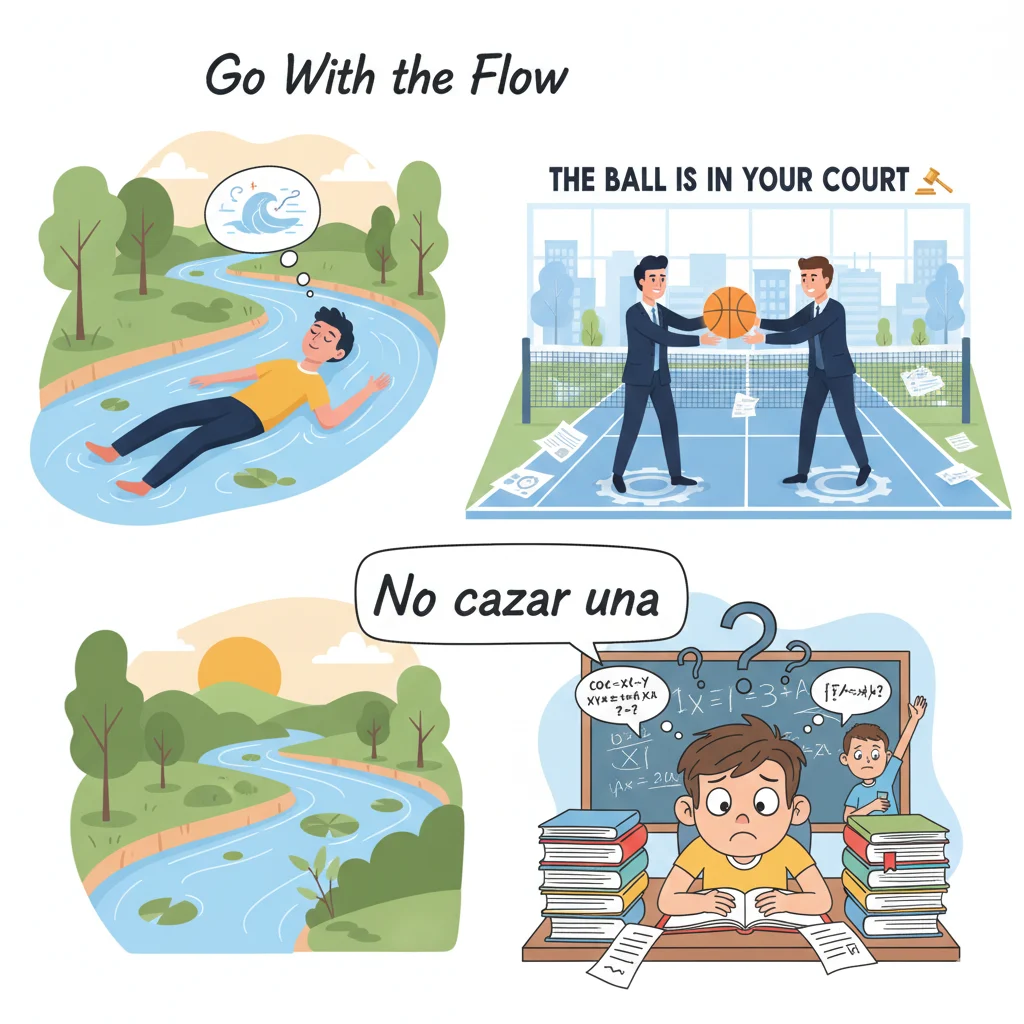
- En esa clase no cazé una.
Common Error
❌ Using it in formal writing
Usage Note
Popular among students and young people
🧠 Tener la posta
Word-by-Word Meaning
To have the baton
Idiomatic / Figurative Meaning
To know the truth or have correct information
Example Sentences

- Ella tiene la posta sobre el examen.
Common Error
❌ Confusing with “tener razón”
Usage Note
Common in conversations and social media
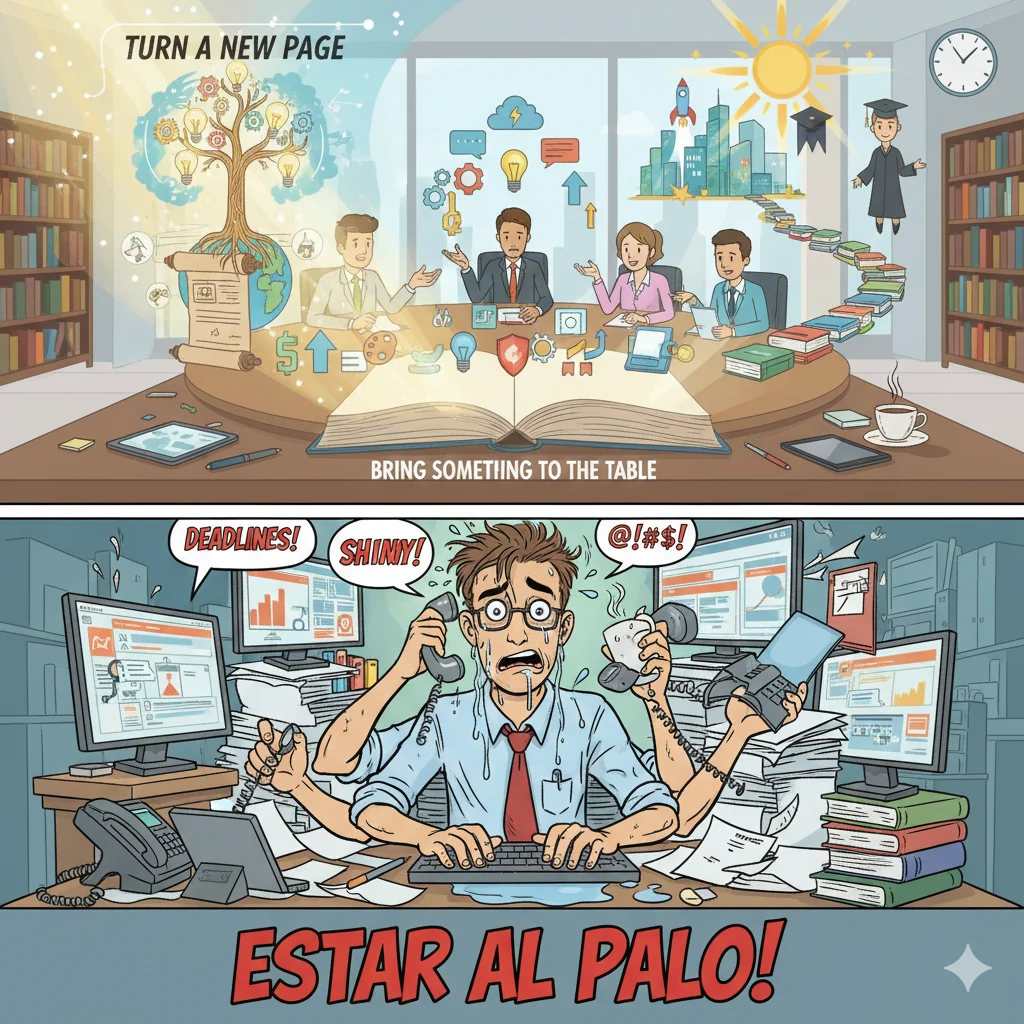
🔥 Estar al palo
Word-by-Word Meaning
To be at full stick
Idiomatic / Figurative Meaning
To be extremely busy or stressed
Example Sentences
- Estoy al palo con el trabajo.
Common Error
❌ Using it for calm situations
Usage Note
Very informal, spoken language
😎 Ser un groso
Word-by-Word Meaning
To be thick/big
Idiomatic / Figurative Meaning
To be awesome or very talented
Example Sentences

- Messi es un groso.
Common Error
❌ Using it sarcastically in formal contexts
Usage Note
Highly positive slang
🎭 Mandarse una macana
Word-by-Word Meaning
To send oneself a mistake
Idiomatic / Figurative Meaning
To make a big mistake
Example Sentences
- Me mandé una macana en el trabajo.
Common Error
❌ Using for small mistakes
Usage Note
Casual and expressive
🐶 Estar hecho bolsa
Word-by-Word Meaning
To be made into a bag
Idiomatic / Figurative Meaning
To be exhausted or emotionally broken
Example Sentences
- Después del viaje quedé hecho bolsa.
Common Error
❌ Taking it literally
Usage Note
Used for physical or emotional states
🤯 Ser un quilombo
Word-by-Word Meaning
To be a mess
Idiomatic / Figurative Meaning
A chaotic or complicated situation
Example Sentences
- El tráfico es un quilombo.
Common Error
❌ Using in polite company
Usage Note
Very informal; avoid formal settings
🐢 Ir a los pedos
Word-by-Word Meaning
To go very fast
Idiomatic / Figurative Meaning
To rush excessively
Example Sentences
- Vas a los pedos, calmate.
Common Error
❌ Using with elders
Usage Note
Slang, casual tone
😏 Chamuyar
Word-by-Word Meaning
To talk loosely
Idiomatic / Figurative Meaning
To sweet-talk or persuade
Example Sentences
- Lo chamuyó para entrar gratis.
Common Error
❌ Confusing with honest talking
Usage Note
Often used in flirting contexts
🧩 Tener un tornillo flojo
Word-by-Word Meaning
To have a loose screw
Idiomatic / Figurative Meaning
To be a little crazy or act strangely
Example Sentences
- Ese tipo tiene un tornillo flojo, no confíes en él.
- A veces creo que yo también tengo un tornillo flojo.
Common Error
❌ Using it literally for mechanical issues
Usage Note
Informal and playful; often used humorously
🎉 Tirar la casa por la ventana
Word-by-Word Meaning
To throw the house out the window
Idiomatic / Figurative Meaning
To spend a lot of money on a big celebration
Example Sentences
- En su cumpleaños, tiró la casa por la ventana.
- Vamos a tirar la casa por la ventana en la fiesta de fin de año.
Common Error
❌ Using it in small, everyday expenses
Usage Note
Typically used for weddings, birthdays, or big parties
🧍 Quedarse en banda
Word-by-Word Meaning
To stay on the band
Idiomatic / Figurative Meaning
To be abandoned, left alone, or left waiting
Example Sentences
- Me dejaron en banda en la cita.
- No quiero quedarme en banda otra vez.
Common Error
❌ Misinterpreting as “musical context”
Usage Note
Very common in informal conversation
💸 Estar seco
Word-by-Word Meaning
To be dry
Idiomatic / Figurative Meaning
To have no money
Example Sentences
- Este mes estoy seco, no puedo salir.
- Está seco después de comprar el regalo caro.
Common Error
❌ Using it literally for objects or food
Usage Note
Slang for financial situations
😬 Dar bola
Word-by-Word Meaning
To give ball
Idiomatic / Figurative Meaning
To pay attention or show interest
Example Sentences
- Nadie me da bola en clase.
- Si le das bola, puede ayudarte mucho.
Common Error
❌ Taking it literally
Usage Note
Extremely common in Argentina; casual speech
🧨 Saltar la ficha
Word-by-Word Meaning
To make the token jump
Idiomatic / Figurative Meaning
To suddenly understand something; “click moment”
Example Sentences
- Me saltó la ficha cuando escuché su explicación.
- Le saltó la ficha y comprendió todo.
Common Error
❌ Using it literally in board games only
Usage Note
Often used in learning or realization contexts
💤 Dormir la siesta
Word-by-Word Meaning
To sleep the nap
Idiomatic / Figurative Meaning
To take an afternoon nap
Example Sentences
- Siempre duermo la siesta después del almuerzo.
- Los domingos me gusta dormir la siesta.
Common Error
❌ Misinterpreting as sleeping all day
Usage Note
Cultural habit in Argentina; very common and literal idiom
🐦 Pisar el palito
Word-by-Word Meaning
To step on the little stick
Idiomatic / Figurative Meaning
To fall into a trap or be fooled
Example Sentences
- Creí que era serio, pero pisé el palito.
- No quiero pisar el palito otra vez.
Common Error
❌ Using it literally
Usage Note
Used in informal or playful warnings
😤 Estar caliente
Word-by-Word Meaning
To be hot
Idiomatic / Figurative Meaning
To be angry or sexually excited depending on context
Example Sentences
- Está caliente porque perdió el partido. (angry)
- Ese contexto requiere cuidado, puede confundirse con sexual meaning.
Common Error
❌ Misunderstanding context
Usage Note
Check tone; very common in informal speech
🥱 No dar más
Word-by-Word Meaning
To not give more
Idiomatic / Figurative Meaning
To be exhausted, can’t continue
Example Sentences
- Después del viaje, no daba más.
- Estudié toda la noche y no doy más.
Common Error
❌ Using for emotional states unrelated to exhaustion
Usage Note
Very common in daily life, formal or informal situations
❓ Frequently Asked Questions (FAQs)
1. Are Argentinian idioms different from Spanish idioms?
Yes, many are unique to Argentina and not used elsewhere.
2. Can I use Argentinian idioms in exams?
Better avoid slang in formal exams unless context allows.
3. Are these idioms used daily?
Absolutely—especially in casual conversations.
4. Are Argentinian idioms hard to learn?
Not if you practice them in real sentences.
5. Do movies help learn Argentinian idioms?
Yes! Argentine films are excellent learning tools.
🎯 Conclusion: Speak Spanish Like an Argentine
Learning Argentinian idioms is your shortcut to sounding natural, confident, and culturally aware. These expressions bring emotion, humor, and authenticity to your Spanish. Start by using just one idiom a day—in conversations, writing, or even self-talk. With practice, you won’t just speak Spanish… you’ll speak Argentine 🇦🇷.

“Rose Macaulay shares the charm of idioms on LearnIdom.com, making language learning delightful, insightful, and full of wit for every reader.”