Learning English can feel exciting one day and confusing the next—especially when native speakers use expressions that don’t make sense word for word. That’s where idioms for ESL students PDF resources become incredibly helpful.
Imagine hearing “break the ice” in class and wondering why anyone would break ice indoors! Idioms are everywhere—in conversations, movies, exams, and daily life—and understanding them can instantly boost your confidence.
This guide is designed especially for ESL learners who want clear explanations, real examples, and common mistakes to avoid. Whether you’re studying for exams, improving conversation skills, or creating your own idioms for ESL students PDF, these 20 famous idioms will help you sound more natural and fluent in English.
Break the Ice

Word-by-word meaning:
Ice (baraf) ko todna
Idiomatic / Figurative meaning:
Logon ke darmiyan jhijhak ya awkwardness khatam karna, baat-cheet shuru karna
Example sentences:
- The teacher told a joke to break the ice on the first day.
- Playing games helped break the ice at the party.
Common error:
❌ Using it for arguments or fights
✔ Use only for starting friendly conversation
Usage note:
Mostly used in new situations like first class, meeting, or party.
A Piece of Cake
Word-by-word meaning:
Cake ka tukra
Idiomatic meaning:
Koi kaam jo bohot aasan ho
Example sentences:
- The English test was a piece of cake.
- Cooking this dish is a piece of cake.
Common error:
❌ Using it only for food
✔ It means easy task, not real cake
Usage note:
Very common in spoken English, informal.
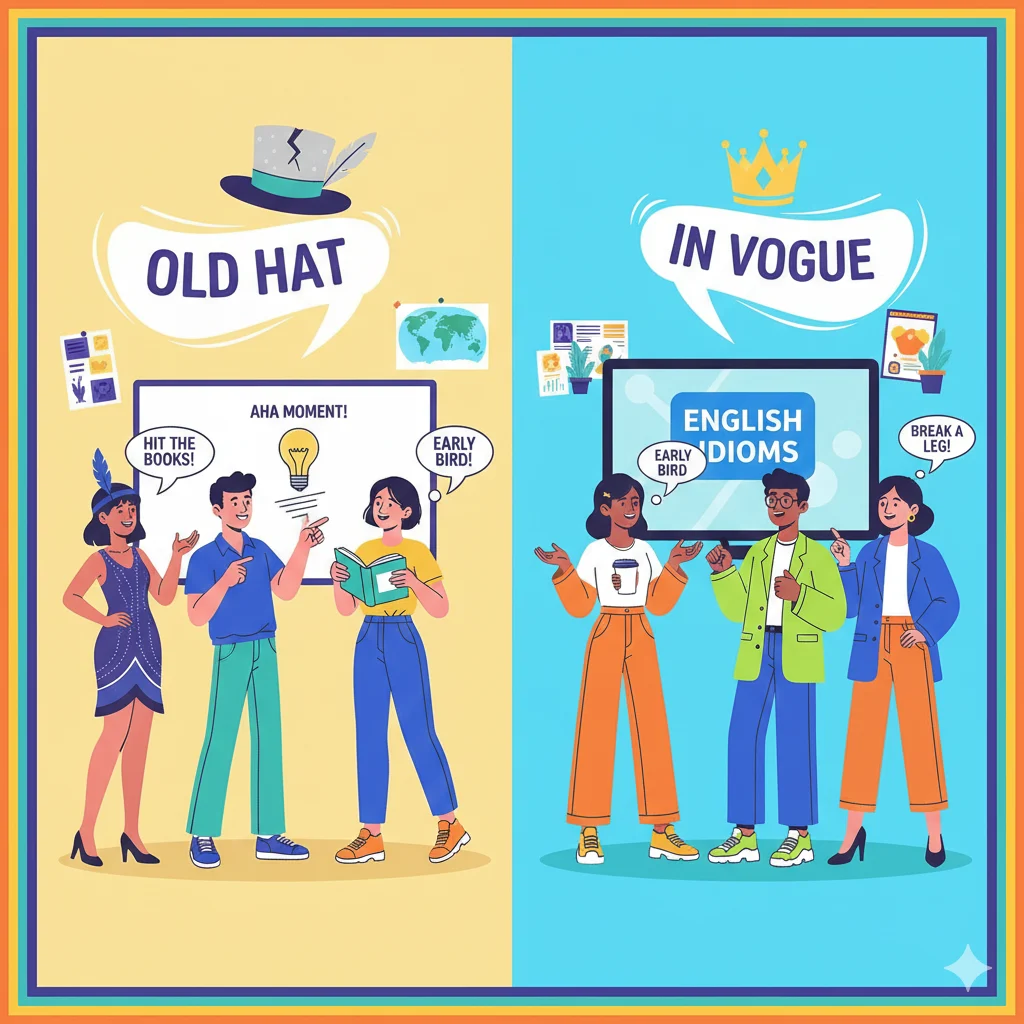
Hit the Books
Word-by-word meaning:
Kitabon ko maarna
Idiomatic meaning:
Serious taur par parhai shuru karna
Example sentences:
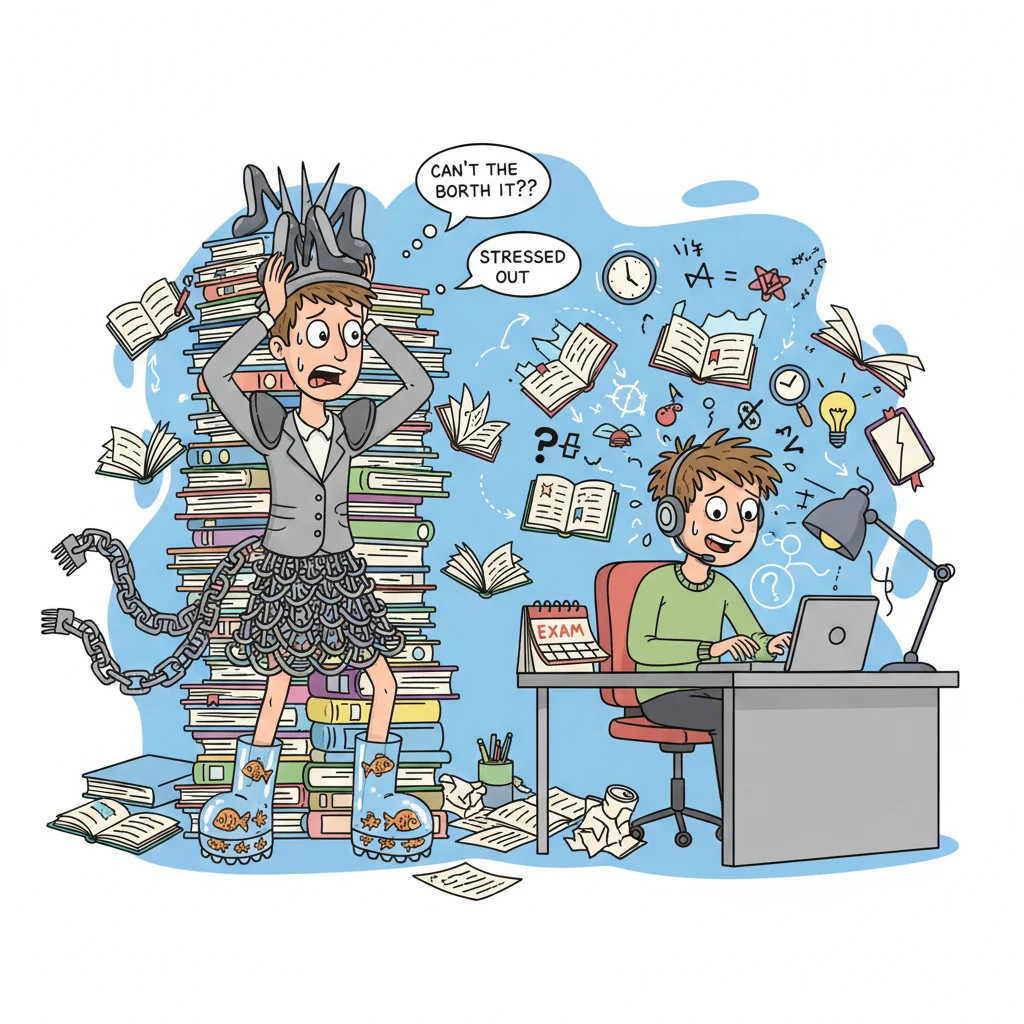
- I have exams tomorrow, so I need to hit the books.
- She hit the books after dinner.
Common error:
❌ “Hit on the books”
✔ Correct phrase: hit the books
Usage note:
Mostly used by students.
Under the Weather
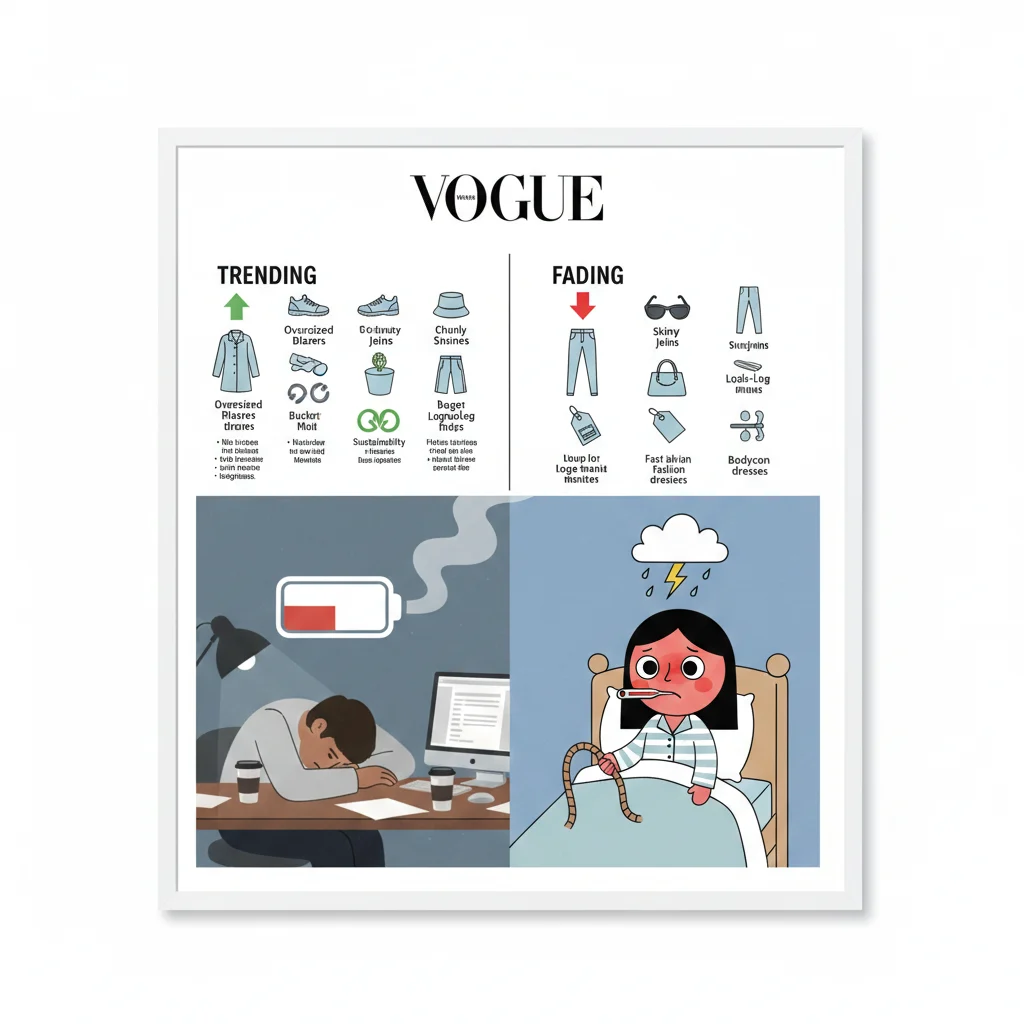
Word-by-word meaning:
Mausam ke neeche
Idiomatic meaning:
Tabiyat theek na hona, halka sa beemar hona
Example sentences:
- I’m feeling under the weather today.
- She didn’t come to class because she was under the weather.
Common error:
❌ Using it for bad weather
✔ It is about health, not climate
Usage note:
Used for minor illness, informal.
Spill the Beans

Word-by-word meaning:
Phaliyan (beans) gira dena
Idiomatic meaning:
Kisi raaz ko bata dena, aksar ghalti se
Example sentences:
- He spilled the beans about the surprise party.
- Don’t spill the beans before Friday!
Common error:
❌ Using it for normal information
✔ Use only for secrets
Usage note:
Often used when someone reveals something too early.
Once in a Blue Moon
Word-by-word meaning:
Neela chaand (jo bohot kam hota hai)
Idiomatic / Figurative meaning:
Koi cheez jo bohot hi kam hoti ho
Example sentences:
- I visit my cousins once in a blue moon.
- He eats fast food once in a blue moon.
Common error:
❌ Using it for regular activities
✔ Use only for rare situations
Usage note:
Usually used with present simple tense.
Cost an Arm and a Leg
Word-by-word meaning:
Baazu aur taang ki keemat
Idiomatic meaning:
Bohot zyada mehnga
Example sentences:
- This laptop costs an arm and a leg.
- Studying abroad can cost an arm and a leg.
Common error:
❌ Saying “cost arms and legs”
✔ Always singular form
Usage note:
Informal, common in spoken English.
Beat Around the Bush
Word-by-word meaning:
Jhaariyon ke ird-gird maarna
Idiomatic meaning:
Seedhi baat na karna
Example sentences:
- Stop beating around the bush and tell me the truth.
- He beat around the bush instead of answering.
Common error:
❌ Using it for physical actions
✔ Only for conversation
Usage note:
Often used when someone avoids a topic.
Let the Cat Out of the Bag
Word-by-word meaning:
Billi ko bag se bahar nikal dena
Idiomatic meaning:
Raaz khol dena
Example sentences:
- She let the cat out of the bag about the surprise.
- Don’t let the cat out of the bag!
Common error:
❌ Using for public information
✔ Use only for secrets
Usage note:
Often accidental action.
On Cloud Nine
Word-by-word meaning:
No. 9 badal par hona
Idiomatic meaning:
Bohot zyada khush
Example sentences:
- She was on cloud nine after passing the exam.
- He’s on cloud nine today.
Common error:
❌ Saying “in cloud nine”
✔ Correct: on cloud nine
Usage note:
Positive emotions only.
Call It a Day
Word-by-word meaning:
Din ko bula lena
Idiomatic meaning:
Kaam band kar dena
Example sentences:
- We’ve done enough—let’s call it a day.
- The teacher called it a day early.
Common error:
❌ Using it for starting work
✔ Use for stopping work
Usage note:
Used in work or study context.
Bite the Bullet
Word-by-word meaning:
Goli ko daant se pakadna
Idiomatic meaning:
Mushkil ka samna karna
Example sentences:
- I bit the bullet and told the truth.
- She bit the bullet and paid the fine.
Common error:
❌ Using for physical pain
✔ Emotional or difficult decisions
Usage note:
Shows courage or acceptance.
In Hot Water
Word-by-word meaning:
Garam pani mein hona
Idiomatic meaning:
Museebat mein hona
Example sentences:
- He’s in hot water with his teacher.
- She got in hot water for being late.
Common error:
❌ Using for illness
✔ Use for trouble
Usage note:
Often used with authority figures.
The Ball Is in Your Court
Word-by-word meaning:
Ball tumhare court mein hai
Idiomatic meaning:
Ab faisla tumhara hai
Example sentences:
- I’ve explained everything. The ball is in your court.
- Now the ball is in his court.
Common error:
❌ Saying “ball on your court”
✔ Correct preposition: in
Usage note:
Common in business and discussions.
Kill Two Birds with One Stone
Word-by-word meaning:
Ek pathar se do parinday
Idiomatic meaning:
Ek kaam se do faiday
Example sentences:
- By cycling to work, I kill two birds with one stone.
- Studying with friends kills two birds with one stone.
Common error:
❌ Changing word order
✔ Keep fixed form
Usage note:
Very common idiom.
Hit the Nail on the Head
Word-by-word meaning:
Keel ke sir par maarna
Idiomatic meaning:
Bilkul sahi baat kehna
Example sentences:
- You hit the nail on the head!
- Her explanation hit the nail on the head.
Common error:
❌ “Hit nail on head”
✔ Use the
Usage note:
Used to agree strongly.
Back to the Drawing Board
Word-by-word meaning:
Wapas design board par
Idiomatic meaning:
Dobara shuru karna
Example sentences:
- The plan failed, so it’s back to the drawing board.
- We’re back to the drawing board again.
Common error:
❌ Using it for success
✔ Only for failure
Usage note:
Used in projects and planning.
Pull Someone’s Leg
Word-by-word meaning:
Kisi ki taang kheenchna
Idiomatic meaning:
Mazaaq karna
Example sentences:
- Relax, I’m just pulling your leg.
- Don’t believe him—he’s pulling your leg.
Common error:
❌ Using for insults
✔ Light jokes only
Usage note:
Friendly tone required.
Burn the Midnight Oil
Word-by-word meaning:
Raat ka tail jalana
Idiomatic meaning:
Der raat tak kaam ya parhna
Example sentences:
- She burned the midnight oil before exams.
- I burned the midnight oil to finish my project.
Common error:
❌ Using for daytime work
✔ Night work only
Usage note:
Popular among students.
Keep an Eye On
Word-by-word meaning:
Aankh barqarar rakhna
Idiomatic meaning:
Nazar rakhna
Example sentences:
- Please keep an eye on my bag.
- Teachers keep an eye on students.
Common error:
❌ “Keep eyes on”
✔ Singular form
Usage note:
Very common daily idiom.
FAQs About Idioms for ESL Students PDF
1. What is the best way to learn idioms as an ESL student?
Learn them in context, not alone. Use sentences, stories, and conversations.
2. Are idioms important for exams like IELTS?
Yes, but use them naturally. Overusing idioms can reduce scores.
3. Can beginners learn idioms?
Yes! Start with common, everyday idioms like those in this list.
4. Should I memorize idioms?
Understanding and practicing is better than memorizing.
5. Can I download this as an idioms for ESL students PDF?
Yes—this article is structured perfectly for PDF conversion.
Conclusion
Idioms may seem strange at first, but they’re a powerful tool for sounding fluent and confident. By practicing these expressions daily—writing your own sentences or using them in conversation—you’ll notice real improvement. Bookmark this guide or turn it into your own idioms for ESL students PDF and review it often. English becomes easier when you learn it the way people really speak. Keep practicing—you’ve got this! 💪📘

“Rose Macaulay shares the charm of idioms on LearnIdom.com, making language learning delightful, insightful, and full of wit for every reader.”