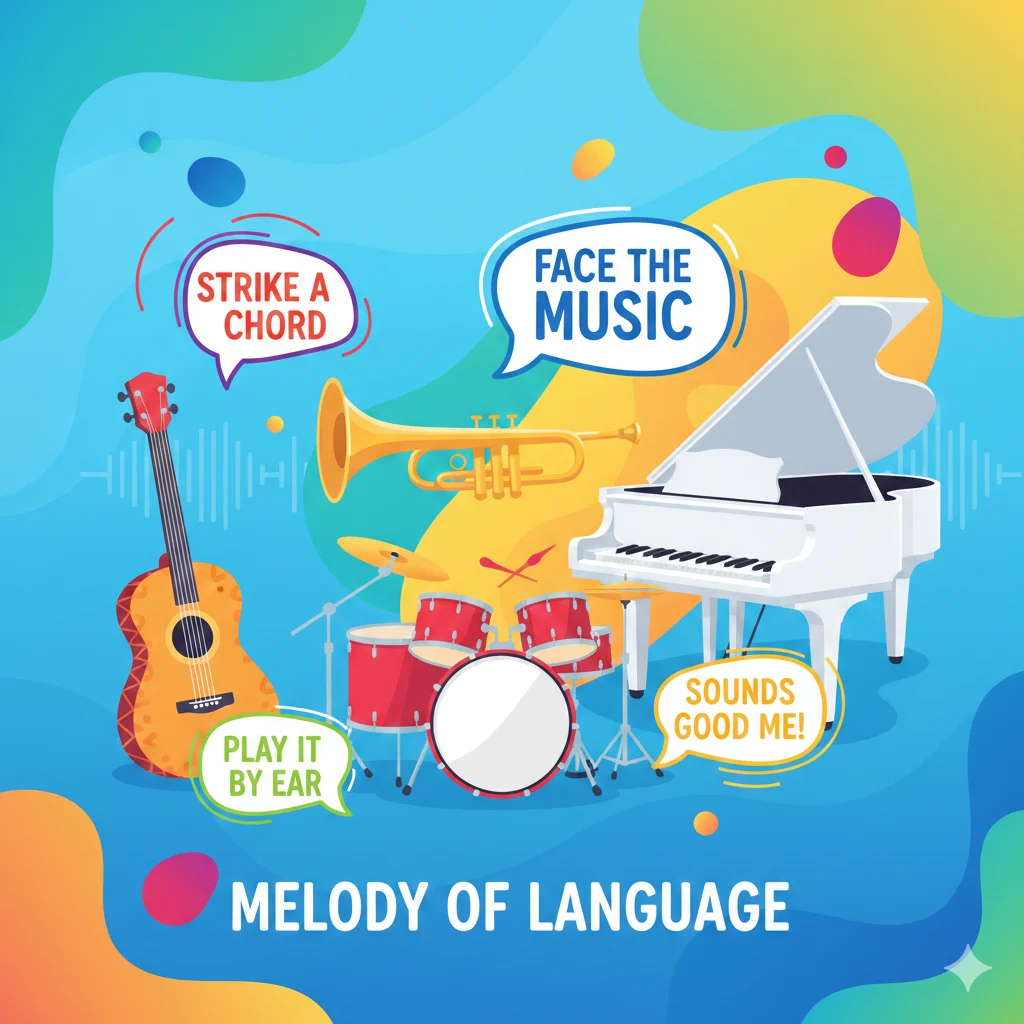
Have you ever heard someone say “face the music” or “change your tune” in conversation? These are popular music phrases and idioms used in everyday English. Even though they come from musical terms, their meanings often have nothing to do with actual music.
For example, if a teacher tells a student to “face the music,” it means the student must accept the consequences of their actions. Similarly, when someone “changes their tune,” they change their opinion or attitude.
Learning music idioms in English can make your conversations sound more natural and expressive. These idioms related to music are common in movies, workplaces, classrooms, and daily conversations. In this guide, you will learn famous musical idioms, their meanings, examples, common mistakes, and practical usage tips to help you use them confidently in real-life situations.
| Idiom | Meaning |
|---|---|
| Face the Music | Accept consequences |
| Change Your Tune | Change opinion |
| Music to My Ears | Pleasant news |
| Strike a Chord | Create emotional response |
| Blow Your Own Trumpet | Boast about yourself |
| Ring a Bell | Sound familiar |
| In Tune With | In harmony or agreement |
| March to Your Own Drum | Be independent |
| Play It by Ear | Improvise |
| Call the Tune | Control decisions |
| Strike the Wrong Note | Say something inappropriate |
| Fine-Tune | Improve slightly |
| Dance to Someone’s Tune | Follow someone’s orders |
| Drum Into Someone | Repeat until learned |
| Blow the Whistle | Reveal wrongdoing |
| Sound Like a Broken Record | Repeat something constantly |
| Change Your Note | Change attitude |
| Music to Someone’s Soul | Extremely comforting |
| Strike the Right Chord | Create positive emotional response |
| Make Sweet Music Together | Work together perfectly |
Face the Music
Word-by-word Meaning
- Face = confront directly
- Music = musical performance
Idiomatic Meaning
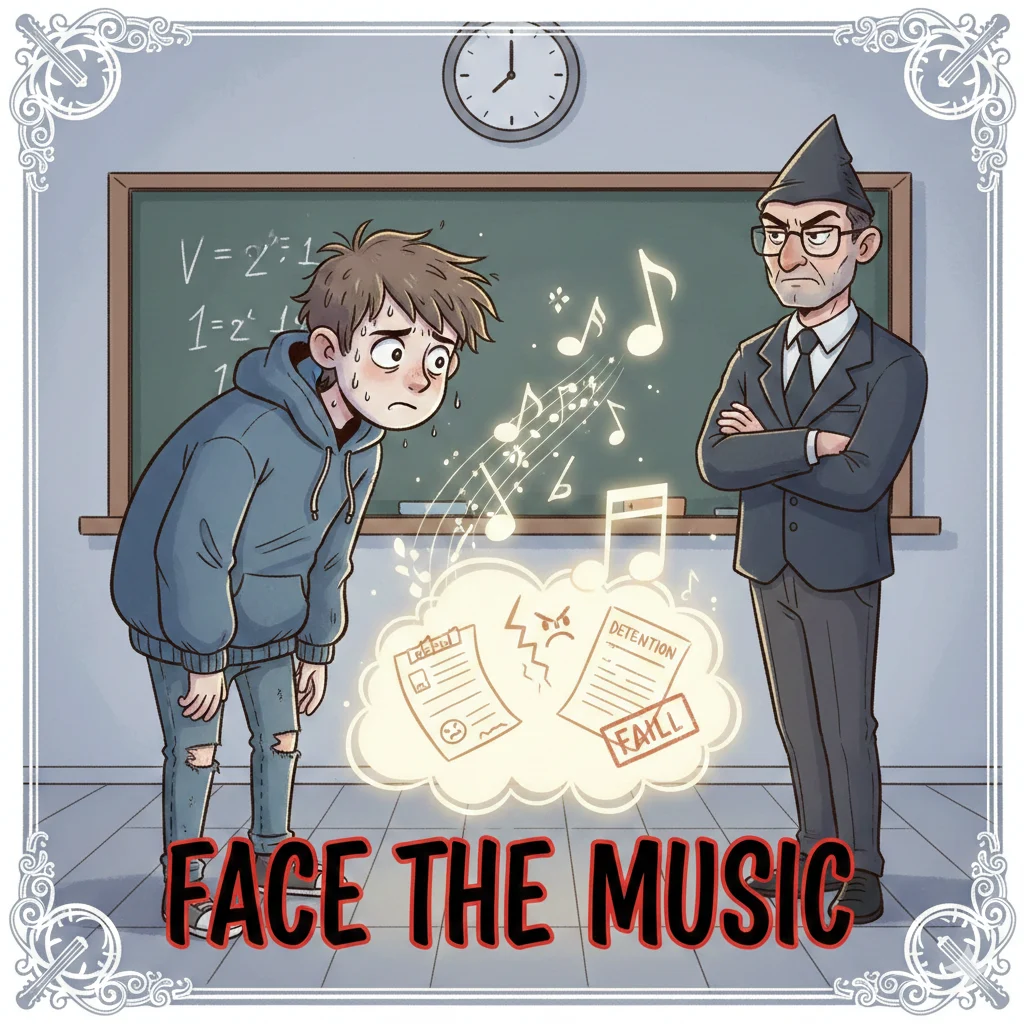
To accept the consequences of your actions.
Example Sentences
- After lying to his parents, he had to face the music.
- The company must face the music after breaking safety rules.
Common Error
❌ Face to the music
✔ Face the music
Usage Note
Often used when someone must accept criticism, punishment, or responsibility.
Change Your Tune
Word-by-word Meaning
- Change = alter
- Tune = melody
Idiomatic Meaning

To change your opinion or attitude.
Example Sentences
- He changed his tune after seeing the evidence.
- When the teacher arrived, the students quickly changed their tune.
Common Error
❌ Change your song
✔ Change your tune
Usage Note
Usually used when someone suddenly shifts their opinion.
Music to My Ears
Word-by-word Meaning
- Music = pleasant sound
- Ears = hearing organ
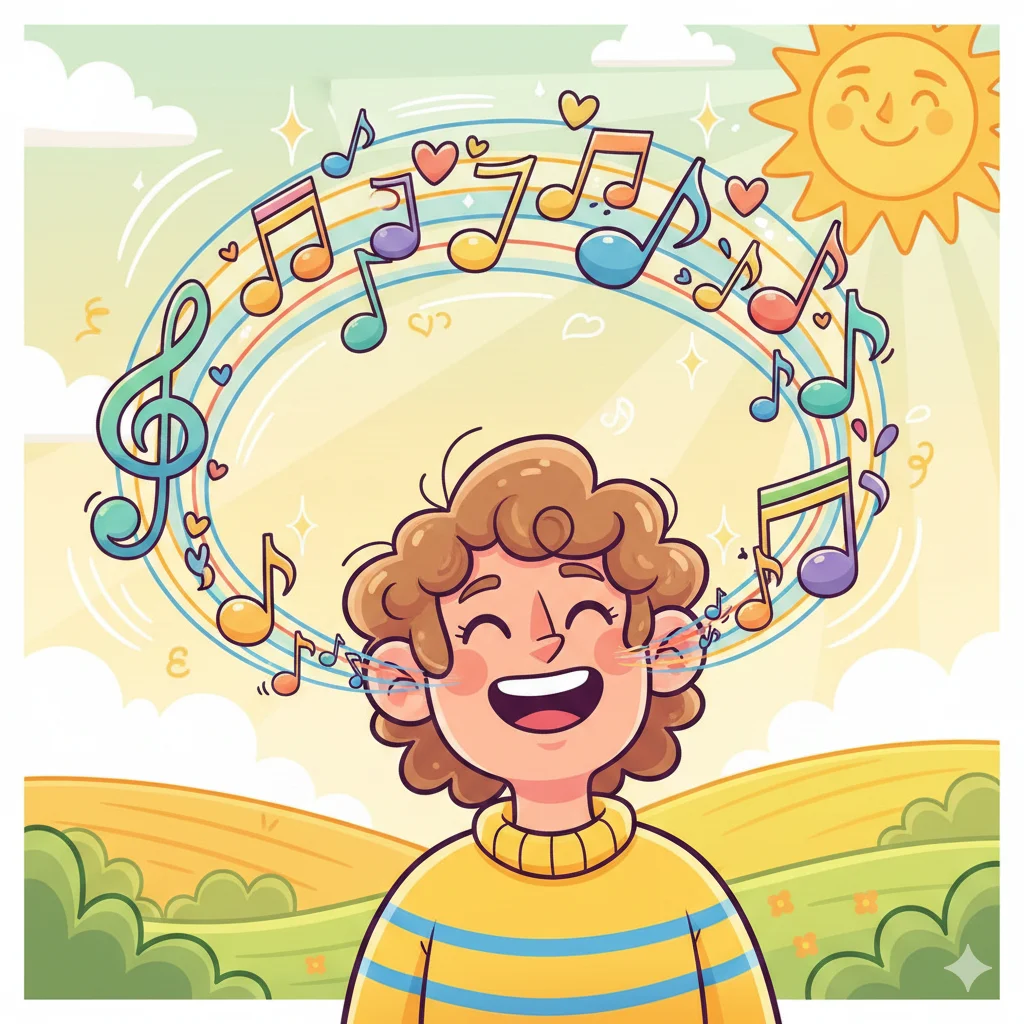
Idiomatic Meaning
Something very pleasant to hear.
Example Sentences
- The news of the holiday extension was music to my ears.
- Hearing that I passed the exam was music to my ears.
Common Error
❌ Music for my ears
✔ Music to my ears
Usage Note
Used to express happiness after hearing good news.
Strike a Chord
Word-by-word Meaning
- Strike = hit
- Chord = combination of musical notes
Idiomatic Meaning
To cause a strong emotional reaction.
Example Sentences

- His speech struck a chord with the audience.
- The story struck a chord with many readers.
Common Error
❌ Hit a chord
✔ Strike a chord
Usage Note
Often used in emotional discussions or storytelling.
Blow Your Own Trumpet
Word-by-word Meaning
- Blow = play
- Trumpet = brass musical instrument
Idiomatic Meaning
To boast about your achievements.
Example Sentences
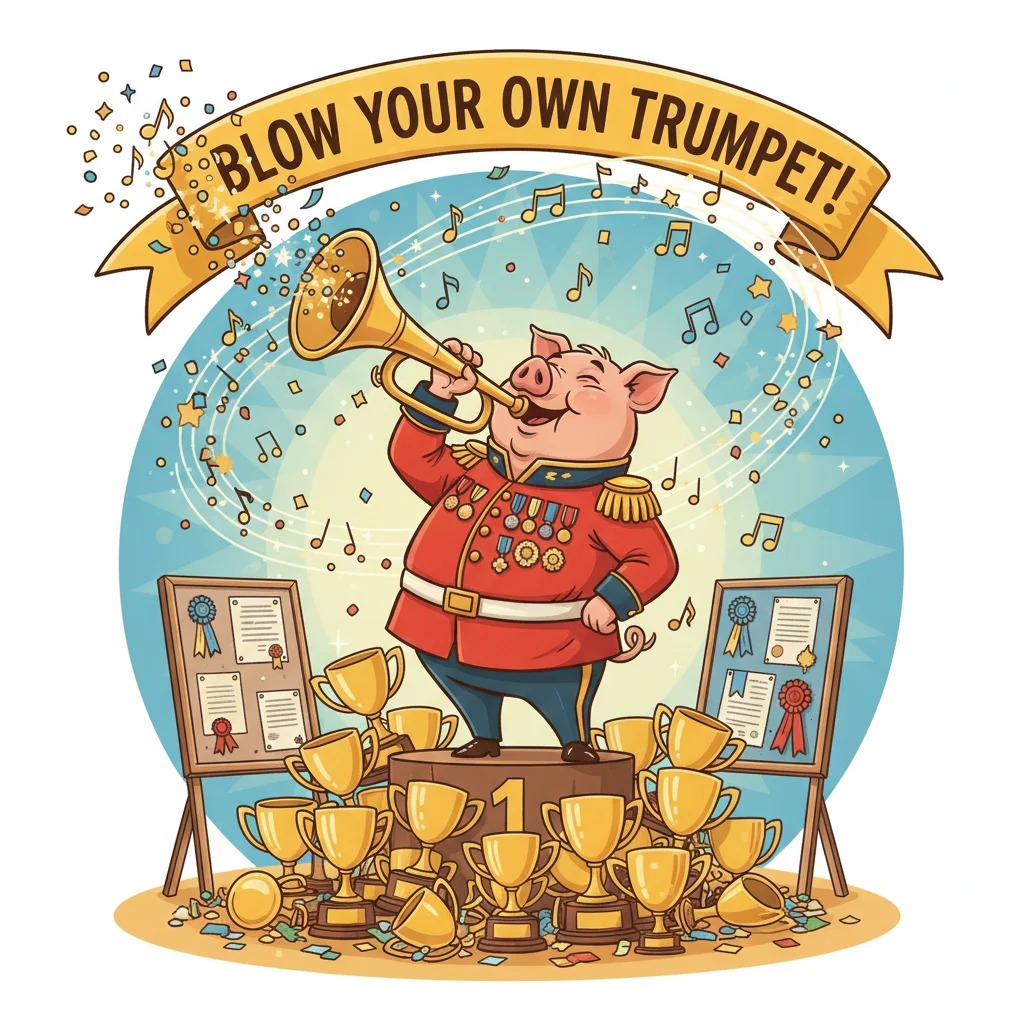
- He loves to blow his own trumpet about his success.
- She constantly blows her own trumpet in meetings.
Common Error
❌ Play your own trumpet
✔ Blow your own trumpet
Usage Note
Usually carries a slightly negative tone.
Ring a Bell
Word-by-word Meaning
- Ring = produce sound
- Bell = metal instrument
Idiomatic Meaning
To sound familiar.
Example Sentences
- That name rings a bell, but I can’t remember where I heard it.
- This place rings a bell from my childhood.
Common Error
❌ Make a bell ring
✔ Ring a bell
Usage Note
Commonly used when recalling something from memory.
In Tune With
Word-by-word Meaning
- Tune = musical harmony
Idiomatic Meaning
To be in agreement or harmony with something.
Example Sentences
- Good leaders stay in tune with their teams.
- She is in tune with current trends.
Common Error
❌ On tune with
✔ In tune with
Usage Note
Often used in professional or social contexts.
March to the Beat of Your Own Drum
Word-by-word Meaning
- March = walk rhythmically
- Drum = percussion instrument
Idiomatic Meaning
To behave independently and follow your own ideas.
Example Sentences
- Artists often march to the beat of their own drum.
- He marches to his own drum and doesn’t follow trends.
Common Error
❌ Walk to your own drum
✔ March to the beat of your own drum
Usage Note
Often positive when describing creativity.
Play It by Ear
Word-by-word Meaning
- Play = perform music
- Ear = hearing
Idiomatic Meaning
To improvise or decide later.
Example Sentences
- We don’t have a plan yet—we’ll play it by ear.
- Let’s play it by ear depending on the weather.
Common Error
❌ Play by the ear
✔ Play it by ear
Usage Note
Common in casual conversations.
Call the Tune
Word-by-word Meaning
- Call = decide
- Tune = melody
Idiomatic Meaning
To control decisions.
Example Sentences
- The boss calls the tune in this company.
- Whoever funds the project calls the tune.
Common Error
❌ Call the song
✔ Call the tune
Usage Note
Used when describing authority.
Strike the Wrong Note
Word-by-word Meaning
Strike = hit
Note = musical tone
Idiomatic Meaning
To say something inappropriate or offensive.
Example Sentences
- His joke struck the wrong note during the meeting.
- The comment struck the wrong note with the audience.
Common Error
❌ Hit the wrong note
✔ Strike the wrong note
Usage Note
Used when someone says something socially awkward.
Fine-Tune
Word-by-word Meaning
Fine = precise
Tune = adjust pitch
Idiomatic Meaning
To make small improvements.
Example Sentences
- We need to fine-tune our marketing strategy.
- She fine-tuned her presentation before the meeting.
Common Error
❌ Perfect tune
✔ Fine-tune
Usage Note
Common in business and technical discussions.
Dance to Someone’s Tune
Word-by-word Meaning
Dance = move rhythmically
Tune = melody
Idiomatic Meaning
To obey or follow someone’s orders.
Example Sentences
- He refuses to dance to his boss’s tune.
- She won’t dance to anyone’s tune.
Common Error
❌ Dance on someone’s tune
✔ Dance to someone’s tune
Usage Note
Often used in negative contexts.
Drum Something Into Someone
Word-by-word Meaning
Drum = beat repeatedly
Idiomatic Meaning
To repeat something until someone learns it.
Example Sentences
- Teachers drum grammar rules into students.
- My parents drummed discipline into me.
Common Error
❌ Beat something into someone
✔ Drum something into someone
Usage Note
Common in education.
Blow the Whistle
Word-by-word Meaning
Blow = produce sound
Whistle = small instrument
Idiomatic Meaning
To expose wrongdoing.
Example Sentences
- The employee blew the whistle on corruption.
- Journalists often blow the whistle on scandals.
Common Error
❌ Ring the whistle
✔ Blow the whistle
Usage Note
Common in law, politics, and journalism.
Sound Like a Broken Record
Word-by-word Meaning
Broken record = damaged music record repeating sound
Idiomatic Meaning
To repeat the same thing again and again.
Example Sentences
- My parents sound like a broken record about studying.
- He sounds like a broken record complaining about work.
Common Error
❌ Broken music sound
✔ Sound like a broken record
Usage Note
Usually used humorously.
Change Your Note
Word-by-word Meaning
Change = alter
Note = musical tone
Idiomatic Meaning
To change attitude or tone.
Example Sentences
- He changed his note after receiving criticism.
- She quickly changed her note in the discussion.
Common Error
❌ Change your sound
✔ Change your note
Usage Note
Similar to “change your tune”.
Music to Someone’s Soul
Word-by-word Meaning
Music = pleasing sound
Soul = inner emotions
Idiomatic Meaning
Something deeply comforting or satisfying.
Example Sentences
- Her apology was music to my soul.
- The peaceful sound of rain was music to my soul.
Common Error
❌ Music for soul
✔ Music to my soul
Usage Note
Often used emotionally.
Strike the Right Chord
Word-by-word Meaning
Strike = hit
Chord = musical harmony
Idiomatic Meaning
To create a positive emotional reaction.
Example Sentences
- His speech struck the right chord with the audience.
- The advertisement struck the right chord with customers.
Common Error
❌ Hit the right chord
✔ Strike the right chord
Usage Note
Often used in marketing or speeches.
Make Sweet Music Together
Word-by-word Meaning
Sweet music = pleasant sound
Together = collaboratively
Idiomatic Meaning
To work together perfectly.
Example Sentences
- The two musicians make sweet music together.
- The team members made sweet music together during the project.
Common Error
❌ Make nice music together
✔ Make sweet music together
Usage Note
Used for strong teamwork or harmony.
FAQs About Music Phrases and Idioms
What are music idioms in English?
Music idioms are expressions derived from musical terms but used figuratively in everyday communication.
Why should learners study music idioms?
They make your English sound more natural and help you understand conversations, movies, and books.
Are music idioms used in professional settings?
Yes. Idioms like fine-tune, strike a chord, and call the tune are common in business communication.
How can I remember idioms easily?
Practice using them in daily sentences, conversations, and short stories.
Are these idioms used in both British and American English?
Yes. Most music idioms are widely understood in both varieties.
Conclusion
Learning music phrases and idioms can make your English richer, more expressive, and more natural. These musical idioms in English appear everywhere—from casual conversations to professional meetings and public speeches.
Start practicing by choosing one idiom each day and using it in a sentence. For example, tell a friend that good news was “music to your ears” or say a speech “struck the right chord.”
The more you practice these idioms related to music, the more fluent and confident your English will become. So keep learning, keep practicing, and let your language skills play the perfect tune.

“L.P. Hartley brings classic idioms to life on LearnIdom.com, helping readers explore language with wit, clarity, and timeless insight.”