In modern workplaces, communication is not only about grammar and vocabulary—it is also about understanding expressions commonly used in professional environments. One of the most useful language tools professionals use is idioms with business. These idioms help people express ideas quickly, clearly, and sometimes more creatively than literal language.
For example, when a manager says “let’s get the ball rolling” or “think outside the box,” they are using popular idioms with business that describe starting a project or finding creative solutions. These expressions appear frequently in meetings, presentations, emails, and negotiations.
Learning idioms with business is especially helpful for students, entrepreneurs, and professionals who want to sound more natural in business conversations. By understanding these idioms, you will improve your business English, communicate more confidently, and better understand how professionals interact in real workplace situations.
Table of Contents
- Think Outside the Box
- Get the Ball Rolling
- Cut Corners
- Back to the Drawing Board
- Learn the Ropes
- In the Red
- In the Black
- Big Fish in a Small Pond
- The Bottom Line
- Ahead of the Curve
- Time Is Money
- Corner the Market
- Go the Extra Mile
- Touch Base
- Raise the Bar
- Close the Deal
- Put All Your Eggs in One Basket
- Level Playing Field
- Bring Something to the Table
- On the Same Page
Think Outside the Box
Word-by-word Meaning
- Think = use your mind
- Outside = beyond limits
- Box = something that confines
Idiomatic Meaning
To think creatively and develop innovative ideas.
Example Sentences

- Our marketing team must think outside the box to attract customers.
- Successful entrepreneurs always think outside the box.
Common Error
❌ Think out of the box
✔ Think outside the box
Usage Note
One of the most popular idioms with business used in brainstorming sessions.
Get the Ball Rolling
Word-by-word Meaning
- Ball = round object
- Rolling = moving forward
Idiomatic Meaning
To start a project or process.
Example Sentences

- Let’s get the ball rolling on the new marketing campaign.
- The manager called a meeting to get the ball rolling.
Common Error
❌ Start the ball rolling
✔ Get the ball rolling
Usage Note
Often used when starting business projects.
Cut Corners
Word-by-word Meaning
- Cut = reduce
- Corners = edges
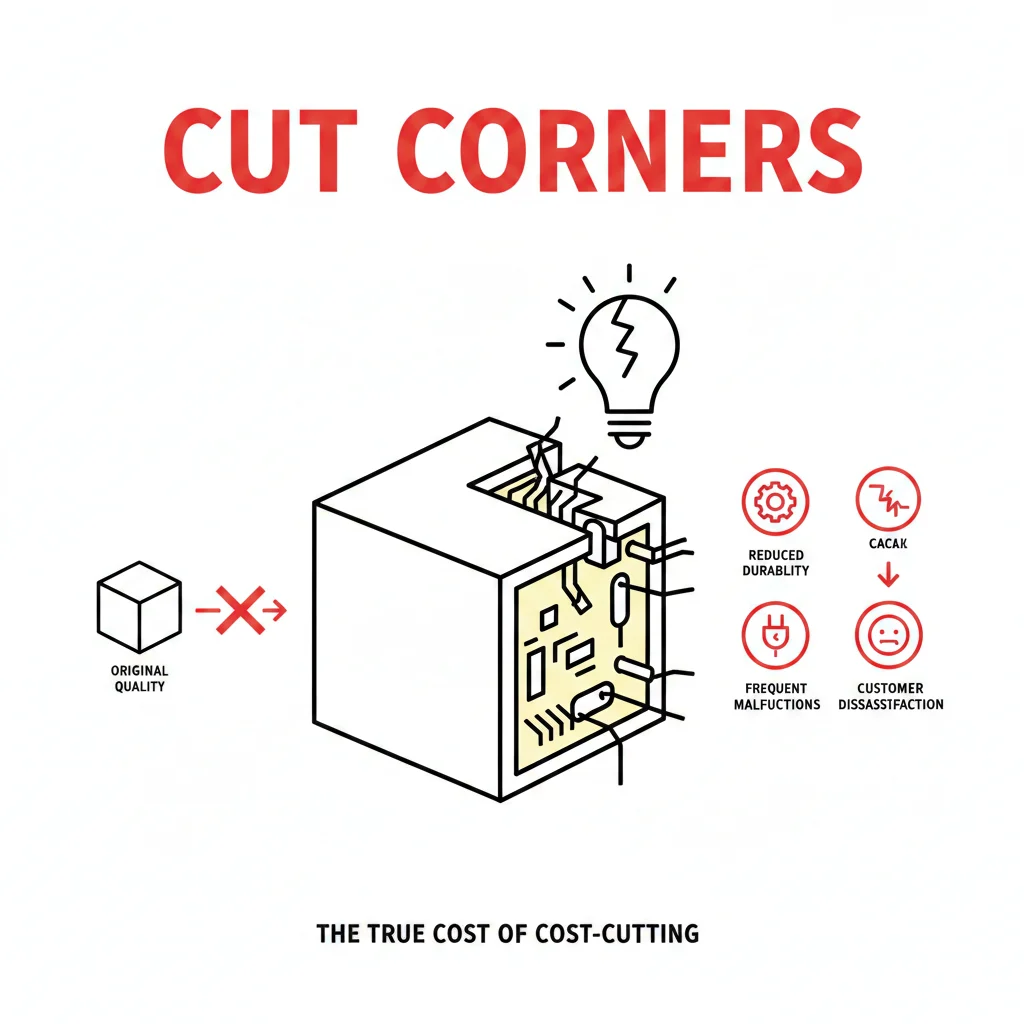
Idiomatic Meaning
To save money or time by lowering quality.
Example Sentences
- The company refused to cut corners on product quality.
- Cutting corners can damage a business reputation.
Common Error
❌ Cut the corners
✔ Cut corners
Usage Note
Common in discussions about quality and ethics in business.
Back to the Drawing Board
Word-by-word Meaning
- Drawing board = place where plans are made
Idiomatic Meaning
To start planning again after failure.
Example Sentences

- The project failed, so the team went back to the drawing board.
- Businesses often go back to the drawing board after a product flop.
Common Error
❌ Return to drawing board
✔ Back to the drawing board
Usage Note
Common in business strategy discussions.
Learn the Ropes
Word-by-word Meaning
- Learn = gain knowledge
- Ropes = tools used in work
Idiomatic Meaning
To understand how a job or system works.
Example Sentences

- The new employee is still learning the ropes.
- It takes time to learn the ropes in a new company.
Common Error
❌ Learn the rope
✔ Learn the ropes
Usage Note
Often used during training and onboarding.
In the Red
Word-by-word Meaning
- Red = color used in accounting
Idiomatic Meaning
A business losing money.
Example Sentences
- The company was in the red last year.
- Many startups stay in the red initially.
Common Error
❌ On the red
✔ In the red
Usage Note
Used in financial reports.
In the Black
Word-by-word Meaning
- Black = color used for profit in accounting
Idiomatic Meaning
A company making profit.
Example Sentences
- After restructuring, the company is finally in the black.
- Good management keeps businesses in the black.
Common Error
❌ On the black
✔ In the black
Usage Note
Used in business finance discussions.
Big Fish in a Small Pond
Word-by-word Meaning
- Big fish = powerful person
- Small pond = small environment
Idiomatic Meaning
Someone important in a small organization.
Example Sentences
- He was a big fish in a small pond before joining the multinational company.
Common Error
❌ Large fish small pond
Usage Note
Used in career and business comparisons.
The Bottom Line
Word-by-word Meaning
- Bottom line = final line in financial statement
Idiomatic Meaning
The final result or most important point.
Example Sentences
- The bottom line is that the company must increase profits.
Usage Note
Common in business presentations and reports.
Ahead of the Curve
Word-by-word Meaning
- Ahead = in front
- Curve = trend line
Idiomatic Meaning
More advanced than competitors.
Example Sentences
- Innovative companies stay ahead of the curve.
Usage Note
Often used in technology and marketing industries.
Time Is Money
Word-by-word Meaning
- Time = hours
- Money = financial value
Idiomatic Meaning
Time should not be wasted because it equals productivity.
Example Sentences
- In business, time is money, so meetings should be efficient.
Usage Note
Common business philosophy.
Corner the Market
Word-by-word Meaning
- Corner = control
- Market = place for buying and selling
Idiomatic Meaning
To dominate a market.
Example Sentences
- The company hopes to corner the market in electric cars.
Go the Extra Mile
Word-by-word Meaning
- Extra = more than expected
- Mile = distance
Idiomatic Meaning
To put in extra effort.
Example Sentences
- Great businesses always go the extra mile for customers.
Touch Base
Word-by-word Meaning
- Touch = make contact
- Base = point of reference
Idiomatic Meaning
To make brief contact or check in.
Example Sentences
- Let’s touch base next week about the proposal.
Raise the Bar
Word-by-word Meaning
- Raise = increase
- Bar = standard
Idiomatic Meaning
To increase standards or expectations.
Example Sentences
- The new CEO wants to raise the bar for performance.
Close the Deal
Word-by-word Meaning
- Close = finalize
- Deal = agreement
Idiomatic Meaning
To complete a business agreement.
Example Sentences
- The sales manager finally closed the deal.
Put All Your Eggs in One Basket
Word-by-word Meaning
- Eggs = valuable items
- Basket = container
Idiomatic Meaning
To risk everything on a single opportunity.
Example Sentences
- Investors should not put all their eggs in one basket.
Level Playing Field
Word-by-word Meaning
- Level = equal
- Playing field = competition area
Idiomatic Meaning
A fair competitive environment.
Example Sentences
- New regulations created a level playing field for companies.
Bring Something to the Table
Word-by-word Meaning
- Bring = provide
- Table = meeting place
Idiomatic Meaning
To contribute ideas or skills.
Example Sentences
- Every employee should bring something to the table.
On the Same Page
Word-by-word Meaning
- Same page = same understanding
Idiomatic Meaning
To agree or understand something in the same way.
Example Sentences
- The team must be on the same page before starting the project.
FAQs About Idioms With Business
What are idioms with business?
They are expressions commonly used in professional environments to describe business situations.
Why are business idioms important?
They make communication more natural in meetings, emails, and presentations.
Where are business idioms used?
They are used in workplaces, corporate discussions, negotiations, and business writing.
How can I learn business idioms faster?
Practice reading business articles, listening to podcasts, and using them in daily conversations.
Conclusion
Understanding idioms with business can greatly improve your communication skills in professional environments. These expressions are commonly used in meetings, negotiations, emails, and presentations because they make conversations clearer and more engaging. When you learn and practice business idioms, you begin to understand how professionals express ideas quickly and naturally.
For students and professionals alike, mastering idioms with business helps build confidence when speaking English in the workplace. Instead of sounding overly formal or literal, you can communicate in a way that feels natural and professional.
Start by learning a few idioms at a time and practicing them in conversations, emails, or presentations. Over time, these phrases will become part of your everyday vocabulary. The more you practice, the easier it becomes to understand colleagues, clients, and managers in real business situations.

“Rose Macaulay shares the charm of idioms on LearnIdom.com, making language learning delightful, insightful, and full of wit for every reader.”