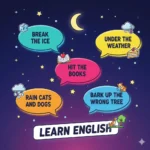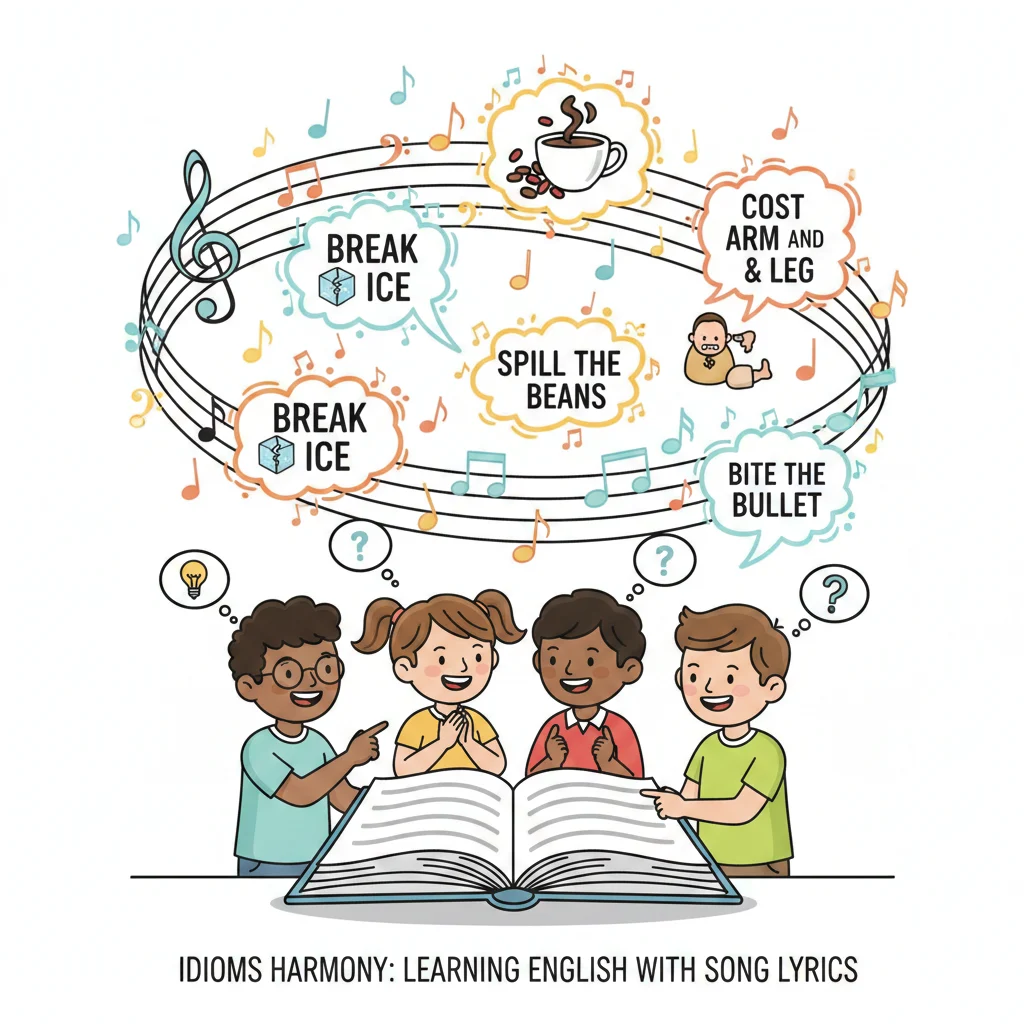
locabulary idioms are creative English expressions taught through the popular learning platform Flocabulary, which uses rap songs, videos, and storytelling to explain figurative language in an engaging way. Idioms such as “spill the beans,” “break the ice,” and “hit the sack” often appear in Flocabulary lessons to help students understand meanings beyond literal words.
Many English learners struggle with idioms because their meanings are symbolic, not direct, which can make conversations, books, and media difficult to understand. Flocabulary makes learning idioms easier by combining music, visuals, and real-life examples that improve memory and comprehension.
By studying idioms through Flocabulary-style lessons, students can expand vocabulary, strengthen listening skills, and communicate more naturally in English. Whether you are a student, teacher, or language learner, understanding idioms through engaging resources like Flocabulary helps build confidence and makes learning English more enjoyable and effective.
Hit the Road
Word-by-Word Meaning
- Hit = to strike or start suddenly
- Road = path or street for travel
Idiomatic Meaning
To start a journey or leave for a trip.
Example Sentences

- We should hit the road early to avoid traffic.
- After breakfast, they hit the road for their mountain vacation.
Common Mistake
❌ We hit to the road early.
✔️ We hit the road early.
Usage Note
Used informally when someone starts traveling.
Get Away from It All
Word-by-Word Meaning
- Get away = escape or leave
- It all = daily stress or problems
Idiomatic Meaning
To escape daily stress and relax somewhere peaceful.
Example Sentences
- I booked a beach trip to get away from it all.
- She went to the countryside to get away from city life.
Common Mistake
❌ Get away from all.
✔️ Get away from it all.
Usage Note
Often used when talking about relaxing vacations.
Off the Beaten Path
Word-by-Word Meaning
- Beaten path = commonly used road
Idiomatic Meaning
A place that is not crowded or not a typical tourist destination.
Example Sentences

- We explored a village off the beaten path.
- Many travelers enjoy destinations off the beaten path.
Common Mistake
❌ Out of the beaten path
✔️ Off the beaten path
Usage Note
Common in travel blogs and tourism writing.
Travel Light
Word-by-Word Meaning
- Travel = go from one place to another
- Light = not heavy
Idiomatic Meaning
To carry only a few belongings while traveling.
Example Sentences
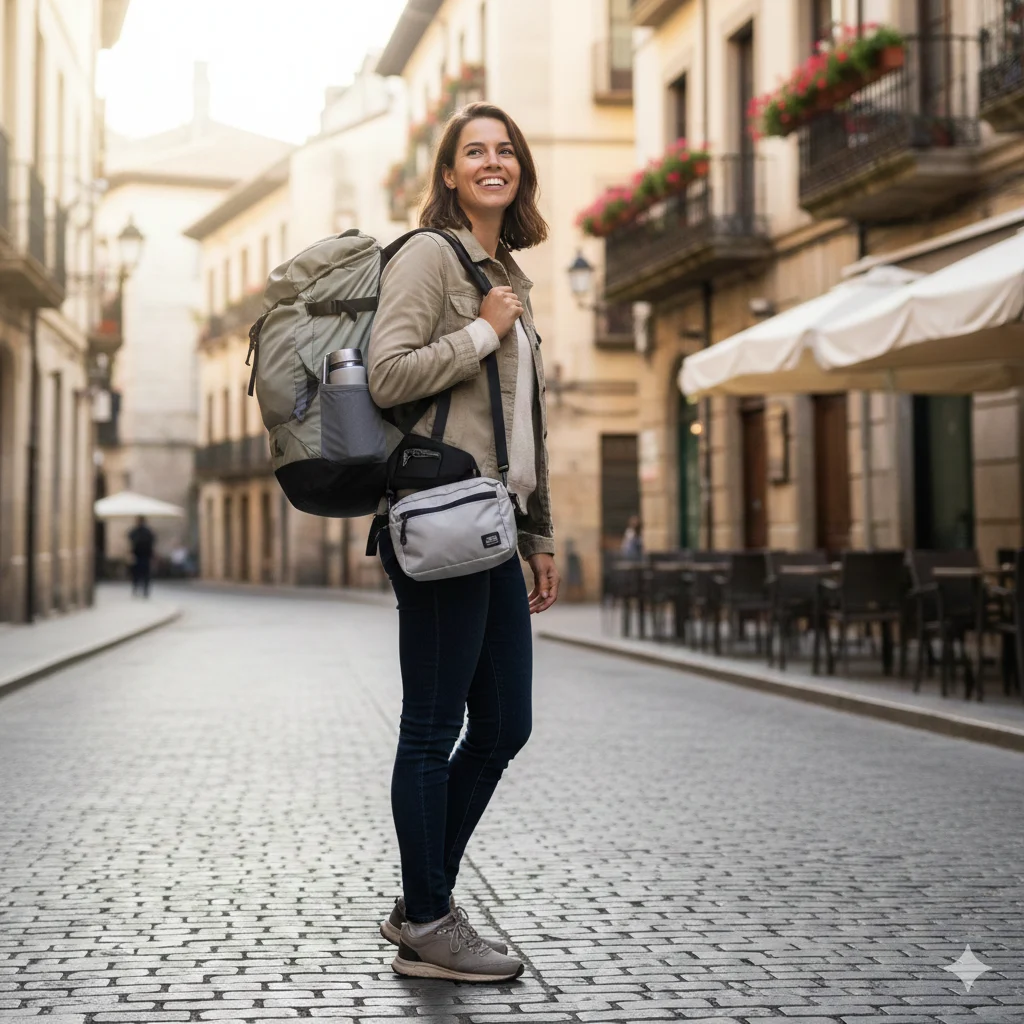
- I prefer to travel light with just a backpack.
- She travels light on weekend trips.
Common Mistake
❌ Travel lightly luggage
✔️ Travel light
Usage Note
Often used by frequent travelers or backpackers.
Live Out of a Suitcase
Word-by-Word Meaning
- Live = stay or exist
- Suitcase = travel bag

Idiomatic Meaning
To travel constantly without staying long in one place.
Example Sentences
- Business travelers often live out of a suitcase.
- During my world trip, I lived out of a suitcase for months.
Common Mistake
❌ Live in suitcase
✔️ Live out of a suitcase
Usage Note
Used when someone travels very frequently.
Catch Some Rays
Word-by-Word Meaning
- Catch = receive
- Rays = sunlight
Idiomatic Meaning
To relax in the sun and enjoy sunshine.
Example Sentences
- We went to the beach to catch some rays.
- She loves catching rays during summer vacation.
Common Mistake
❌ Catch the rays
✔️ Catch some rays
Usage Note
Often used when talking about beach vacations.
Recharge Your Batteries
Word-by-Word Meaning
- Recharge = refill energy
- Batteries = source of power
Idiomatic Meaning
To rest and regain energy after stress or work.
Example Sentences
- I need a vacation to recharge my batteries.
- A weekend trip helps me recharge my batteries.
Common Mistake
❌ Recharge the batteries
✔️ Recharge my batteries
Usage Note
Used when someone needs rest or relaxation.
Take the Scenic Route
Word-by-Word Meaning
- Scenic = beautiful view
- Route = path or road
Idiomatic Meaning
To choose a longer route to enjoy beautiful scenery.
Example Sentences
- We took the scenic route through the mountains.
- Travelers love taking scenic routes during road trips.
Common Mistake
❌ Take scenic road
✔️ Take the scenic route
Usage Note
Common in road trip conversations.
A Change of Scenery
Word-by-Word Meaning
- Change = something different
- Scenery = surrounding views
Idiomatic Meaning
To visit a new place to feel refreshed.
Example Sentences
- I need a change of scenery after working all year.
- Traveling gives you a refreshing change of scenery.
Common Mistake
❌ Change scenery
✔️ A change of scenery
Usage Note
Often used for short relaxing trips.
Hit the Beach
Word-by-Word Meaning
- Hit = go quickly
- Beach = seaside area
Idiomatic Meaning
To go to the beach to relax or enjoy.
Example Sentences
- Let’s hit the beach this weekend.
- Tourists hit the beach during summer holidays.
Common Mistake
❌ Hit to the beach
✔️ Hit the beach
Usage Note
Very common in informal travel conversation.
Road Trip
Word-by-Word Meaning
- Road = travel route
- Trip = journey
Idiomatic Meaning
A long journey taken by car.
Example Sentences
- We planned a road trip across the country.
- My friends and I love weekend road trips.
Common Mistake
❌ Trip of road
✔️ Road trip
Usage Note
Common in American English.
Travel Bug
Word-by-Word Meaning
- Bug = something that influences you strongly
Idiomatic Meaning
A strong desire or passion for traveling.
Example Sentences
- After visiting Italy, I caught the travel bug.
- She has had the travel bug since childhood.
Common Mistake
❌ Travel insect
✔️ Travel bug
Usage Note
Used when someone loves traveling frequently.
Wander Off
Word-by-Word Meaning
- Wander = walk without direction
- Off = away
Idiomatic Meaning
To walk away from a group or main place while exploring.
Example Sentences
- He wandered off while exploring the market.
- Kids sometimes wander off during trips.
Common Mistake
❌ Wander from
✔️ Wander off
Usage Note
Often used in tourist situations.
Make Memories
Word-by-Word Meaning
- Make = create
- Memories = moments remembered later
Idiomatic Meaning
To experience special moments that you remember forever.
Example Sentences
- We traveled together and made unforgettable memories.
- Family vacations help create lasting memories.
Common Mistake
❌ Create memory
✔️ Make memories
Usage Note
Popular in travel storytelling.
Out of Office
Word-by-Word Meaning
- Out = not present
- Office = workplace
Idiomatic Meaning
Not working because someone is on vacation or leave.
Example Sentences
- I’ll be out of office next week.
- Her email says she is currently out of office.
Common Mistake
❌ Out from office
✔️ Out of office
Usage Note
Often used in professional emails.
Break the Routine
Word-by-Word Meaning
- Break = stop
- Routine = daily habits
Idiomatic Meaning
To do something different from daily life.
Example Sentences
- Traveling helps break the routine.
- A weekend trip can break your routine.
Common Mistake
❌ Break routine life
✔️ Break the routine
Pack Your Bags
Word-by-Word Meaning
- Pack = put things in luggage
- Bags = travel luggage
Idiomatic Meaning
To prepare to leave or go on a trip.
Example Sentences
- It’s time to pack your bags for vacation.
- She packed her bags for Paris.
Common Mistake
❌ Pack the bag
✔️ Pack your bags
See the World
Word-by-Word Meaning
- See = experience
- World = different countries
Idiomatic Meaning
To travel to many places globally.
Example Sentences
- I want to see the world someday.
- Traveling helps you see the world.
Common Mistake
❌ Watch the world
✔️ See the world
Take a Break
Word-by-Word Meaning
- Take = accept
- Break = rest
Idiomatic Meaning
To stop work and relax.
Example Sentences
- I need to take a break and travel.
- She took a break after months of work.
Common Mistake
❌ Take break
✔️ Take a break
Holiday of a Lifetime
Word-by-Word Meaning
- Lifetime = whole life
Idiomatic Meaning
A very special and unforgettable vacation.
Example Sentences
- Our trip to Switzerland was a holiday of a lifetime.
- The safari became their holiday of a lifetime.
Common Mistake
❌ Lifetime holiday
✔️ Holiday of a lifetime
Frequently Asked Questions (FAQs)
What are vacation idioms?
Vacation idioms are expressions used to talk about travel, relaxation, and holidays in a figurative way.
Why should English learners learn vacation idioms?
They help you sound more natural and fluent when discussing travel experiences.
Are vacation idioms used in everyday conversation?
Yes, many native speakers use them frequently in casual conversations and travel discussions.
How can I remember idioms easily?
Practice them by writing sentences, using them in conversations, and associating them with real travel experiences.
Conclusion
Learning vacation idioms is a great way to make your English sound more natural, expressive, and fluent. Instead of using basic sentences like “I am traveling,” you can say “I’m going to hit the road” or “I need a trip to recharge my batteries.” These small changes make a big difference in how native your English sounds.
Travel-related idioms are especially useful because they appear frequently in everyday conversations, travel blogs, movies, and social media. By understanding these expressions, you’ll not only improve your vocabulary but also feel more confident speaking English in real-life situations.
The best way to master these idioms is through practice. Try using them in your own sentences, conversations, or travel stories. Over time, they will become a natural part of your English.

“L.P. Hartley brings classic idioms to life on LearnIdom.com, helping readers explore language with wit, clarity, and timeless insight.”