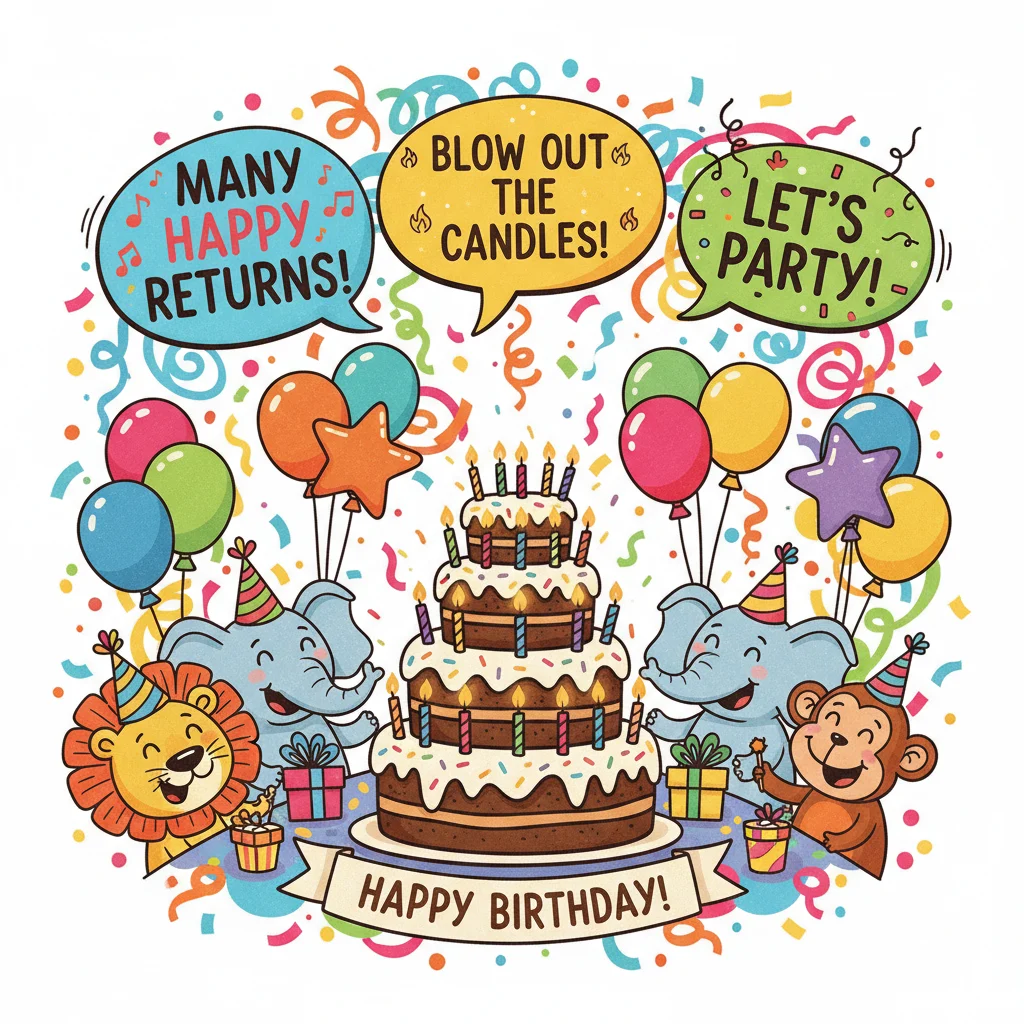
Birthdays are more than just cake, candles, and gifts—they are moments filled with joy, memories, and celebration. In English, people often use idioms about birthdays to describe aging, celebrations, and life milestones in a fun and expressive way.
Imagine your friend turning 50 and someone joking, “Looks like you’re over the hill now!” They’re not talking about a mountain. It’s simply an idiom used humorously about getting older. These expressions add personality and humor to everyday conversations.
Learning birthday idioms in English helps you understand jokes, greetings, and social conversations better. They also make your English sound more natural and fluent.
In this guide, you’ll discover famous birthday idioms, their meanings, example sentences, common mistakes, and usage tips. By the end, you’ll be able to use these expressions confidently in conversations, writing, and birthday messages.
Over the Hill
Word-by-Word Meaning
- Over = past or beyond
- Hill = a peak or high point
Idiomatic Meaning
This idiom describes someone who has passed their prime age or is considered older than the peak of youth.
Example Sentences
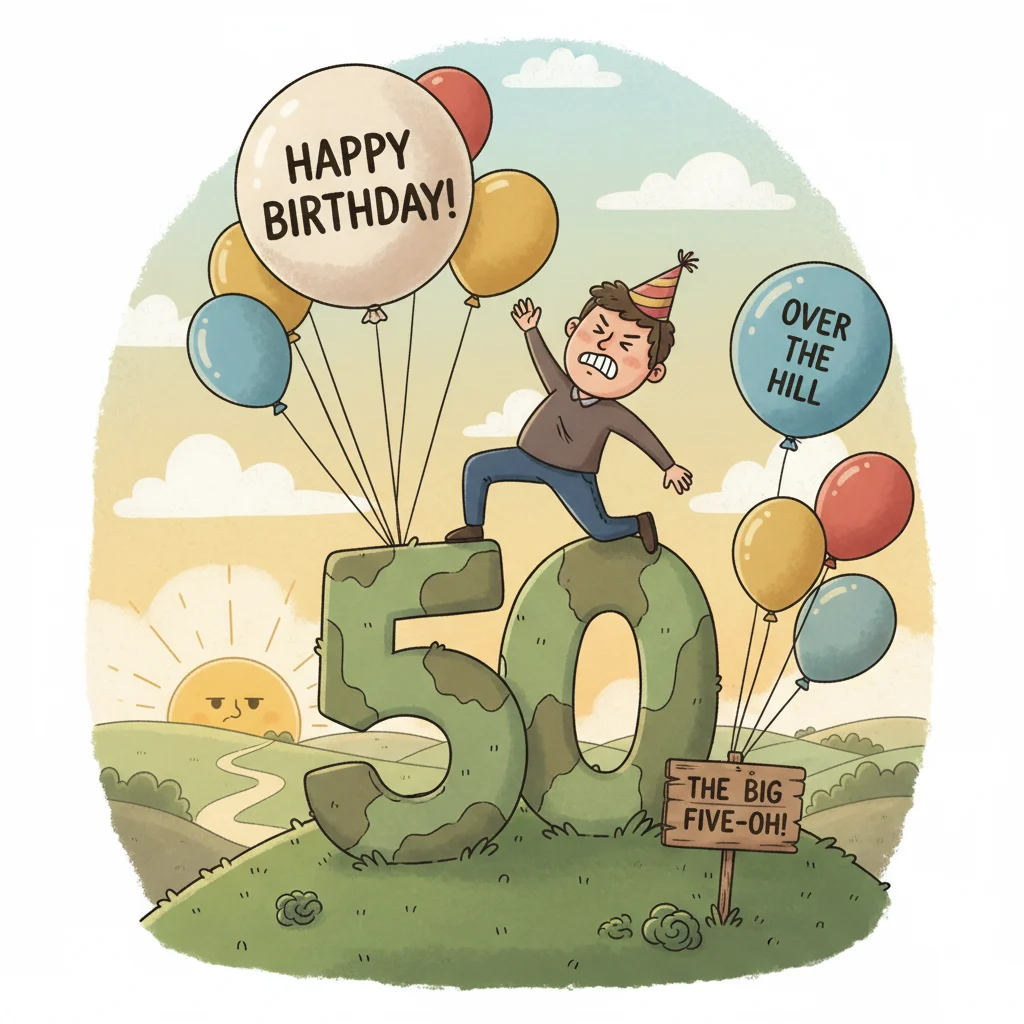
- My dad joked that he was over the hill when he turned fifty.
- They bought him a funny “Over the Hill” birthday cake.
- She laughed when her friends teased her about being over the hill at forty.
Common Error
Using it in a serious or insulting way. It is usually meant as playful humor.
Usage Note
Often used for milestone birthdays like 40, 50, or 60.
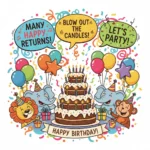
Blow Out the Candles
Word-by-Word Meaning
- Blow = push air from the mouth
- Candles = small lights on a birthday cake
Idiomatic Meaning
To celebrate a birthday by blowing out candles on a cake.
Example Sentences
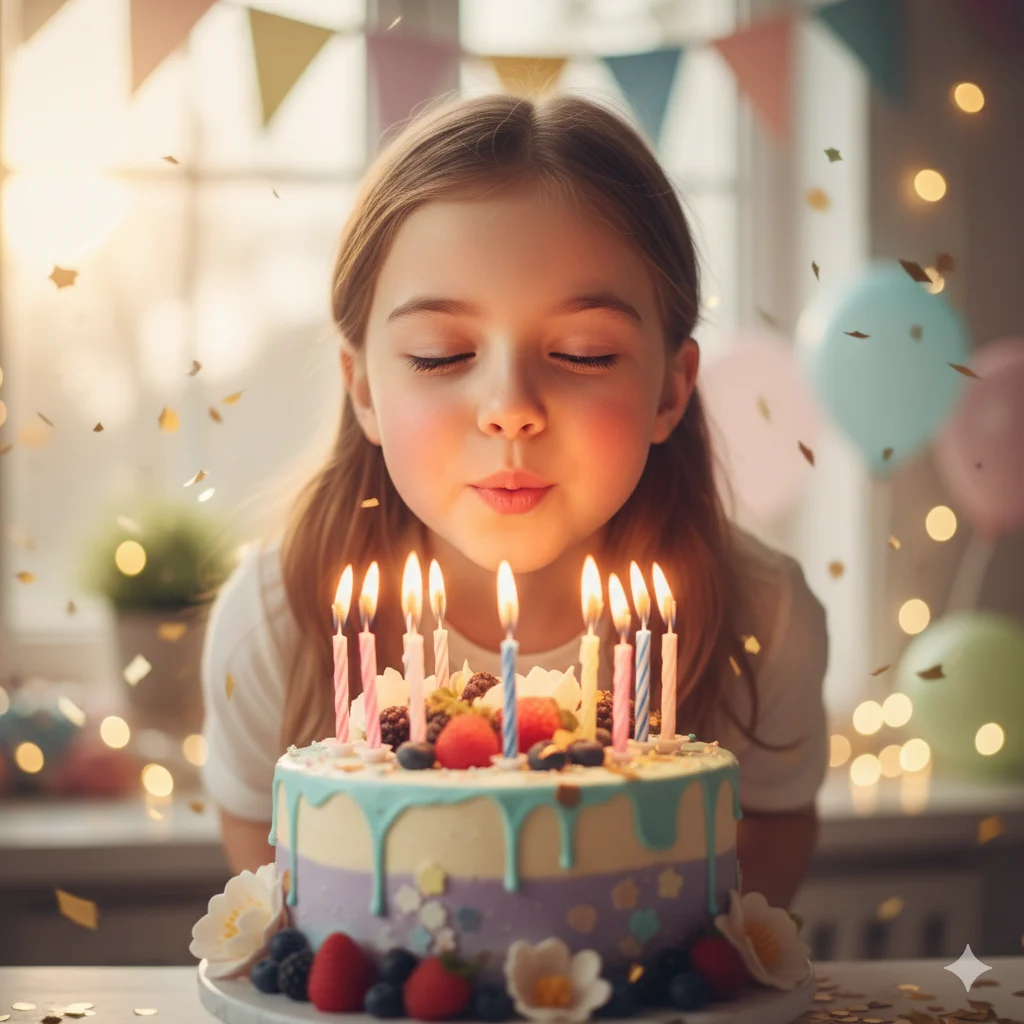
- The children gathered around to blow out the candles.
- Before you blow out the candles, make a wish.
- Everyone sang loudly while she blew out the candles.
Common Error
Using this phrase outside birthday contexts.
Usage Note
This expression is strongly associated with birthday traditions worldwide.
A Milestone Birthday
Word-by-Word Meaning
- Milestone = an important marker
- Birthday = the yearly celebration of birth
Idiomatic Meaning
A birthday that marks an important age or life stage, such as 18, 21, 30, 40, 50, or 60.
Example Sentences
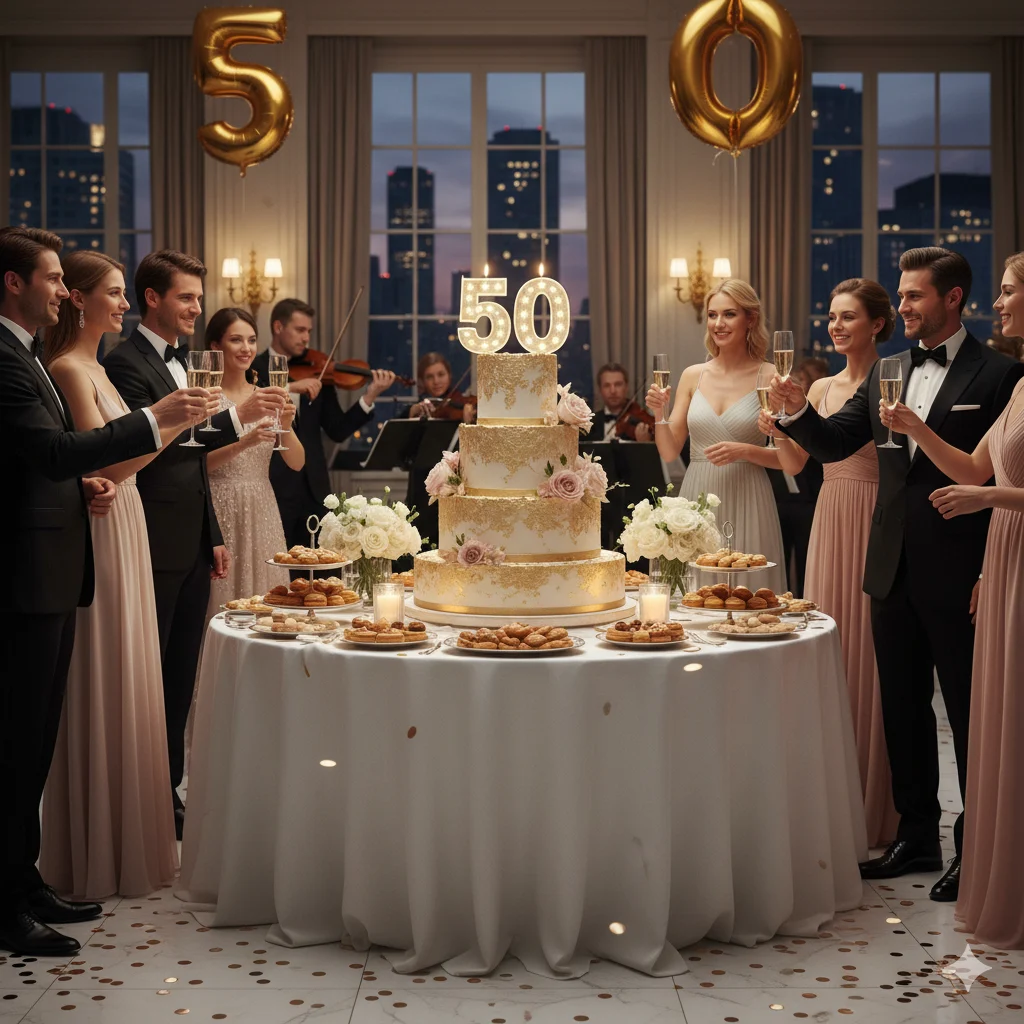
- Turning fifty was a milestone birthday for my mother.
- They organized a huge party for his milestone birthday.
- A milestone birthday often deserves a big celebration.
Common Error
Using it for ordinary birthdays like 23 or 27.
Usage Note
Often celebrated with larger parties and meaningful gifts.
The Big Day
Word-by-Word Meaning
- Big = important
- Day = special occasion
Idiomatic Meaning
An important or exciting day, such as a birthday or special event.
Example Sentences
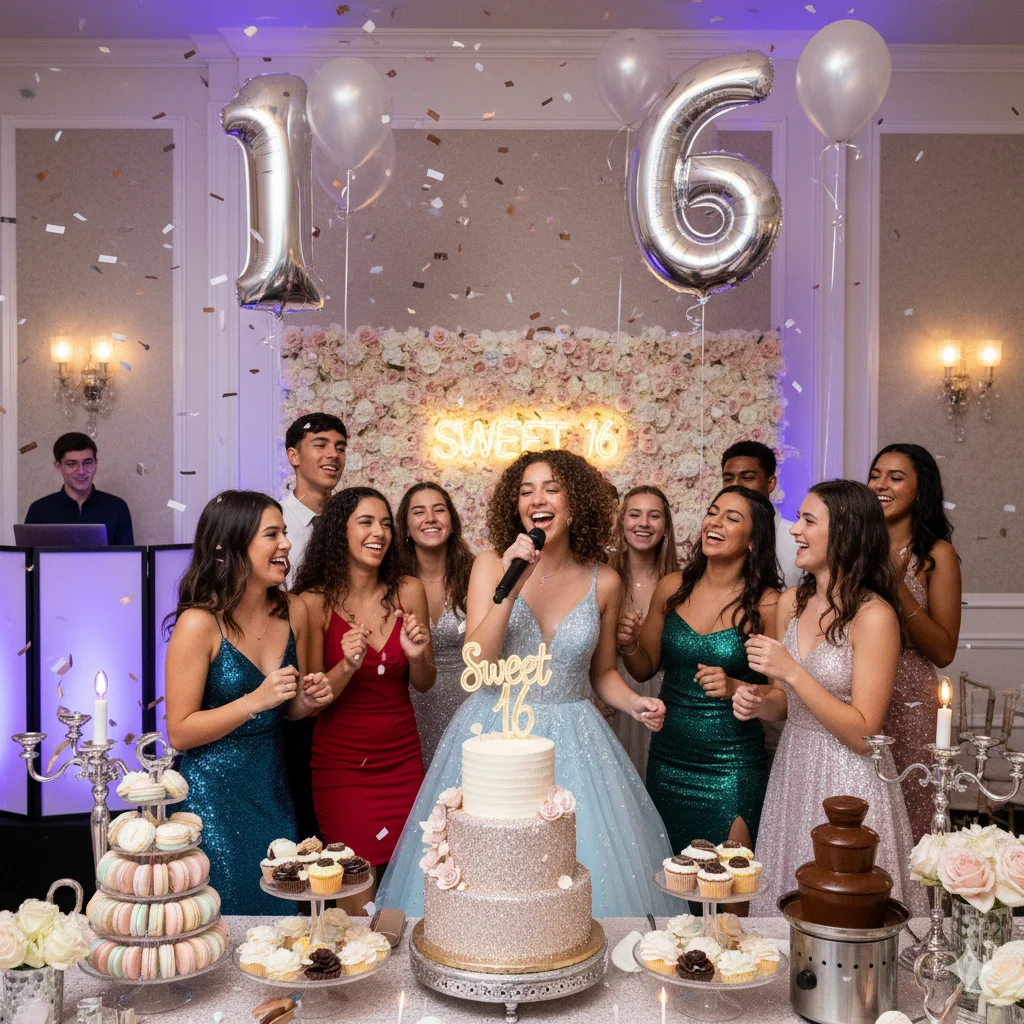
- She was very excited about her big day.
- Everyone helped decorate the house for his big day.
- The kids counted the days until their big day arrived.
Common Error
Using it too often for small events.
Usage Note
Also used for weddings or graduations.
Sweet Sixteen
Word-by-Word Meaning
- Sweet = pleasant or delightful
- Sixteen = the age of 16
Idiomatic Meaning
A special celebration when someone turns sixteen years old.
Example Sentences
- Her sweet sixteen party was unforgettable.
- Many teenagers look forward to their sweet sixteen.
- They rented a hall for her sweet sixteen celebration.
Common Error
Using it for birthdays other than 16.
Usage Note
Very common in Western birthday traditions.
Age Is Just a Number
Word-by-Word Meaning
- Age = years lived
- Number = numeric value
Idiomatic Meaning
A person’s abilities or happiness are not limited by their age.
Example Sentences
- She started learning piano at sixty because age is just a number.
- My grandfather still travels the world — age is just a number.
- Don’t worry about turning forty; age is just a number.
Common Error
Using it sarcastically.
Usage Note
Often used to encourage confidence about aging.
Born Yesterday
Word-by-Word Meaning
- Born = came into existence
- Yesterday = the previous day
Idiomatic Meaning
Someone who is naive or easily fooled.
Example Sentences
- Do you think I was born yesterday?
- She tried to trick him, but he wasn’t born yesterday.
- I may be young, but I wasn’t born yesterday.
Common Error
Taking the phrase literally.
Usage Note
Often used in arguments or when someone doubts a lie.
Young at Heart
Word-by-Word Meaning
- Young = youthful
- Heart = emotions or spirit
Idiomatic Meaning
Someone who feels energetic and youthful regardless of age.
Example Sentences
- My grandmother is eighty but still young at heart.
- He stays young at heart by playing sports.
- Being young at heart keeps life exciting.
Usage Note
Often used as a compliment.
Not Getting Any Younger
Word-by-Word Meaning
- Not = negative
- Younger = becoming less old
Idiomatic Meaning
Time is passing and someone is getting older.
Example Sentences
- I should start exercising — I’m not getting any younger.
- We should travel soon; we’re not getting any younger.
- He realized he was not getting any younger.
Usage Note
Often used humorously.
Life Begins at Forty
Word-by-Word Meaning
- Life = existence
- Begins = starts
- Forty = age
Idiomatic Meaning
Life becomes more enjoyable or meaningful after age forty.
Example Sentences
- Don’t worry about turning forty — life begins at forty.
- She started her dream career because life begins at forty.
- Many people believe life begins at forty.
Usage Note
Encourages optimism about aging.
Make a Wish
Word-by-Word Meaning
- Make = create
- Wish = hope or desire
Idiomatic Meaning
To silently wish for something before blowing birthday candles.
Example Sentences
- Don’t forget to make a wish before blowing the candles.
- She closed her eyes to make a wish.
- Everyone waited while he made a wish.
Turning the Big Three-Zero
Word-by-Word Meaning
- Turning = reaching or becoming
- Big = important or significant
- Three-Zero = the number 30
Idiomatic Meaning
The phrase “turning the big three-zero” refers to reaching the age of 30, which is often considered a major life milestone.
Many people see their thirties as the start of a more mature and responsible stage of life.
Example Sentences
- My sister is turning the big three-zero next week, so we’re planning a surprise party.
- He felt a little nervous about turning the big three-zero, but his friends made the day special.
- They organized a weekend trip to celebrate turning the big three-zero.
Common Error
Some learners mistakenly use this phrase for other ages.
Incorrect:
❌ She is turning the big three-zero at 40.
Correct:
✔ She is turning the big four-zero at 40.
Usage Note
This idiom is often used playfully or humorously when discussing milestone birthdays.
Party Animal
Word-by-Word Meaning
- Party = celebration or social gathering
- Animal = someone energetic or wild
Idiomatic Meaning
A party animal is a person who loves attending parties and celebrations and often stays energetic throughout the event.
This idiom is commonly used when describing someone who enjoys lively birthday parties.
Example Sentences
- My cousin is a real party animal, especially on birthdays.
- Everyone knows Jake is a party animal who never misses a celebration.
- She turned into a party animal during her birthday weekend.
Common Error
Using it in formal or professional contexts.
Incorrect:
❌ Our manager is a party animal in meetings.
Usage Note
The phrase is informal and mostly used when talking about fun social events.
Celebrate in Style
Word-by-Word Meaning
- Celebrate = mark a special event with joy
- Style = elegance or impressive manner
Idiomatic Meaning
To celebrate in style means celebrating something in a grand, exciting, or luxurious way.
This could include a big party, travel, or a fancy dinner.
Example Sentences
- They celebrated in style at a beautiful beach resort.
- For his 50th birthday, the family decided to celebrate in style.
- She wanted to celebrate in style with a dinner at her favorite restaurant.
Common Error
Using it when the celebration is simple.
Incorrect:
❌ We celebrated in style with tea and biscuits.
Usage Note
Often used when celebrations involve special decorations, expensive venues, or large gatherings.
The Time of Your Life
Word-by-Word Meaning
- Time = moment or experience
- Your life = personal lifetime
Idiomatic Meaning
Having the time of your life means experiencing extreme happiness or enjoyment.
It often describes moments when someone enjoys a celebration so much that it becomes unforgettable.
Example Sentences
- She had the time of her life at her birthday party.
- The kids had the time of their lives playing games during the celebration.
- Everyone had the time of their life dancing at the birthday bash.
Common Error
Using the phrase for ordinary moments.
Incorrect:
❌ I had the time of my life doing homework.
Usage Note
This idiom is used for very enjoyable experiences, especially parties or travel.
Over the Moon
Word-by-Word Meaning
- Over = beyond or above
- Moon = the celestial body
Idiomatic Meaning
The phrase over the moon means feeling extremely happy or delighted.
It is often used when someone receives a wonderful birthday surprise.
Example Sentences
- She was over the moon when her friends threw a surprise birthday party.
- He felt over the moon after opening his birthday gifts.
- My parents were over the moon seeing the family gathered together.
Common Error
Using it for mild happiness.
Incorrect:
❌ I was over the moon about eating lunch.
Usage Note
Use this idiom for strong emotions of joy or excitement.
Bundle of Joy
Word-by-Word Meaning
- Bundle = something wrapped together
- Joy = happiness
Idiomatic Meaning
A bundle of joy refers to a newborn baby who brings happiness to the family.
Although it refers to birth rather than birthdays, it connects to the idea of celebrating life.
Example Sentences
- Their little bundle of joy was born yesterday.
- The parents proudly showed their bundle of joy to family members.
- Everyone came to visit the adorable bundle of joy.
Common Error
Using it for older children.
Incorrect:
❌ My 12-year-old brother is a bundle of joy.
Usage Note
Usually used when talking about newborn babies.
Golden Birthday
Word-by-Word Meaning
- Golden = precious or special
- Birthday = the annual celebration of birth
Idiomatic Meaning
A golden birthday occurs when someone turns the same age as the date they were born on.
Example:
If you were born on the 18th, your golden birthday happens when you turn 18.
Example Sentences
- She celebrated her golden birthday when she turned 21 on the 21st.
- My brother’s golden birthday was very memorable.
- Many people plan special parties for their golden birthday.
Common Error
Confusing it with milestone birthdays like 30 or 50.
Usage Note
This concept is popular in many cultures as a unique once-in-a-lifetime birthday.
Birthday Bash
Word-by-Word Meaning
- Birthday = celebration of birth
- Bash = a big party
Idiomatic Meaning
A birthday bash is a large, exciting birthday party with friends, music, food, and entertainment.
Example Sentences
- They threw a huge birthday bash for their best friend.
- The birthday bash included music, dancing, and games.
- Everyone was invited to the weekend birthday bash.
Common Error
Using it for small gatherings.
Incorrect:
❌ We had a birthday bash with just two people.
Usage Note
Usually used for big celebrations or lively parties.
Another Year Older and Wiser
Word-by-Word Meaning
- Another = one more
- Year older = age increases by one year
- Wiser = more experienced or knowledgeable
Idiomatic Meaning
This phrase means that as people grow older, they also gain wisdom, experience, and maturity.
It is commonly used in birthday greetings.
Example Sentences
- Happy birthday! You’re another year older and wiser today.
- She smiled and said she was another year older and wiser.
- Every birthday reminds us that we are another year older and wiser.
Common Error
Some learners forget the second part.
Incorrect:
❌ Another year older.
Correct:
✔ Another year older and wiser.
Usage Note
This idiom is very common in birthday cards, speeches, and messages.
Practice Section
Fill in the blanks using the idioms above:
- My uncle turned fifty and joked he was ______.
- Before cutting the cake, remember to ______.
- My grandmother is seventy but still ______.
- We had a huge ______ for my sister’s birthday.
FAQs
What are birthday idioms?
Birthday idioms are expressions related to age, celebrations, and life milestones that have figurative meanings.
Why should I learn idioms about birthdays?
They help you sound more natural and fluent in English conversations.
Are birthday idioms common in daily English?
Yes, expressions like “over the hill” and “young at heart” are widely used.
Can I use these idioms in writing?
Absolutely. They make stories, blogs, and messages more engaging.
What is the easiest way to remember idioms?
Practice them in daily conversations and writing.
Conclusion
Learning idioms about birthdays is a fun way to expand your English vocabulary while understanding cultural expressions related to aging and celebration.
These idioms will help you sound more natural when writing birthday messages, speaking with friends, or understanding jokes in English conversations.
Start using them today. Try adding expressions like “young at heart,” “over the hill,” or “make a wish” in your next birthday greeting.
The more you practice, the more confident your English will become.
So go ahead — celebrate language and keep learning!

“Wilkie Collins brings classic idioms to life on LearnIdom.com, making language learning engaging, memorable, and full of literary charm.”