Have you ever heard someone say “Don’t add fuel to the fire” or “You’re playing with fire” and wondered what they actually mean? These expressions are called fire idioms, and they are commonly used in everyday English conversations.
Fire has always symbolized energy, danger, passion, anger, and intensity, which is why many English idioms use fire to describe real-life situations. Native speakers often use these expressions in business discussions, casual conversations, movies, and even news headlines.
For English learners, idioms can feel confusing because the meaning is not always literal. However, once you understand them with clear explanations, examples, and common mistakes, they become much easier to recognize and use.
In this guide, you will learn popular fire idioms in English, along with their meanings, example sentences, and typical mistakes learners make. By the end, you will be able to use these idioms confidently in everyday English conversations.
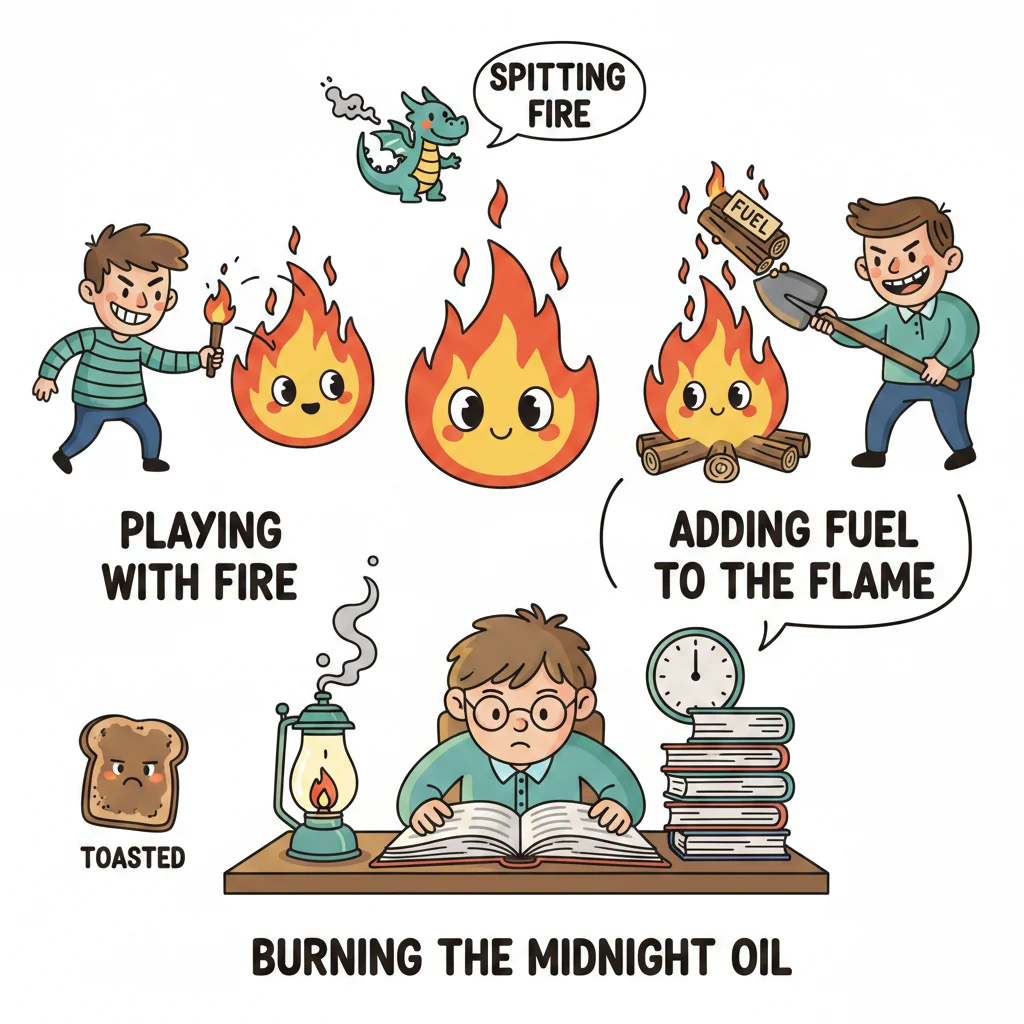
Play with Fire
Word-by-Word Meaning
- Play = to interact or experiment
- Fire = flames or something dangerous
Idiomatic Meaning
To take a dangerous risk that could cause serious trouble.
Example Sentences
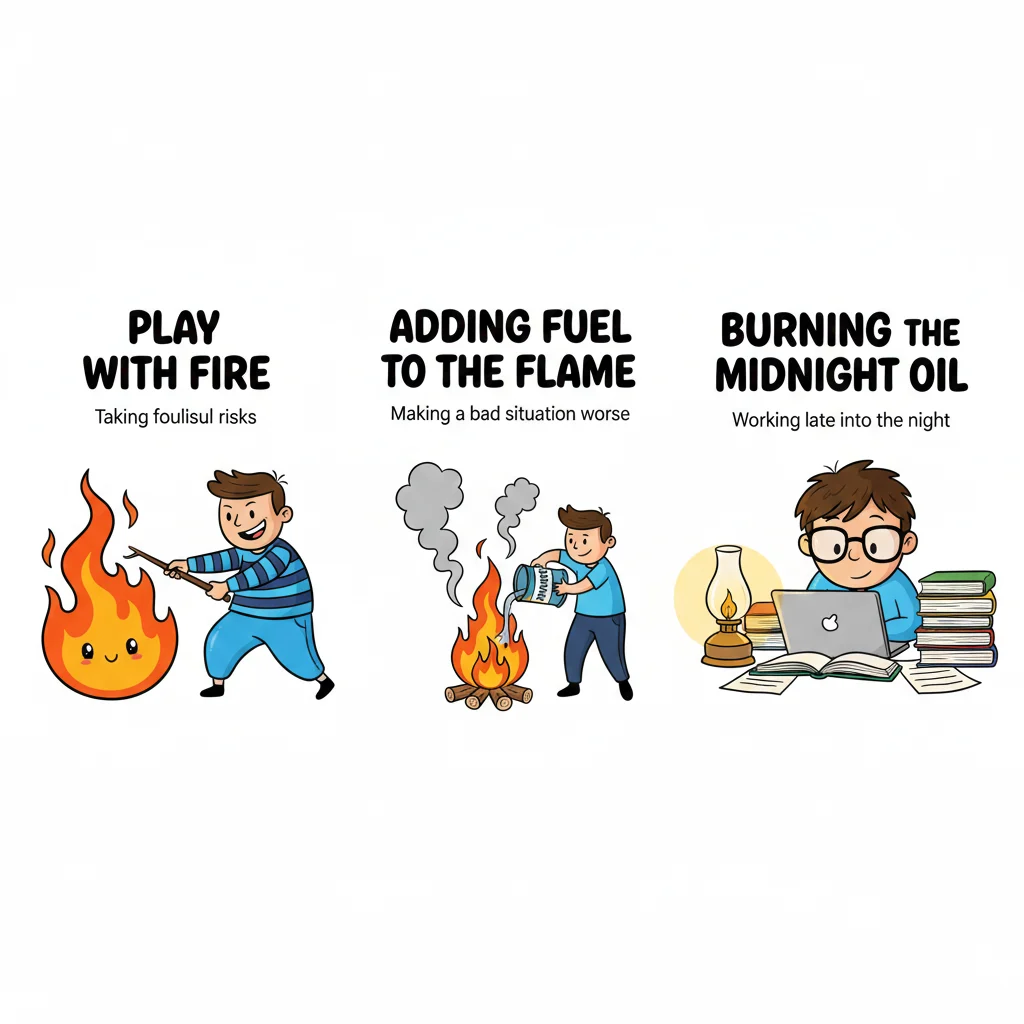
- If you lie to your manager, you are playing with fire.
- He is playing with fire by investing all his money in one risky project.
- Ignoring safety rules is like playing with fire.
Common Mistake
❌ Thinking the idiom refers to literal fire.
✔ It actually refers to taking risky actions.
Usage Note
Often used as a warning when someone is making a risky decision.
Add Fuel to the Fire
Word-by-Word Meaning
- Fuel = something that helps fire burn
- Fire = flames
Idiomatic Meaning
To make a bad situation worse, especially during arguments.
Example Sentences
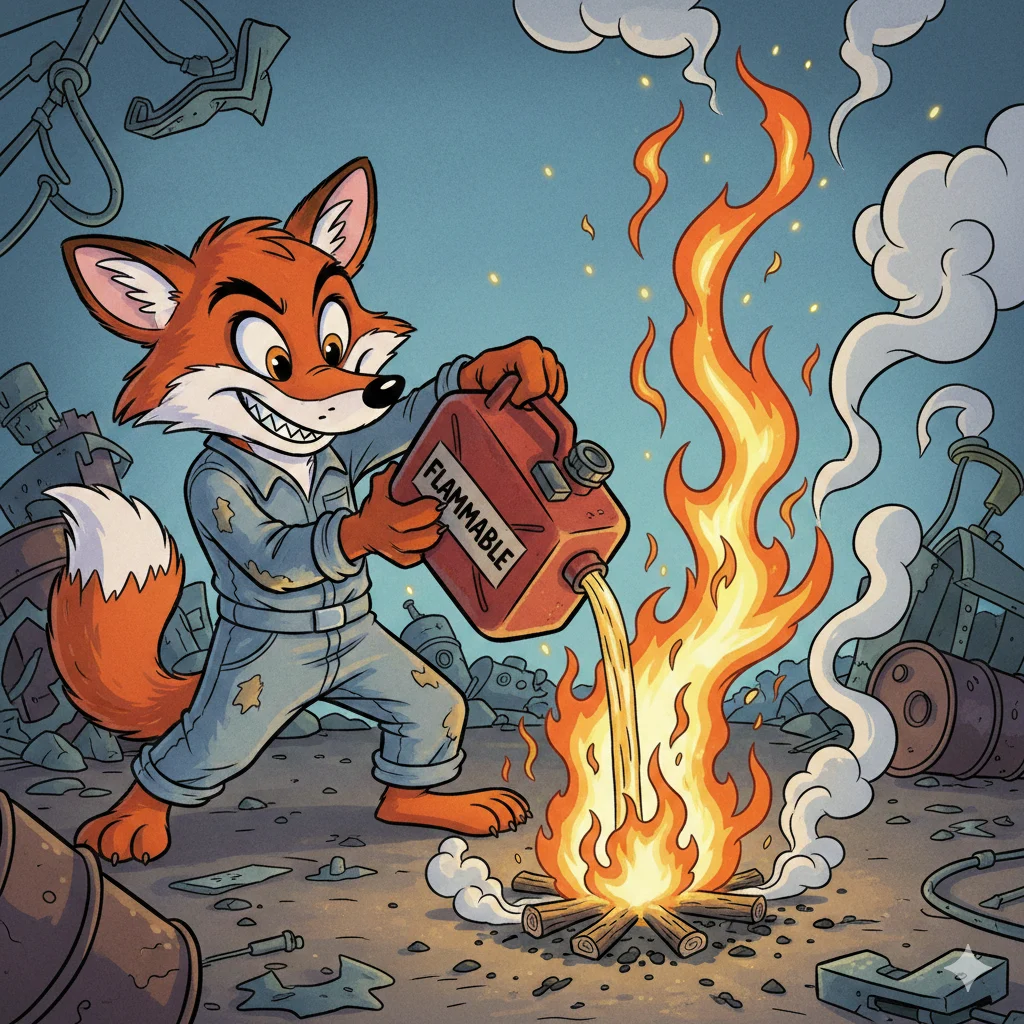
- His angry comment added fuel to the fire.
- Complaining now will only add fuel to the fire.
- Posting that message online added fuel to the fire.
Common Mistake
❌ Saying “add fire to the fuel.”
✔ Correct idiom: add fuel to the fire.
Usage Note
Commonly used in conflicts, arguments, or emotional situations.
Fire Away
Word-by-Word Meaning
- Fire = shoot
- Away = freely or continuously
Idiomatic Meaning
To invite someone to ask questions or start speaking freely.
Example Sentences
- If you have questions, fire away.
- The teacher said, “Fire away with your doubts.”
- During the meeting, the manager told employees to fire away with suggestions.
Common Mistake
❌ Thinking it refers to anger.
✔ It actually means asking questions freely.
On Fire
Word-by-Word Meaning
- On = in a state of
- Fire = intense heat or energy
Idiomatic Meaning
To perform extremely well or be very successful at something.

Example Sentences
- The basketball player was on fire during the match.
- She was on fire in the debate competition.
- The singer was on fire during the concert.
Common Mistake
❌ Saying “in fire.”
✔ Correct phrase: on fire.
Catch Fire
Word-by-Word Meaning
- Catch = to begin
- Fire = flames
Idiomatic Meaning
To suddenly become popular, successful, or energetic.
Example Sentences
- The video quickly caught fire on social media.
- His new product idea caught fire in the market.
- The campaign caught fire after celebrities supported it.
Common Mistake
❌ Interpreting it literally as burning.
✔ It often means rapid popularity or success.
Fight Fire with Fire
Word-by-Word Meaning
- Fight = battle
- Fire = flames
Idiomatic Meaning
To respond to a problem using the same method as the opponent.
Example Sentences
- The company fought fire with fire by launching a similar product.
- Sometimes you must fight fire with fire in business.
- The team fought fire with fire during the competition.
Common Mistake
❌ Thinking it promotes violence.
✔ It actually describes using the same strategy as your opponent.
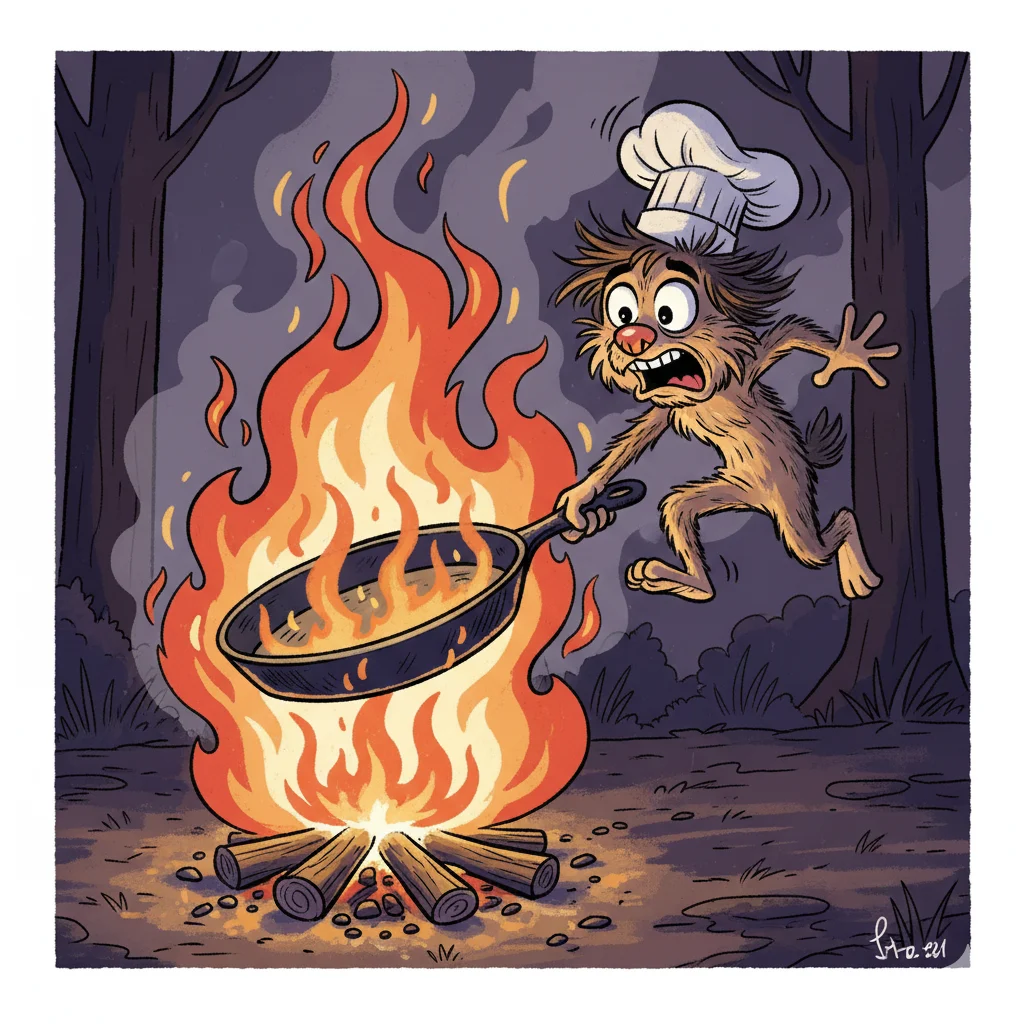
Out of the Frying Pan into the Fire
Word-by-Word Meaning
- Frying pan = cooking pan
- Fire = flames
Idiomatic Meaning
To move from a bad situation to an even worse one.
Example Sentences
- He left his stressful job but ended up out of the frying pan into the fire.
- Moving to that company was like jumping out of the frying pan into the fire.
- The decision only made things worse.
Common Mistake
❌ Shortening it incorrectly to “from pan to fire.”
✔ Use the full idiom.
Fire in the Belly
Word-by-Word Meaning
- Fire = energy or passion
- Belly = inside the body
Idiomatic Meaning
Strong ambition, determination, or motivation.
Example Sentences
- Successful entrepreneurs have fire in the belly.
- She has the fire in the belly to achieve her dreams.
- His fire in the belly pushed him to work harder.
Common Mistake
❌ Thinking it means anger.
✔ It actually means passion and determination.
Set the World on Fire
Word-by-Word Meaning
- Set = ignite
- World = the world
- Fire = flames
Idiomatic Meaning
To achieve great success or make a huge impact.
Example Sentences
- The startup hopes to set the world on fire.
- Her performance set the world on fire.
- The new technology could set the world on fire.
Common Mistake
❌ Taking the phrase literally.
✔ It is used metaphorically for great success.
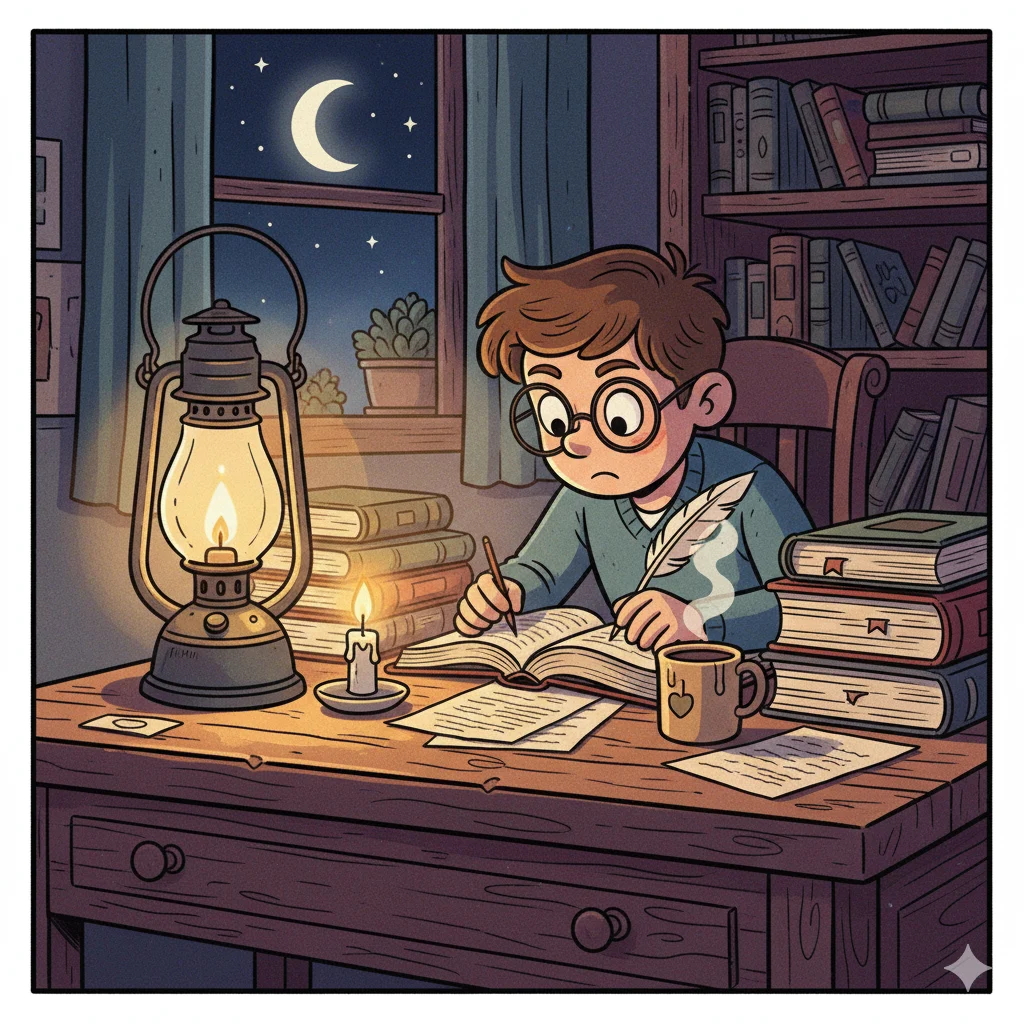
Burn the Midnight Oil
Word-by-Word Meaning
- Burn = use
- Midnight oil = lamp oil used late at night
Idiomatic Meaning
To work late into the night.
Example Sentences
- She burned the midnight oil to finish the project.
- Students often burn the midnight oil before exams.
- The writer burned the midnight oil to complete his book.
Common Mistake
❌ Saying “burn the night oil.”
✔ Correct phrase: burn the midnight oil.
Under Fire
Meaning
To receive strong criticism or attacks.
Example Sentences
- The company is under fire for its new policy.
- The politician came under fire after the speech.
Common Mistake
❌ Saying “below fire.”
Burn the Midnight Oil
Word-by-Word Meaning
- Burn = to use fire or energy
- Midnight = the middle of the night (12 AM)
- Oil = oil used in old lamps for light
Idiomatic Meaning
“Burn the midnight oil” means to stay up very late at night working or studying.
Example Sentences
- I had to burn the midnight oil to finish my assignment before the deadline.
- She burned the midnight oil preparing for her final exams.
- The team burned the midnight oil to complete the project on time.
Common Mistake
❌ Burn midnight oil
✔ Burn the midnight oil
Always include “the” in the idiom.
Usage Note
This idiom is often used when someone works late at night with dedication or pressure.
Break the Ice
Word-by-Word Meaning
- Break = to destroy or open something
- Ice = frozen water
Idiomatic Meaning
“Break the ice” means to start a conversation and make people feel comfortable in a new or awkward situation.
Example Sentences
- The teacher told a funny story to break the ice on the first day of class.
- I introduced myself to break the ice at the meeting.
- A simple joke helped break the ice during the interview.
Common Mistake
❌ Break ice
✔ Break the ice
Usage Note
This idiom is commonly used in meetings, interviews, parties, and first conversations.
Hit the Nail on the Head
Word-by-Word Meaning
- Hit = strike something
- Nail = a metal pin used in wood
- Head = the top part of the nail
Idiomatic Meaning
“Hit the nail on the head” means to say something exactly right or identify the real problem.
Example Sentences
- You hit the nail on the head when you said the issue was poor communication.
- The manager hit the nail on the head during the meeting.
- Her comment hit the nail on the head about why the project failed.
Common Mistake
❌ Hit nail on head
✔ Hit the nail on the head
Usage Note
Used when someone perfectly explains a situation.
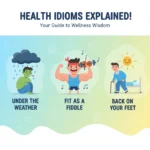
Under the Weather
Word-by-Word Meaning
- Under = below something
- Weather = atmospheric conditions like rain or sunshine
Idiomatic Meaning
“Under the weather” means feeling slightly sick or unwell.
Example Sentences
- I’m feeling under the weather, so I’ll stay home today.
- She looked under the weather during the meeting.
- He canceled the trip because he was under the weather.
Common Mistake
❌ Below the weather
✔ Under the weather
Usage Note
Often used in casual conversation when someone is not feeling well but not seriously sick.
A Blessing in Disguise
Word-by-Word Meaning
- Blessing = something good
- Disguise = something hidden or not obvious
Idiomatic Meaning
A “blessing in disguise” is something that seems bad at first but later turns out to be good.
Example Sentences
- Losing that job was a blessing in disguise because I found a better one.
- Missing the flight was a blessing in disguise since the meeting was canceled.
- The mistake turned out to be a blessing in disguise.
Common Mistake
❌ Blessing in a disguise
✔ Blessing in disguise
Usage Note
Used when a negative situation leads to a positive outcome.
Bite the Bullet
Word-by-Word Meaning
- Bite = to press something with teeth
- Bullet = a small metal projectile used in guns
Idiomatic Meaning
“Bite the bullet” means to face a difficult or painful situation with courage.
Example Sentences
- I decided to bite the bullet and finish the difficult task.
- She bit the bullet and apologized.
- Sometimes you just have to bite the bullet and move forward.
Common Mistake
❌ Eat the bullet
✔ Bite the bullet
Usage Note
Used when someone accepts a tough situation instead of avoiding it.
Let the Cat Out of the Bag
Word-by-Word Meaning
- Let = allow something
- Cat = an animal
- Bag = a container
Idiomatic Meaning
“Let the cat out of the bag” means to accidentally reveal a secret.
Example Sentences
- He let the cat out of the bag about the surprise party.
- Don’t let the cat out of the bag before the announcement.
- She accidentally let the cat out of the bag.
Common Mistake
❌ Release the cat from bag
✔ Let the cat out of the bag
Usage Note
Commonly used when someone reveals confidential information by mistake.
Once in a Blue Moon
Word-by-Word Meaning
- Once = one time
- Blue Moon = a rare astronomical event
Idiomatic Meaning
“Once in a blue moon” means something that happens very rarely.
Example Sentences
- I eat fast food once in a blue moon.
- He visits us once in a blue moon.
- That kind of opportunity comes once in a blue moon.
Common Mistake
❌ Once in blue moon
✔ Once in a blue moon
Usage Note
Used when describing very rare events.
The Ball Is in Your Court
Word-by-Word Meaning
- Ball = object used in sports
- Court = the playing area
Idiomatic Meaning
“The ball is in your court” means it is now your responsibility to make the next decision or take action.
Example Sentences
- I’ve done my part; the ball is in your court now.
- The company made an offer, so the ball is in your court.
- I explained everything; the ball is in your court.
Common Mistake
❌ Ball is on your court
✔ Ball is in your court
Usage Note
Often used in business, negotiations, and decision-making situations.
Frequently Asked Questions
What are fire idioms?
Fire idioms are expressions that use fire imagery to describe emotions, risks, passion, or conflict.
Why are fire idioms common in English?
Because fire represents energy, danger, power, and intensity, making it a strong metaphor.
Are fire idioms used in everyday conversation?
Yes. They appear frequently in movies, news, business discussions, and daily conversations.
How can I learn idioms faster?
You can learn idioms faster by:
Reading articles and watching English videos
Practicing them in sentences
Listening to native speakers
Conclusion
Fire idioms make English more expressive, vivid, and engaging. When you understand expressions like play with fire, add fuel to the fire, or burn the midnight oil, you can better understand native speakers and communicate more naturally.
For many learners, idioms seem confusing at first because their meanings are not literal. However, once you study them with clear meanings, practical examples, and common mistakes, they become easier to remember and use.
The 20 fire idioms in this guide will help you improve your vocabulary and sound more natural in conversations, presentations, and writing.
To master idioms faster, try using two or three idioms each day in your sentences or conversations. With consistent practice, you will soon speak English with greater confidence and fluency.

“Rose Macaulay shares the charm of idioms on LearnIdom.com, making language learning delightful, insightful, and full of wit for every reader.”